Loading..
GENERATING IMAGE. PLEASE WAIT...

Like it
LIMITED EDITION of 50

# 333456

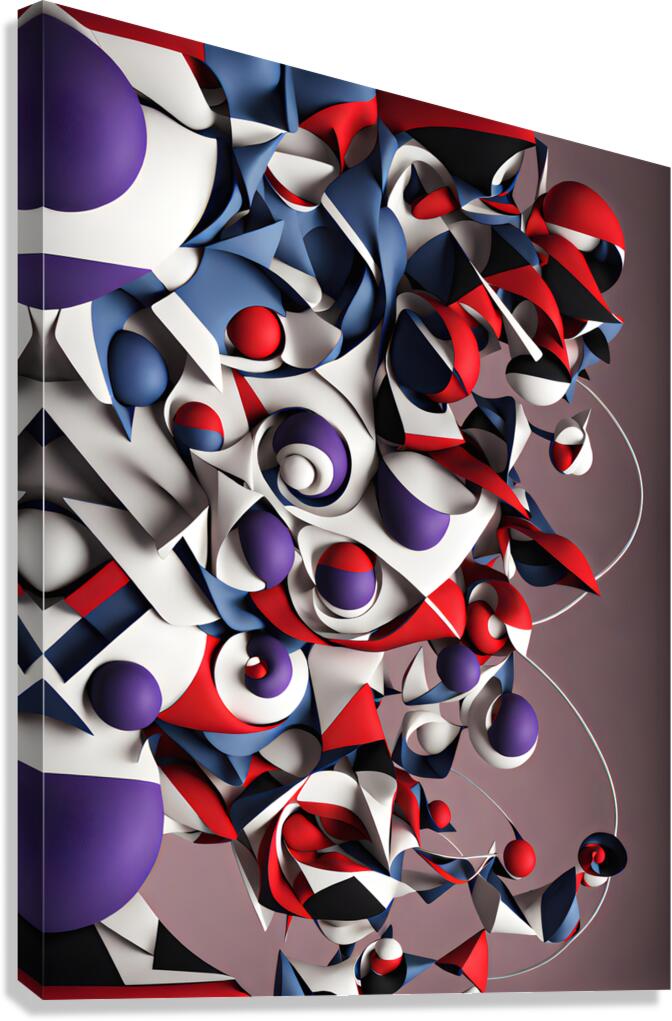
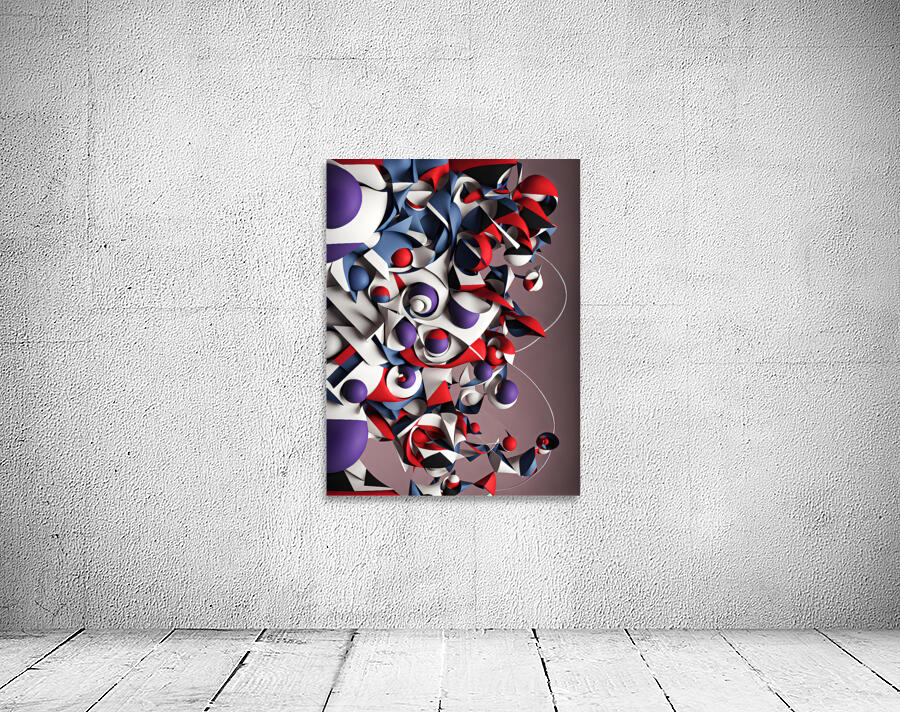
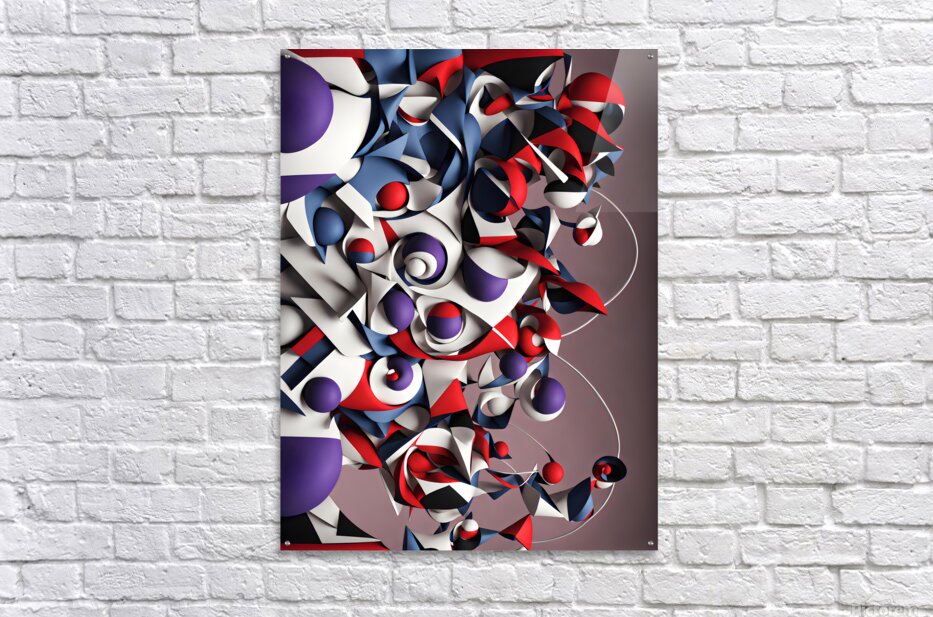
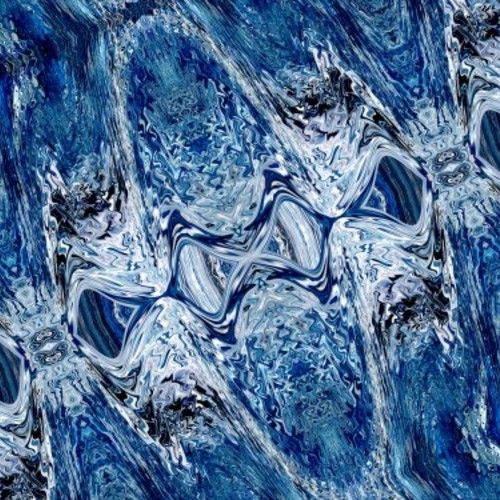
A.P.POLO - RHINO


Available in :
LIMITED EDITION of 50
Pictorem Reviews 4.8 Average Rating by 120.9k customers
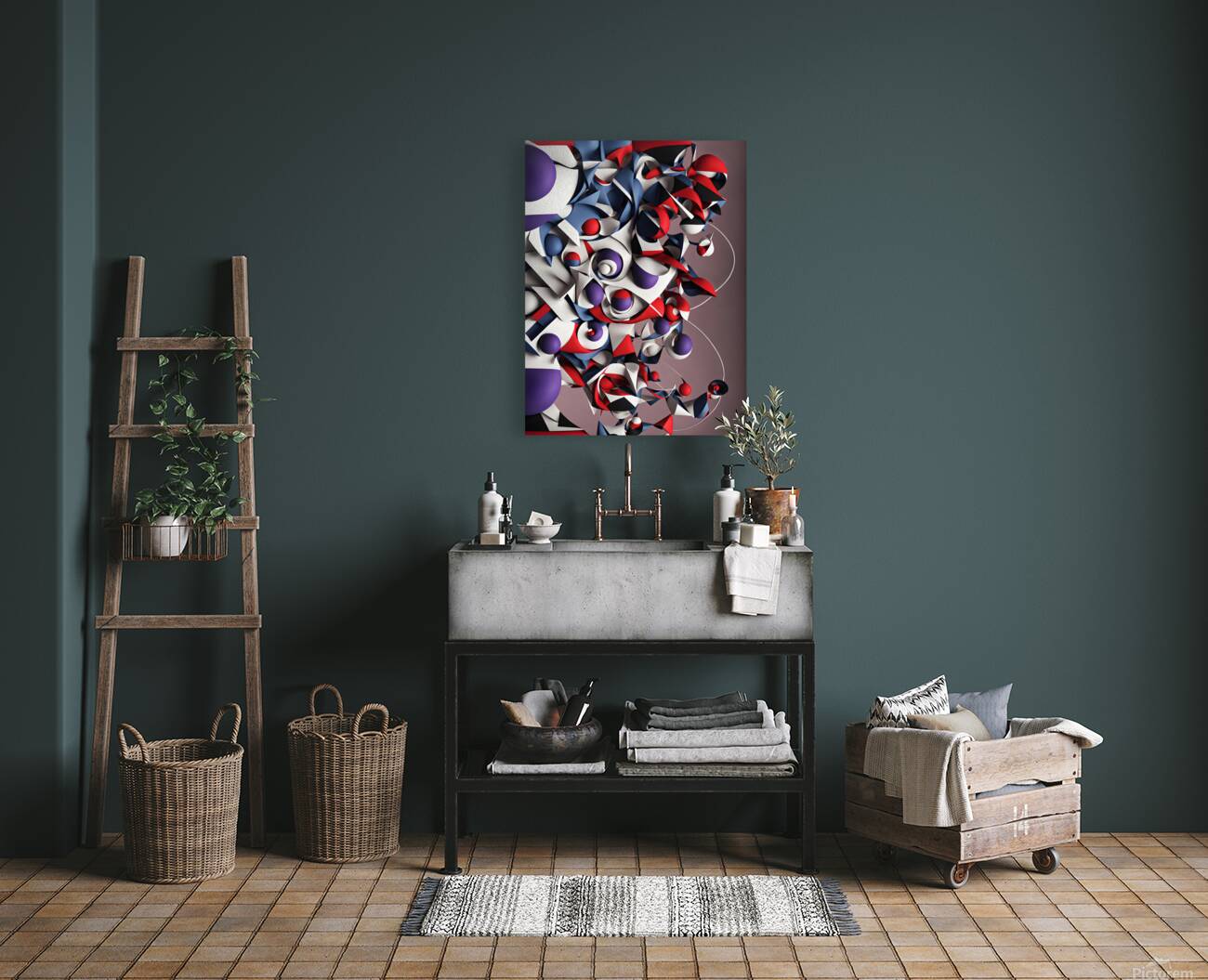
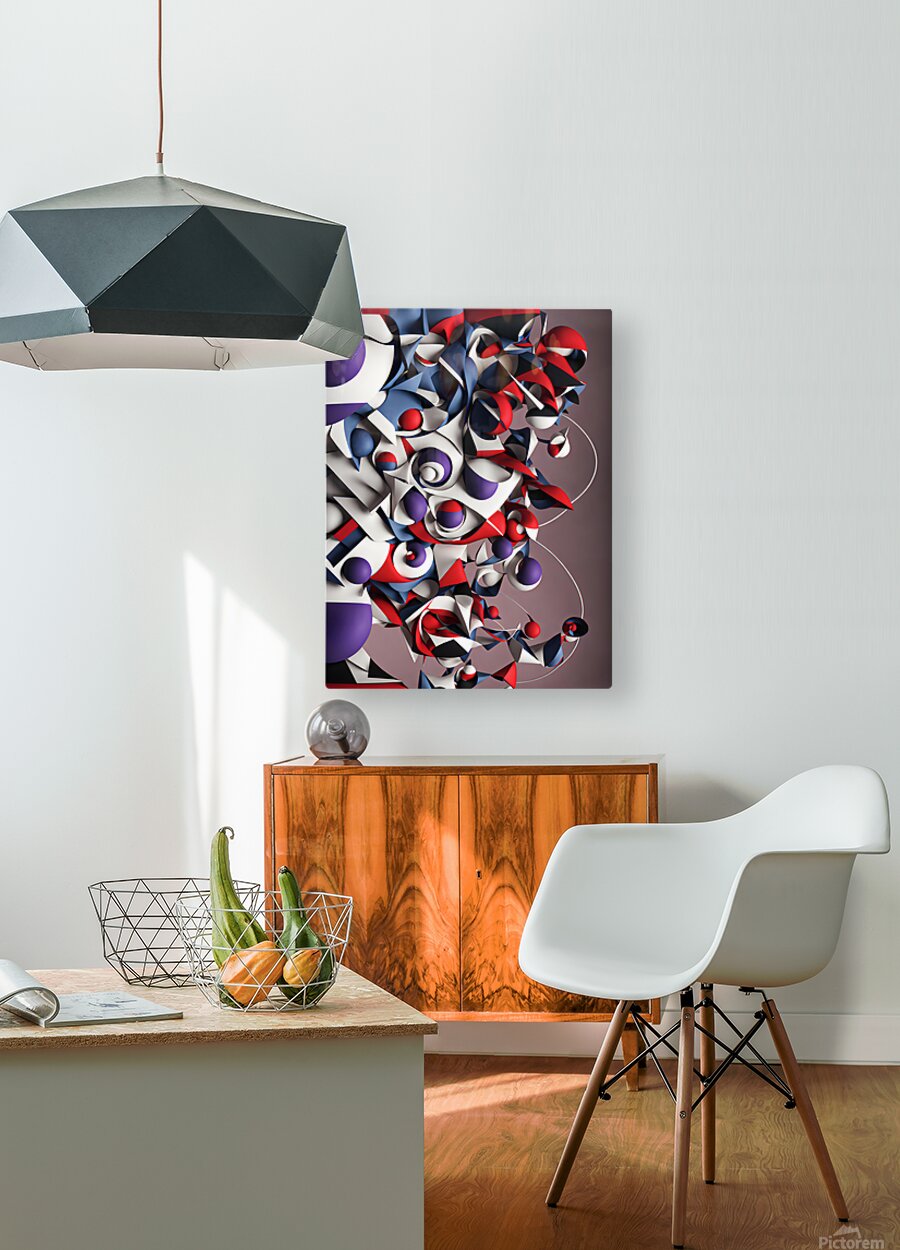
See this artwork on various walls!!!
Wall decor artwork generator Wall decor artwork generator Wall decor artwork generator


A.P.Polo - "Rhino" - Hamburg (Germany). The rhinoceros (Rhinocerotidae), usually abbreviated as rhino, is a family of odd-toed ungulates (Perissodac...[+]


8 Likes
1220 views


Facebook Pinterest Email to a friend


Keywords:
[+] expand
Browse for similar dominant colors:

Giclée Canvas Print

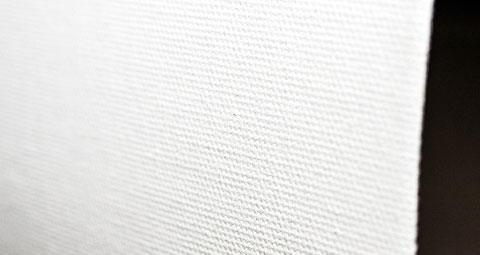
All our stretched Canvas are custom made on a Premium Fine Art Matte Canvas 410g/m2 1.5 Inch Thick wood for a real gallery look     
Giclee printing with Pigment ink designed to meet galleries and museum longevity requirements and ensure consistency of shades 200 years old. [+]

Stretched Canvas Print   We ship in USA & Canada
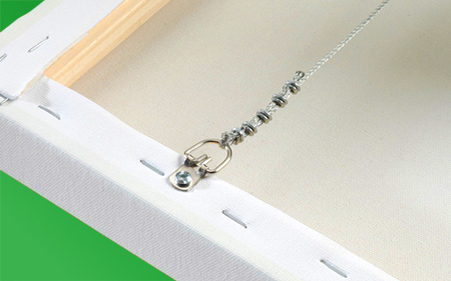
Ready to hang - Stretched on 1.5" inch thick pine wood - Gallery style
23 x 30 inches
59 x 77 cm
Image Preview
$258
27 x 36 inches
69 x 92 cm
Image Preview
$326
32 x 42 inches
82 x 108 cm
Image Preview
$415
36 x 48 inches
92 x 123 cm
Image Preview
$477
41 x 55 inches
105 x 141 cm
Image Preview
$890
45 x 60 inches
115 x 154 cm
Image Preview
$997
54 x 72 inches
138 x 185 cm
Image Preview
$1538

Acrylic Print

360 View
360 View
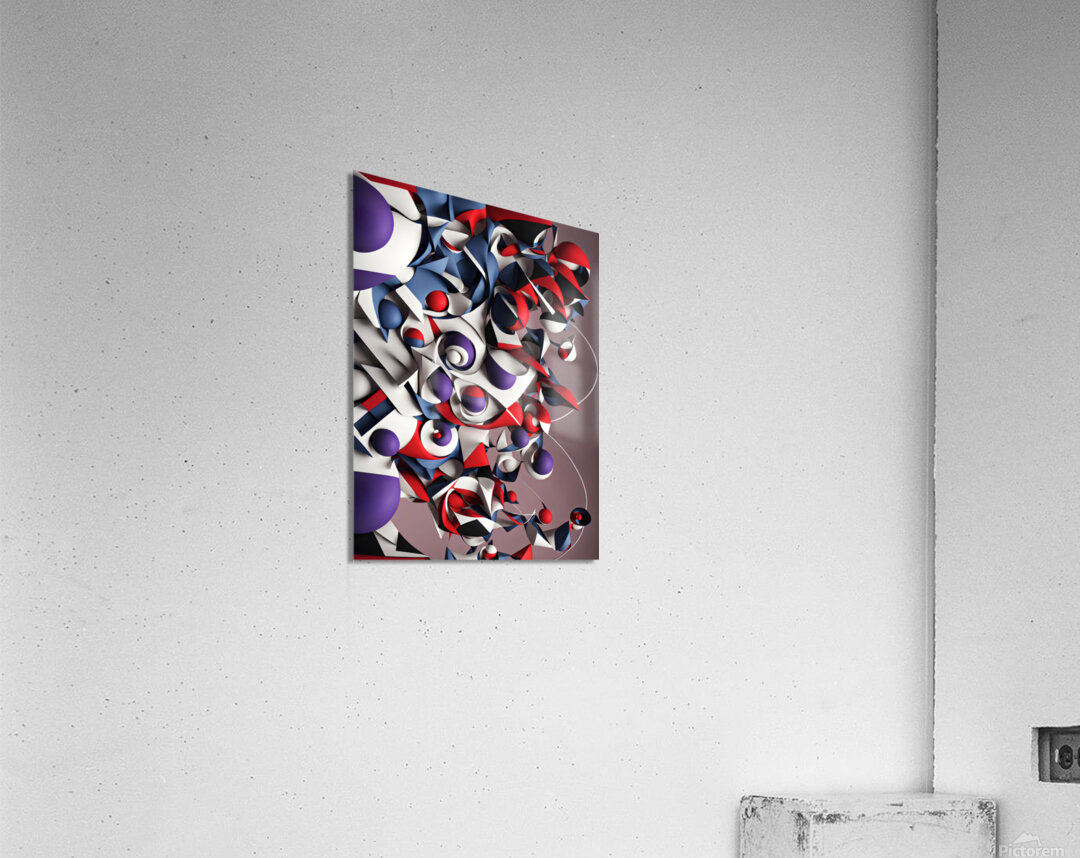
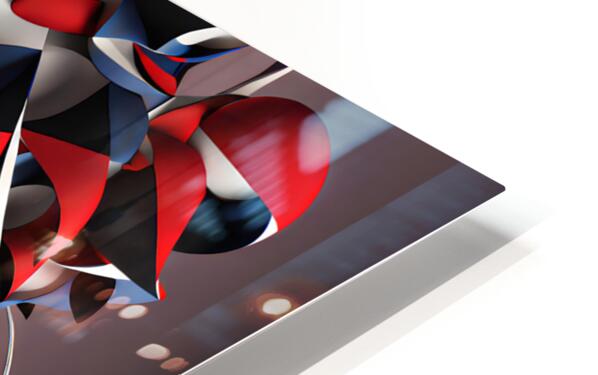
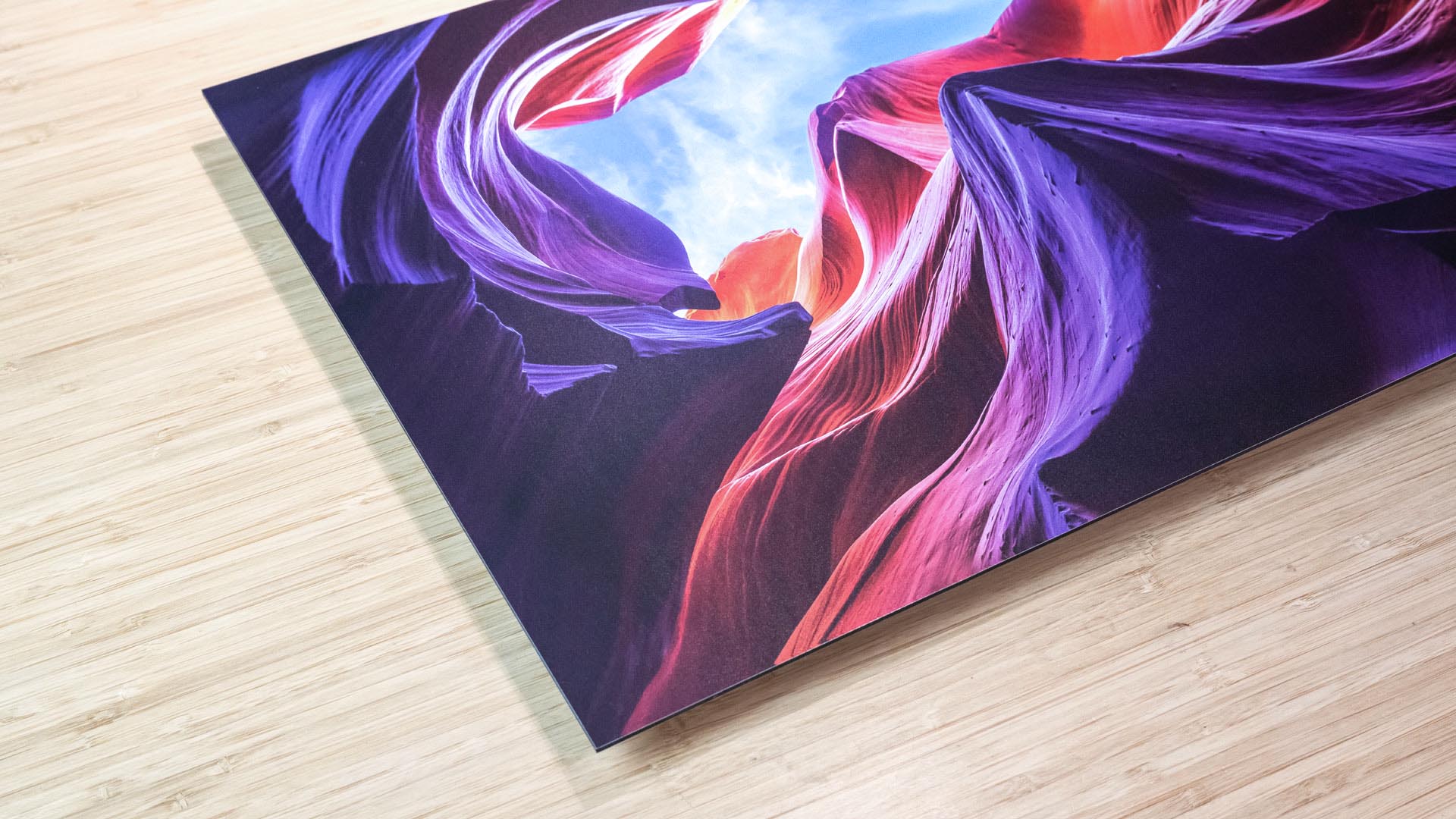
Get a Modern piece of art with this vibrant Acrylic Print.
Fine Art made from a Premium polished, best-in-class, 99.9% optically pure acrylic and the latest Flatbed printing craftmanship.  
Video
[+]

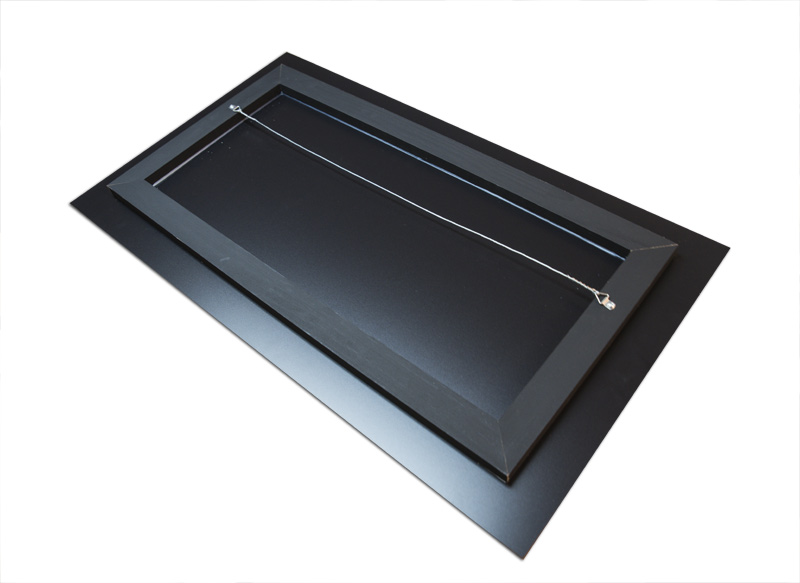
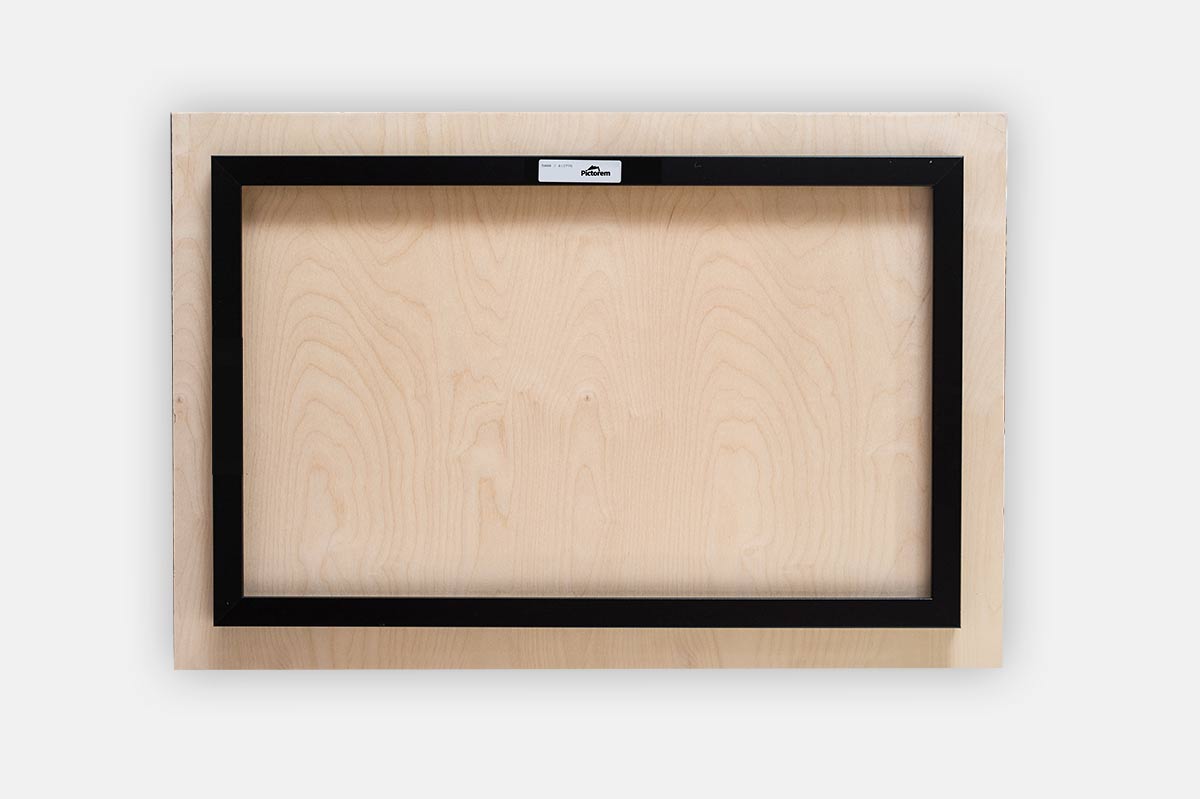
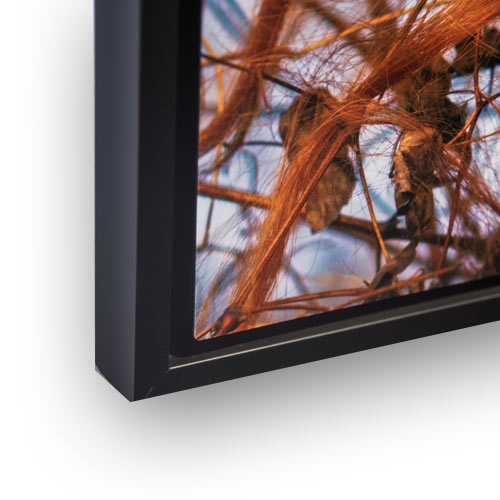
  Acrylic Print with Floating Frame on the back
Printed to the edge & Ready to hang. With a floating frame on the back and hanging wire    
1/8" Thickness:
23 x 30 inches
59 x 77 cm
Image Preview
$422
27 x 36 inches
69 x 92 cm
Image Preview
$559
32 x 42 inches
82 x 108 cm
Image Preview
$738
36 x 48 inches
92 x 123 cm
Image Preview
$924
41 x 55 inches
105 x 141 cm
Image Preview
$1435
45 x 60 inches
115 x 154 cm
Image Preview
$1650
3/16" Thickness:
23 x 30 inches
59 x 77 cm
Image Preview
$559
27 x 36 inches
69 x 92 cm
Image Preview
$732
32 x 42 inches
82 x 108 cm
Image Preview
$960
36 x 48 inches
92 x 123 cm
Image Preview
$1195
41 x 55 inches
105 x 141 cm
Image Preview
$1774
45 x 60 inches
115 x 154 cm
Image Preview
$2046

  Acrylic Print with Stand off
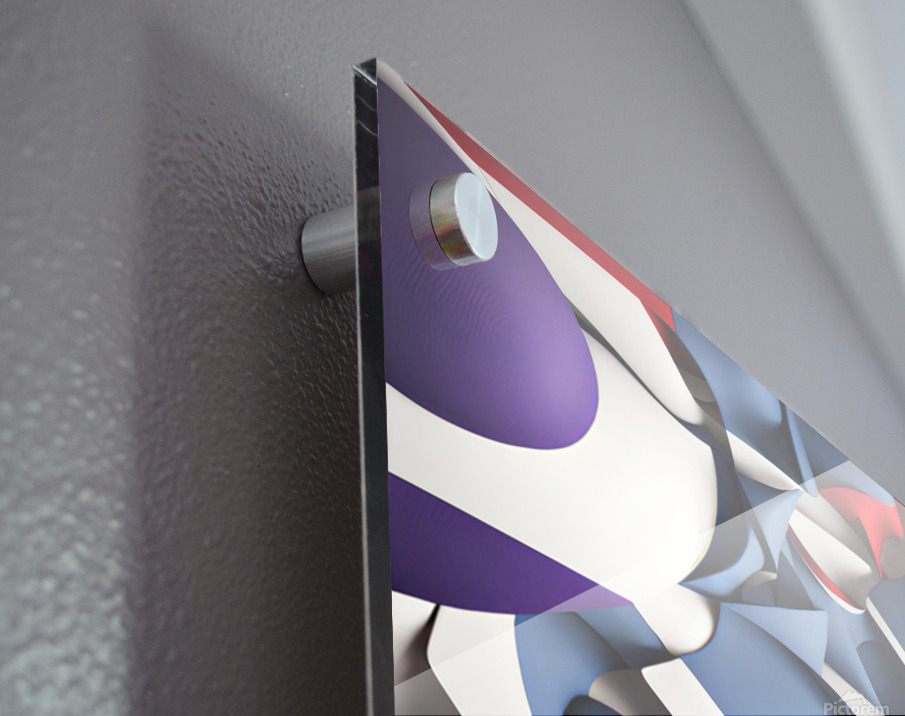
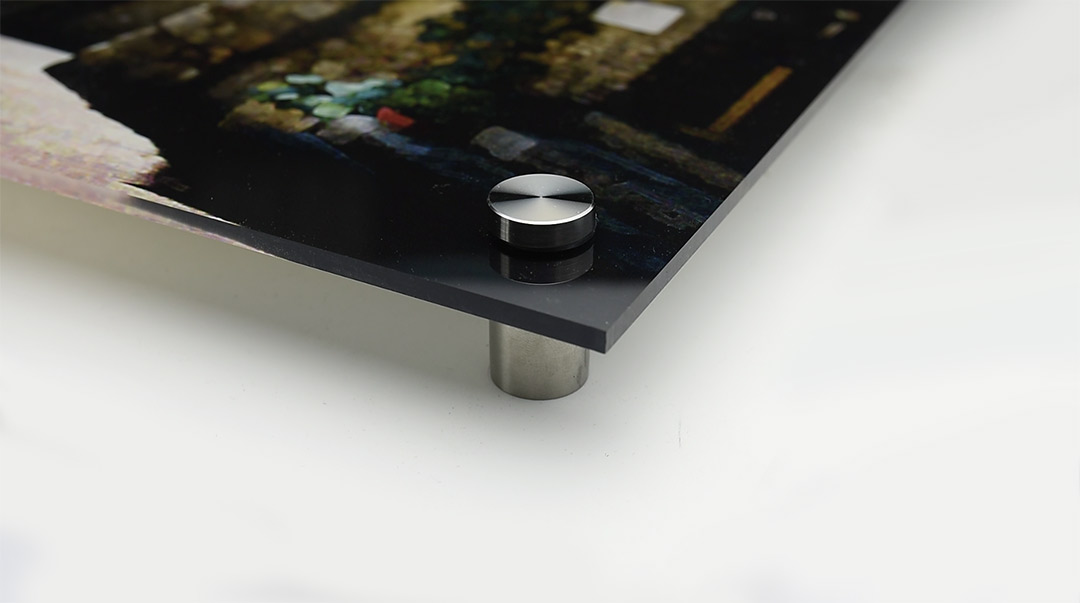
Printed to the edge - Ready to hang - provided with 4 premium polished aluminum stand off ( wall screws and mounting hardware provided )
We suggest a thicker 3/16" acrylic for any size over 42 inches to guarantee a straight acrylic, without curvature
1/8" Thickness:
23 x 30 inches
59 x 77 cm
Image Preview
$422
27 x 36 inches
69 x 92 cm
Image Preview
$559
32 x 42 inches
82 x 108 cm
Image Preview
$738
36 x 48 inches
92 x 123 cm
Image Preview
$924
41 x 55 inches
105 x 141 cm
Image Preview
$1435
45 x 60 inches
115 x 154 cm
Image Preview
$1650
3/16" Thickness:
23 x 30 inches
59 x 77 cm
Image Preview
$559
27 x 36 inches
69 x 92 cm
Image Preview
$732
32 x 42 inches
82 x 108 cm
Image Preview
$960
36 x 48 inches
92 x 123 cm
Image Preview
$1195
41 x 55 inches
105 x 141 cm
Image Preview
$1774
45 x 60 inches
115 x 154 cm
Image Preview
$2046

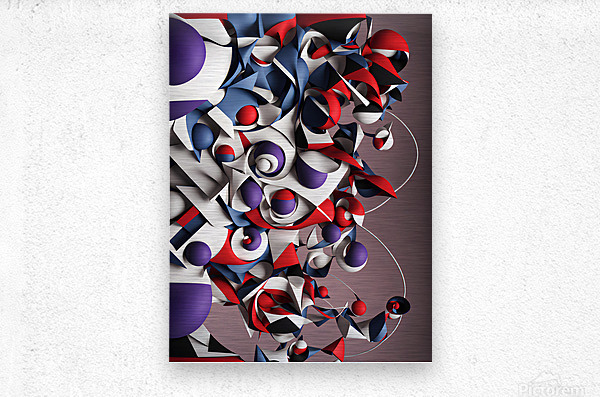
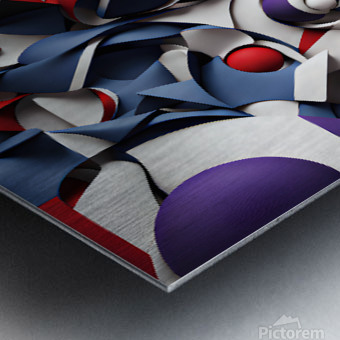
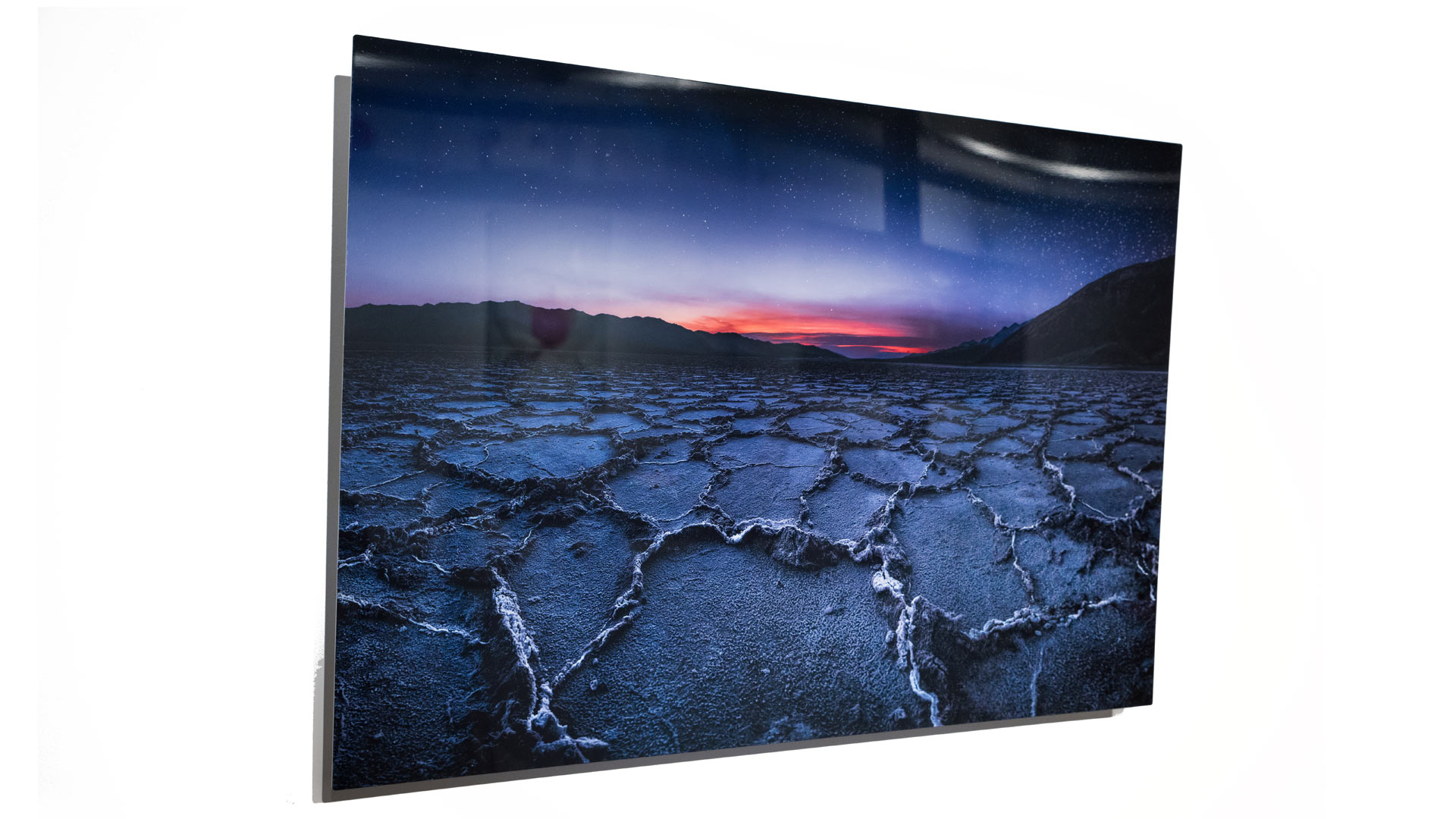
Brushed Metal Print / Smooth White Metal Print


The areas of the photograph that are white or very light are not printed The white areas appear metallic.
Robust, very light and provides an amazing aluminum lighting effect [+]

  Brushed Metal Print with Floating Frame on the back
Printed to the edge & Ready to hang a floating frame and hanging wire 
23 x 30 inches
59 x 77 cm
Image Preview
$400
27 x 36 inches
69 x 92 cm
Image Preview
$529
32 x 42 inches
82 x 108 cm
Image Preview
$700
36 x 48 inches
92 x 123 cm
Image Preview
$876
41 x 55 inches
105 x 141 cm
Image Preview
$1375
45 x 60 inches
115 x 154 cm
Image Preview
$1579

  Brushed Metal Print with Stand off
Printed to the edge - Ready to hang - provided with 4 premium polished aluminum stand off ( wall screws and mounting hardware provided )
23 x 30 inches
59 x 77 cm
Image Preview
$400
27 x 36 inches
69 x 92 cm
Image Preview
$529
32 x 42 inches
82 x 108 cm
Image Preview
$700
36 x 48 inches
92 x 123 cm
Image Preview
$876
41 x 55 inches
105 x 141 cm
Image Preview
$1375
45 x 60 inches
115 x 154 cm
Image Preview
$1579

Direct print on metal to provide a white smooth satin finish with controlled light reflection.
Robust, very light and provides a Matte effect [+]  


  White Metal Print with Floating Frame on the back
Printed to the edge & Ready to hang a floating frame and hanging wire 
23 x 30 inches
59 x 77 cm
Image Preview
$400
27 x 36 inches
69 x 92 cm
Image Preview
$529
32 x 42 inches
82 x 108 cm
Image Preview
$700
36 x 48 inches
92 x 123 cm
Image Preview
$876
41 x 55 inches
105 x 141 cm
Image Preview
$1375
45 x 60 inches
115 x 154 cm
Image Preview
$1579

  White Metal Print with Stand off
Printed to the edge - Ready to hang - provided with 4 premium polished aluminum stand off ( wall screws and mounting hardware provided )
23 x 30 inches
59 x 77 cm
Image Preview
$400
27 x 36 inches
69 x 92 cm
Image Preview
$529
32 x 42 inches
82 x 108 cm
Image Preview
$700
36 x 48 inches
92 x 123 cm
Image Preview
$876
41 x 55 inches
105 x 141 cm
Image Preview
$1375
45 x 60 inches
115 x 154 cm
Image Preview
$1579

HD ChromaLuxe Sublimation High-Gloss Metal Print


Color brilliance, superior durability and archival qualities
This artwork is produced on a dye sublimation Chromaluxe high-definition metal panel  
Video
[+]

  Sublimation Hi-Gloss White Metal Print with Back frame
Printed to the edge & Ready to hang a floating frame and hanging wire 
23 x 30 inches
59 x 77 cm
Image Preview
$535
27 x 36 inches
69 x 92 cm
Image Preview
$722
32 x 42 inches
82 x 108 cm
Image Preview
$967
36 x 48 inches
92 x 123 cm
Image Preview
$1221

  Sublimation Hi-Gloss White Metal Print with Decorating Floating Moulding (Black)
Inside a decorating frame (Box) - Black Floating Frame
23 x 30 inches
59 x 77 cm
Image Preview
$643
27 x 36 inches
69 x 92 cm
Image Preview
$857
32 x 42 inches
82 x 108 cm
Image Preview
$1132
36 x 48 inches
92 x 123 cm
Image Preview
$1412

Wood Print

360 View
A.P.Polo - Rhino  Wood print
A.P.Polo - Rhino Wood print

Printed with UV cured inks providing an incredible high quality printed image which is scratch resistant with colors that will not fade overtime.
White and lighter areas are not printed on the wood, revealing the beauty of the wood’s texture and natural beauty!
Printed on 3/8" (9mm) thick and strong and durable Russian Birch wood which is ready to hang and enjoy! [+]

Wood Print with Back Frame Mount
Printed to the edge & Ready to hang a floating frame  
Video
[+]
23 x 30 inches
59 x 77 cm
Image Preview
$370
27 x 36 inches
69 x 92 cm
Image Preview
$488
32 x 42 inches
82 x 108 cm
Image Preview
$645
36 x 48 inches
92 x 123 cm
Image Preview
$806
41 x 55 inches
105 x 141 cm
Image Preview
$1284
45 x 60 inches
115 x 154 cm
Image Preview
$1471

Roll Print

We ship worldwide

Mural Print

Easy to Install. Washable & Repositionable Self-Adhesive Vinyl [+]
Video
To get your mural price, enter your wall measurement:

INCH FOOT CM
Width: in.
Heigth: in.
Width: ft in
Heigth: ft in
Width: cm
Heigth: cm


Our 10 Color Technology
Our wall murals are produced on printers with Outstanding photographic print quality & durability Extreme image resolution : photographic image quality with the largest color gamut in its class

Easy to Install
Our Wall Mural Print is removable without any damage to your walls. Easy to change or remove. We are using a premium 6 mil auto-adhesive vinyl with a subtile linen-cotton canvas texture.
Change the look and feel of a room without the hassle of traditional wallpaper. Our wall murals print are the perfect solution to easily enhance any residential or commercial space alike!

Repositionable self-adhesive vinyl delivered in strip of 35 to 45 inches of width and slightly overlap for easy installation.
[More info about our Mural prints]

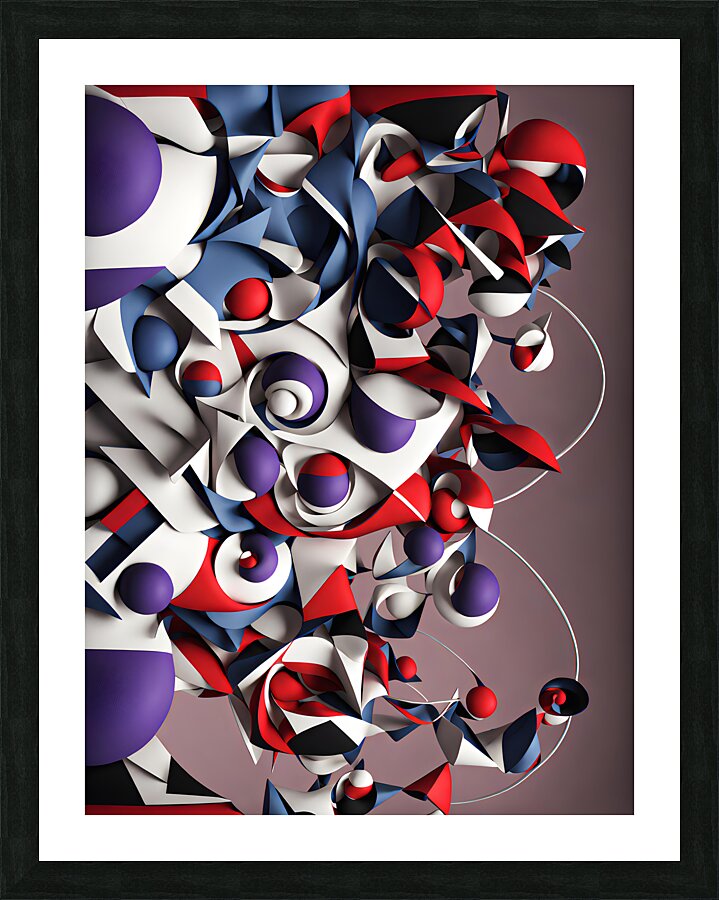
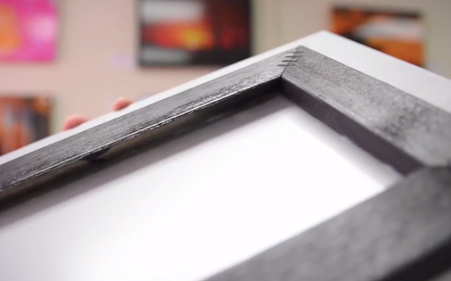
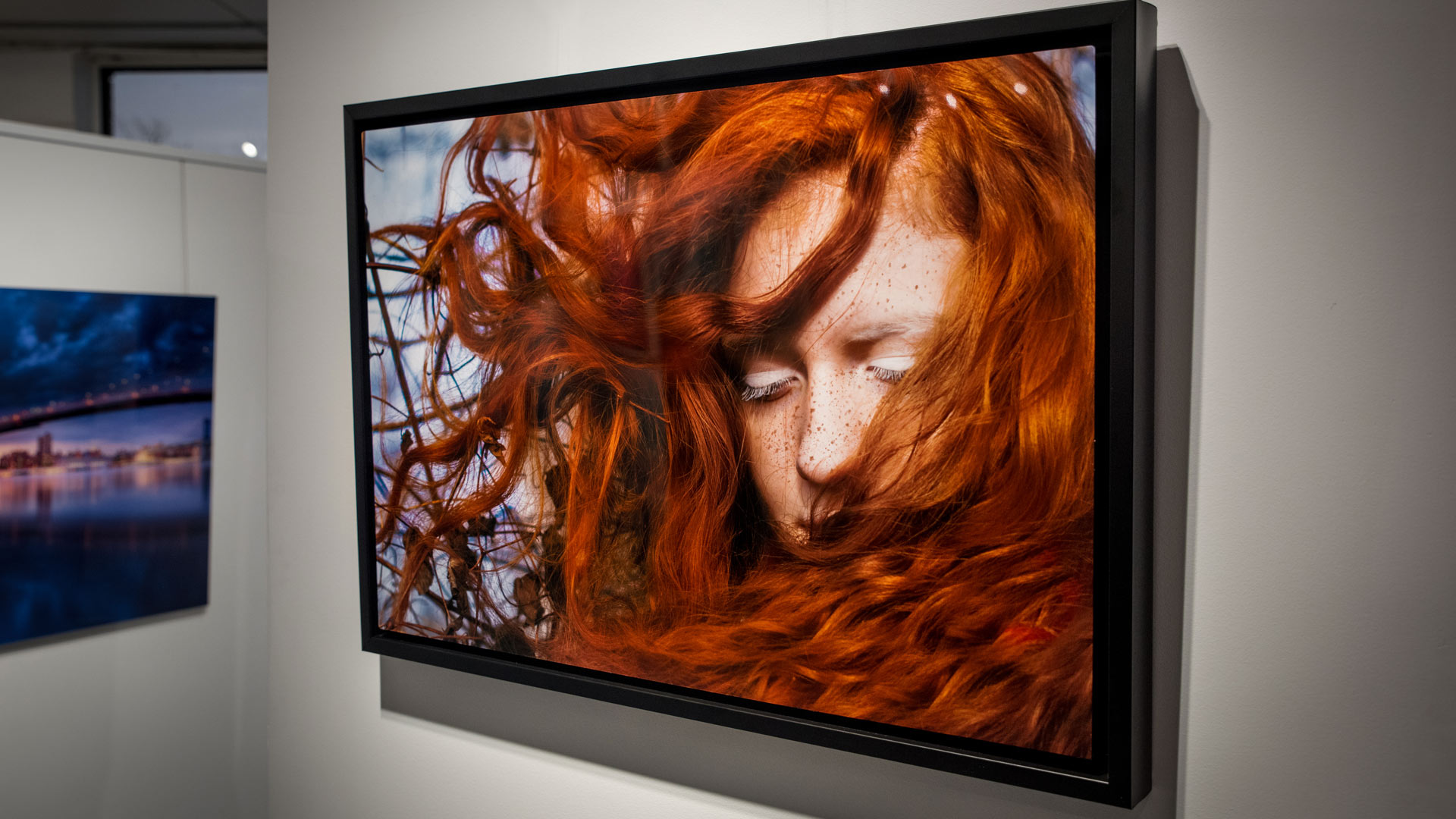
Custom Framed print View 3D

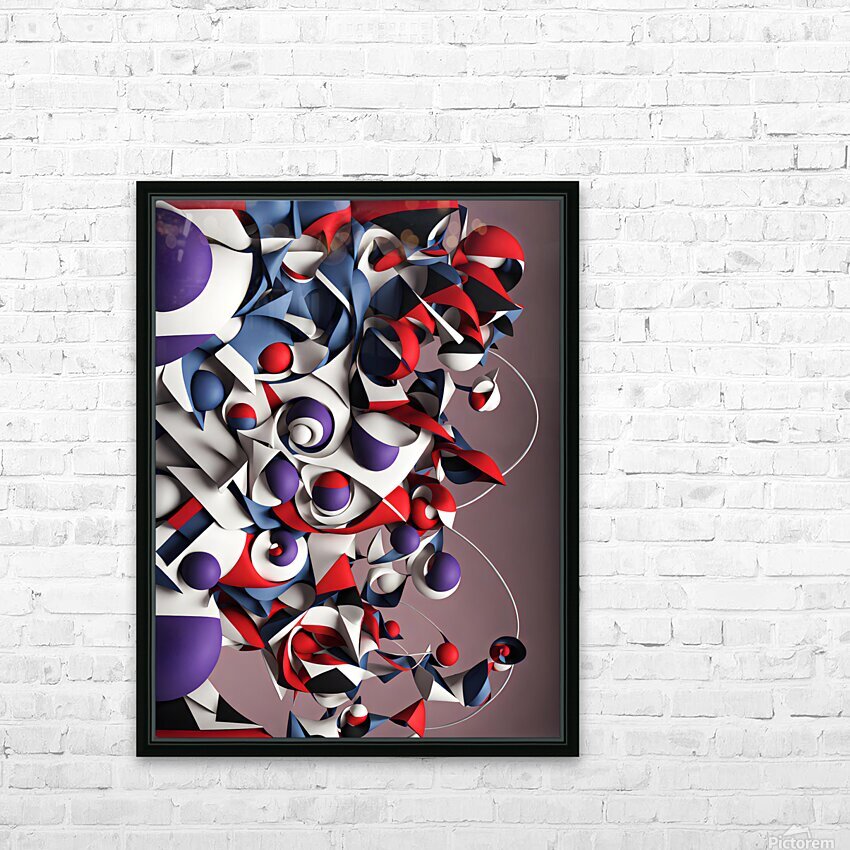
Get this artwork "A.P.Polo - Rhino" in a framed print.
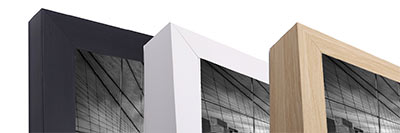
Fully customizable - at the exact size you want. Select paper type, glass, matte and decorating frame
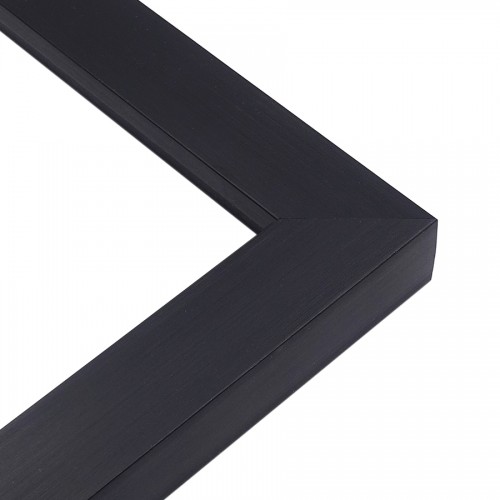
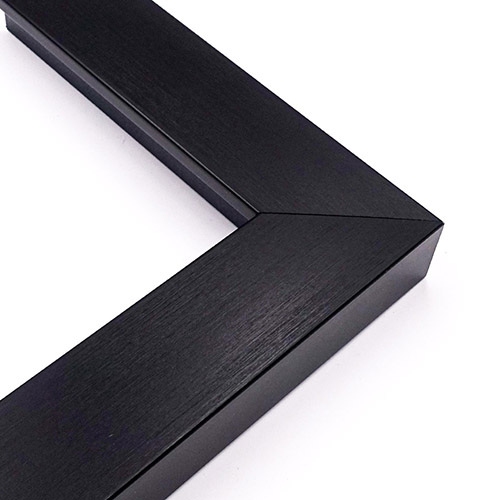
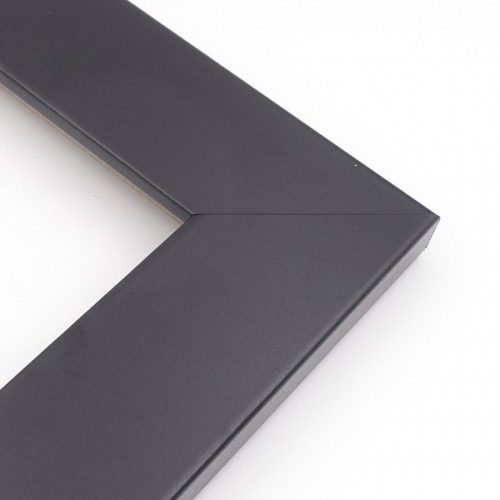
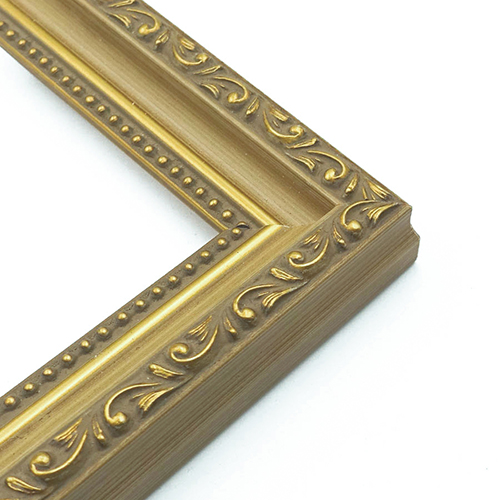
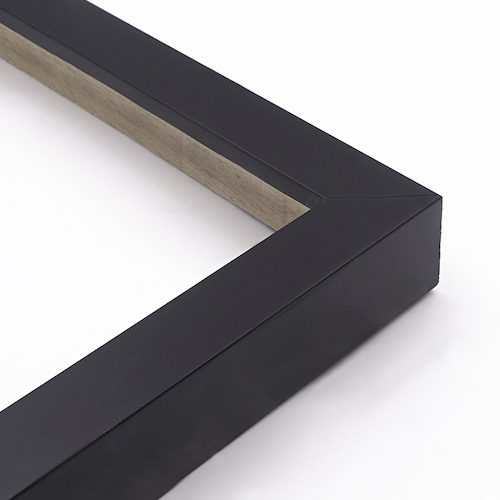
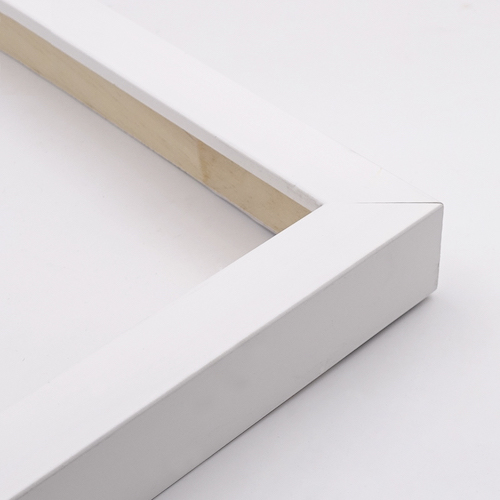
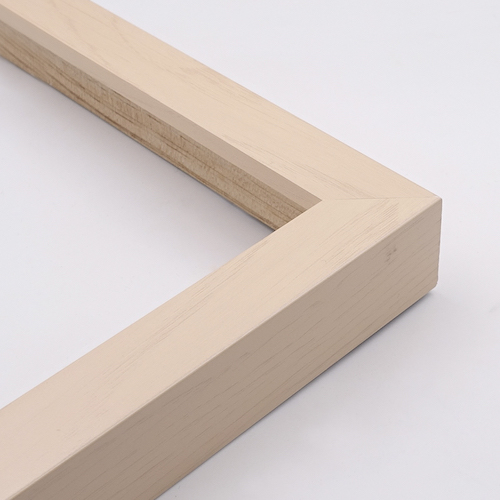
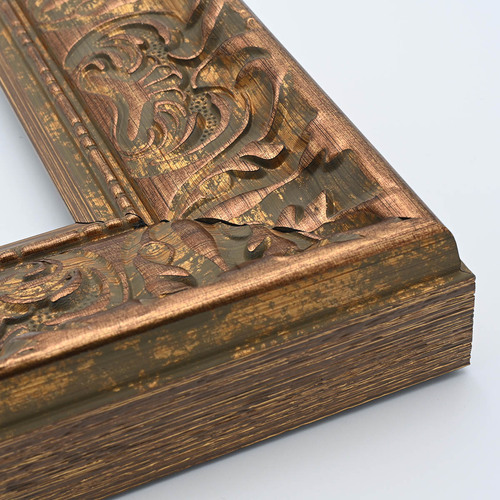
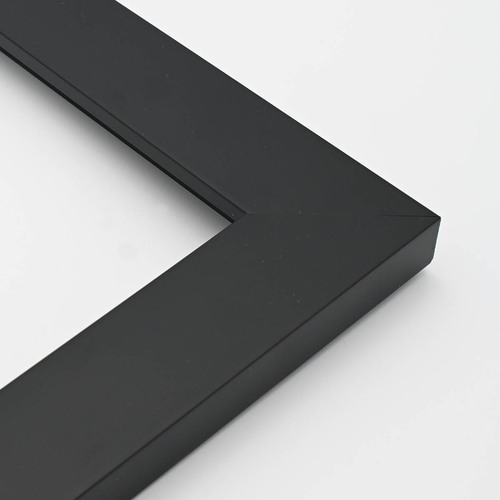
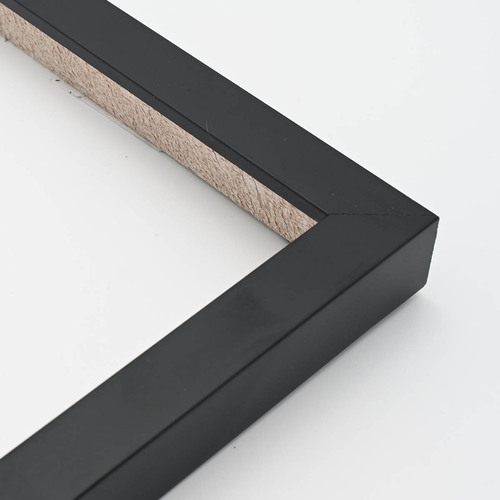
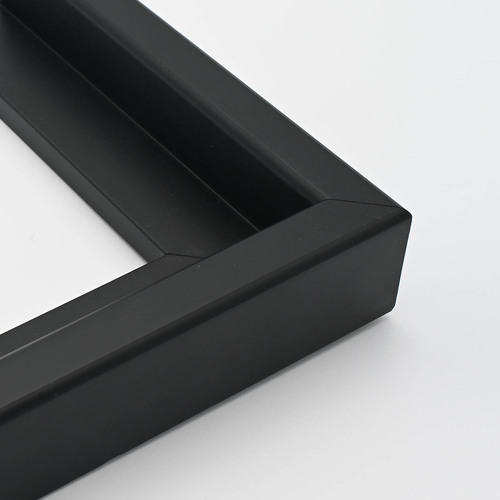
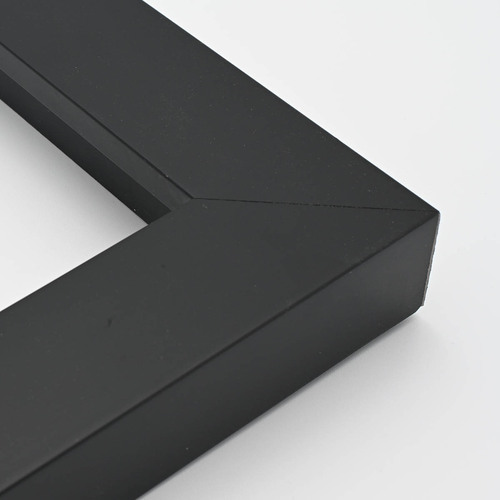
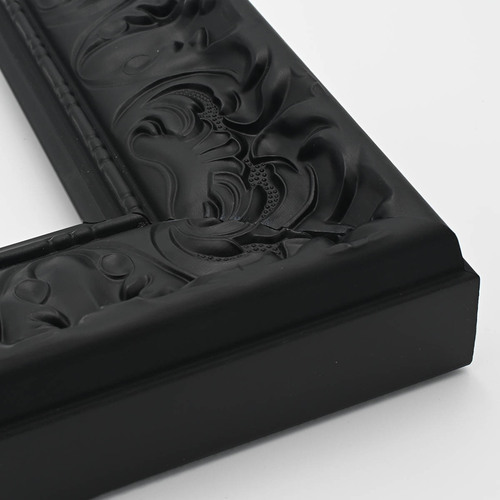
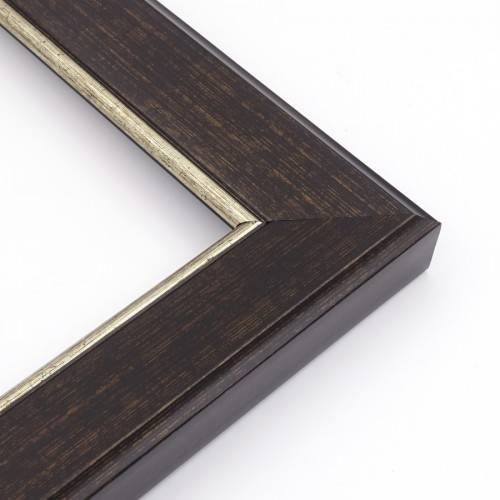
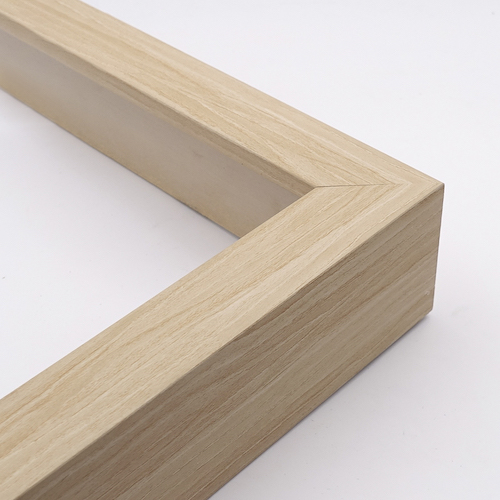
Start building your custom framed print by selecting one the following moulding:
A.P.Polo - Rhino Picture Frame Printing
Frame model shown: 832-745

Moulding  Frame
Moulding  Frame
Moulding  Frame
Moulding  Frame
Moulding  Frame
Moulding  Frame
Moulding  Frame
Moulding  Frame
Moulding  Frame

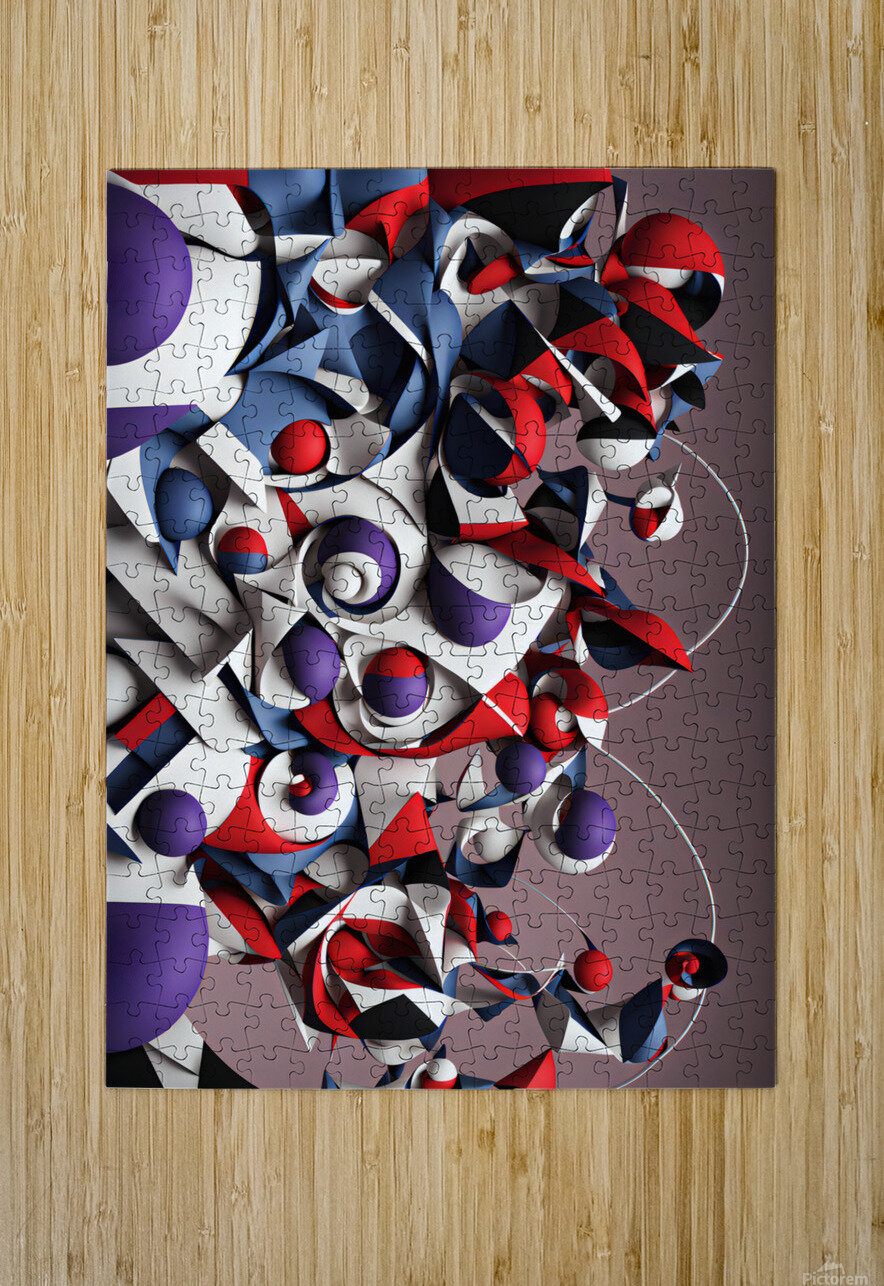
Sublimation High-Gloss Jigsaw Puzzle Print

A.P.Polo - Rhino A P Polo Puzzle printing
A.P.Polo - Rhino A P Polo Puzzle

Precisely produced by HD Sublimation Process & Protected by a high-gloss varnish.
Unlike traditional printing — This artwork is produced with by sublimation print. We utilize heat and pressure to transfer images directly into the surface of the Puzzle, bonding your image to the substrate at the molecular level.  
Video
[+]


120 pcs 11 x 8 inches Puzzle High Gloss  
20 x 28 cm
$54
315 pcs 17 x 12 inches Puzzle High Gloss  
30 x 42 cm
$65
500 pcs 21 x 15 inches Puzzle High Gloss  
40 x 54 cm
$78
1000 pcs 27 x 17.50 inches Puzzle High Gloss  
45 x 69 cm
$91
1500 pcs 36 x 24 inches Puzzle High Gloss  
61 x 91 cm
$120

Wall Clock

Product details

This artwork is Made with high-quality acrylic Ready to hang.   
Video

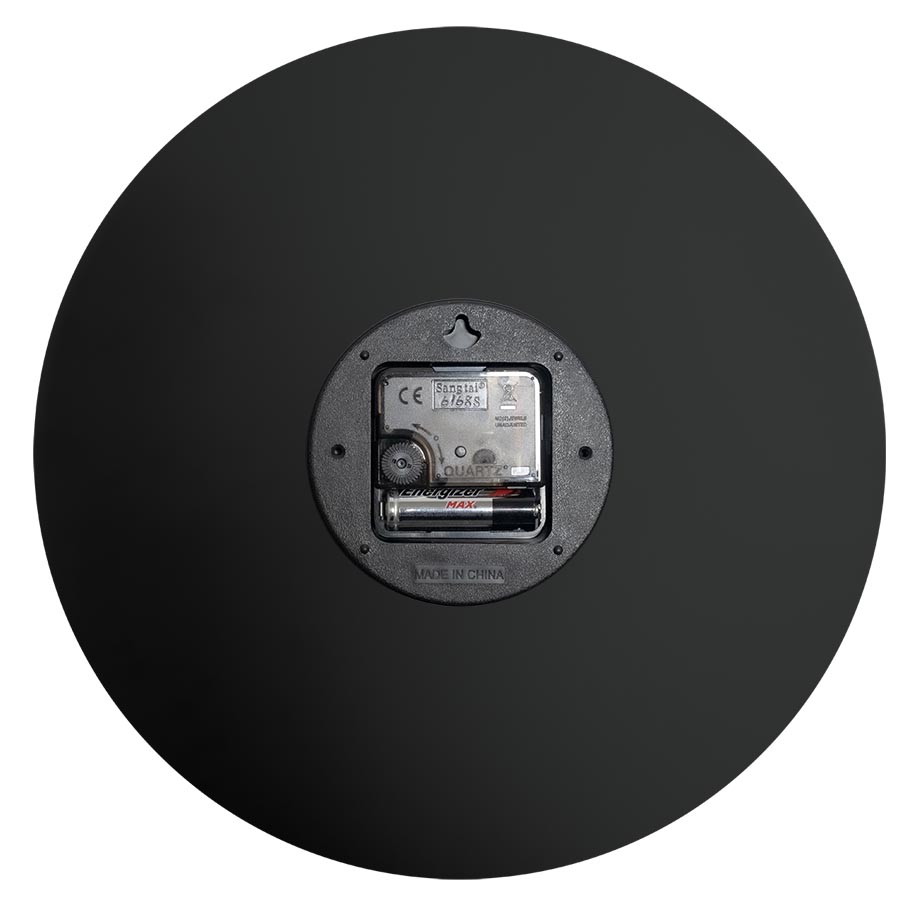
Clock mechanism with a Precise quartz movement. Battery included
Available in Square or Round format
Available in 12" 16" 24" sizes

Build yours

Digital Download

File resolution: 4096 x 5440 pixels


ABOUT THIS ARTWORK: A.P.POLO - RHINO
A.P.Polo - "Rhino" - Hamburg (Germany). The rhinoceros (Rhinocerotidae), usually abbreviated as rhino, is a family of odd-toed ungulates (Perissodactyla) with five species still living today. They are characterised by a strong body and short limbs with three toes as well as a large head, which in all living representatives today has a distinctive formation consisting of one or two horns, which give the family its name. The family is one of the most diverse and successful in the history of mammals and was spread over large parts of Eurasia, Africa and North America during its evolutionary history, which began almost 50 million years ago. Their decline began at the end of the Miocene around 6 to 5 million years ago in connection with climatic and associated landscape changes, which led to the extinction of the North American and numerous other rhinoceros representatives in their original distribution area. Towards the end of the Pleistocene, there was another extinction phase during which all northern Eurasian representatives disappeared. The rhinoceros species that still exist today are the white and black rhinoceros in sub-Saharan Africa and the armoured, Java and Sumatran rhinoceros in south to south-eastern Asia, some of which have seen their populations dwindle again due to habitat destruction and poaching. Rhinoceroses are large to very large mammals. The representatives living today have a head-torso length of between 2.5 and 3.8 metres (plus a 40 to 60 cm long tail) with shoulder heights varying from 1.2 to 1.8 metres and a body weight fluctuating between 500 and 3,600 kg. The largest rhinoceros species living today is the white rhinoceros (Ceratotherium simum). However, much larger species were found in fossilised form. For example, some representatives of Elasmotherium and Brachypotherium each reached a body weight of more than 5,000 kg. In general, rhinoceroses have a massive body with a large head and short, strong legs. Each foot has three toes, each ending in broad hooves. The skin is thick and grey or brown in colour. In the Asian species, the skin at the base of the neck and legs is heavily folded, giving the animals the appearance of being armoured. Most modern rhinoceroses are hairless, with the exception of the tips of the ears and the ends of the tail. However, the Sumatran rhinoceros (Dicerorhinus sumatrensis) still has a fairly dense coat in places. The fossil woolly rhinoceros (Coelodonta antiquitatis) has been shown to have a very dense coat by carcasses preserved in the permafrost of Siberia, and this is sometimes assumed for other extinct rhinoceros species. Furthermore, rhinoceroses have poor eyesight, but this disadvantage is compensated for by a keen sense of smell and very good hearing. An essential, visually striking and name-giving feature of rhinoceroses are their horns. Depending on the species, recent representatives have one or two horns. The Asian armoured rhinoceros (Rhinoceros unicornis) and the Java rhinoceros (Rhinoceros sondaicus), for example, only have one front horn (nasal horn), which grows from the nasal bone. The African white and black rhinoceros (Diceros bicornis) and the Asian Sumatran rhinoceros, on the other hand, have two horns, with the nasal horn also sitting on the nose and the rear (frontal) horn growing on the frontal bone. In extinct rhinoceros species, the horns can usually only be recognised by the attachment points on the skull. For example, representatives of the genus Elasmotherium only had one horn on the forehead, while those of Diceratherium had two nasal horns and those of Aceratherium probably had none at all. The horn consists of agglutinated keratin, a fibrillar protein that is also found in hair, and despite its firmness contains neither bone substance nor, as is sometimes erroneously claimed, ivory. It is made up of numerous long thread-like strands, called horn columns or filaments, the spaces between which are solidified with horn substance. These filaments run through the entire length of the horn, but taper considerably towards the top. The core of the horn is much firmer and usually black in colour, becoming much more fibrous towards the outside. Fossilised horns have so far only been preserved from woolly rhinoceroses, but in principle they have the same structure as recent horns. The horn wears down continuously over time by rubbing against the ground or stones, and can also break off during fights with conspecifics or as a result of traumatic experiences, but it grows back throughout the animal's life. The largest horn known to date measured 1.58 metres across the front curvature. In terms of their body size and habitus, rhinoceroses are among the most impressive land-living mammals and have therefore found their way into human art and culture, especially in hunter-gatherer populations. The earliest known depictions of rhinoceroses can be found in the West Eurasian Upper Palaeolithic (40,000 to 10,000 years ago) and are at least 31,000 years old. The paintings of the Franco-Cantabrian cave art, where rhinoceroses were depicted in more than half a dozen caves with over 80 depictions, should be emphasised here. They are most frequently found in the Grotte Chauvet (France) with 65 drawings, some in red or black colour pigments; one panneau alone contains 17 depictions of an animal probably in motion. Furthermore, images and depictions of rhinoceroses in the form of bone or stone carvings, but also clay figurines modelled as small statuettes, which are among the oldest ceramic objects in the world, can also be found in Europe outside this cultural area in mobile Upper Palaeolithic small-scale art. Today, all of these artefacts are interpreted as depictions of the woolly rhinoceros, which lived in the cold steppes of northern Eurasia at that time. Prehistoric hunter-gatherer communities in other parts of the world also depicted rhinos. In South Asia there are numerous paintings in caves and ruins, which in this case depict the Indian rhinoceros. These are assigned to the local Mesolithic and are between 12,000 and 7,000 years old. Important and among the oldest in this region are those from Marodeo Rock near Pachmarhi in the Indian state of Madhya Pradesh or a hunting scene depicted near Mirzapur in the Indian state of Uttar Pradesh. Numerous rock drawings and engravings of both white and black rhinos are known from large areas of southern Africa, which are predominantly assigned to the Khoisan population groups and can be up to 14,000 years old, but some are also significantly younger. These are sometimes very numerous, although in some areas there are more engravings than drawings. More than 500 depictions have survived in the South African provinces of Northern Cape, North West and Free State alone. As humans become more sedentary, depictions of rhinos are rapidly declining. Depictions of animals on seals of the Indus Culture are known from the Copper Age, and they can also be found occasionally as relief depictions in Ancient Egypt. Also noteworthy are relief figures of one-horned rhinoceros on temple friezes in Angkor Vat (Cambodia), which date from the 12th century and are among the few depictions of the Javan rhinoceros due to their historical distribution area. The “Golden Rhinoceros” from the “Original Gold Grave” from Mapungubwe Hill in the South African province of Limpopo has a high cultural significance for southern Africa. The archaeological site complex was constructed by local tribes in the 11th to 13th centuries and excavated in the 1920s to 1930s. Outstanding for European art history are the widespread woodcut Rhinocerus by Albrecht Dürer from 1515, created after only indirect reports of an Indian rhinoceros in Portugal, and the oil painting Rhinoceros Clara by Jean-Baptiste Oudry from 1749. Due to several factors - enormous size, slow growth, territorial solitary nature, few offspring in human care - the rhinos living today are non-domesticable wild animals. As a result, the importance of the animal group for today's humans as a source of food and raw materials is relatively low, but there is a great demand for rhino horns in Asia. These are traditionally used in the Middle East, especially in northern Yemen, for the handles of the jambia dagger, which serves as a status symbol. In East Asia, however, they are part of handcrafted carvings and traditional Chinese medicine. In the latter case, the horns are used, especially in powdered form, as a medicine against fever and pain; their often assumed use as an aphrodisiac is not historically proven. Largely because of this market, rhinos are threatened with extinction due to the associated poaching. In 2012, between 30,000 and 65,000 US dollars were traded on the black market for each kilogram of horn; in the period from 1993 to 2009 the value was around 4,700 to 5,000 US dollars per kilogram. Due to the high demand for horn from East Asia, not only has the number of wild rhinos killed by poaching increased in recent years, especially in southern Africa, but there has also been an increase in thefts from museums, collections and auction houses and the associated smuggling. However, several tests carried out by the pharmaceutical industry and life science research institutes did not show any medical effects. However, there were always rumors about miraculous healings, so demand last increased sharply in 2009. Other reasons for the threat to today's rhino species include the destruction of habitats through agriculture or the construction of transport routes, but also the expansion of human settlements right up to the borders of the protected areas. Due to the increasing number of rhinos killed by poachers in southern Africa (almost 800 rhinos in 2013), new countermeasures were introduced in 2013 in addition to armed game wardens, dehorning of wild animals or relocation of individual individuals or smaller populations. These include, among other things, injecting antiparasitic drugs into the horns, mainly drugs against external parasites, which are harmless to the rhinos in normal use, but cause nausea or convulsions in humans and thus make the horns unusable for the traditional Chinese medicine market. Another method is to mark the horns with dyes that turn their interior red or pink. This is intended to help track international trade in illegally captured horns, as these can also be detected by scanners at airports, similar to banknotes marked using a similar process. Environmentalists have so far viewed these procedures with skepticism, on the one hand because a few rhinos have died during the procedure, and on the other hand because hardly any scientific research has been carried out on the new measures and the associated potential health risks for the treated animals. Furthermore, they can only pretend that rhino populations are more secure, since poaching decreased in individual protected areas with animals treated in this way, but a large proportion of the animals had left due to pressure from poaching. This cannot rule out a shift in hunting pressure.


Ships in Continental USA & Canada (Free shipping)

Report this artwork
Print One Plant One
One tree planted for every print.  Pictorem supports Trees for the Future, a 501(c)3 non-profit organization, that operates an agroforesty program to restore trees to degraded lands by working with smallholder farmers.

CREATE ACCOUNT

FORGOT YOUR USER ACCOUNT DETAILS?

TOP