Chargement en cours…
ON GÉNÈRE L’IMAGE. VEUILLEZ PATIENTER …

J’aime ça
ÉDITION LIMITÉE de 50

# 333456

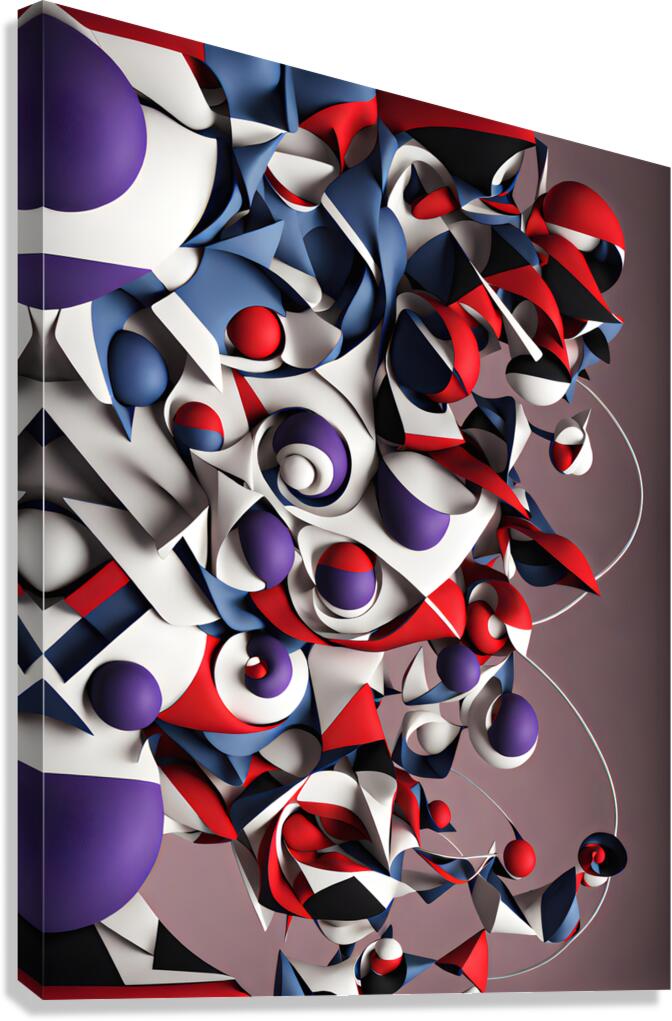
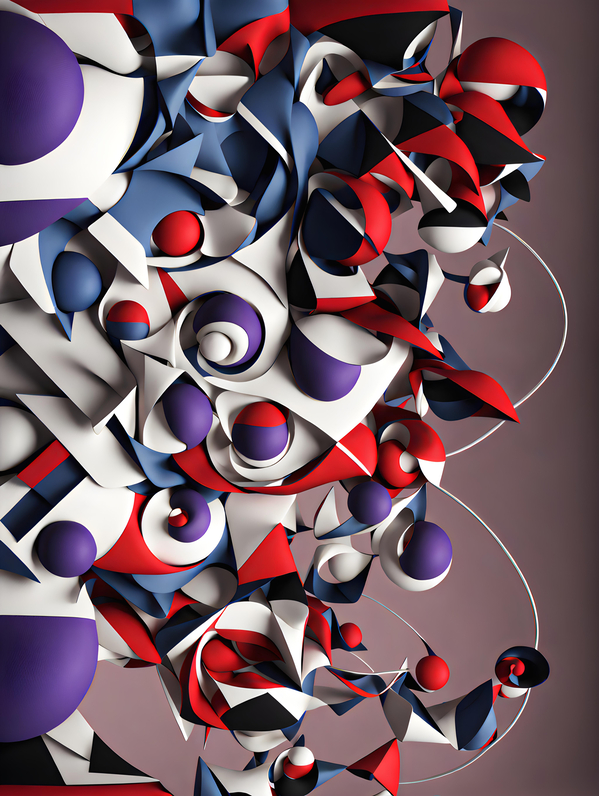
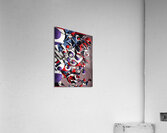
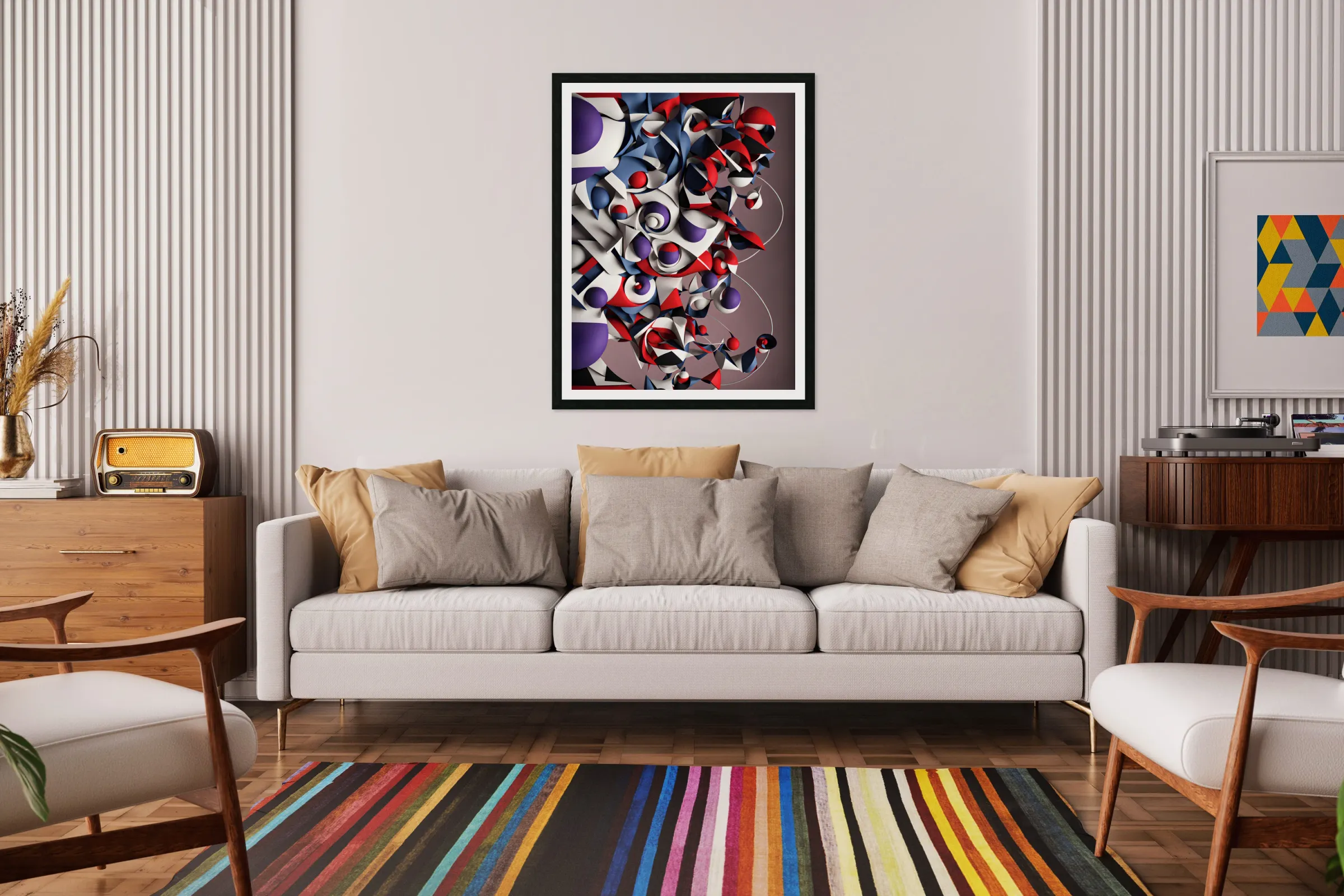
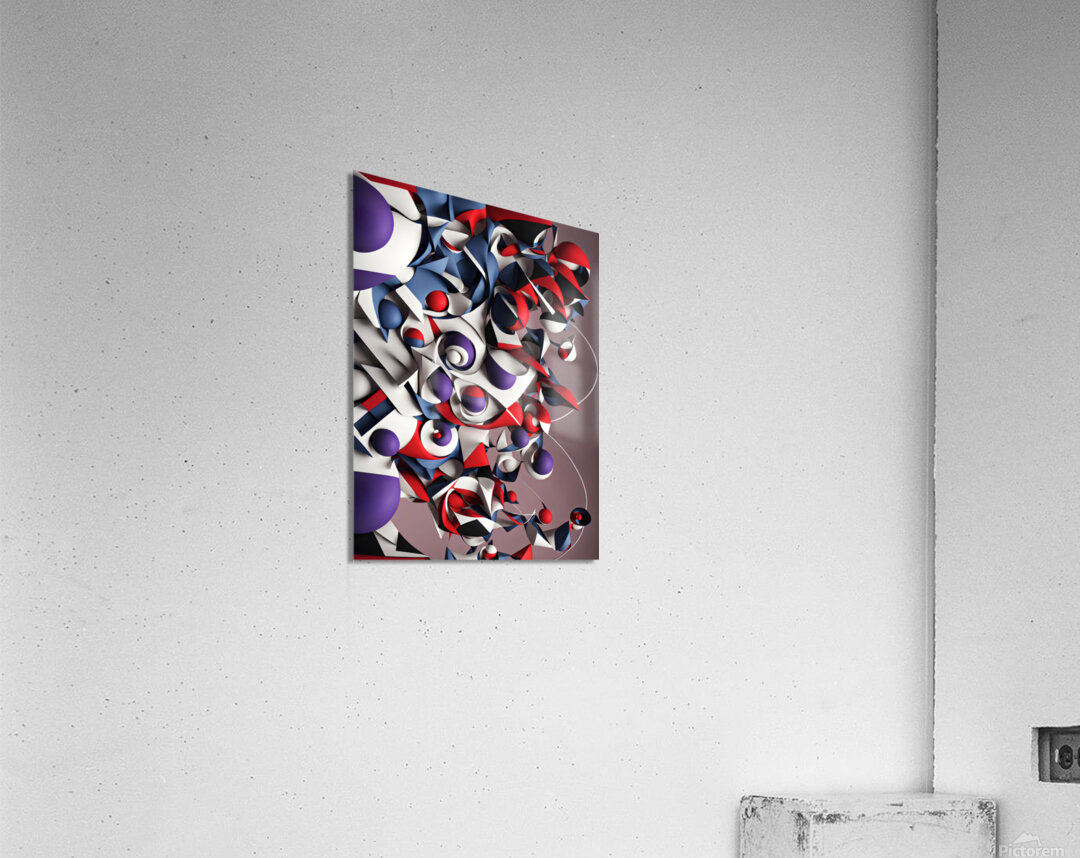
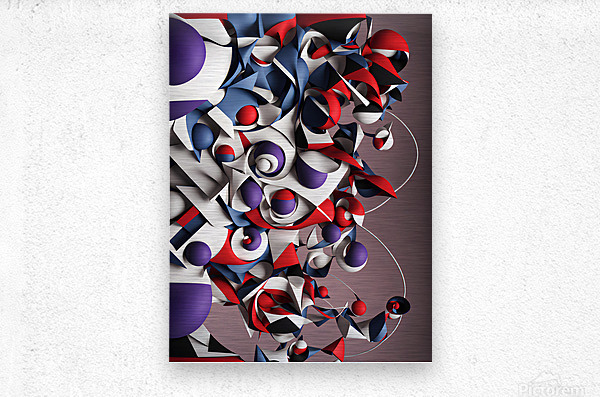
A.P.POLO - RHINO


Disponible sur:
ÉDITION LIMITÉE of 50
Pictorem Reviews 4.8 Average Rating by 126.6k clients
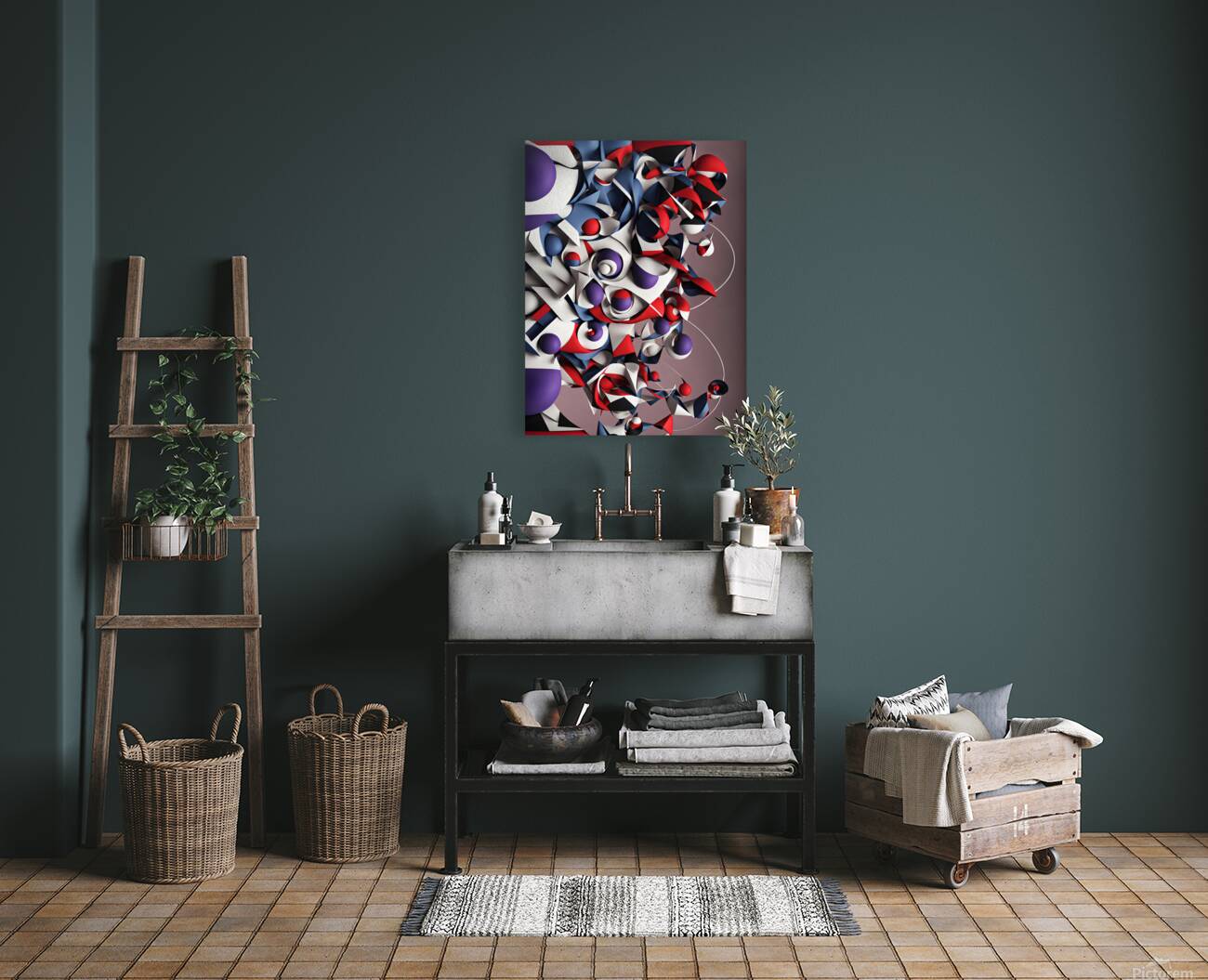
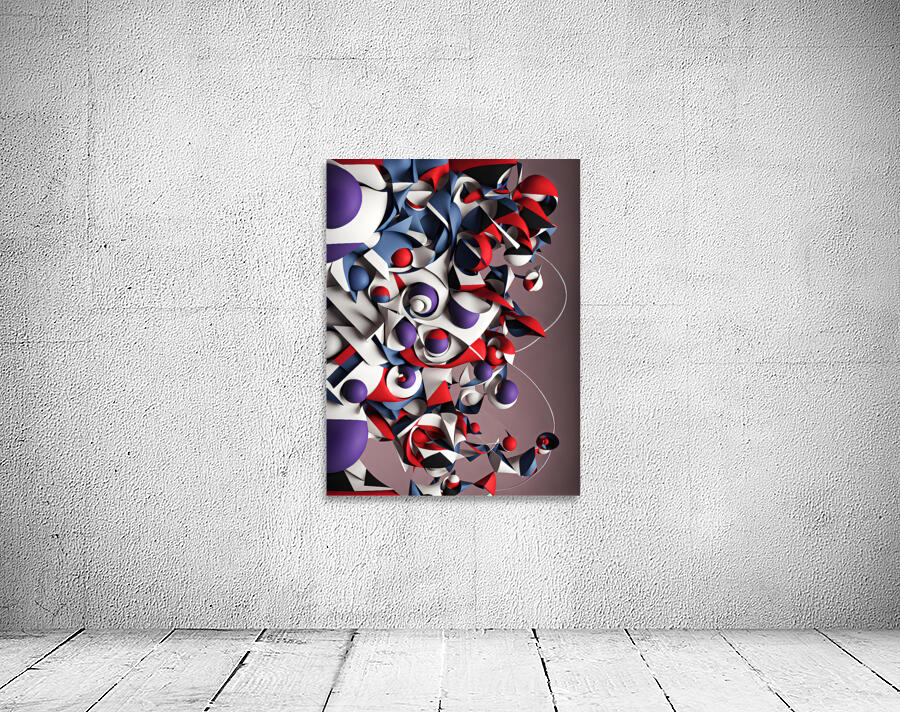
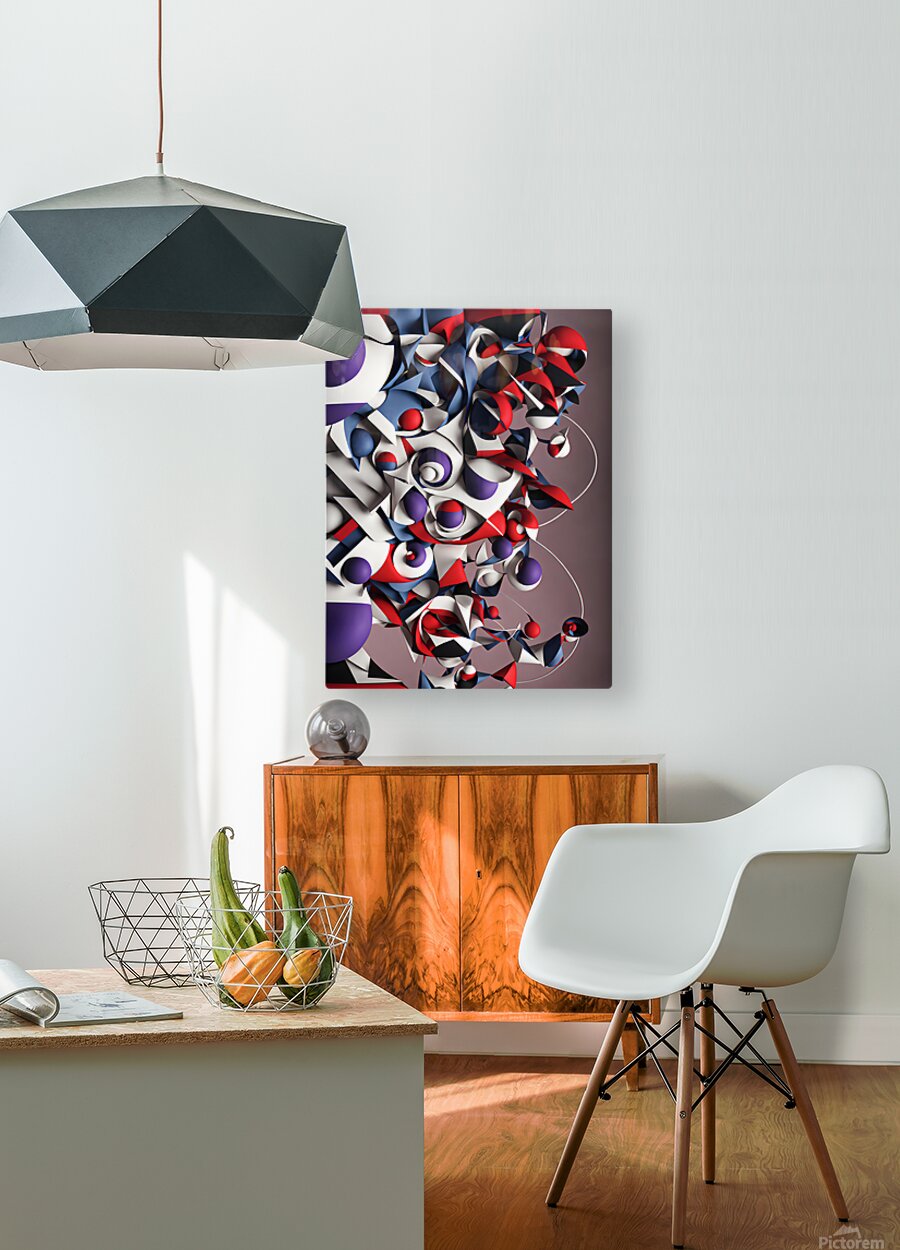
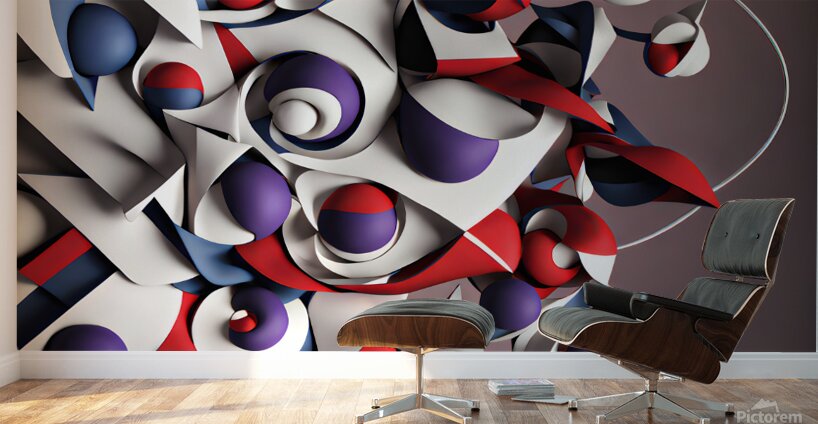
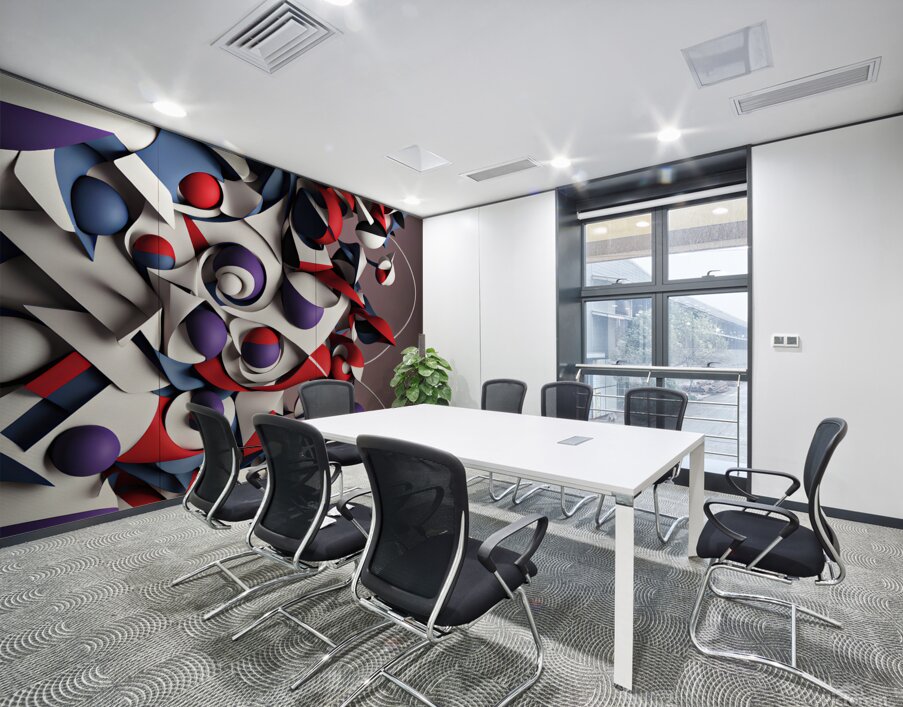
Voir cette oeuvre sur différents murs
Wall decor artwork generator Wall decor artwork generator Wall decor artwork generator


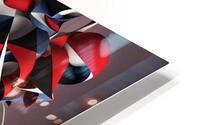
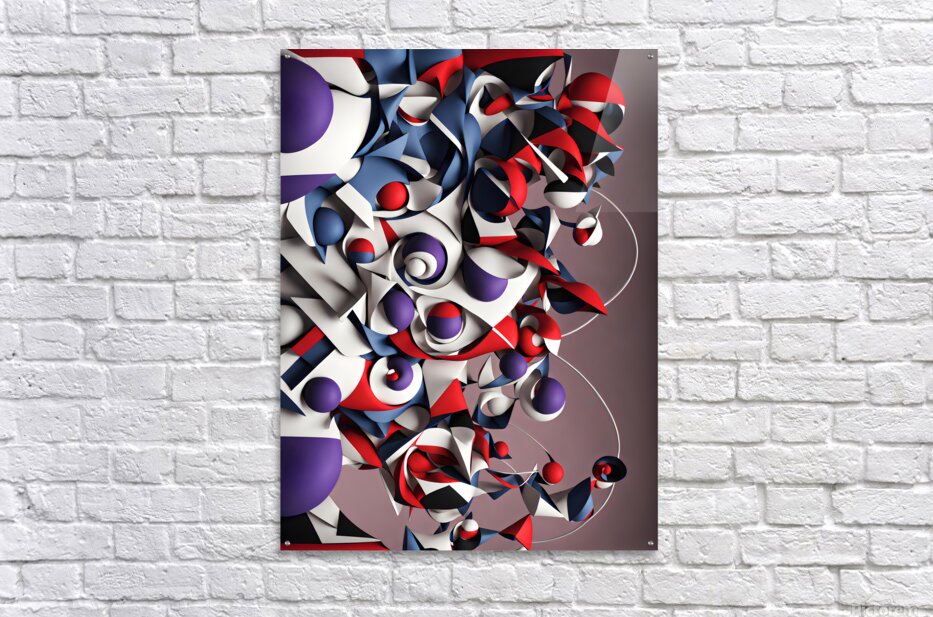
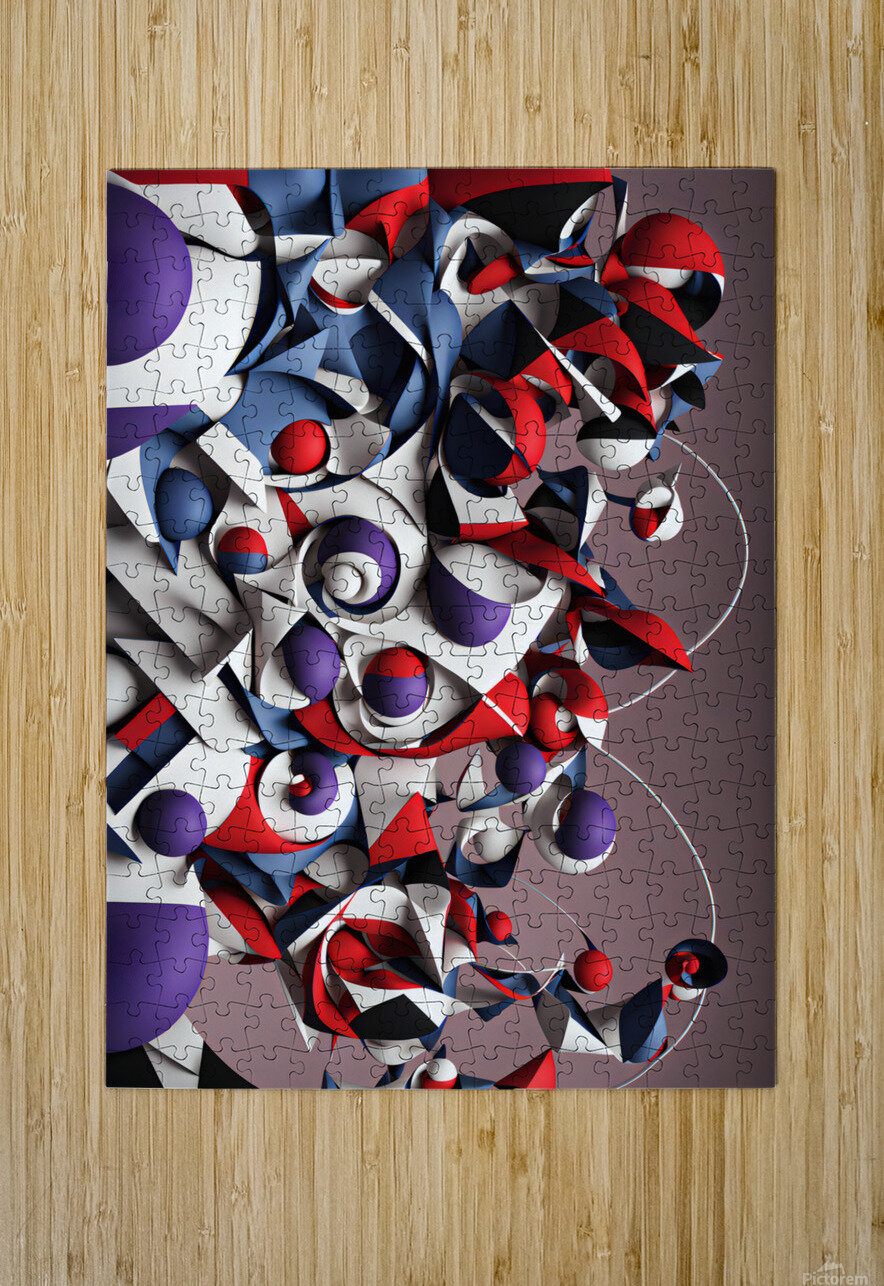
A.P.Polo - "Rhino" - Hamburg (Germany). The rhinoceros (Rhinocerotidae), usually abbreviated as rhino, is a family of odd-toed ungulates (Perissodac...[+]


1225 vues


Facebook Pinterest Envoyez à un(e) ami(e)


Mots clés:
[+] expand
Chercher des images avec des couleurs dominantes similaires :

Impression Giclée sur toile

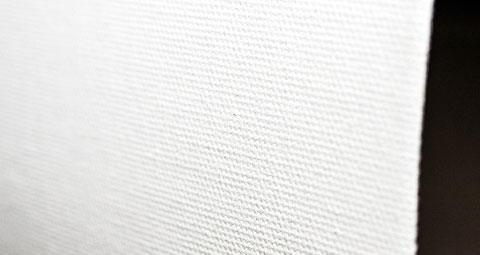
Toutes nos toiles étirées sont faites sur-mesure, à partir d’une toile d’exposition de 410g/m2 Bois large de 1.5 pouce de style “galerie”.     
Impression Giclée avec encre pigmentée conçue pour répondre aux exigences de longévité de musées et galeries et assurer l’uniformité des nuances de couleur pour plus de 200 ans. [+]

Impression sur toile étirée   Expédition aux USA & Canada
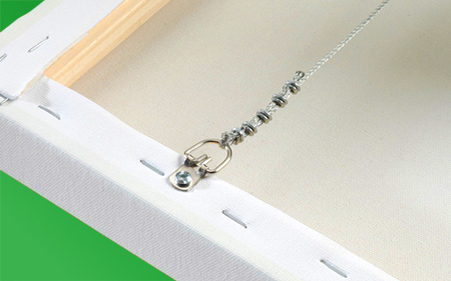
Prêt à être accroché - Tendu sur cadre en bois d’une épaisseur de 1,5 pouces.
23 x 30 pouces
59 x 77 cm
Aperçu de l’image
$277
27 x 36 pouces
69 x 92 cm
Aperçu de l’image
$350
32 x 42 pouces
82 x 108 cm
Aperçu de l’image
$446
36 x 48 pouces
92 x 123 cm
Aperçu de l’image
$515
41 x 55 pouces
105 x 141 cm
Aperçu de l’image
$938
45 x 60 pouces
115 x 154 cm
Aperçu de l’image
$1054
54 x 72 pouces
138 x 185 cm
Aperçu de l’image
$1618

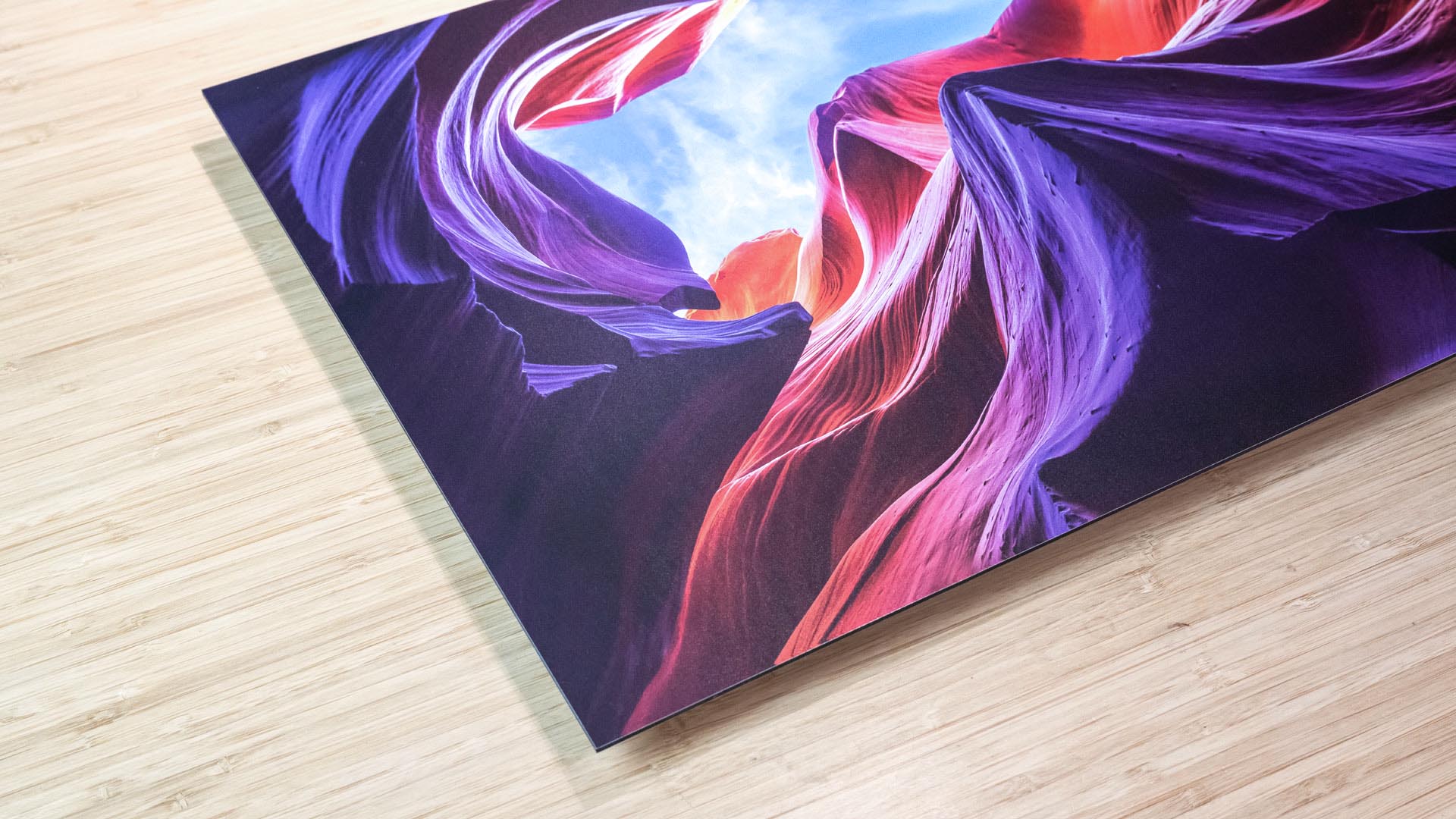
Impression acrylique

360 View
🔄

Chargement de la visionneuse 3D...

Cliquez et faites glisser pour faire pivoter • Faites défiler pour zoomer
360 View
Obtenez une pièce d’art moderne avec cette impression acrylique.
Fine Art fabriqué à partir d’un acrylique poli haut de gamme, le meilleur de sa catégorie, 99,9% optiquement pur et le dernier savoir-faire d’impression à plat.  
Vidéo
[+]

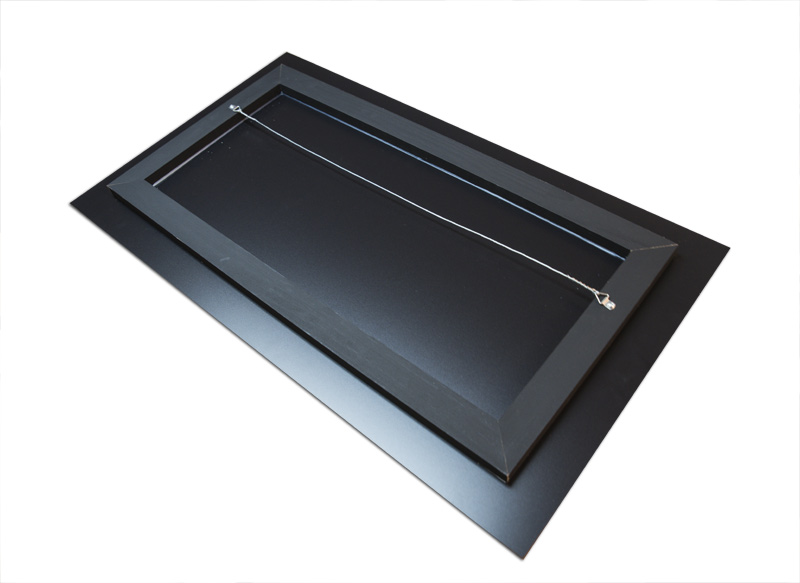
  Impression sur acrylique avec cadre flottant en arrière.
Imprimé jusqu’au bord et prêt à être accroché, avec un cadre flottant à l’arrière.     
1/8" Thickness:
23 x 30 pouces
59 x 77 cm
Aperçu de l’image
$453
27 x 36 pouces
69 x 92 cm
Aperçu de l’image
$600
32 x 42 pouces
82 x 108 cm
Aperçu de l’image
$795
36 x 48 pouces
92 x 123 cm
Aperçu de l’image
$995
41 x 55 pouces
105 x 141 cm
Aperçu de l’image
$1526
45 x 60 pouces
115 x 154 cm
Aperçu de l’image
$1758
3/16" Thickness:
23 x 30 pouces
59 x 77 cm
Aperçu de l’image
$601
27 x 36 pouces
69 x 92 cm
Aperçu de l’image
$788
32 x 42 pouces
82 x 108 cm
Aperçu de l’image
$1034
36 x 48 pouces
92 x 123 cm
Aperçu de l’image
$1287
41 x 55 pouces
105 x 141 cm
Aperçu de l’image
$1892
45 x 60 pouces
115 x 154 cm
Aperçu de l’image
$2186

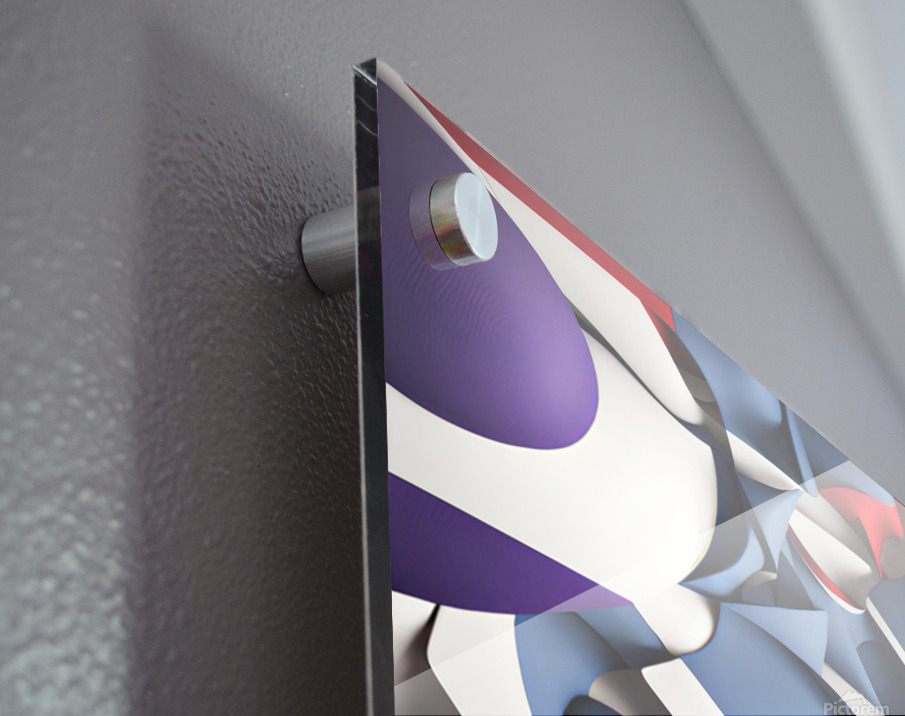
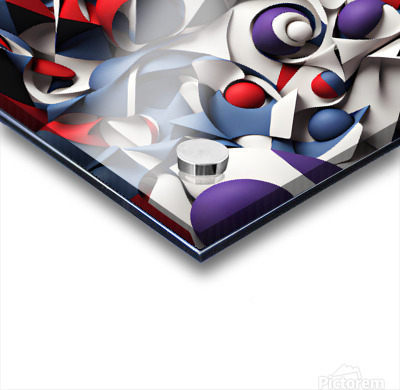
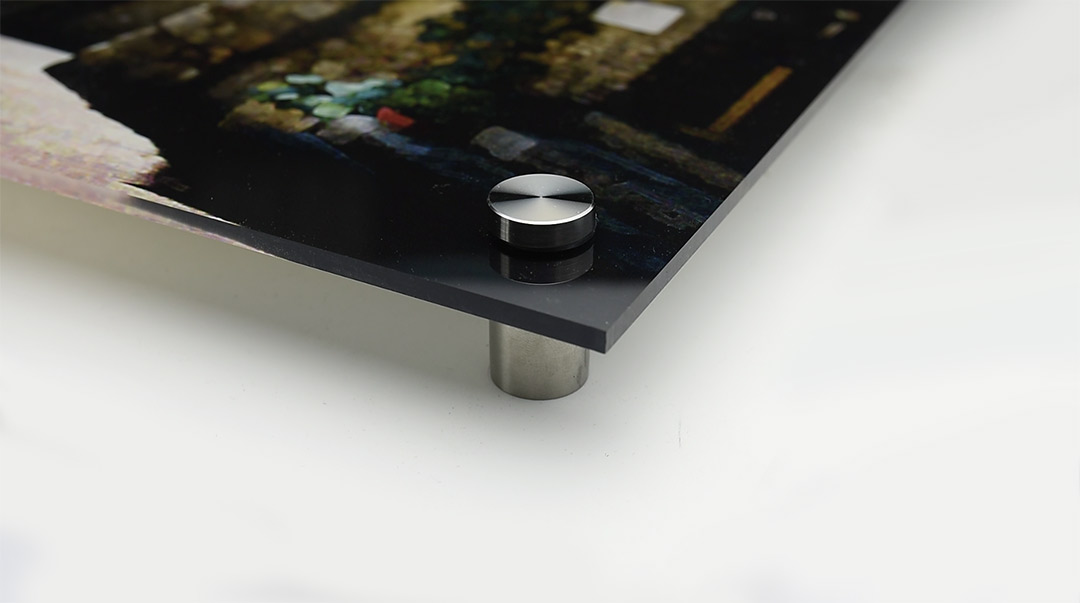
  Impression sur acrylique avec entretoises ( cylindres métalliques )
Imprimé jusqu’au bord et prêt à être accroché, avec 4 cylindres (entretoises) en aluminium ( les vis murales sont incluses )
Nous suggérons un plus acrylique épais (3/16 ") pour les taille plus de 42 pouces, pour garantir un acrylique droit, sans courbure
1/8" Thickness:
23 x 30 pouces
59 x 77 cm
Aperçu de l’image
$453
27 x 36 pouces
69 x 92 cm
Aperçu de l’image
$600
32 x 42 pouces
82 x 108 cm
Aperçu de l’image
$795
36 x 48 pouces
92 x 123 cm
Aperçu de l’image
$995
41 x 55 pouces
105 x 141 cm
Aperçu de l’image
$1526
45 x 60 pouces
115 x 154 cm
Aperçu de l’image
$1758
3/16" Thickness:
23 x 30 pouces
59 x 77 cm
Aperçu de l’image
$601
27 x 36 pouces
69 x 92 cm
Aperçu de l’image
$788
32 x 42 pouces
82 x 108 cm
Aperçu de l’image
$1034
36 x 48 pouces
92 x 123 cm
Aperçu de l’image
$1287
41 x 55 pouces
105 x 141 cm
Aperçu de l’image
$1892
45 x 60 pouces
115 x 154 cm
Aperçu de l’image
$2186

Impression sur metal brossé / Impression lisse en métal blanc

360 View
🔄

Chargement de la visionneuse 3D...

Cliquez et faites glisser pour faire pivoter • Faites défiler pour zoomer
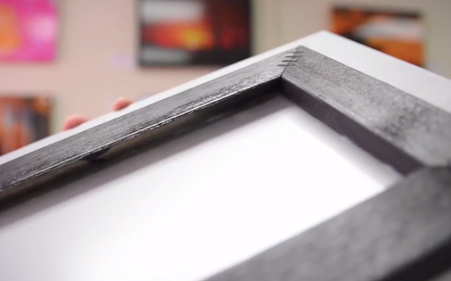

Les sections de la photographie qui sont blanches ou très claires ne sont pas imprimées. Les zones blanches apparaissent métalliques.
Robuste, léger et offre un effet de réflexion de lumière unique [+]

  Impression sur metal brossé et cadre flottant
Impression pleine et montage avec un cadre flottant à l’arrière de 3/4 pouce d’épaisseur avec fil de suspension. 
23 x 30 pouces
59 x 77 cm
Aperçu de l’image
$429
27 x 36 pouces
69 x 92 cm
Aperçu de l’image
$569
32 x 42 pouces
82 x 108 cm
Aperçu de l’image
$753
36 x 48 pouces
92 x 123 cm
Aperçu de l’image
$944
41 x 55 pouces
105 x 141 cm
Aperçu de l’image
$1461
45 x 60 pouces
115 x 154 cm
Aperçu de l’image
$1682

  Impression sur métal brossé avec entretoises
Imprimé jusqu’au bord et prêt à être accroché, avec 4 cylindres (entretoises) en aluminium ( les vis murales sont incluses )
23 x 30 pouces
59 x 77 cm
Aperçu de l’image
$429
27 x 36 pouces
69 x 92 cm
Aperçu de l’image
$569
32 x 42 pouces
82 x 108 cm
Aperçu de l’image
$753
36 x 48 pouces
92 x 123 cm
Aperçu de l’image
$944
41 x 55 pouces
105 x 141 cm
Aperçu de l’image
$1461
45 x 60 pouces
115 x 154 cm
Aperçu de l’image
$1682

Impression directe sur métal pour fournir une finition satinée lisse et blanche avec réflexion contrôlée de la lumière
Robuste, très léger et offre un effet mat [+]  


  Impression métal blanc avec cadre flottant à l’arrière
Impression pleine et montage avec un cadre flottant à l’arrière de 3/4 pouce d’épaisseur avec fil de suspension. 
23 x 30 pouces
59 x 77 cm
Aperçu de l’image
$429
27 x 36 pouces
69 x 92 cm
Aperçu de l’image
$569
32 x 42 pouces
82 x 108 cm
Aperçu de l’image
$753
36 x 48 pouces
92 x 123 cm
Aperçu de l’image
$944
41 x 55 pouces
105 x 141 cm
Aperçu de l’image
$1461
45 x 60 pouces
115 x 154 cm
Aperçu de l’image
$1682

  Impression sur métal brossé avec entretoises
Imprimé jusqu’au bord et prêt à être accroché, avec 4 cylindres (entretoises) en aluminium ( les vis murales sont incluses )
23 x 30 pouces
59 x 77 cm
Aperçu de l’image
$429
27 x 36 pouces
69 x 92 cm
Aperçu de l’image
$569
32 x 42 pouces
82 x 108 cm
Aperçu de l’image
$753
36 x 48 pouces
92 x 123 cm
Aperçu de l’image
$944
41 x 55 pouces
105 x 141 cm
Aperçu de l’image
$1461
45 x 60 pouces
115 x 154 cm
Aperçu de l’image
$1682

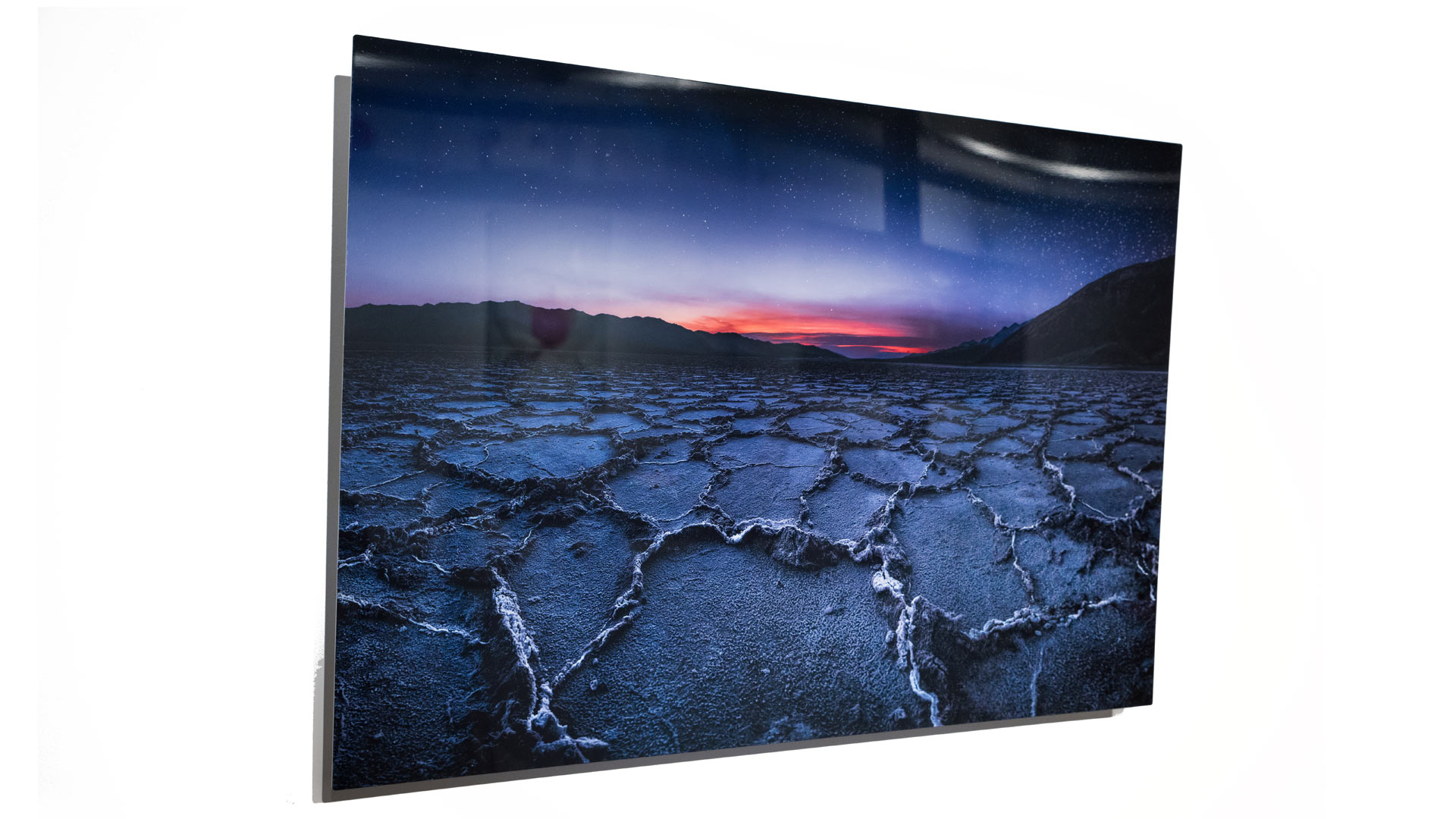
HD ChromaLuxe Impression de Sublimation Métal haute brillance

360 View
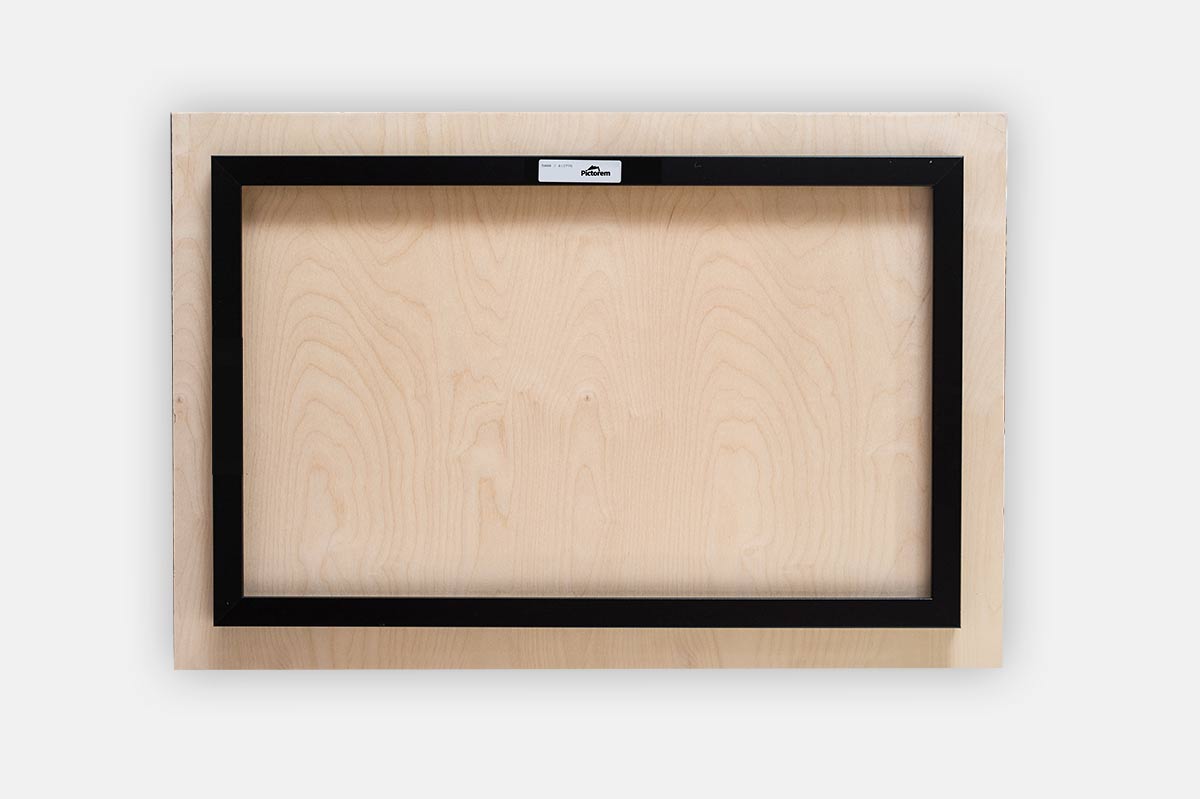
A.P.Polo - Rhino  Impression métal HD avec cadre flottant sur le dos
🔄

Chargement de la visionneuse 3D...

Cliquez et faites glisser pour faire pivoter • Faites défiler pour zoomer

A.P.Polo - Rhino Impression de sublimation métal HD
A.P.Polo - Rhino Impression metal

Brillance des couleurs, durabilité supérieure et qualités archivistiques
Cette oeuvre est produite sur une sublimation de colorant Chromaluxe panneau en métal haute définition  
Vidéo
[+]

  Impression de Sublimation Hi-Gloss sur métal blanc avec cadre arrière
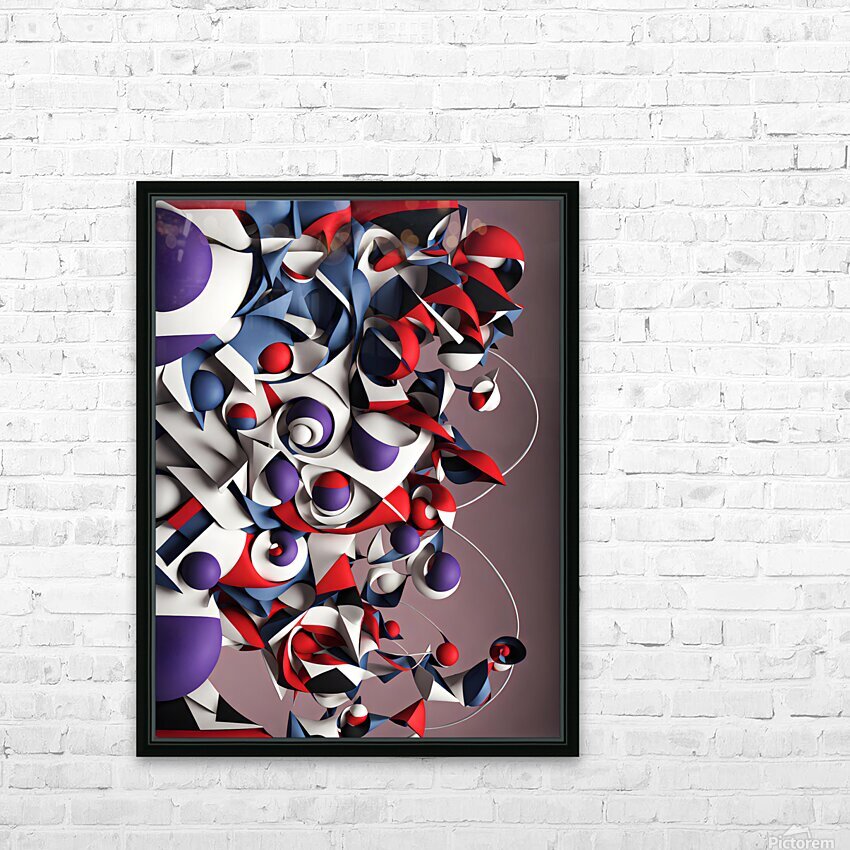
Impression pleine et montage avec un cadre flottant à l’arrière de 3/4 pouce d’épaisseur avec fil de suspension. 
23 x 30 pouces
59 x 77 cm
Aperçu de l’image
$576
27 x 36 pouces
69 x 92 cm
Aperçu de l’image
$777
32 x 42 pouces
82 x 108 cm
Aperçu de l’image
$1042
36 x 48 pouces
92 x 123 cm
Aperçu de l’image
$1315

  Impression de Sublimation Hi-Gloss sur métal blanc avec cadre décoratif
À l’intérieur d’un cadre de décoration (boîte)-cadre flottant noir
23 x 30 pouces
59 x 77 cm
Aperçu de l’image
$684
27 x 36 pouces
69 x 92 cm
Aperçu de l’image
$912
32 x 42 pouces
82 x 108 cm
Aperçu de l’image
$1206
36 x 48 pouces
92 x 123 cm
Aperçu de l’image
$1507

Impression sur bois

360 View
A.P.Polo - Rhino  Impression sur bois
🔄

Chargement de la visionneuse 3D...

Cliquez et faites glisser pour faire pivoter • Faites défiler pour zoomer

A.P.Polo - Rhino Impression sur bois

Imprimé avec des encres UV qui procurent une qualité d’image incroyable et qui résistent aux égratignures. Les couleurs ne pâliront pas à travers le temps.
Les zones blanches et très claires ne sont pas imprimées sur le bois, révélant la beauté naturelle de la texture du bois
Imprimé sur un bois large de 3/8 de pouces ( 9mm). Ce bois préparé à partir de merisier russe, il est durable et robuste. [+]

Impression sur bois avec cadre flottant arrière
Impression pleine et montage avec un cadre flottant à l’arrière  
Vidéo
[+]
23 x 30 pouces
59 x 77 cm
Aperçu de l’image
$397
27 x 36 pouces
69 x 92 cm
Aperçu de l’image
$525
32 x 42 pouces
82 x 108 cm
Aperçu de l’image
$693
36 x 48 pouces
92 x 123 cm
Aperçu de l’image
$868
41 x 55 pouces
105 x 141 cm
Aperçu de l’image
$1363
45 x 60 pouces
115 x 154 cm
Aperçu de l’image
$1565

Impression en Rouleau.

Nous expédions dans le monde entier!

Impression murale

Facile à installer. Vinyle auto-adhésif, lavable et repositionnable [+]
Vidéo
Pour obtenir le prix de votre murale, Entrez les mesures de votre mur :

POUCE PIED CM
Largeur: in.
Hauteur : in.
Width: ft in
Heigth: ft in
Width: cm
Heigth: cm


Notre technologie de 10 couleurs
Nos peintures murales sont produites sur des imprimantes avec une qualité d’impression photographique exceptionnelle. Une résolution d’image extrême : qualité d'image photographique
avec la gamme de couleurs plus grande de sa catégorie

Facile à installer
Notre impression murale peut être enlevée sans aucun dommage à vos murs. Facile à modifier ou à supprimer. Nous utilisons un média de 6 mil auto-adhésif en vinyle avec une texture subtile de lin-coton.
Changer l’apparence d’une pièce sans avoir à utiliser du papier peint traditionnel. Nos impressions murales deviennent la solution parfaite pour améliorer facilement n’importe quel espace résidentiel ou commercial !

Vinyle autocollant repositionnable livré par bande de 35 à 45 pouces de largeur qui se chevauchent légèrement pour faciliter l’installation.
[Plus d’infos sur nos impressions murales]

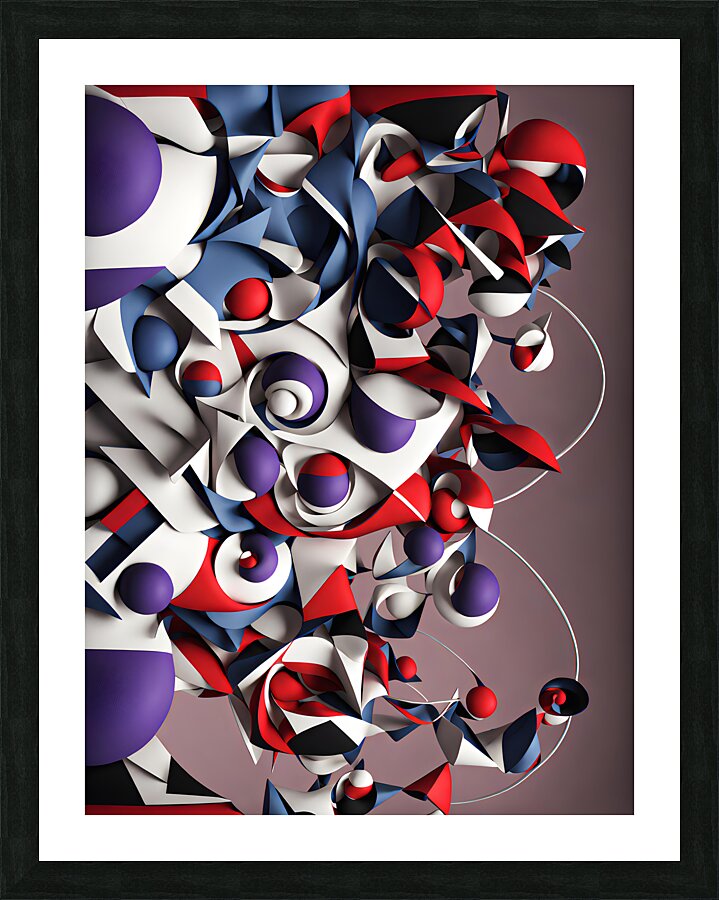
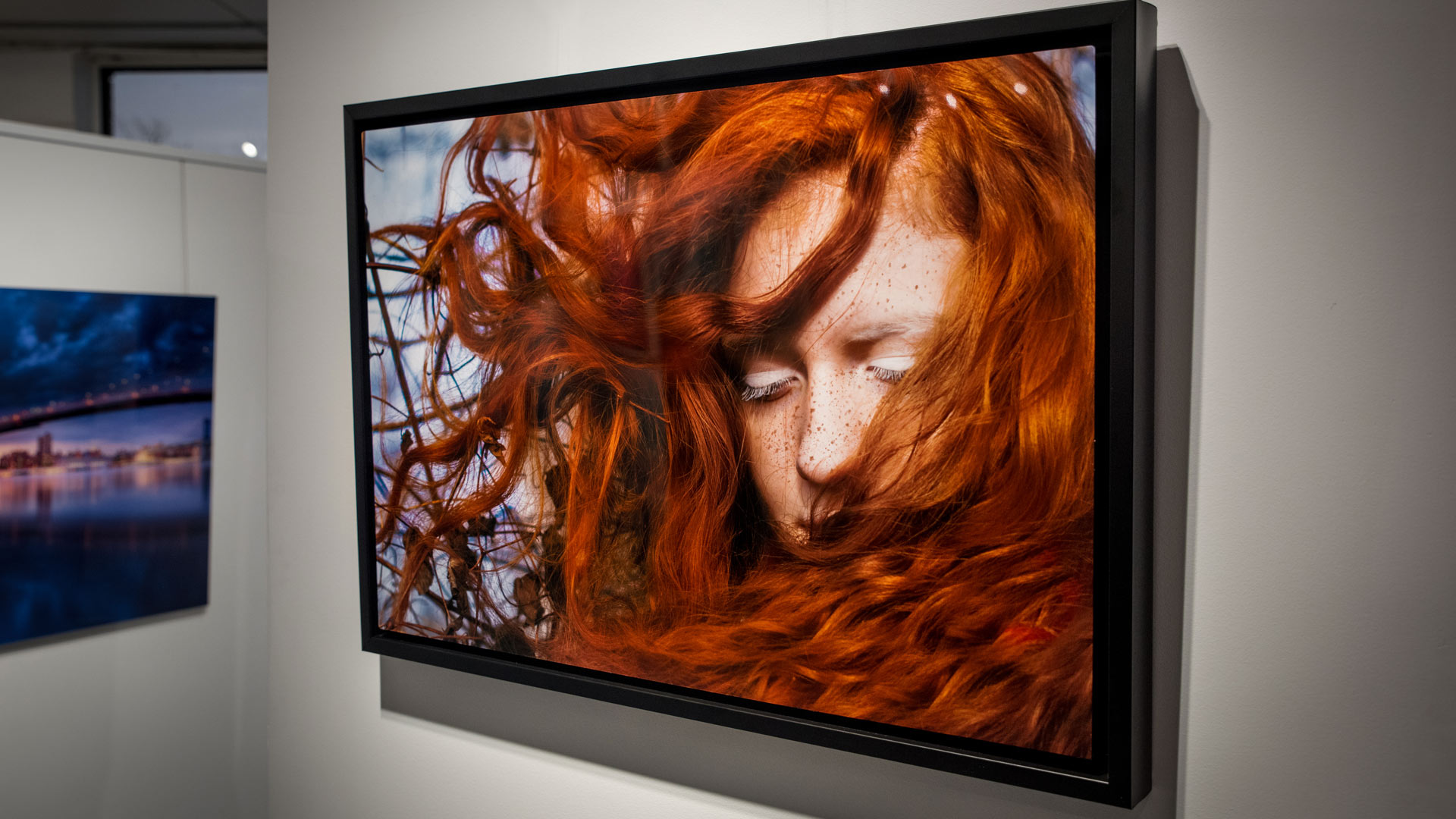
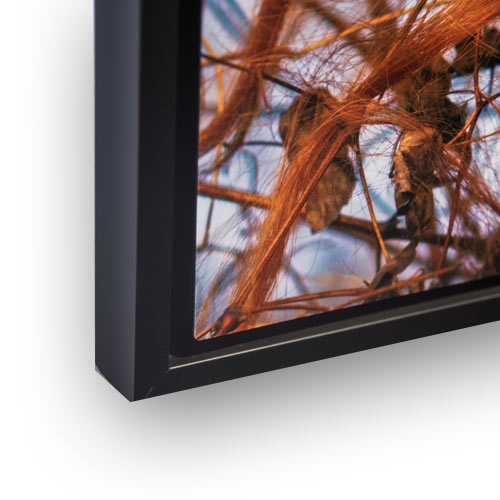
Impression encadrée Afficher en 3D

Pour obtenir "A.P.Polo - Rhino" dans une impression encadrée.
Entièrement personnalisable - à la taille exacte que vous désirez. Sélectionnez le type de papier, le verre, le mat et le cadre de décoration
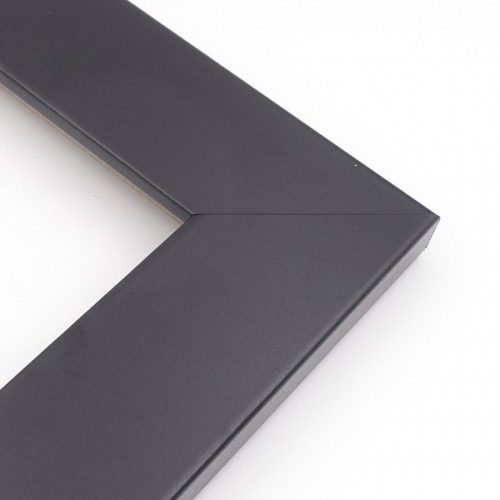
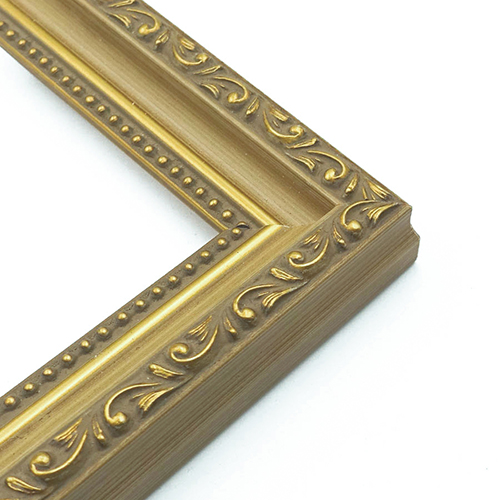
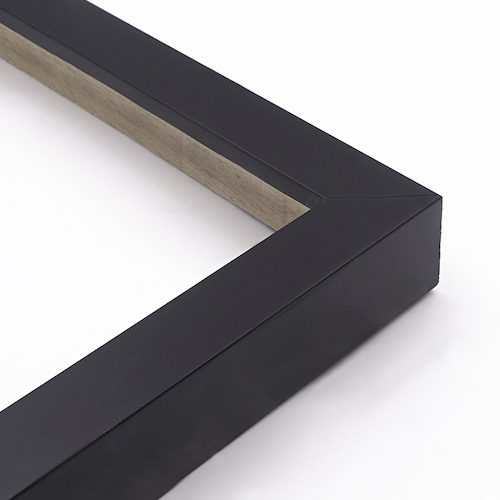
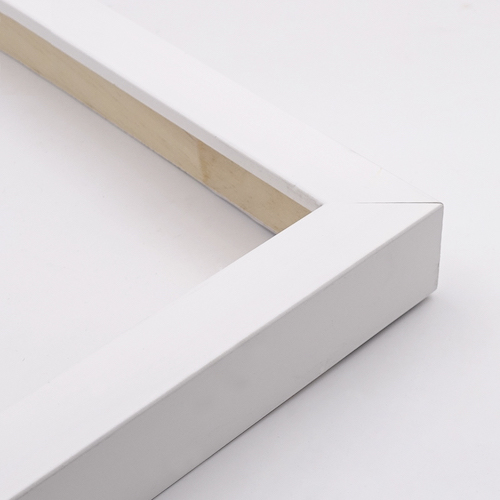
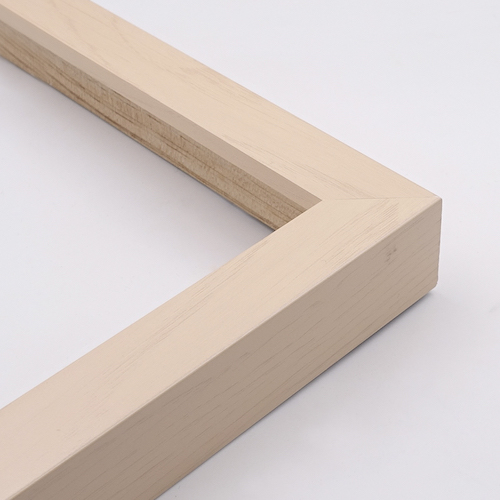
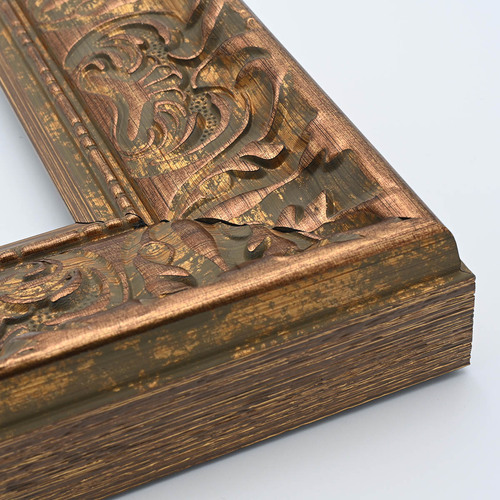
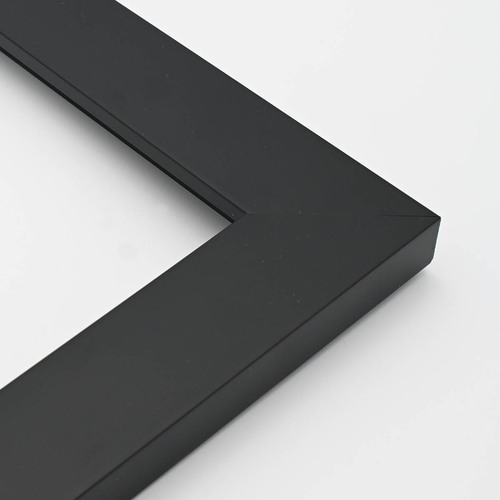
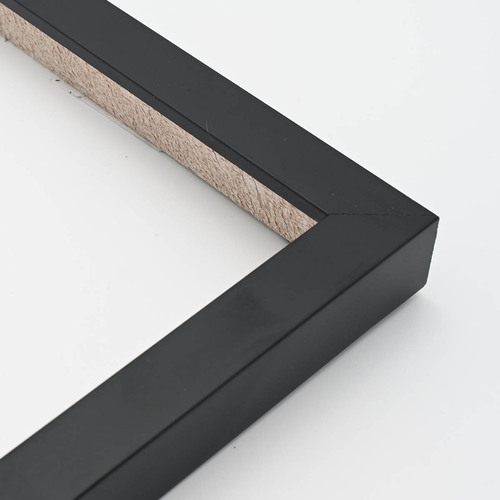
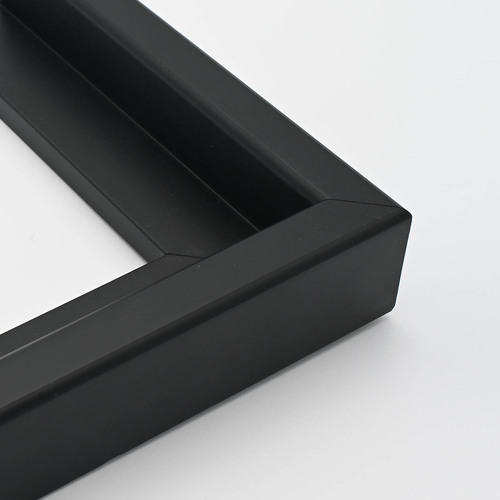
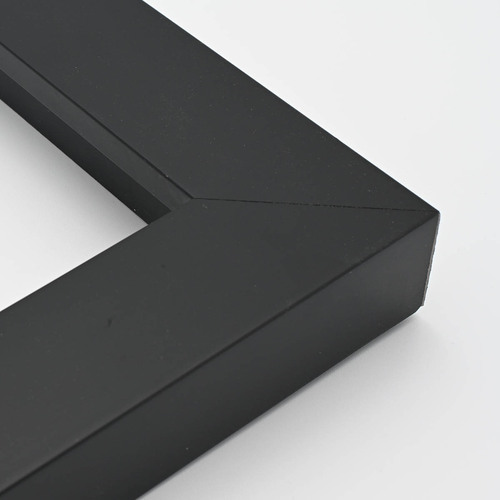
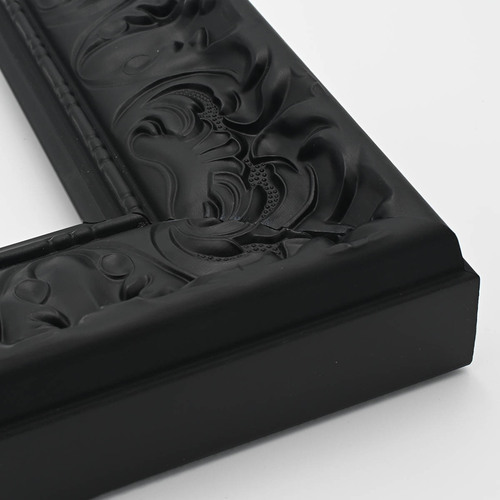
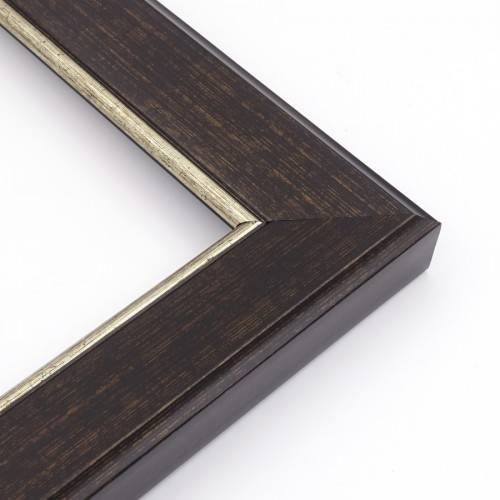
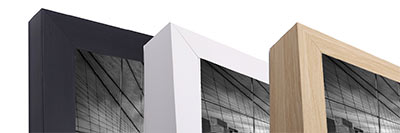
Commencez à construire votre impression encadrée personnalisée en sélectionnant l’une des moulures suivantes:
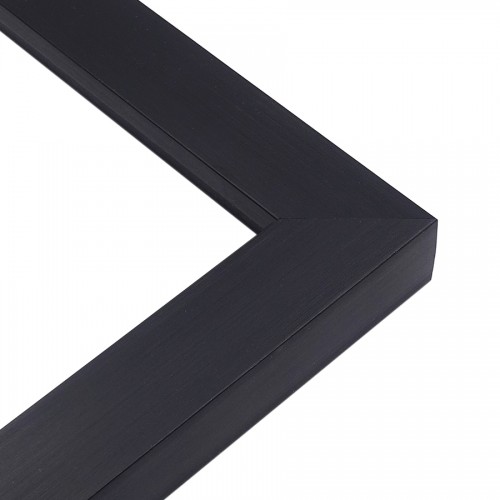
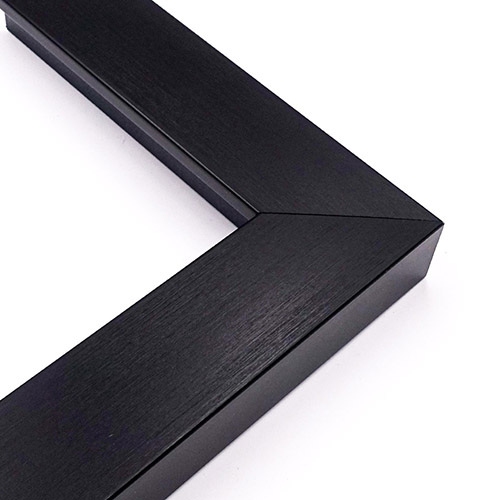
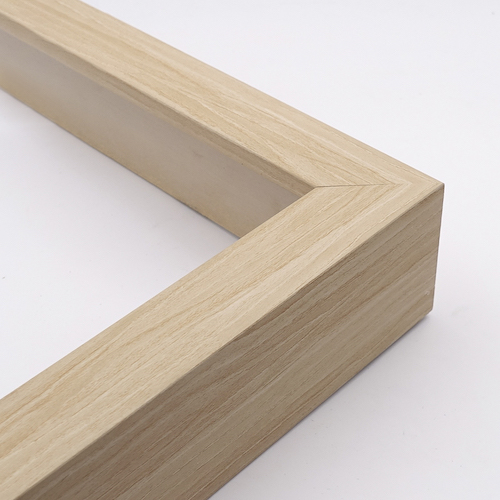
A.P.Polo - Rhino Cadre photo
Modèle de cadre illustré : 832-745

MOULURE DÉCORATIVES
MOULURE DÉCORATIVES
MOULURE DÉCORATIVES
MOULURE DÉCORATIVES
MOULURE DÉCORATIVES
MOULURE DÉCORATIVES
MOULURE DÉCORATIVES
MOULURE DÉCORATIVES
MOULURE DÉCORATIVES
MOULURE DÉCORATIVES
MOULURE DÉCORATIVES
MOULURE DÉCORATIVES
MOULURE DÉCORATIVES
MOULURE DÉCORATIVES
MOULURE DÉCORATIVES

Impression de Puzzle

A.P.Polo - Rhino A P Polo Impression de puzzle
A.P.Polo - Rhino A P Polo Puzzle

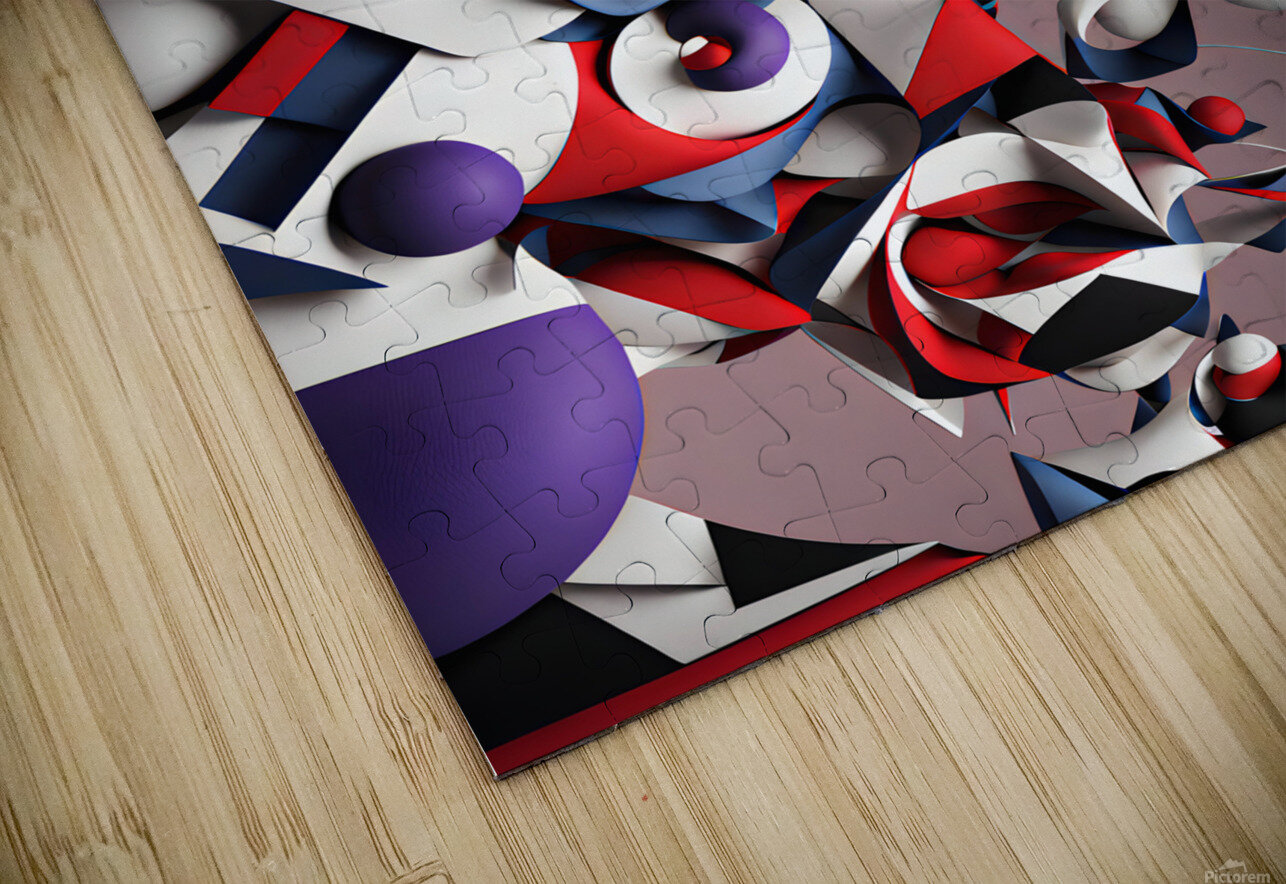
Produit avec précision par le procédé de sublimation HD et protégé par un vernis très brillant.
Contrairement à l’impression traditionnelle — Cette œuvre d’art est produite par impression par sublimation. Nous utilisons la chaleur et la pression pour transférer les images directement à la surface du puzzle, en liant votre image au substrat au niveau moléculaire.  
Vidéo
[+]


Puzzle High Gloss 120 pcs 11x8  
20 x 28 cm
$54
Puzzle High Gloss 315 pcs 17x12  
30 x 42 cm
$65
500 pcs 21 x 15 inches Puzzle High Gloss  
40 x 54 cm
$78
Puzzle High Gloss 1000 pcs 27x17.5  
45 x 69 cm
$91
Puzzle High Gloss 1500 pcs 27x17  
61 x 91 cm
$120

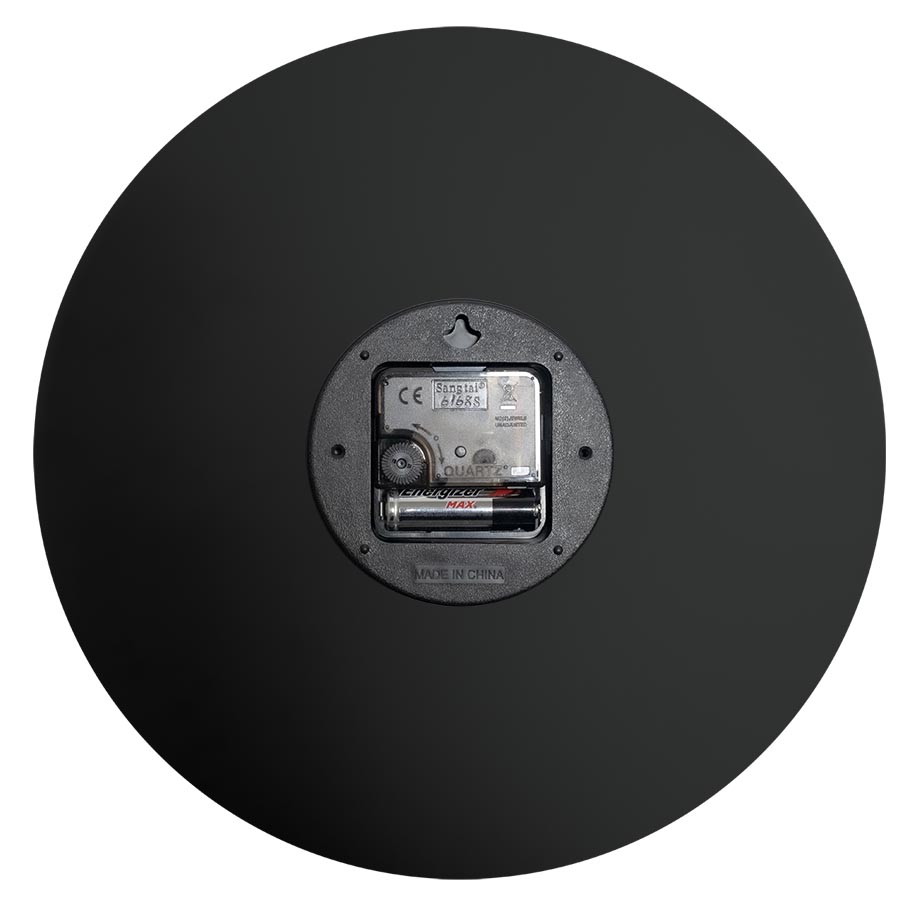
Horloge murale

Détails du produit

Cette œuvre d'art est réalisée en acrylique de haute qualité Prêt à être accroché.   
Vidéo

Mécanisme d'horloge avec un mouvement à quartz précis. Pile incluse
Disponible en format carré ou rond
Disponible en 12" 16" 24"

Créer le vôtre

Téléchargement Numérique

Résolution du fichier: 4096 x 5440 pixels


SUR CETTE OEUVRE: A.P.POLO - RHINO
A.P.Polo - "Rhino" - Hamburg (Germany). The rhinoceros (Rhinocerotidae), usually abbreviated as rhino, is a family of odd-toed ungulates (Perissodactyla) with five species still living today. They are characterised by a strong body and short limbs with three toes as well as a large head, which in all living representatives today has a distinctive formation consisting of one or two horns, which give the family its name. The family is one of the most diverse and successful in the history of mammals and was spread over large parts of Eurasia, Africa and North America during its evolutionary history, which began almost 50 million years ago. Their decline began at the end of the Miocene around 6 to 5 million years ago in connection with climatic and associated landscape changes, which led to the extinction of the North American and numerous other rhinoceros representatives in their original distribution area. Towards the end of the Pleistocene, there was another extinction phase during which all northern Eurasian representatives disappeared. The rhinoceros species that still exist today are the white and black rhinoceros in sub-Saharan Africa and the armoured, Java and Sumatran rhinoceros in south to south-eastern Asia, some of which have seen their populations dwindle again due to habitat destruction and poaching. Rhinoceroses are large to very large mammals. The representatives living today have a head-torso length of between 2.5 and 3.8 metres (plus a 40 to 60 cm long tail) with shoulder heights varying from 1.2 to 1.8 metres and a body weight fluctuating between 500 and 3,600 kg. The largest rhinoceros species living today is the white rhinoceros (Ceratotherium simum). However, much larger species were found in fossilised form. For example, some representatives of Elasmotherium and Brachypotherium each reached a body weight of more than 5,000 kg. In general, rhinoceroses have a massive body with a large head and short, strong legs. Each foot has three toes, each ending in broad hooves. The skin is thick and grey or brown in colour. In the Asian species, the skin at the base of the neck and legs is heavily folded, giving the animals the appearance of being armoured. Most modern rhinoceroses are hairless, with the exception of the tips of the ears and the ends of the tail. However, the Sumatran rhinoceros (Dicerorhinus sumatrensis) still has a fairly dense coat in places. The fossil woolly rhinoceros (Coelodonta antiquitatis) has been shown to have a very dense coat by carcasses preserved in the permafrost of Siberia, and this is sometimes assumed for other extinct rhinoceros species. Furthermore, rhinoceroses have poor eyesight, but this disadvantage is compensated for by a keen sense of smell and very good hearing. An essential, visually striking and name-giving feature of rhinoceroses are their horns. Depending on the species, recent representatives have one or two horns. The Asian armoured rhinoceros (Rhinoceros unicornis) and the Java rhinoceros (Rhinoceros sondaicus), for example, only have one front horn (nasal horn), which grows from the nasal bone. The African white and black rhinoceros (Diceros bicornis) and the Asian Sumatran rhinoceros, on the other hand, have two horns, with the nasal horn also sitting on the nose and the rear (frontal) horn growing on the frontal bone. In extinct rhinoceros species, the horns can usually only be recognised by the attachment points on the skull. For example, representatives of the genus Elasmotherium only had one horn on the forehead, while those of Diceratherium had two nasal horns and those of Aceratherium probably had none at all. The horn consists of agglutinated keratin, a fibrillar protein that is also found in hair, and despite its firmness contains neither bone substance nor, as is sometimes erroneously claimed, ivory. It is made up of numerous long thread-like strands, called horn columns or filaments, the spaces between which are solidified with horn substance. These filaments run through the entire length of the horn, but taper considerably towards the top. The core of the horn is much firmer and usually black in colour, becoming much more fibrous towards the outside. Fossilised horns have so far only been preserved from woolly rhinoceroses, but in principle they have the same structure as recent horns. The horn wears down continuously over time by rubbing against the ground or stones, and can also break off during fights with conspecifics or as a result of traumatic experiences, but it grows back throughout the animal's life. The largest horn known to date measured 1.58 metres across the front curvature. In terms of their body size and habitus, rhinoceroses are among the most impressive land-living mammals and have therefore found their way into human art and culture, especially in hunter-gatherer populations. The earliest known depictions of rhinoceroses can be found in the West Eurasian Upper Palaeolithic (40,000 to 10,000 years ago) and are at least 31,000 years old. The paintings of the Franco-Cantabrian cave art, where rhinoceroses were depicted in more than half a dozen caves with over 80 depictions, should be emphasised here. They are most frequently found in the Grotte Chauvet (France) with 65 drawings, some in red or black colour pigments; one panneau alone contains 17 depictions of an animal probably in motion. Furthermore, images and depictions of rhinoceroses in the form of bone or stone carvings, but also clay figurines modelled as small statuettes, which are among the oldest ceramic objects in the world, can also be found in Europe outside this cultural area in mobile Upper Palaeolithic small-scale art. Today, all of these artefacts are interpreted as depictions of the woolly rhinoceros, which lived in the cold steppes of northern Eurasia at that time. Prehistoric hunter-gatherer communities in other parts of the world also depicted rhinos. In South Asia there are numerous paintings in caves and ruins, which in this case depict the Indian rhinoceros. These are assigned to the local Mesolithic and are between 12,000 and 7,000 years old. Important and among the oldest in this region are those from Marodeo Rock near Pachmarhi in the Indian state of Madhya Pradesh or a hunting scene depicted near Mirzapur in the Indian state of Uttar Pradesh. Numerous rock drawings and engravings of both white and black rhinos are known from large areas of southern Africa, which are predominantly assigned to the Khoisan population groups and can be up to 14,000 years old, but some are also significantly younger. These are sometimes very numerous, although in some areas there are more engravings than drawings. More than 500 depictions have survived in the South African provinces of Northern Cape, North West and Free State alone. As humans become more sedentary, depictions of rhinos are rapidly declining. Depictions of animals on seals of the Indus Culture are known from the Copper Age, and they can also be found occasionally as relief depictions in Ancient Egypt. Also noteworthy are relief figures of one-horned rhinoceros on temple friezes in Angkor Vat (Cambodia), which date from the 12th century and are among the few depictions of the Javan rhinoceros due to their historical distribution area. The “Golden Rhinoceros” from the “Original Gold Grave” from Mapungubwe Hill in the South African province of Limpopo has a high cultural significance for southern Africa. The archaeological site complex was constructed by local tribes in the 11th to 13th centuries and excavated in the 1920s to 1930s. Outstanding for European art history are the widespread woodcut Rhinocerus by Albrecht Dürer from 1515, created after only indirect reports of an Indian rhinoceros in Portugal, and the oil painting Rhinoceros Clara by Jean-Baptiste Oudry from 1749. Due to several factors - enormous size, slow growth, territorial solitary nature, few offspring in human care - the rhinos living today are non-domesticable wild animals. As a result, the importance of the animal group for today's humans as a source of food and raw materials is relatively low, but there is a great demand for rhino horns in Asia. These are traditionally used in the Middle East, especially in northern Yemen, for the handles of the jambia dagger, which serves as a status symbol. In East Asia, however, they are part of handcrafted carvings and traditional Chinese medicine. In the latter case, the horns are used, especially in powdered form, as a medicine against fever and pain; their often assumed use as an aphrodisiac is not historically proven. Largely because of this market, rhinos are threatened with extinction due to the associated poaching. In 2012, between 30,000 and 65,000 US dollars were traded on the black market for each kilogram of horn; in the period from 1993 to 2009 the value was around 4,700 to 5,000 US dollars per kilogram. Due to the high demand for horn from East Asia, not only has the number of wild rhinos killed by poaching increased in recent years, especially in southern Africa, but there has also been an increase in thefts from museums, collections and auction houses and the associated smuggling. However, several tests carried out by the pharmaceutical industry and life science research institutes did not show any medical effects. However, there were always rumors about miraculous healings, so demand last increased sharply in 2009. Other reasons for the threat to today's rhino species include the destruction of habitats through agriculture or the construction of transport routes, but also the expansion of human settlements right up to the borders of the protected areas. Due to the increasing number of rhinos killed by poachers in southern Africa (almost 800 rhinos in 2013), new countermeasures were introduced in 2013 in addition to armed game wardens, dehorning of wild animals or relocation of individual individuals or smaller populations. These include, among other things, injecting antiparasitic drugs into the horns, mainly drugs against external parasites, which are harmless to the rhinos in normal use, but cause nausea or convulsions in humans and thus make the horns unusable for the traditional Chinese medicine market. Another method is to mark the horns with dyes that turn their interior red or pink. This is intended to help track international trade in illegally captured horns, as these can also be detected by scanners at airports, similar to banknotes marked using a similar process. Environmentalists have so far viewed these procedures with skepticism, on the one hand because a few rhinos have died during the procedure, and on the other hand because hardly any scientific research has been carried out on the new measures and the associated potential health risks for the treated animals. Furthermore, they can only pretend that rhino populations are more secure, since poaching decreased in individual protected areas with animals treated in this way, but a large proportion of the animals had left due to pressure from poaching. This cannot rule out a shift in hunting pressure.


Livraison dans la zone continentale des États-Unis et au Canada (livraison gratuite)

Signaler cette œuvre d'art
Imprimez en Un Plantez en Un
Un arbre planté pour chaque impression.  Pictorem soutient Trees for the Future, une organisation à but non lucratif 501 (c) 3, qui gère un programme agroforestier pour restaurer les arbres sur les terres dégradées en travaillant avec les petits agriculteurs.

CRÉER UN COMPTE

COMPTE UTILISATEUR OUBLIÉ ?

HAUT