


HOME
Abstract
Abstract Expressionism
Art of Science
Atmospheric Landscape
Botanical Art
Color Field Contemporary
Contemporary Landscape
Contemporary Realism
Contemporary Seascape
Digital Art
Hard Edge Painting
Lyrical Abstraction
Modern Portrait
Neo-Expresssionism
Op Art
Other
Pop Art
Surrealism
Wildlife
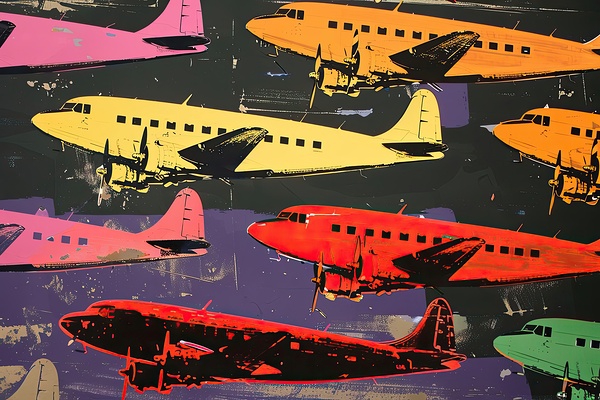
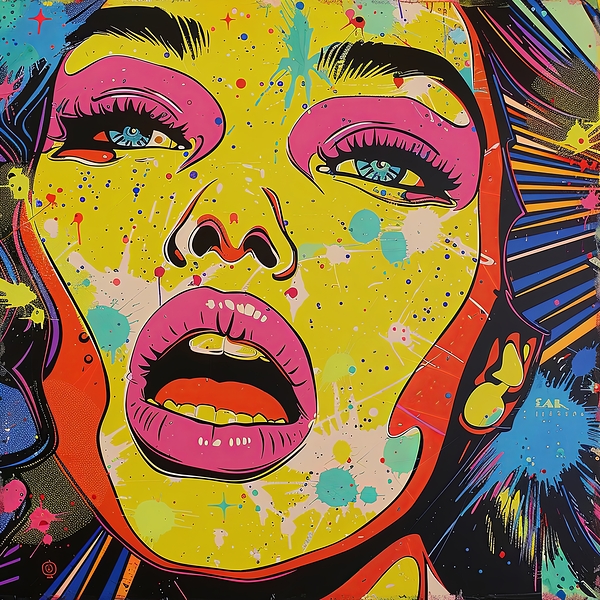
Pop Art (1955-1975) emerged simultaneously in Britain and the United States, radically transforming fine art by embracing popular culture and commercial imagery. Pop Art challenged traditional boundaries between high and low culture, reflecting and critiquing consumer society through bold, accessible imagery.
Key Artists and Their Contributions:
• Andy Warhol: Serial imagery, celebrity portraits, and consumer products
• Roy Lichtenstein: Comic book imagery and Benday dots
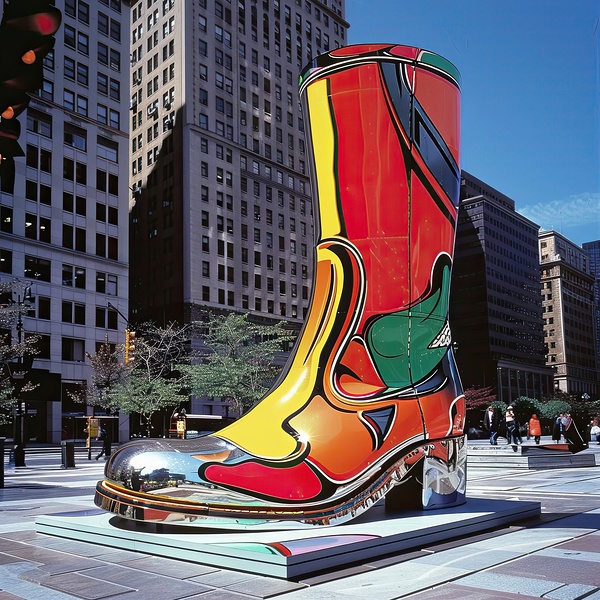
• Claes Oldenburg: Soft sculptures and monumental everyday objects
• Tom Wesselmann: Great American Nude series and still lifes
• Richard Hamilton: Collage and consumer culture critique
• Peter Blake: Album covers and celebrity imagery
• David Hockney: California scenes and photo collages
• Robert Rauschenberg: Combines and silk-screen paintings
• James Rosenquist: Billboard-style montages
• Wayne Thiebaud: Mass-produced food items
Technical Innovations:
• Silk-screen printing in fine art
• Commercial printing techniques
• Photo-mechanical reproduction
• Mixed media assemblage
• Industrial production methods
• Commercial color palettes
• Mass production techniques
Characteristics:
• Bold, simplified imagery
• Commercial printing techniques
• Bright, artificial colors
• Repetitive patterns
• Found imagery
• Consumer products
• Celebrity culture
• Comic book aesthetic
Cultural Context:
• Post-war consumer boom
• Mass media expansion
• Advertising culture
• Television age
• Youth culture
• Celebrity worship
• Industrial production
• Commercial design
Historical Impact:
• Bridged fine art and popular culture
• Influenced advertising and design
• Changed art market dynamics
• Advanced printing techniques
• Shaped contemporary visual culture
• Influenced fashion and music
Contemporary Influence:
• Digital art and meme culture
• Social media aesthetics
• Contemporary advertising
• Street art movement
• Neo-pop movements
• Consumer culture critique
• Brand appropriation
Legacy:
• Democratized art appreciation
• Established new artistic vocabulary
• Influenced commercial design
• Advanced printing techniques
• Shaped contemporary culture
• Created new art market dynamics
The movement continues to influence contemporary art and culture with its strategies of appropriation.
Key Artists and Their Contributions:
• Andy Warhol: Serial imagery, celebrity portraits, and consumer products
• Roy Lichtenstein: Comic book imagery and Benday dots
• Claes Oldenburg: Soft sculptures and monumental everyday objects
• Tom Wesselmann: Great American Nude series and still lifes
• Richard Hamilton: Collage and consumer culture critique
• Peter Blake: Album covers and celebrity imagery
• David Hockney: California scenes and photo collages
• Robert Rauschenberg: Combines and silk-screen paintings
• James Rosenquist: Billboard-style montages
• Wayne Thiebaud: Mass-produced food items
Technical Innovations:
• Silk-screen printing in fine art
• Commercial printing techniques
• Photo-mechanical reproduction
• Mixed media assemblage
• Industrial production methods
• Commercial color palettes
• Mass production techniques
Characteristics:
• Bold, simplified imagery
• Commercial printing techniques
• Bright, artificial colors
• Repetitive patterns
• Found imagery
• Consumer products
• Celebrity culture
• Comic book aesthetic
Cultural Context:
• Post-war consumer boom
• Mass media expansion
• Advertising culture
• Television age
• Youth culture
• Celebrity worship
• Industrial production
• Commercial design
Historical Impact:
• Bridged fine art and popular culture
• Influenced advertising and design
• Changed art market dynamics
• Advanced printing techniques
• Shaped contemporary visual culture
• Influenced fashion and music
Contemporary Influence:
• Digital art and meme culture
• Social media aesthetics
• Contemporary advertising
• Street art movement
• Neo-pop movements
• Consumer culture critique
• Brand appropriation
Legacy:
• Democratized art appreciation
• Established new artistic vocabulary
• Influenced commercial design
• Advanced printing techniques
• Shaped contemporary culture
• Created new art market dynamics
The movement continues to influence contemporary art and culture with its strategies of appropriation.