


HOME
Abstract
Abstract Expressionism
Art of Science
Atmospheric Landscape
Botanical Art
Color Field Contemporary
Contemporary Landscape
Contemporary Realism
Contemporary Seascape
Digital Art
Hard Edge Painting
Lyrical Abstraction
Modern Portrait
Neo-Expresssionism
Op Art
Other
Pop Art
Surrealism
Wildlife
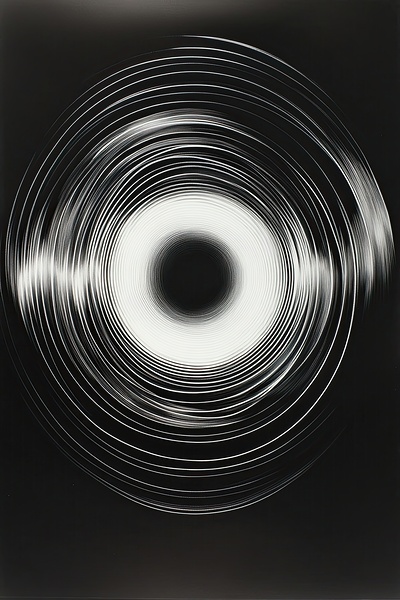
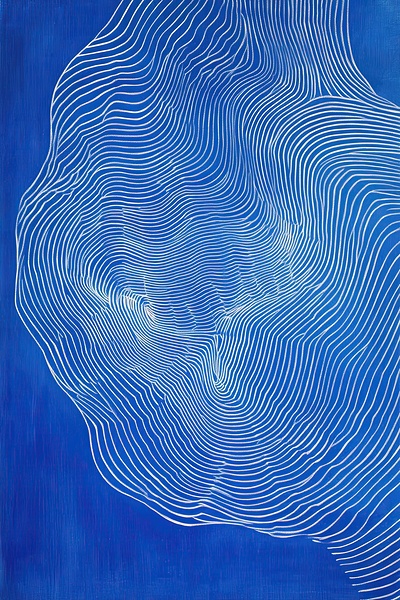
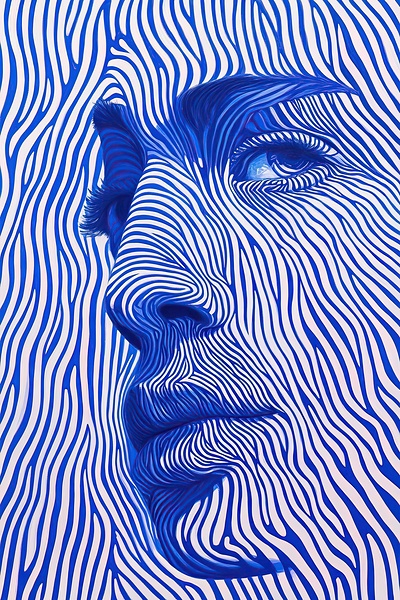
Op Art (1964-1975) was a distinctive movement that focused on creating optical illusions and visual effects through precise geometric patterns and color relationships. Emerging in the mid-1960s, Op Art (Optical Art) explored the psychology of perception and the dynamic possibilities of abstract pattern-making.
Key Artists and Their Contributions:
• Victor Vasarely: Pioneer of the movement, created systematic geometric abstractions
• Bridget Riley: Dynamic black and white patterns, later color works
• Jesus Rafael Soto: Kinetic sculptures and installations
• Richard Anuszkiewicz: Color theory and perceptual effects
• Julian Stanczak: Complex color interactions
• Carlos Cruz-Diez: Chromatic investigations
• Yaacov Agam: Interactive and kinetic works
• François Morellet: Systematic geometric patterns
Technical Characteristics:
• Precise geometric patterns
• Mathematical calculation in composition
• After-image effects
• Moiré patterns
• Figure-ground ambiguity
• Pattern repetition
• Color interaction studies
• Linear precision
Historical Context:
• Influence of Gestalt psychology
• Space Age aesthetics
• Scientific approach to art
• Interest in perception theory
• Technology and automation
• Modern industrial processes
Innovations:
• New approaches to creating visual movement
• Development of systematic color theory
• Integration of scientific principles
• Advanced printing techniques
• Precision manufacturing methods
• New materials exploration
Cultural Impact:
• Influenced fashion and textile design
• Shaped graphic design and advertising
• Impacted architecture and interior design
• Advanced understanding of visual perception
• Influenced the psychedelic art movement
• Created new possibilities in commercial art
Contemporary Legacy:
• Digital art and animation
• User interface design
• Environmental graphics
• Virtual reality experiences
• Interactive installations
• Digital pattern generation
• Modern textile design
The movement's influence continues in contemporary digital art, design, and architecture, with its principles finding new applications in screen-based media and virtual environments.
Legacy:
• Established a systematic approach to visual effects
• Advanced understanding of color theory
• Influenced digital art development
• Impacted commercial design
• Created new vocabulary for pattern-making
• Shaped modern visual communication
Key Artists and Their Contributions:
• Victor Vasarely: Pioneer of the movement, created systematic geometric abstractions
• Bridget Riley: Dynamic black and white patterns, later color works
• Jesus Rafael Soto: Kinetic sculptures and installations
• Richard Anuszkiewicz: Color theory and perceptual effects
• Julian Stanczak: Complex color interactions
• Carlos Cruz-Diez: Chromatic investigations
• Yaacov Agam: Interactive and kinetic works
• François Morellet: Systematic geometric patterns
Technical Characteristics:
• Precise geometric patterns
• Mathematical calculation in composition
• After-image effects
• Moiré patterns
• Figure-ground ambiguity
• Pattern repetition
• Color interaction studies
• Linear precision
Historical Context:
• Influence of Gestalt psychology
• Space Age aesthetics
• Scientific approach to art
• Interest in perception theory
• Technology and automation
• Modern industrial processes
Innovations:
• New approaches to creating visual movement
• Development of systematic color theory
• Integration of scientific principles
• Advanced printing techniques
• Precision manufacturing methods
• New materials exploration
Cultural Impact:
• Influenced fashion and textile design
• Shaped graphic design and advertising
• Impacted architecture and interior design
• Advanced understanding of visual perception
• Influenced the psychedelic art movement
• Created new possibilities in commercial art
Contemporary Legacy:
• Digital art and animation
• User interface design
• Environmental graphics
• Virtual reality experiences
• Interactive installations
• Digital pattern generation
• Modern textile design
The movement's influence continues in contemporary digital art, design, and architecture, with its principles finding new applications in screen-based media and virtual environments.
Legacy:
• Established a systematic approach to visual effects
• Advanced understanding of color theory
• Influenced digital art development
• Impacted commercial design
• Created new vocabulary for pattern-making
• Shaped modern visual communication