Loading..
GENERATING IMAGE. PLEASE WAIT...

Like it
LIMITED EDITION of 50

# 501027

A.P.POLO - CALIBRE


Available in :
LIMITED EDITION of 50
Order online or by phone at 1-800-650-5301
Currently Open!
Pictorem Reviews 4.8 Average Rating by 126.1k customers

See this artwork on various walls
Wall decor artwork generator Wall decor artwork generator Wall decor artwork generator


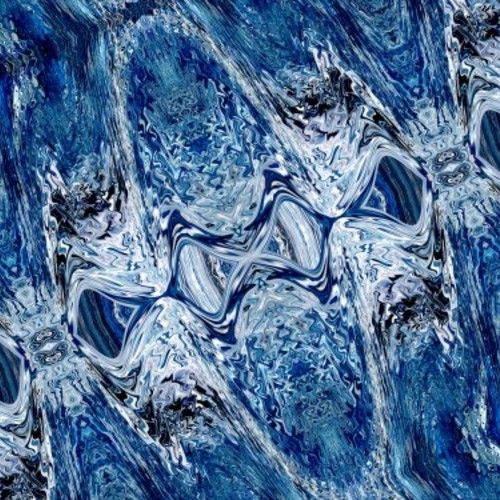
A.P.Polo - "Calibre" - Hamburg (Germany) - New Media Art. Abstract contemporary work that captivates with its geometry and skillful use of light and s...[+]


616 views


Facebook Pinterest Email to a friend


Keywords:
[+] expand
Browse for similar dominant colors:

Giclée Canvas Print

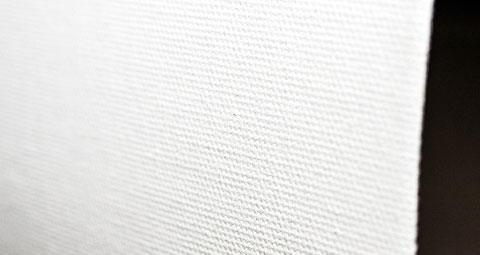
All our stretched Canvas are custom made on a Premium Fine Art Matte Canvas 410g/m2 1.5 Inch Thick wood for a real gallery look     
Giclee printing with Pigment ink designed to meet galleries and museum longevity requirements and ensure consistency of shades 200 years old. [+]

Stretched Canvas Print   We ship in USA & Canada
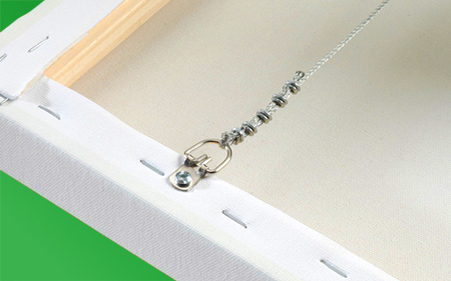
Ready to hang - Stretched on 1.5" inch thick pine wood - Gallery style
20 x 20 inches
51 x 51 cm
Image Preview
$286
24 x 24 inches
62 x 62 cm
Image Preview
$308
30 x 30 inches
77 x 77 cm
Image Preview
$427
36 x 36 inches
92 x 92 cm
Image Preview
$573
42 x 42 inches
108 x 108 cm
Image Preview
$1151
48 x 48 inches
123 x 123 cm
Image Preview
$1307


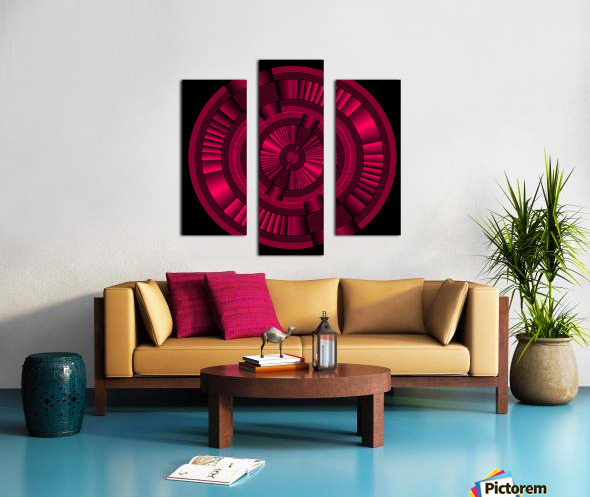
Stretched Split Canvas


A.P.Polo - Calibre  Canvas print
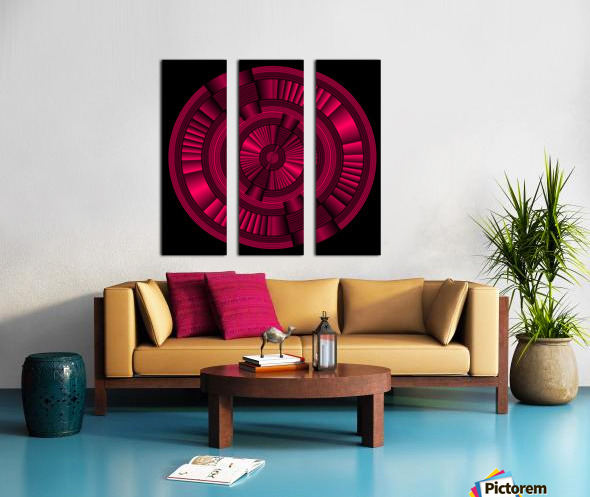
36 x 36 cross triptych split canvas
39 x 36 inches including space.
1X [ 12x36 ]   2X [ 12x30 ]
$709

Acrylic Print

360 View
🔄

Loading 3D Viewer...

Click and drag to rotate • Scroll to zoom
360 View
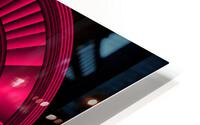
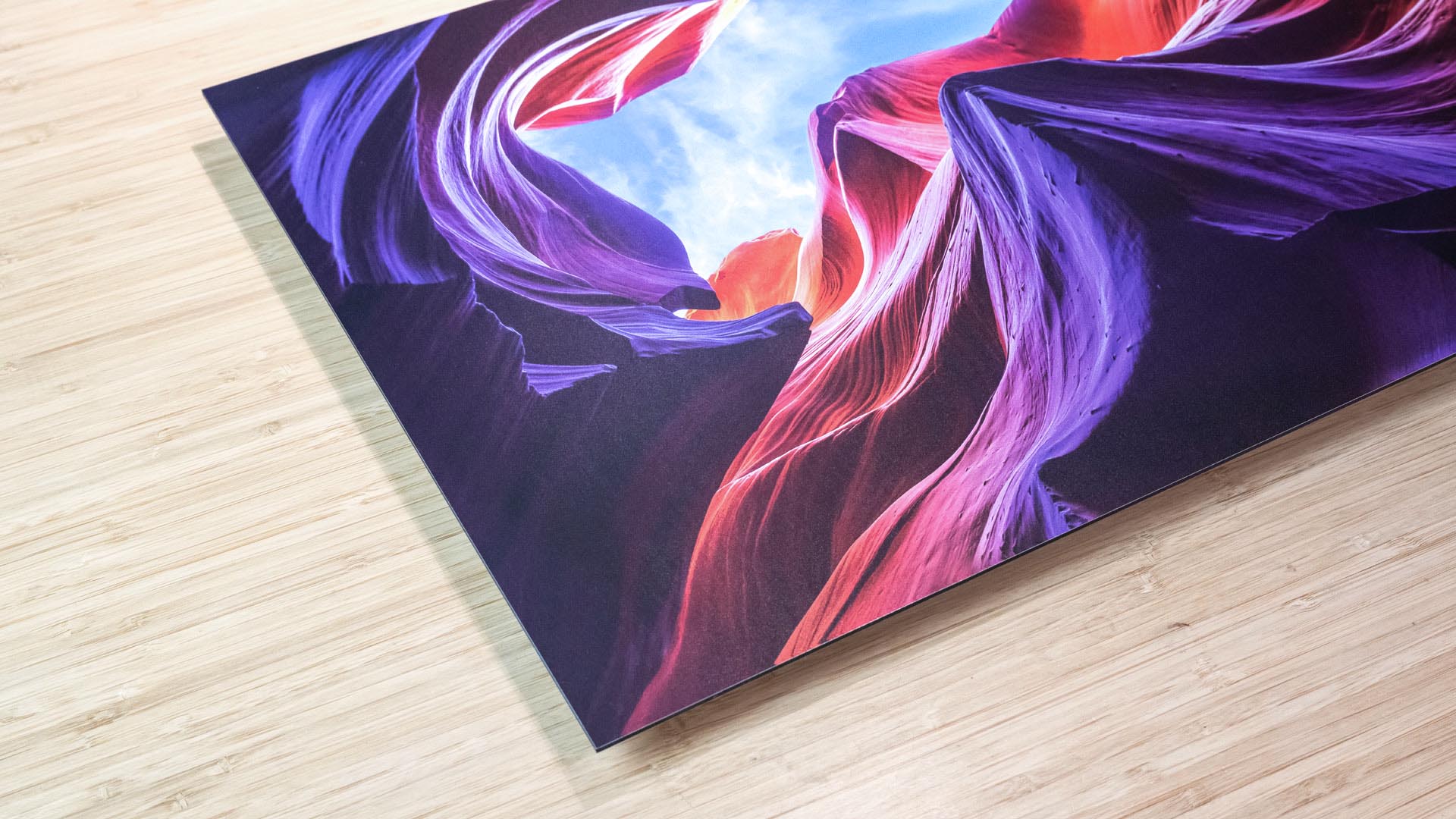
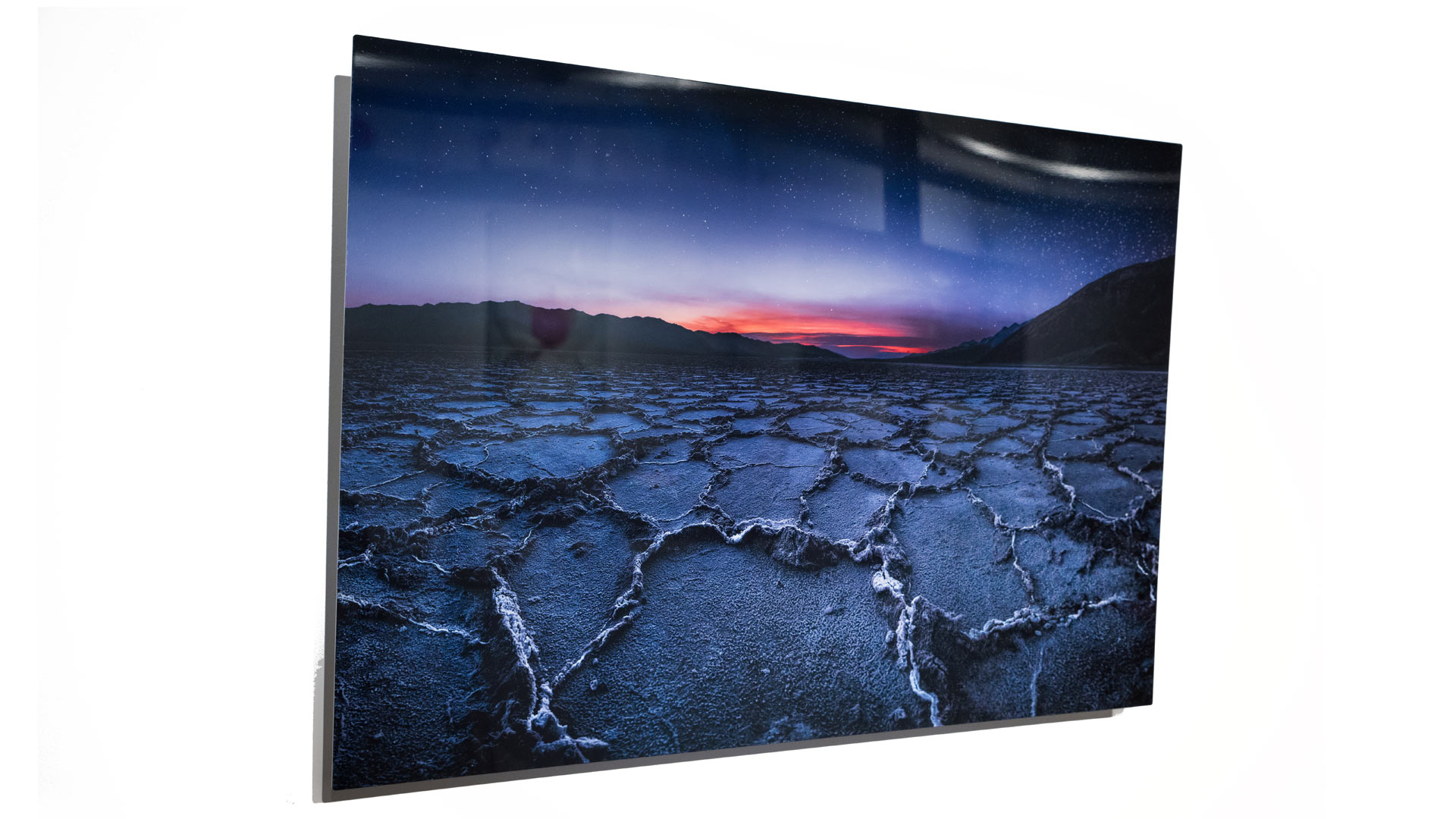
Get a Modern piece of art with this vibrant Acrylic Print.
Fine Art made from a Premium polished, best-in-class, 99.9% optically pure acrylic and the latest Flatbed printing craftmanship.  
Video
[+]

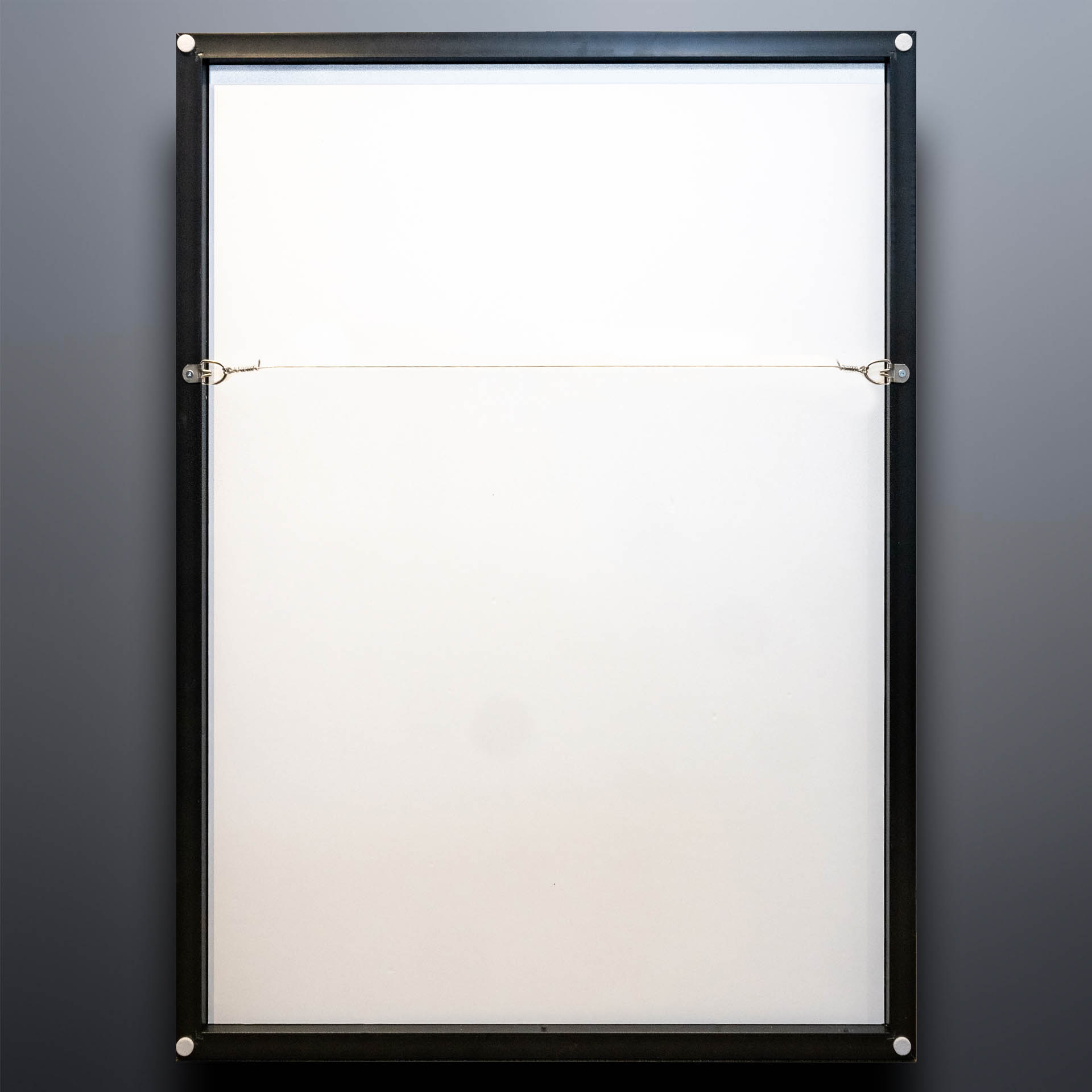
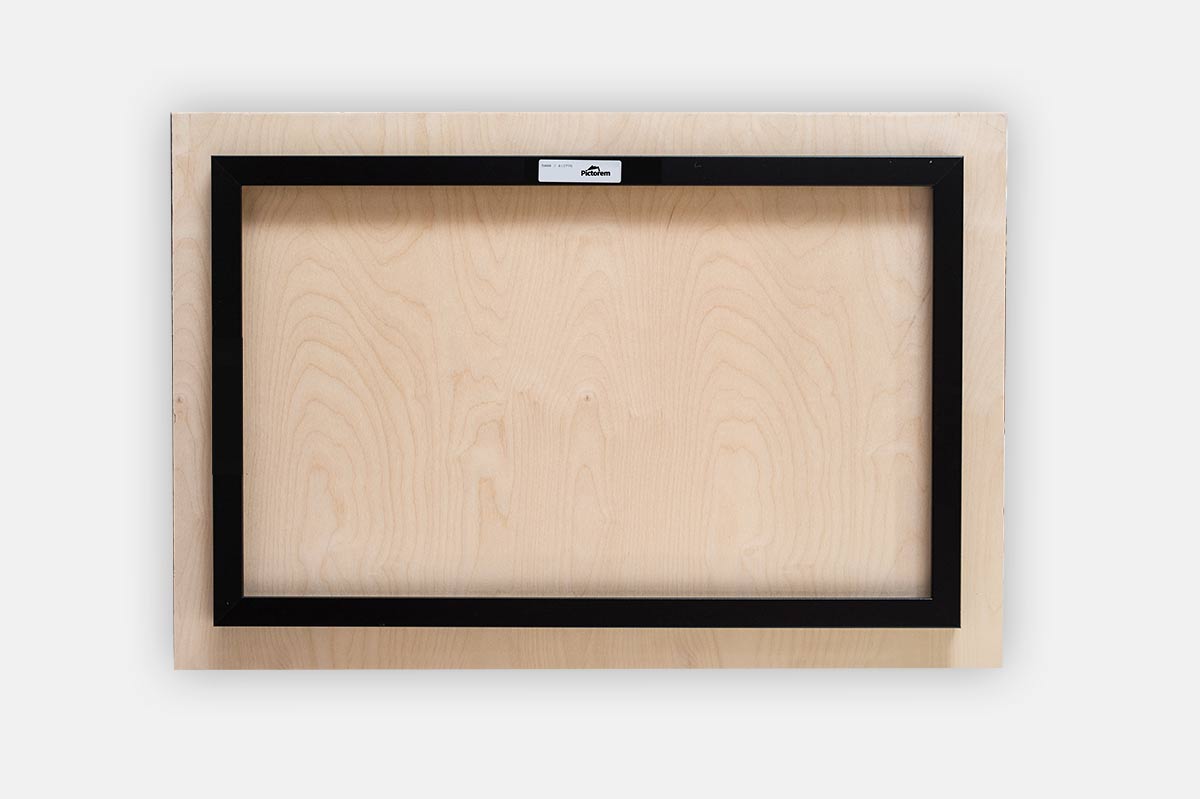
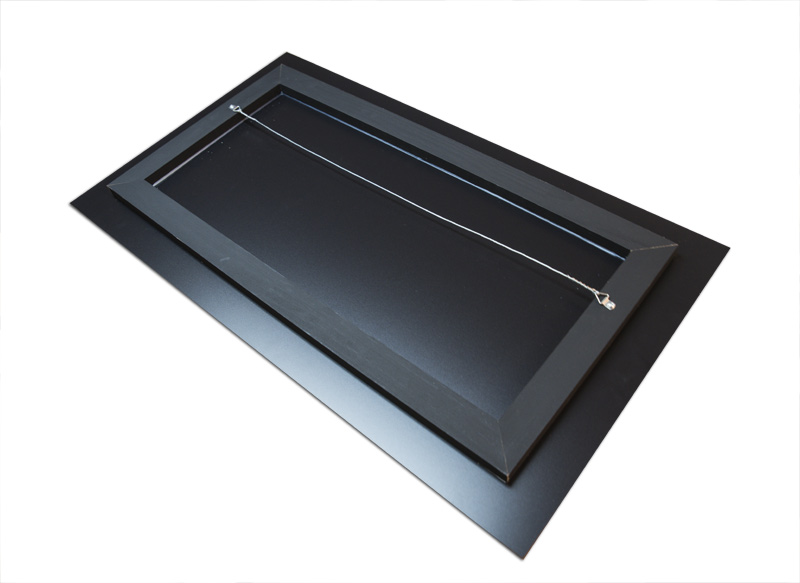
  Acrylic Print with Floating Frame on the back
Printed to the edge & Ready to hang. With a floating frame on the back and hanging wire    
1/8" Thickness:
20 x 20 inches
51 x 51 cm
Image Preview
$429
24 x 24 inches
62 x 62 cm
Image Preview
$559
30 x 30 inches
77 x 77 cm
Image Preview
$798
36 x 36 inches
92 x 92 cm
Image Preview
$1092
42 x 42 inches
108 x 108 cm
Image Preview
$1802
48 x 48 inches
123 x 123 cm
Image Preview
$2201
3/16" Thickness:
20 x 20 inches
51 x 51 cm
Image Preview
$581
24 x 24 inches
62 x 62 cm
Image Preview
$746
30 x 30 inches
77 x 77 cm
Image Preview
$1050
36 x 36 inches
92 x 92 cm
Image Preview
$1421
42 x 42 inches
108 x 108 cm
Image Preview
$2224
48 x 48 inches
123 x 123 cm
Image Preview
$2730

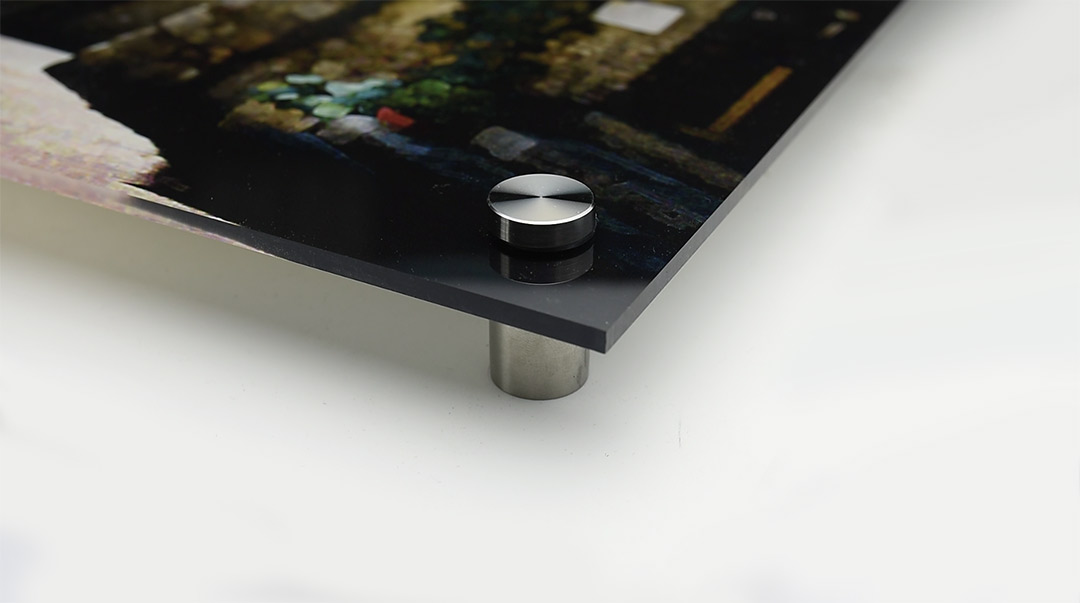
  Acrylic Print with Stand off
Printed to the edge - Ready to hang - provided with 4 premium polished aluminum stand off ( wall screws and mounting hardware provided )
We suggest a thicker 3/16" acrylic for any size over 42 inches to guarantee a straight acrylic, without curvature
1/8" Thickness:
20 x 20 inches
51 x 51 cm
Image Preview
$429
24 x 24 inches
62 x 62 cm
Image Preview
$559
30 x 30 inches
77 x 77 cm
Image Preview
$798
36 x 36 inches
92 x 92 cm
Image Preview
$1092
42 x 42 inches
108 x 108 cm
Image Preview
$1802
48 x 48 inches
123 x 123 cm
Image Preview
$2201
3/16" Thickness:
20 x 20 inches
51 x 51 cm
Image Preview
$581
24 x 24 inches
62 x 62 cm
Image Preview
$746
30 x 30 inches
77 x 77 cm
Image Preview
$1050
36 x 36 inches
92 x 92 cm
Image Preview
$1421
42 x 42 inches
108 x 108 cm
Image Preview
$2224
48 x 48 inches
123 x 123 cm
Image Preview
$2730


Brushed Metal Print / Smooth White Metal Print

360 View
🔄

Loading 3D Viewer...

Click and drag to rotate • Scroll to zoom

The areas of the photograph that are white or very light are not printed The white areas appear metallic.
Robust, very light and provides an amazing aluminum lighting effect [+]

  Brushed Metal Print with Floating Frame on the back
Printed to the edge & Ready to hang a floating frame and hanging wire 
20 x 20 inches
51 x 51 cm
Image Preview
$405
24 x 24 inches
62 x 62 cm
Image Preview
$528
30 x 30 inches
77 x 77 cm
Image Preview
$756
36 x 36 inches
92 x 92 cm
Image Preview
$1035
42 x 42 inches
108 x 108 cm
Image Preview
$1728
48 x 48 inches
123 x 123 cm
Image Preview
$2107

  Brushed Metal Print with Stand off
Printed to the edge - Ready to hang - provided with 4 premium polished aluminum stand off ( wall screws and mounting hardware provided )
20 x 20 inches
51 x 51 cm
Image Preview
$405
24 x 24 inches
62 x 62 cm
Image Preview
$528
30 x 30 inches
77 x 77 cm
Image Preview
$756
36 x 36 inches
92 x 92 cm
Image Preview
$1035
42 x 42 inches
108 x 108 cm
Image Preview
$1728
48 x 48 inches
123 x 123 cm
Image Preview
$2107

Direct print on metal to provide a white smooth satin finish with controlled light reflection.
Robust, very light and provides a Matte effect [+]  


  White Metal Print with Floating Frame on the back
Printed to the edge & Ready to hang a floating frame and hanging wire 
20 x 20 inches
51 x 51 cm
Image Preview
$405
24 x 24 inches
62 x 62 cm
Image Preview
$528
30 x 30 inches
77 x 77 cm
Image Preview
$756
36 x 36 inches
92 x 92 cm
Image Preview
$1035
42 x 42 inches
108 x 108 cm
Image Preview
$1728
48 x 48 inches
123 x 123 cm
Image Preview
$2107

  White Metal Print with Stand off
Printed to the edge - Ready to hang - provided with 4 premium polished aluminum stand off ( wall screws and mounting hardware provided )
20 x 20 inches
51 x 51 cm
Image Preview
$405
24 x 24 inches
62 x 62 cm
Image Preview
$528
30 x 30 inches
77 x 77 cm
Image Preview
$756
36 x 36 inches
92 x 92 cm
Image Preview
$1035
42 x 42 inches
108 x 108 cm
Image Preview
$1728
48 x 48 inches
123 x 123 cm
Image Preview
$2107


HD ChromaLuxe Sublimation High-Gloss Metal Print

360 View
A.P.Polo - Calibre   HD Metal print with Floating Frame on Back
🔄

Loading 3D Viewer...

Click and drag to rotate • Scroll to zoom

A.P.Polo - Calibre  HD Sublimation Metal print
A.P.Polo - Calibre  Metal print

Color brilliance, superior durability and archival qualities
This artwork is produced on a dye sublimation Chromaluxe high-definition metal panel  
Video
[+]

  Sublimation Hi-Gloss White Metal Print with Back frame
Printed to the edge & Ready to hang a floating frame and hanging wire 
20 x 20 inches
51 x 51 cm
Image Preview
$523
24 x 24 inches
62 x 62 cm
Image Preview
$701
30 x 30 inches
77 x 77 cm
Image Preview
$1029
36 x 36 inches
92 x 92 cm
Image Preview
$1429

  Sublimation Hi-Gloss White Metal Print with Decorating Floating Moulding (Black)
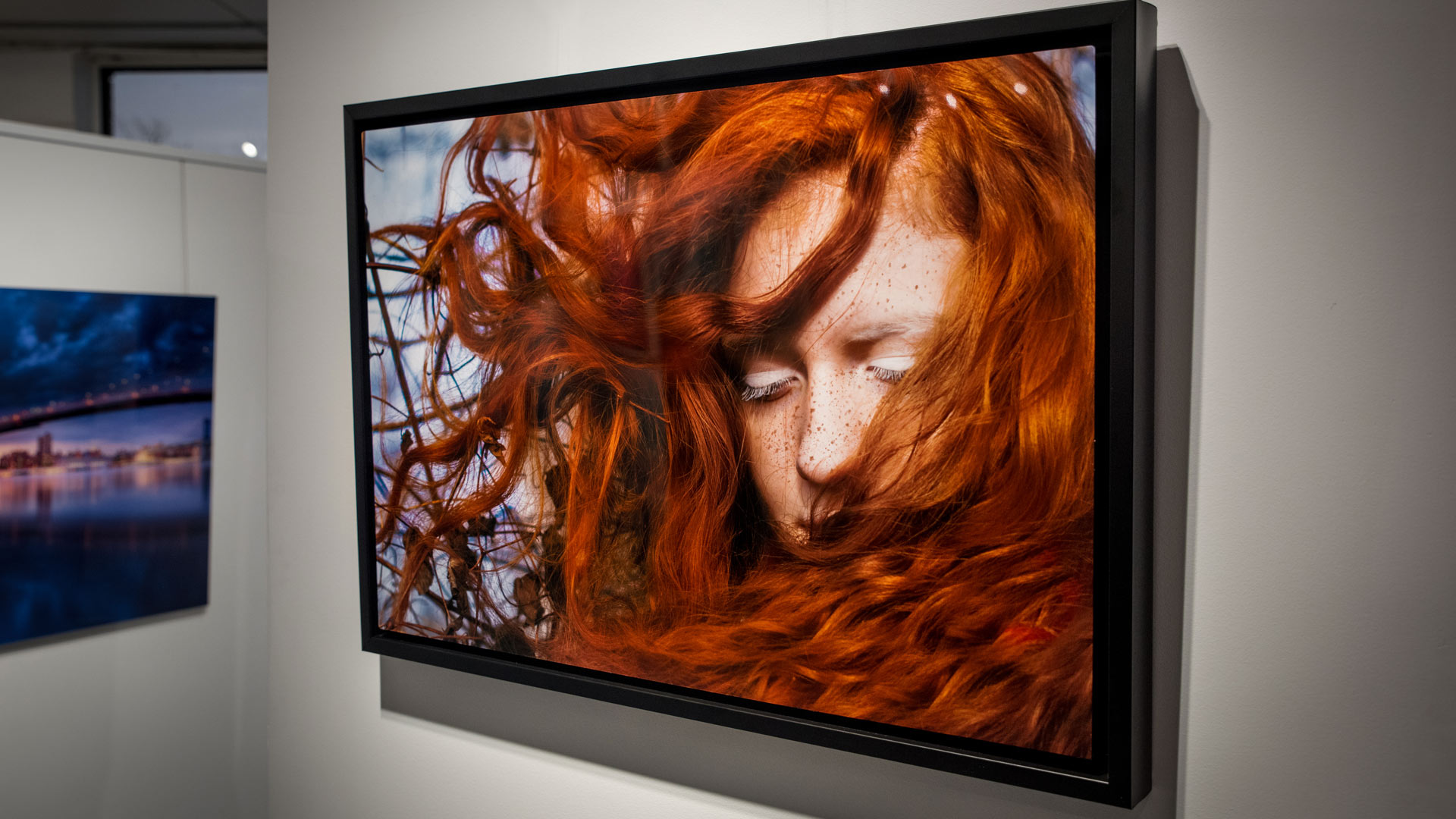
Inside a decorating frame (Box) - Black Floating Frame
20 x 20 inches
51 x 51 cm
Image Preview
$627
24 x 24 inches
62 x 62 cm
Image Preview
$835
30 x 30 inches
77 x 77 cm
Image Preview
$1209
36 x 36 inches
92 x 92 cm
Image Preview
$1655


Wood Print

360 View
A.P.Polo - Calibre   Wood print
🔄

Loading 3D Viewer...

Click and drag to rotate • Scroll to zoom

A.P.Polo - Calibre  Wood print

Printed with UV cured inks providing an incredible high quality printed image which is scratch resistant with colors that will not fade overtime.
White and lighter areas are not printed on the wood, revealing the beauty of the wood’s texture and natural beauty!
Printed on 3/8" (9mm) thick and strong and durable Russian Birch wood which is ready to hang and enjoy! [+]

Wood Print with Back Frame Mount
Printed to the edge & Ready to hang a floating frame  
Video
[+]
20 x 20 inches
51 x 51 cm
Image Preview
$376
24 x 24 inches
62 x 62 cm
Image Preview
$489
30 x 30 inches
77 x 77 cm
Image Preview
$698
36 x 36 inches
92 x 92 cm
Image Preview
$953
42 x 42 inches
108 x 108 cm
Image Preview
$1618
48 x 48 inches
123 x 123 cm
Image Preview
$1965


Roll Print

We ship worldwide

Mural Print

Easy to Install. Washable & Repositionable Self-Adhesive Vinyl [+]
Video
To get your mural price, enter your wall measurement:

INCH FOOT CM
Width: in.
Heigth: in.
Width: ft in
Heigth: ft in
Width: cm
Heigth: cm


Our 10 Color Technology
Our wall murals are produced on printers with Outstanding photographic print quality & durability Extreme image resolution : photographic image quality with the largest color gamut in its class

Easy to Install
Our Wall Mural Print is removable without any damage to your walls. Easy to change or remove. We are using a premium 6 mil auto-adhesive vinyl with a subtile linen-cotton canvas texture.
Change the look and feel of a room without the hassle of traditional wallpaper. Our wall murals print are the perfect solution to easily enhance any residential or commercial space alike!

Repositionable self-adhesive vinyl delivered in strip of 35 to 45 inches of width and slightly overlap for easy installation.
[More info about our Mural prints]
Framed Print View 3D

Get this artwork "A.P.Polo - Calibre " in a framed print.
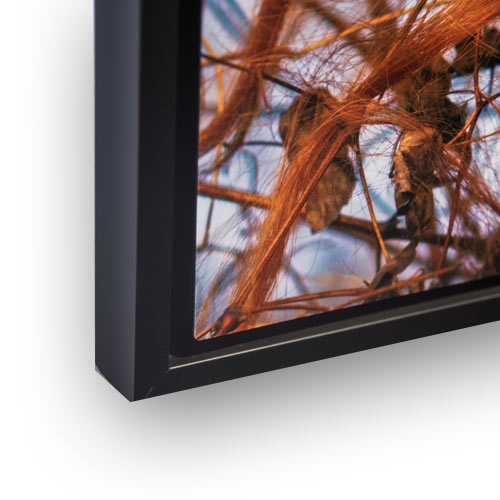
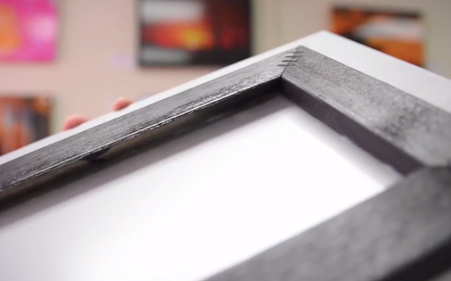
Fully customizable - at the exact size you want. Select paper type, glass, matte and decorating frame
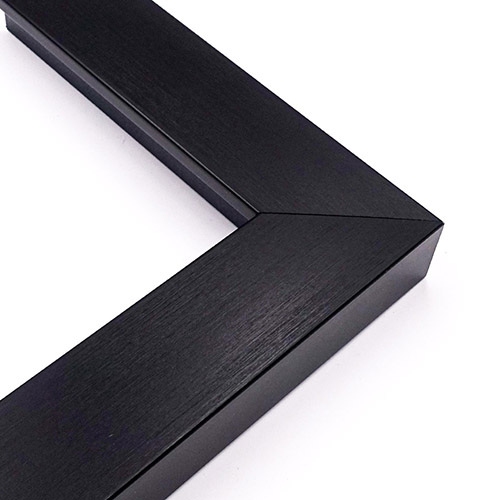
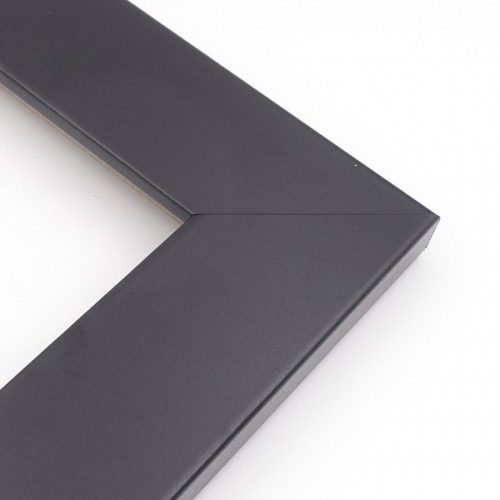
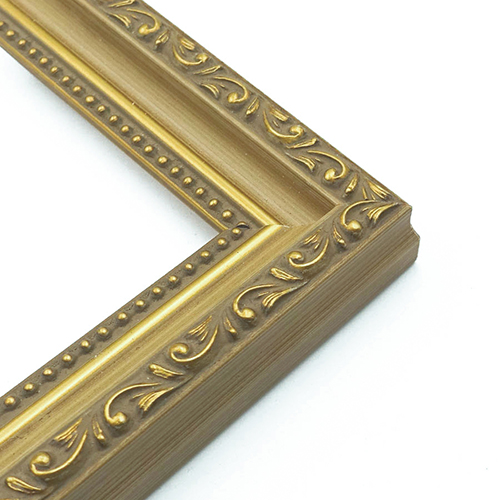
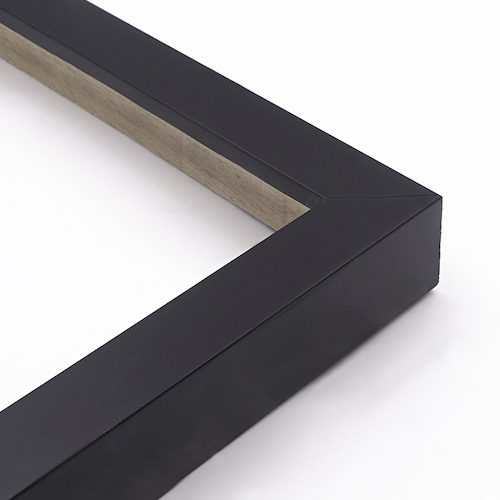
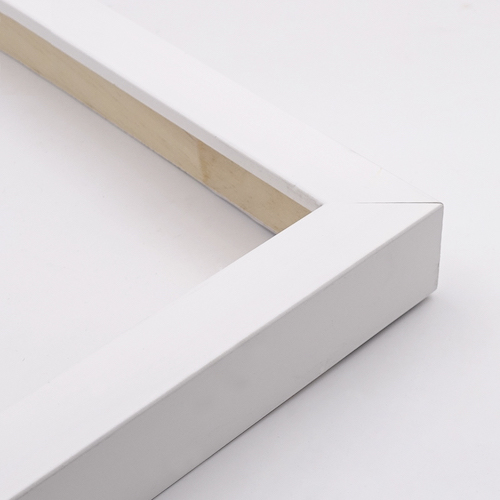
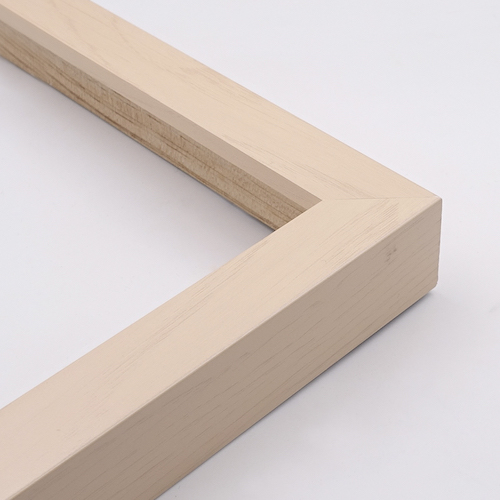
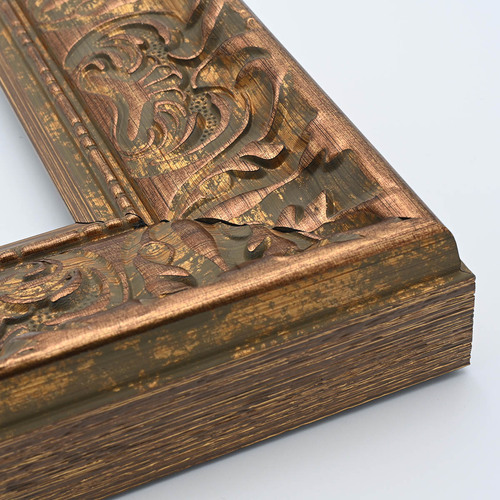
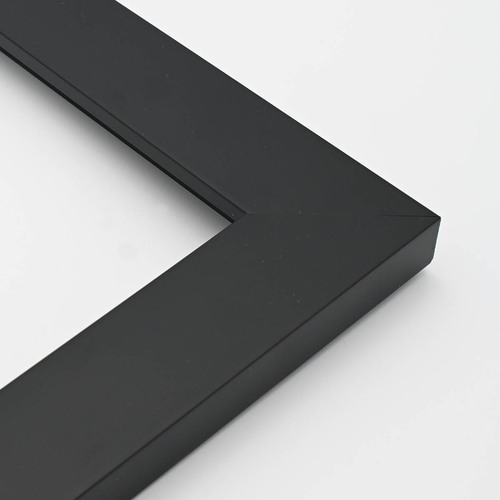
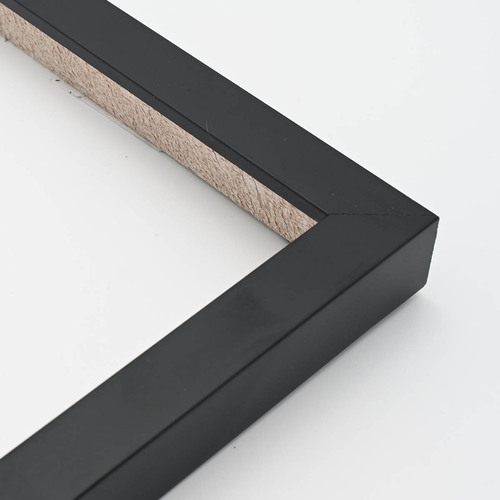
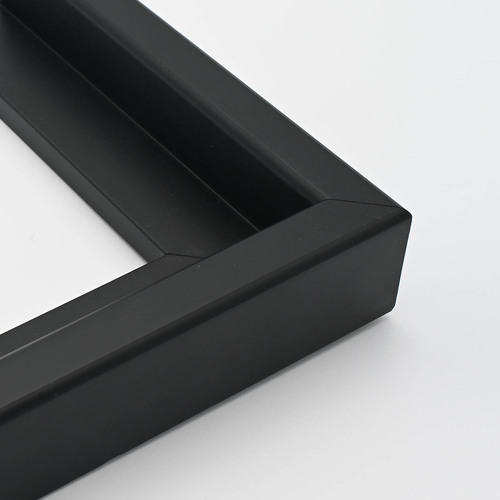
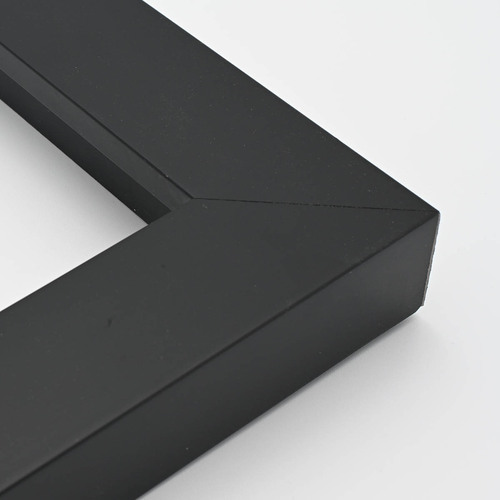
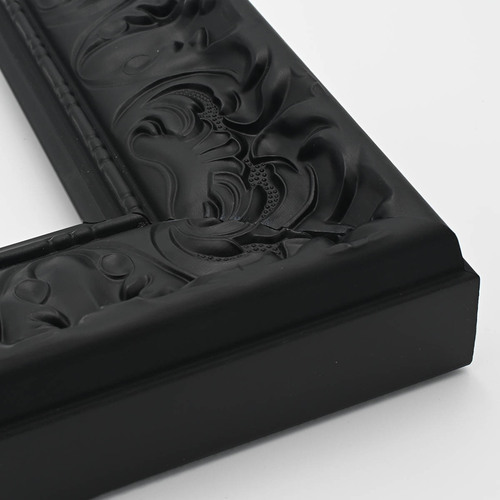
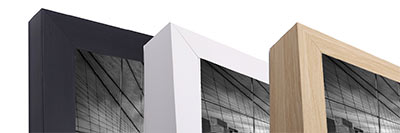
Start building your custom framed print by selecting one the following moulding:
A.P.Polo - Calibre  Picture Frame Printing
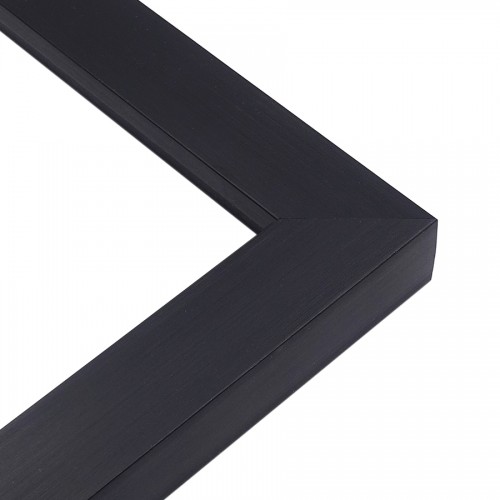
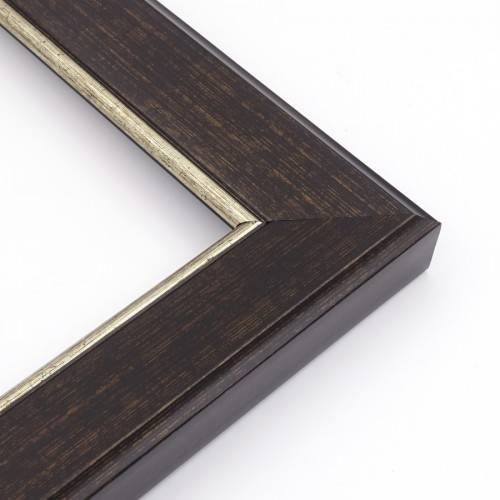
Frame model shown: 832-745

Moulding  Frame
Moulding  Frame
Moulding  Frame
Moulding  Frame
Moulding  Frame
Moulding  Frame
Moulding  Frame
Moulding  Frame
Moulding  Frame
Moulding  Frame
Moulding  Frame
Moulding  Frame
Moulding  Frame
Moulding  Frame
Moulding  Frame

Standard size framed print

   [+]  
Video

28 x 28"
$379
28 x 28" Framed Print View 3D

A.P.Polo - Calibre  Frame print
Printed Area: 24 x 24"
Total Inside area: 28.00 x 28.00"
White Border: 2" on each side
Frame Width: 1.25" on each side
Total Physical dimension: 29.25 x 29.25"

Frame model: 832-745
Printing method: 1200dpi UV cured ink on fine art matte board
Ready to hang with wire at the back

Wall Clock

Product details

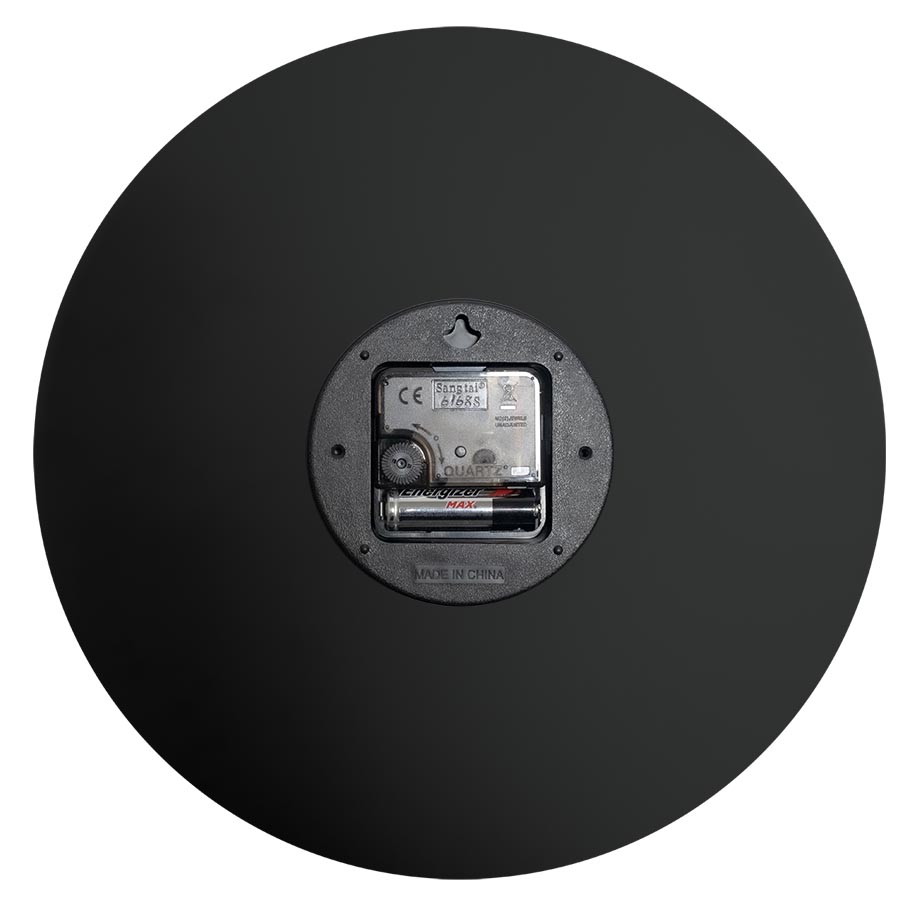
This artwork is Made with high-quality acrylic Ready to hang.   
Video

Clock mechanism with a Precise quartz movement. Battery included
Available in Square or Round format
Available in 12" 16" 24" sizes

Build yours

Digital Download

File resolution: 8558 x 8558 pixels


ABOUT THIS ARTWORK: A.P.POLO - CALIBRE
A.P.Polo - "Calibre" - Hamburg (Germany) - New Media Art. Abstract contemporary work that captivates with its geometry and skillful use of light and shadow. Remotely reminiscent of a mechanical automatic clockwork, this geometric abstraction makes use of monochrome painting, although the work can also be attributed to concrete art. In horology, a movement, also known as a caliber, is the mechanism of a watch or timepiece, as opposed to the case, which encloses and protects the movement, and the face, which displays the time. The term originated with mechanical timepieces, whose clockwork movements are made of many moving parts. Watch movements come in various shapes to fit different case styles, such as round, tonneau, rectangular, rectangular with cut corners, oval and baguette, and are measured in lignes, or in millimetres. Each specific watch movement is called a caliber. The movement parts are separated into two main categories: those belonging to the ébauches and those belonging to the assortments. In watch movements the wheels and other moving parts are mounted between two plates, which are held a small distance apart with pillars to make a rigid framework for the movement. One of these plates, the front plate just behind the face, is always circular, or the same shape and dimensions as the movement. Concrete art was an art movement with a strong emphasis on geometrical abstraction. The term was first formulated by Theo van Doesburg and was then used by him in 1930 to define the difference between his vision of art and that of other abstract artists of the time. "The work of art must be completely conceived and shaped in the mind before it is executed. It must contain nothing of the formal realities of nature, the senses and the feelings. We want to eliminate lyricism, drama, symbolism and so on. The picture must be constructed exclusively from plastic elements, i.e. from surfaces and colours. A picture element has no other meaning than itself. For we have left the time of searching and speculative experiments behind us. In the search for purity, artists were forced to destroy the natural form. Today the idea of the art form is as obsolete as the idea of the natural form. We foresee the time of pure painting. For nothing is more concrete, more real, than a line, a colour, a surface. Concrete and not abstract painting. For the spirit has reached the state of maturity. It needs clear, intellectual means to manifest itself in a concrete way. Colour is the basic substance of painting; it means only itself. Painting is a means of realising thought in a visual way: Every painting is a colour thought. Before the work is transformed into matter, it exists in a complete way in consciousness. It is also necessary that the realisation has a technical perfection equal to that of the mental design. We work with the quantities of mathematics - Euclidean or non-Euclidean - and science, that is: with the means of thought." "Painting is a means of realising thought in an optical way". After his death in 1931, the term was further defined and popularized by Max Bill, who organized the first international exhibition in 1944 and went on to help promote the style in Latin America. The term was taken up widely after World War 2 and promoted through a number of international exhibitions and art movements. Around 1903, a major turning point in art began. Painting and sculpture became increasingly distant from visible reality. Henri Matisse said that when you look at a painting, you have to completely forget what it represents. It is art that grants form, colour and pictorial composition far-reaching autonomy from the representational. This movement away from the world of the visible was called abstraction. It is about concentrating on the essential, the necessary. From 1910 onwards, an art emerged that consistently pursued the path of abstraction. Every remnant of representation, pictorial or figurative, was rejected: "Could such an art - which had obviously become completely independent - still be called an extreme form of abstraction, integral or total abstraction? Was there not something fundamentally new, a complete autonomy of pictorial design?" Wassily Kandinsky stated that art now only followed its own, art-immanent laws. It was an art of pure non-objectivity. Quote: "The new art has brought to the fore the principle that art can only have itself as its content. Thus we do not find in it the idea of anything, but only the idea of art itself, of its self-content. Art's very own idea is its non-objectivity." In 1930, Michel Seuphor had defined the role of the abstract artist in the first issue of Cercle et Carré. It was “to establish, on the foundations of a structure that is simple, severe and unadorned in every part, and within a basis of unconcealed narrow unity with this structure, an architecture which, using the technical means available to its period, expresses in a clear language that which is truly immanent and immutable.” The art historian Werner Haftmann traces the development of the pure abstraction proposed by Seuphor to the synthesis of Russian Constructivism and Dutch Neo-Plasticism in the Bauhaus, where painting abandoned the artificiality of representation for technological authenticity. “In close connection with architecture and engineering, art should endeavour to give form to life itself. The former provided new sources of inspiration as well as new materials – steel, aluminium, glass, synthetic materials.” As van Doesburg had pointed out in his manifesto, in order to be universal, art must abandon subjectivity and find impersonal inspiration purely in the elements of which it is constructed: line, plane and color. Some later artists associated with this tendency, such as Victor Vasarély, Jean Dewasne, Mario Negro and Richard Mortensen, only came to painting after first studying science. Nevertheless, all theoretical advances seek justification in past practice, and in this case the mathematical proportions expressed in abstract form are to be identified in various art forms over millennia. Thus, argued Haftmann, “the elimination of representational images and the overt use of pure geometry do not imply a radical and definitive rejection of the great art of the past, but rather a reassertion of its eternal values stripped of their historical and social disguises.” While Abstraction-Création was a grouping of all modernistic tendencies, there were those within it who carried the idea of mathematically inspired art and the term ‘concrete art’ to other countries when they moved elsewhere. A key figure among them was Joaquin Torres García, who returned to South America in 1934 and mentored artists there. Some of those went on to found the group Arte Concreto Invención in Buenos Aires in 1945. Another was the designer Max Bill, who had studied at the Bauhaus in 1927-9. After returning to Switzerland, he helped organize the Allianz group to champion the ideals of Concrete Art. In 1944 he organized the first international exhibition in Basle and at the same time founded abstract-konkret, the monthly bulletin of the Gallerie des Eaux Vives in Zurich. By 1960 Bill was organizing a large retrospective exhibition of Concrete Art in Zürich illustrating 50 years of its development. In 1949, Max Bill formulated the goal of Concrete Art in his introduction to the catalogue of the Zurich Concrete Art exhibition: "The goal of Concrete Art is to develop objects for intellectual use, in a similar way to how man creates objects for material use. In its ultimate consequence, concrete art is the pure expression of harmonious measure and law. It orders systems and gives life to these orders by artistic means". Monochrome painting was initiated at the first Incoherent arts' exhibition in 1882 in Paris, with a black painting by poet Paul Bilhaud entitled Combat de Nègres dans un tunnel (Negroes fight in a tunnel). (Although Bilhaud was not the first to create an all-black artwork: for example, Robert Fludd published an image of Darkness in his 1617 book on the origin and structure of the cosmos; and Bertall published his black Vue de La Hogue (effet de nuit) in 1843.) In the subsequent exhibitions of the Incoherent arts (also in the 1880s) the writer Alphonse Allais proposed other monochrome paintings, such as "Première communion de jeunes filles chlorotiques par un temps de neige" ("First communion of anaemic young girls in the snow", white), or "Récolte de la tomate par des cardinaux apoplectiques au bord de la Mer Rouge" ("Tomato harvesting by apoplectic cardinals on the shore of the Red Sea", red). Allais published his Album primo-avrilesque in 1897, a monograph with seven monochrome artworks. However, this kind of activity bears more similarity to 20th century Dada, or Neo-Dada, and particularly the works of the Fluxus group of the 1960s, than to 20th century monochrome painting since Malevich. In a broad and general sense, one finds European roots of minimalism in the geometric abstractions of painters associated with the Bauhaus, in the works of Kazimir Malevich, Piet Mondrian and other artists associated with the De Stijl movement, and the Russian Constructivist movement, and in the work of the Romanian sculptor Constantin Brâncu?i. Minimal art is also inspired in part by the paintings of Barnett Newman, Ad Reinhardt, Josef Albers, and the works of artists as diverse as Pablo Picasso, Marcel Duchamp, Giorgio Morandi, and others. Minimalism was also a reaction against the painterly subjectivity of Abstract Expressionism that had been dominant in the New York School during the 1940s and 1950s. The wide range of possibilities (including impossibility) of interpretation of monochrome paintings is arguably why the monochrome is so engaging to so many artists, critics, and writers. Although the monochrome has never become dominant and few artists have committed themselves exclusively to it, it has never gone away. It reappears as though a spectre haunting high modernism, or as a symbol of it, appearing during times of aesthetic and sociopolitical upheavals. Monochrome painting as it is usually understood today began in Moscow, with Suprematist Composition: White on White of 1918 by Suprematist artist Kazimir Malevich. This was a variation on or sequel to his 1915 work Black Square on a White Field, a very important work in its own right to 20th century geometric abstraction. In 1921, Constructivist artist Alexander Rodchenko exhibited three paintings together, each a monochrome of one of the three primary colours. He intended this work to represent The Death of Painting. While Rodchenko intended his monochrome to be a dismantling of the typical assumptions of painting, Malevich saw his work as a concentration on them, a kind of meditation on art's essence (“pure feeling”). These two approaches articulated very early on in its history this kind of work's almost paradoxical dynamic: that one can read a monochrome either as a flat surface (material entity or “painting as object”) which represents nothing but itself, and therefore representing an ending in the evolution of illusionism in painting; or as a depiction of multidimensional (infinite) space, a fulfillment of illusionistic painting, representing a new evolution—a new beginning—in Western painting's history. Additionally, many have pointed out that it may be difficult to deduce the artist's intentions from the painting itself, without referring to the artist's comment. Chronos is the personification of time in Greek mythology. He is partly identified with the Titan Kronos. He symbolises the passage of time and also the duration of life. Chronos comes from the myths of the Orphics, an ancient religious movement in Greece, southern Italy and the Black Sea coast (from around the 6th/5th century BC). According to these myths, he himself emerged from the dark chaos and, as the creator god, produced the silver world egg from the aether. This in turn gave rise to Phanes, the god of light, who was particularly revered by the Orphics and identified with Helios, but also with Eros and Dionysus. Chronos plays an important role in the speculative poetry of the Orphics, but a cult of Chronos never existed in antiquity. There was also no fixed iconography and no representations of Chronos in archaic and classical Greek art. The oldest known representation is on a relief from Hellenistic times. There Chronos appears as a beardless figure with large wings. Chronos was the personification of an abstract concept and not a component of Greek popular religion. The same applies to Phanes, who also had no popular cult.


Ships in Continental USA & Canada (Free shipping)

Report this artwork
Print One Plant One
One tree planted for every print.  Pictorem supports Trees for the Future, a 501(c)3 non-profit organization, that operates an agroforesty program to restore trees to degraded lands by working with smallholder farmers.

CREATE ACCOUNT

FORGOT YOUR USER ACCOUNT DETAILS?

TOP