Loading..
GENERATING IMAGE. PLEASE WAIT...

Like it
LIMITED EDITION of 50

# 451008

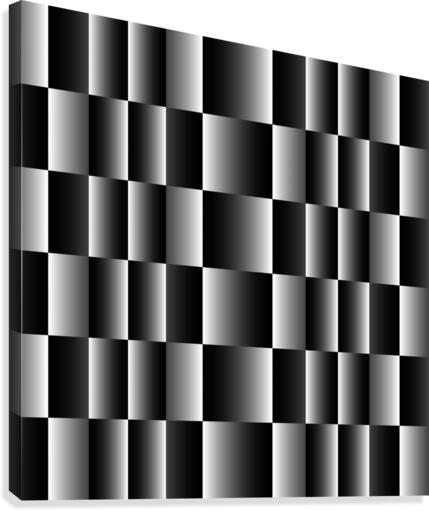
A.P.POLO - CHESS


Available in :
LIMITED EDITION of 50
Pictorem Reviews 4.8 Average Rating by 126k customers
See this artwork on various walls
Wall decor artwork generator Wall decor artwork generator Wall decor artwork generator


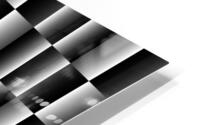
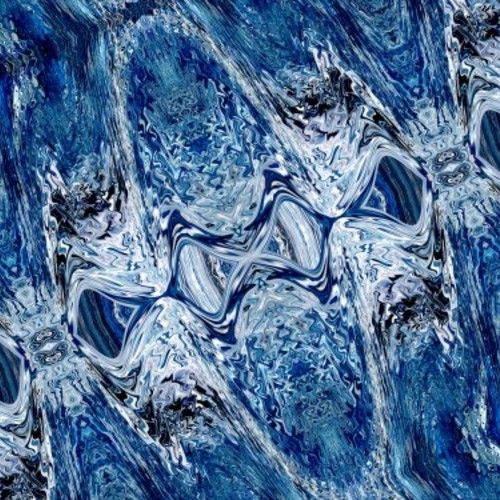
A.P.Polo - "Chess" -Hamburg (Germany) - New Media Art. Abstract, contemporary, monochromatic work in which the artist devotes himself to his passion f...[+]


1739 views


Facebook Pinterest Email to a friend


Keywords:
[+] expand
Browse for similar dominant colors:

Giclée Canvas Print

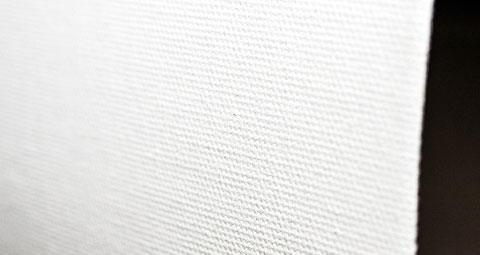
All our stretched Canvas are custom made on a Premium Fine Art Matte Canvas 410g/m2 1.5 Inch Thick wood for a real gallery look     
Giclee printing with Pigment ink designed to meet galleries and museum longevity requirements and ensure consistency of shades 200 years old. [+]

Stretched Canvas Print   We ship in USA & Canada
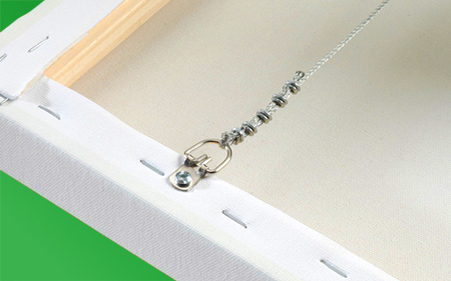
Ready to hang - Stretched on 1.5" inch thick pine wood - Gallery style
12 x 12 inches
31 x 31 cm
Image Preview
$140
16 x 16 inches
41 x 41 cm
Image Preview
$178
20 x 20 inches
51 x 51 cm
Image Preview
$267
24 x 24 inches
62 x 62 cm
Image Preview
$288
30 x 30 inches
77 x 77 cm
Image Preview
$399
36 x 36 inches
92 x 92 cm
Image Preview
$535
42 x 42 inches
108 x 108 cm
Image Preview
$1076
48 x 48 inches
123 x 123 cm
Image Preview
$1221


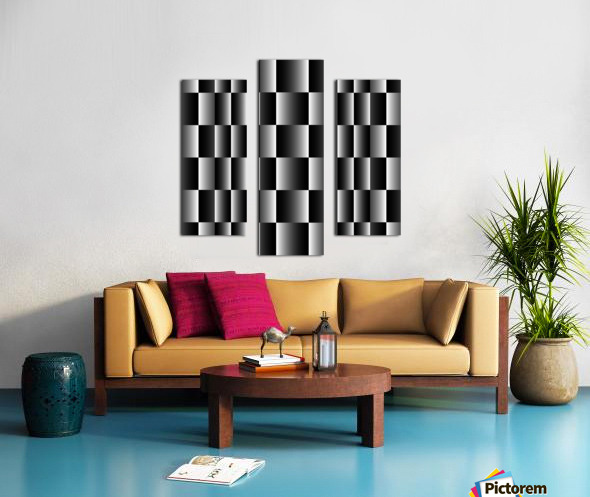
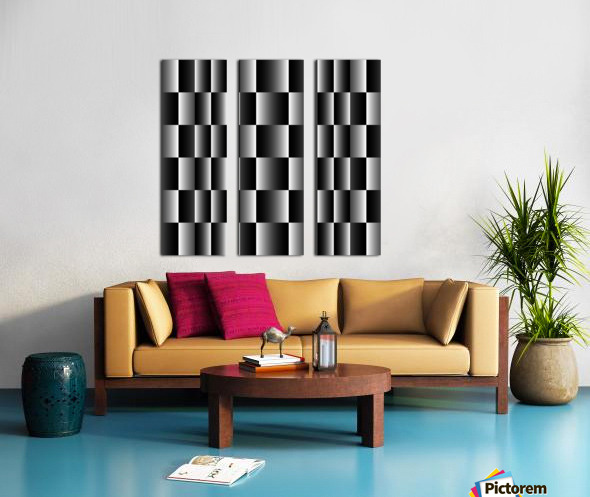
Stretched Split Canvas


A.P.Polo - Chess Canvas print
36 x 36 cross triptych split canvas
39 x 36 inches including space.
1X [ 12x36 ]   2X [ 12x30 ]
$662

Acrylic Print

360 View
🔄

Loading 3D Viewer...

Click and drag to rotate • Scroll to zoom
360 View
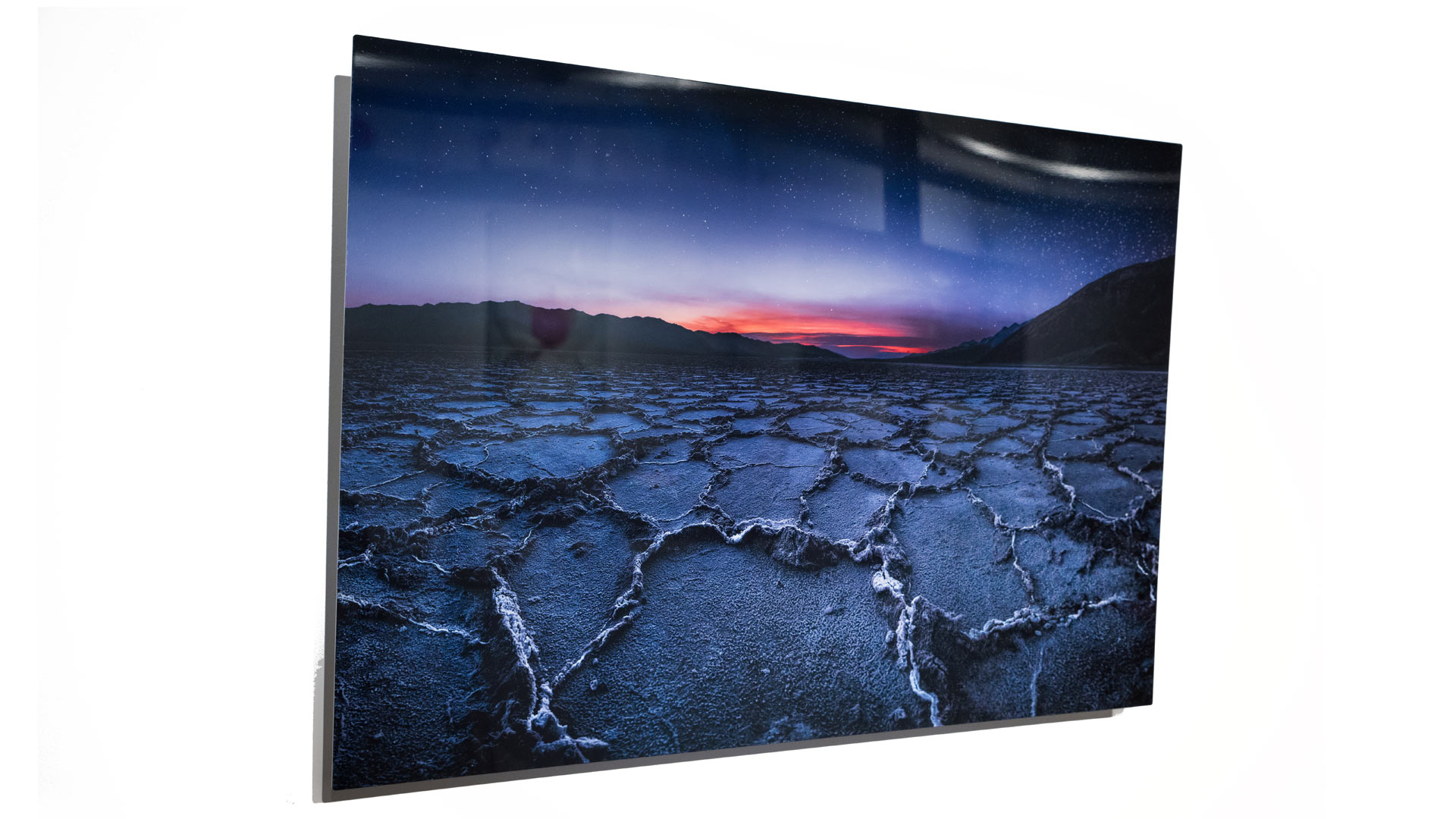
Get a Modern piece of art with this vibrant Acrylic Print.
Fine Art made from a Premium polished, best-in-class, 99.9% optically pure acrylic and the latest Flatbed printing craftmanship.  
Video
[+]

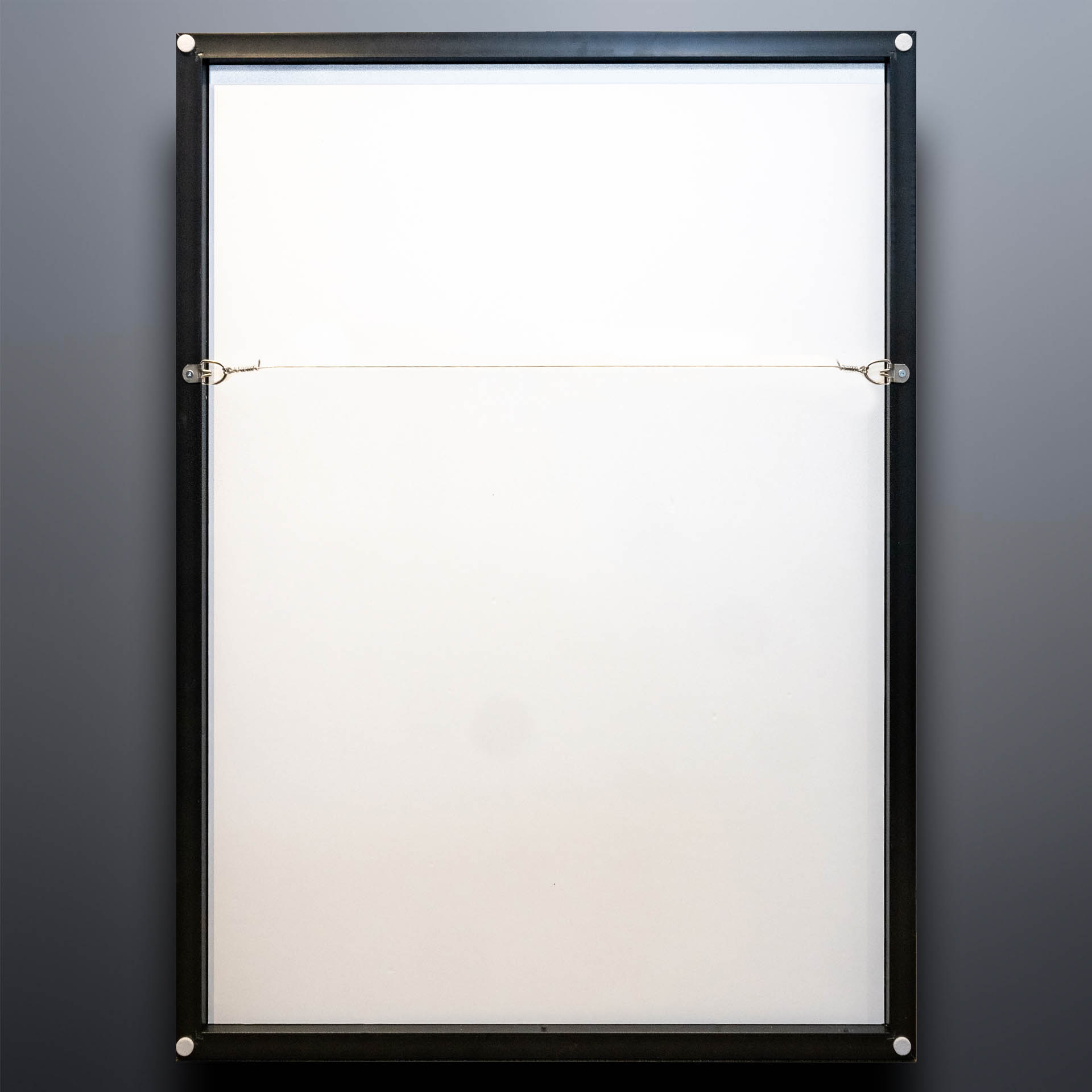
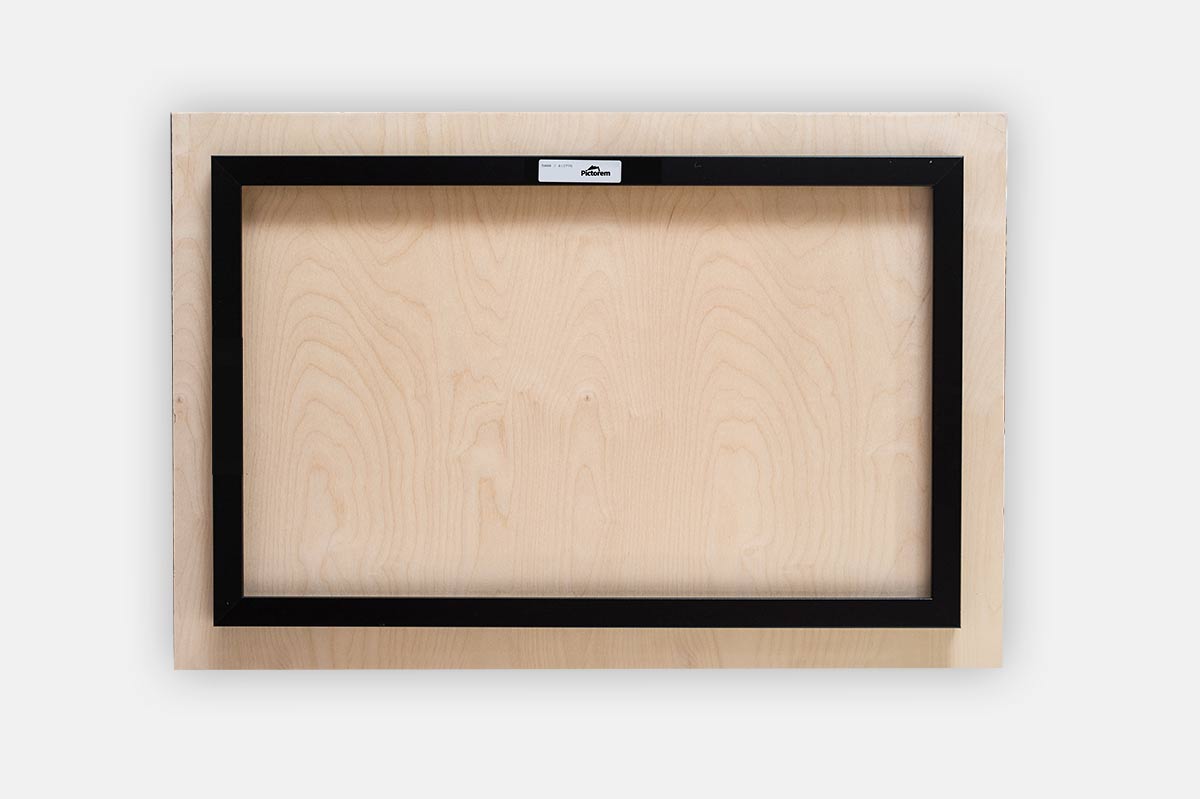
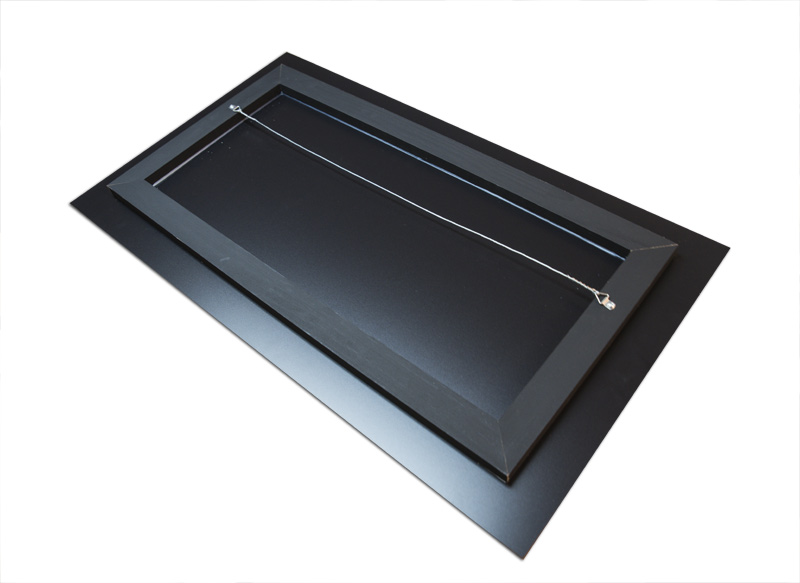
  Acrylic Print with Floating Frame on the back
Printed to the edge & Ready to hang. With a floating frame on the back and hanging wire    
1/8" Thickness:
12 x 12 inches
31 x 31 cm
Image Preview
$223
16 x 16 inches
41 x 41 cm
Image Preview
$301
20 x 20 inches
51 x 51 cm
Image Preview
$401
24 x 24 inches
62 x 62 cm
Image Preview
$522
30 x 30 inches
77 x 77 cm
Image Preview
$746
36 x 36 inches
92 x 92 cm
Image Preview
$1020
42 x 42 inches
108 x 108 cm
Image Preview
$1684
48 x 48 inches
123 x 123 cm
Image Preview
$2058
3/16" Thickness:
12 x 12 inches
31 x 31 cm
Image Preview
$319
16 x 16 inches
41 x 41 cm
Image Preview
$417
20 x 20 inches
51 x 51 cm
Image Preview
$543
24 x 24 inches
62 x 62 cm
Image Preview
$697
30 x 30 inches
77 x 77 cm
Image Preview
$981
36 x 36 inches
92 x 92 cm
Image Preview
$1328
42 x 42 inches
108 x 108 cm
Image Preview
$2079
48 x 48 inches
123 x 123 cm
Image Preview
$2552

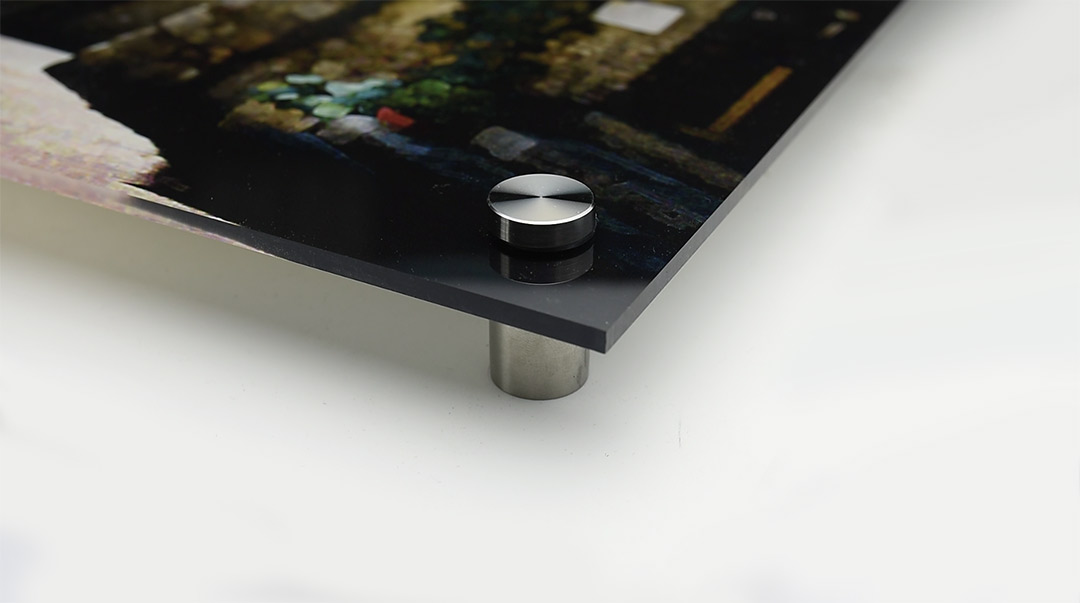
  Acrylic Print with Stand off
Printed to the edge - Ready to hang - provided with 4 premium polished aluminum stand off ( wall screws and mounting hardware provided )
We suggest a thicker 3/16" acrylic for any size over 42 inches to guarantee a straight acrylic, without curvature
1/8" Thickness:
12 x 12 inches
31 x 31 cm
Image Preview
$223
16 x 16 inches
41 x 41 cm
Image Preview
$301
20 x 20 inches
51 x 51 cm
Image Preview
$401
24 x 24 inches
62 x 62 cm
Image Preview
$522
30 x 30 inches
77 x 77 cm
Image Preview
$746
36 x 36 inches
92 x 92 cm
Image Preview
$1020
42 x 42 inches
108 x 108 cm
Image Preview
$1684
48 x 48 inches
123 x 123 cm
Image Preview
$2058
3/16" Thickness:
12 x 12 inches
31 x 31 cm
Image Preview
$319
16 x 16 inches
41 x 41 cm
Image Preview
$417
20 x 20 inches
51 x 51 cm
Image Preview
$543
24 x 24 inches
62 x 62 cm
Image Preview
$697
30 x 30 inches
77 x 77 cm
Image Preview
$981
36 x 36 inches
92 x 92 cm
Image Preview
$1328
42 x 42 inches
108 x 108 cm
Image Preview
$2079
48 x 48 inches
123 x 123 cm
Image Preview
$2552


Brushed Metal Print / Smooth White Metal Print

360 View
🔄

Loading 3D Viewer...

Click and drag to rotate • Scroll to zoom

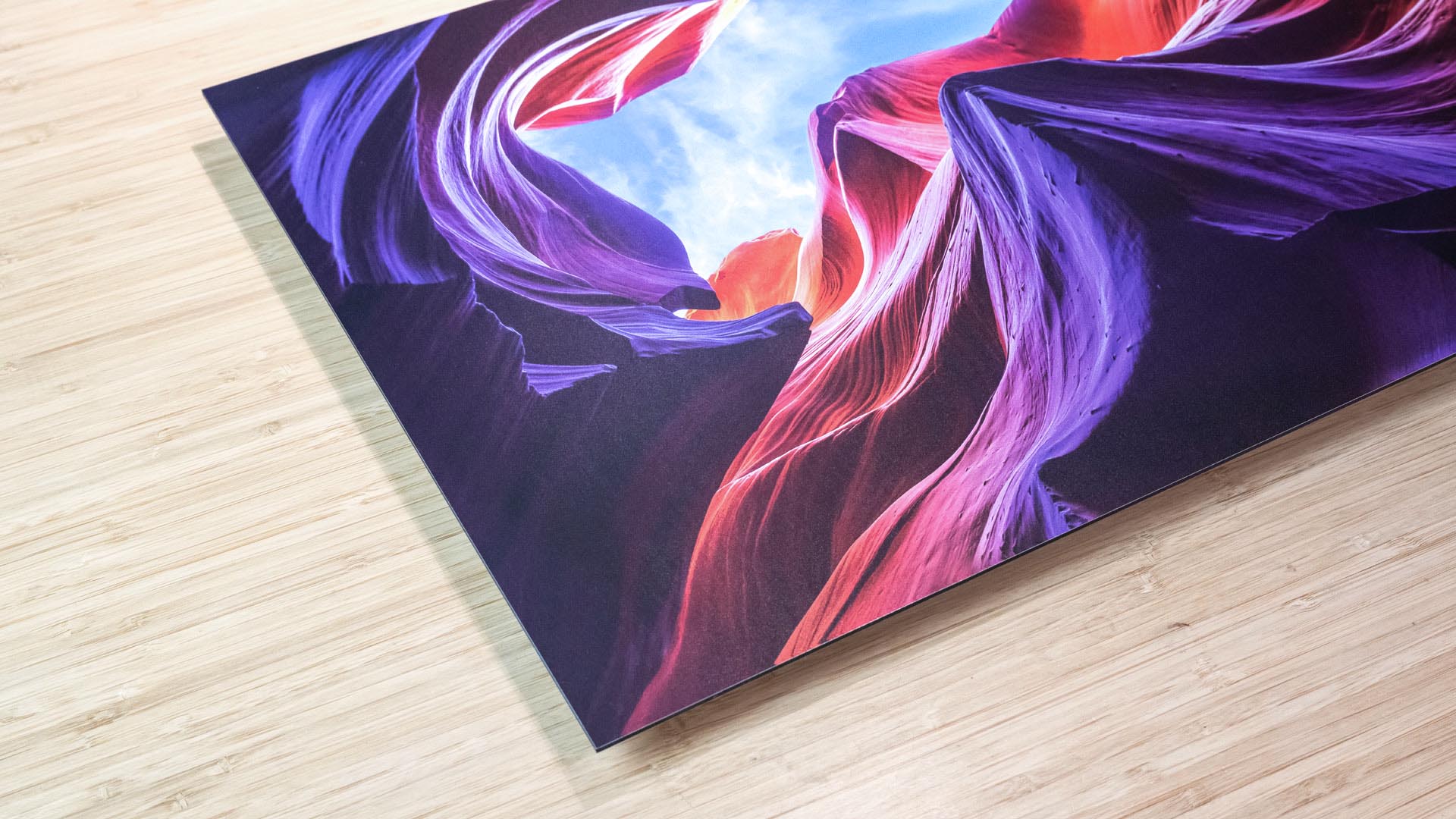
The areas of the photograph that are white or very light are not printed The white areas appear metallic.
Robust, very light and provides an amazing aluminum lighting effect [+]

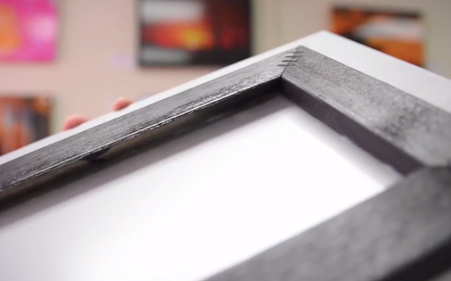
  Brushed Metal Print with Floating Frame on the back
Printed to the edge & Ready to hang a floating frame and hanging wire 
12 x 12 inches
31 x 31 cm
Image Preview
$210
16 x 16 inches
41 x 41 cm
Image Preview
$284
20 x 20 inches
51 x 51 cm
Image Preview
$378
24 x 24 inches
62 x 62 cm
Image Preview
$494
30 x 30 inches
77 x 77 cm
Image Preview
$707
36 x 36 inches
92 x 92 cm
Image Preview
$967
42 x 42 inches
108 x 108 cm
Image Preview
$1615
48 x 48 inches
123 x 123 cm
Image Preview
$1970

  Brushed Metal Print with Stand off
Printed to the edge - Ready to hang - provided with 4 premium polished aluminum stand off ( wall screws and mounting hardware provided )
12 x 12 inches
31 x 31 cm
Image Preview
$210
16 x 16 inches
41 x 41 cm
Image Preview
$284
20 x 20 inches
51 x 51 cm
Image Preview
$378
24 x 24 inches
62 x 62 cm
Image Preview
$494
30 x 30 inches
77 x 77 cm
Image Preview
$707
36 x 36 inches
92 x 92 cm
Image Preview
$967
42 x 42 inches
108 x 108 cm
Image Preview
$1615
48 x 48 inches
123 x 123 cm
Image Preview
$1970

Direct print on metal to provide a white smooth satin finish with controlled light reflection.
Robust, very light and provides a Matte effect [+]  


  White Metal Print with Floating Frame on the back
Printed to the edge & Ready to hang a floating frame and hanging wire 
12 x 12 inches
31 x 31 cm
Image Preview
$210
16 x 16 inches
41 x 41 cm
Image Preview
$284
20 x 20 inches
51 x 51 cm
Image Preview
$378
24 x 24 inches
62 x 62 cm
Image Preview
$494
30 x 30 inches
77 x 77 cm
Image Preview
$707
36 x 36 inches
92 x 92 cm
Image Preview
$967
42 x 42 inches
108 x 108 cm
Image Preview
$1615
48 x 48 inches
123 x 123 cm
Image Preview
$1970

  White Metal Print with Stand off
Printed to the edge - Ready to hang - provided with 4 premium polished aluminum stand off ( wall screws and mounting hardware provided )
12 x 12 inches
31 x 31 cm
Image Preview
$210
16 x 16 inches
41 x 41 cm
Image Preview
$284
20 x 20 inches
51 x 51 cm
Image Preview
$378
24 x 24 inches
62 x 62 cm
Image Preview
$494
30 x 30 inches
77 x 77 cm
Image Preview
$707
36 x 36 inches
92 x 92 cm
Image Preview
$967
42 x 42 inches
108 x 108 cm
Image Preview
$1615
48 x 48 inches
123 x 123 cm
Image Preview
$1970


HD ChromaLuxe Sublimation High-Gloss Metal Print

360 View
A.P.Polo - Chess  HD Metal print with Floating Frame on Back
🔄

Loading 3D Viewer...

Click and drag to rotate • Scroll to zoom

A.P.Polo - Chess HD Sublimation Metal print
A.P.Polo - Chess Metal print

Color brilliance, superior durability and archival qualities
This artwork is produced on a dye sublimation Chromaluxe high-definition metal panel  
Video
[+]

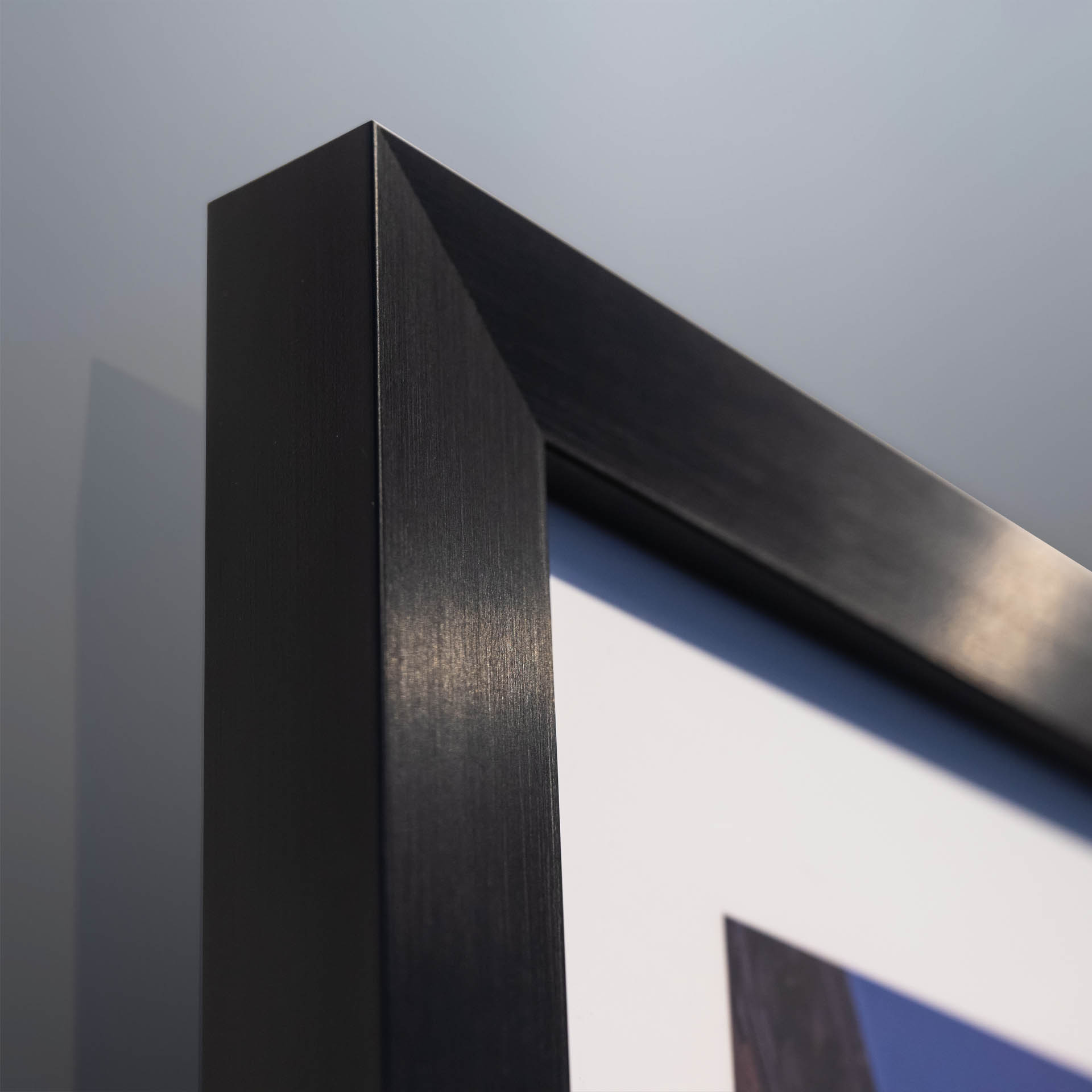
  Sublimation Hi-Gloss White Metal Print with Back frame
Printed to the edge & Ready to hang a floating frame and hanging wire 
12 x 12 inches
31 x 31 cm
Image Preview
$247
16 x 16 inches
41 x 41 cm
Image Preview
$353
18 x 18 inches
46 x 46 cm
Image Preview
$417
20 x 20 inches
51 x 51 cm
Image Preview
$489
24 x 24 inches
62 x 62 cm
Image Preview
$655
30 x 30 inches
77 x 77 cm
Image Preview
$962
36 x 36 inches
92 x 92 cm
Image Preview
$1336

  Sublimation Hi-Gloss White Metal Print with Decorating Floating Moulding (Black)
Inside a decorating frame (Box) - Black Floating Frame
12 x 12 inches
31 x 31 cm
Image Preview
$286
16 x 16 inches
41 x 41 cm
Image Preview
$421
18 x 18 inches
46 x 46 cm
Image Preview
$500
20 x 20 inches
51 x 51 cm
Image Preview
$586
24 x 24 inches
62 x 62 cm
Image Preview
$781
30 x 30 inches
77 x 77 cm
Image Preview
$1130
36 x 36 inches
92 x 92 cm
Image Preview
$1547


Wood Print

360 View
A.P.Polo - Chess  Wood print
🔄

Loading 3D Viewer...

Click and drag to rotate • Scroll to zoom

A.P.Polo - Chess Wood print

Printed with UV cured inks providing an incredible high quality printed image which is scratch resistant with colors that will not fade overtime.
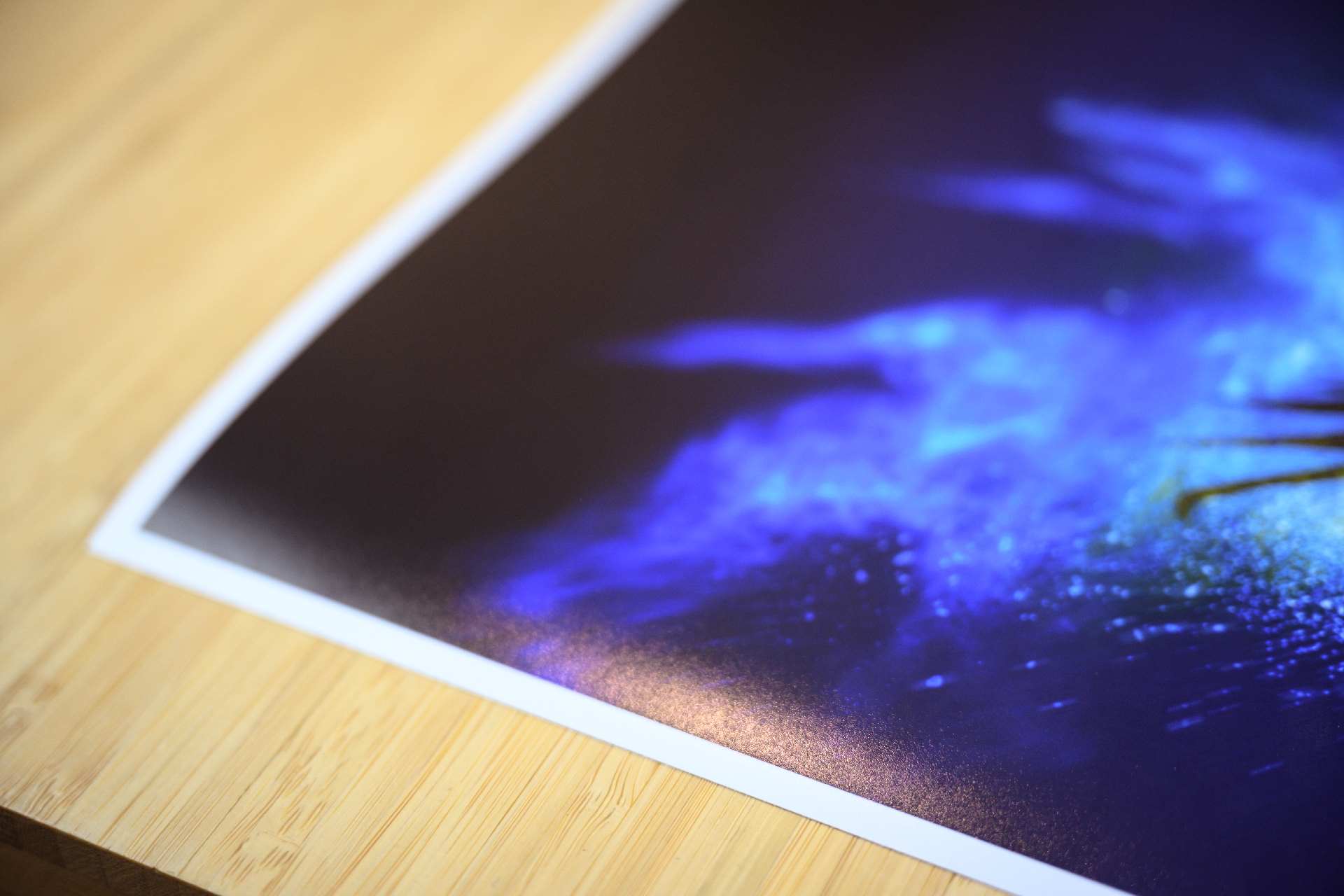
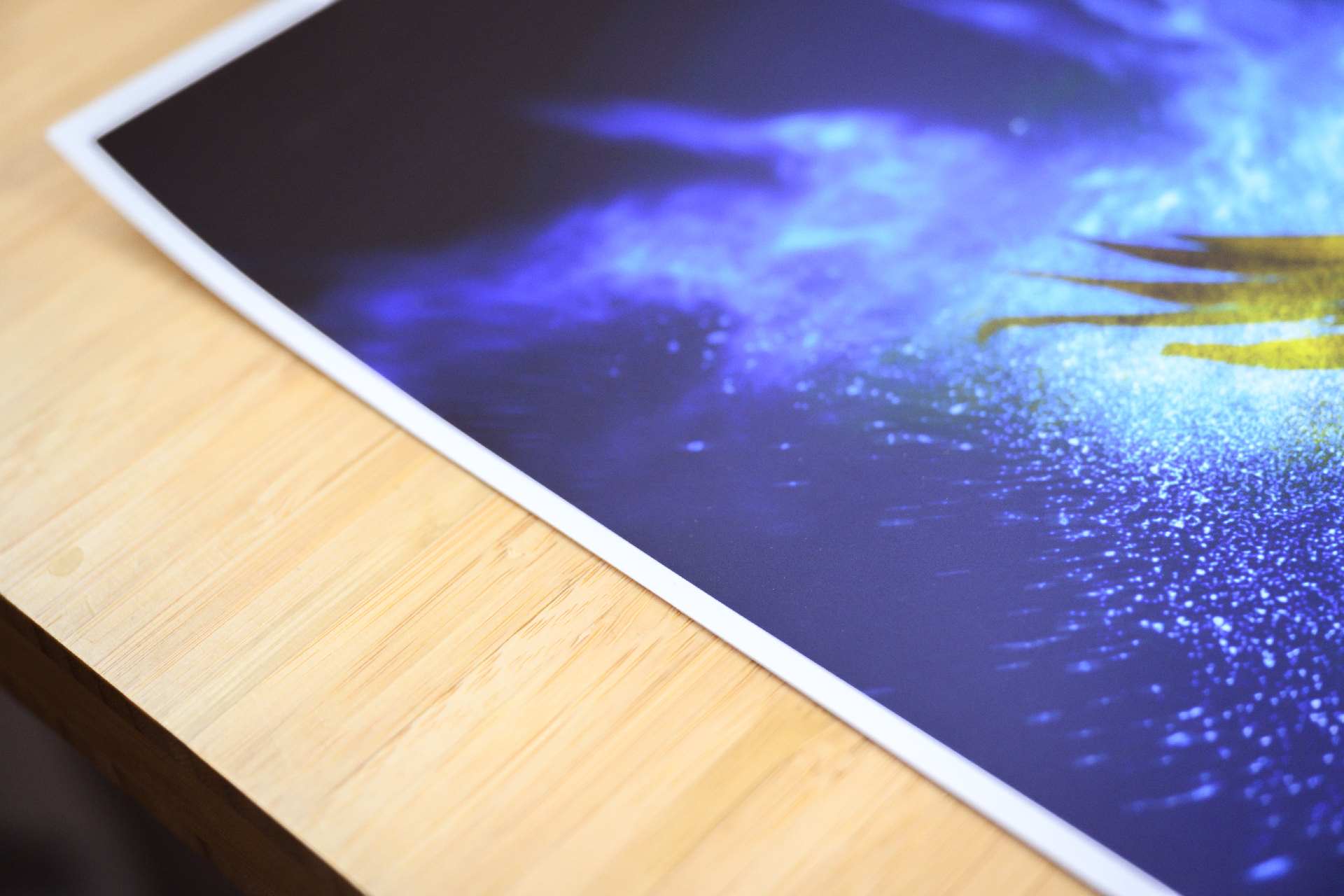
White and lighter areas are not printed on the wood, revealing the beauty of the wood’s texture and natural beauty!
Printed on 3/8" (9mm) thick and strong and durable Russian Birch wood which is ready to hang and enjoy! [+]

Wood Print with Back Frame Mount
Printed to the edge & Ready to hang a floating frame  
Video
[+]
12 x 12 inches
31 x 31 cm
Image Preview
$198
16 x 16 inches
41 x 41 cm
Image Preview
$265
20 x 20 inches
51 x 51 cm
Image Preview
$352
24 x 24 inches
62 x 62 cm
Image Preview
$457
30 x 30 inches
77 x 77 cm
Image Preview
$652
36 x 36 inches
92 x 92 cm
Image Preview
$890
42 x 42 inches
108 x 108 cm
Image Preview
$1512
48 x 48 inches
123 x 123 cm
Image Preview
$1837


Roll Print

We ship worldwide

Giclée Roll Canvas Print
 
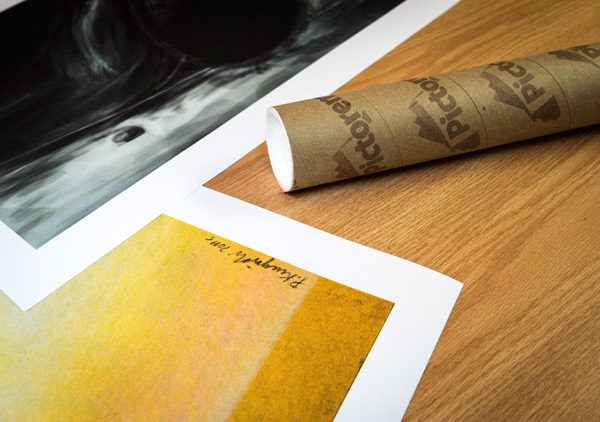
Printed on Fine Art Matte Canvas Paper - Provided inside a Strong mailing tube [+]
12 x 12 inches
31 x 31 cm
Image Preview
$81
16 x 16 inches
41 x 41 cm
Image Preview
$101
20 x 20 inches
51 x 51 cm
Image Preview
$126
24 x 24 inches
62 x 62 cm
Image Preview
$157
30 x 30 inches
77 x 77 cm
Image Preview
$214
36 x 36 inches
92 x 92 cm
Image Preview
$284
42 x 42 inches
108 x 108 cm
Image Preview
$367
48 x 48 inches
123 x 123 cm
Image Preview
$462
55 x 55 inches
141 x 141 cm
Image Preview
$589


Premium Acid Free Giclée Poster Paper
 
Printed on Photo Satin Paper - ( Poster ) Provided inside a Strong mailing tube [+]
12 x 12 inches
31 x 31 cm
Image Preview
$71
16 x 16 inches
41 x 41 cm
Image Preview
$82
20 x 20 inches
51 x 51 cm
Image Preview
$97
24 x 24 inches
62 x 62 cm
Image Preview
$115
30 x 30 inches
77 x 77 cm
Image Preview
$149
36 x 36 inches
92 x 92 cm
Image Preview
$189
42 x 42 inches
108 x 108 cm
Image Preview
$238
48 x 48 inches
123 x 123 cm
Image Preview
$293
55 x 55 inches
141 x 141 cm
Image Preview
$368


Giclée Art Matte Paper Print
 
Printed on a Premium Archival Matte Paper with a smooth texture & neutral-white - Provided inside a Strong mailing tube [+]
12 x 12 inches
31 x 31 cm
Image Preview
$85
16 x 16 inches
41 x 41 cm
Image Preview
$107
20 x 20 inches
51 x 51 cm
Image Preview
$136
24 x 24 inches
62 x 62 cm
Image Preview
$172
30 x 30 inches
77 x 77 cm
Image Preview
$237
36 x 36 inches
92 x 92 cm
Image Preview
$317
42 x 42 inches
108 x 108 cm
Image Preview
$411


Mural Print

Easy to Install. Washable & Repositionable Self-Adhesive Vinyl [+]
Video
To get your mural price, enter your wall measurement:

INCH FOOT CM
Width: in.
Heigth: in.
Width: ft in
Heigth: ft in
Width: cm
Heigth: cm


Our 10 Color Technology
Our wall murals are produced on printers with Outstanding photographic print quality & durability Extreme image resolution : photographic image quality with the largest color gamut in its class

Easy to Install
Our Wall Mural Print is removable without any damage to your walls. Easy to change or remove. We are using a premium 6 mil auto-adhesive vinyl with a subtile linen-cotton canvas texture.
Change the look and feel of a room without the hassle of traditional wallpaper. Our wall murals print are the perfect solution to easily enhance any residential or commercial space alike!

Repositionable self-adhesive vinyl delivered in strip of 35 to 45 inches of width and slightly overlap for easy installation.
[More info about our Mural prints]
Framed Print View 3D

Get this artwork "A.P.Polo - Chess" in a framed print.
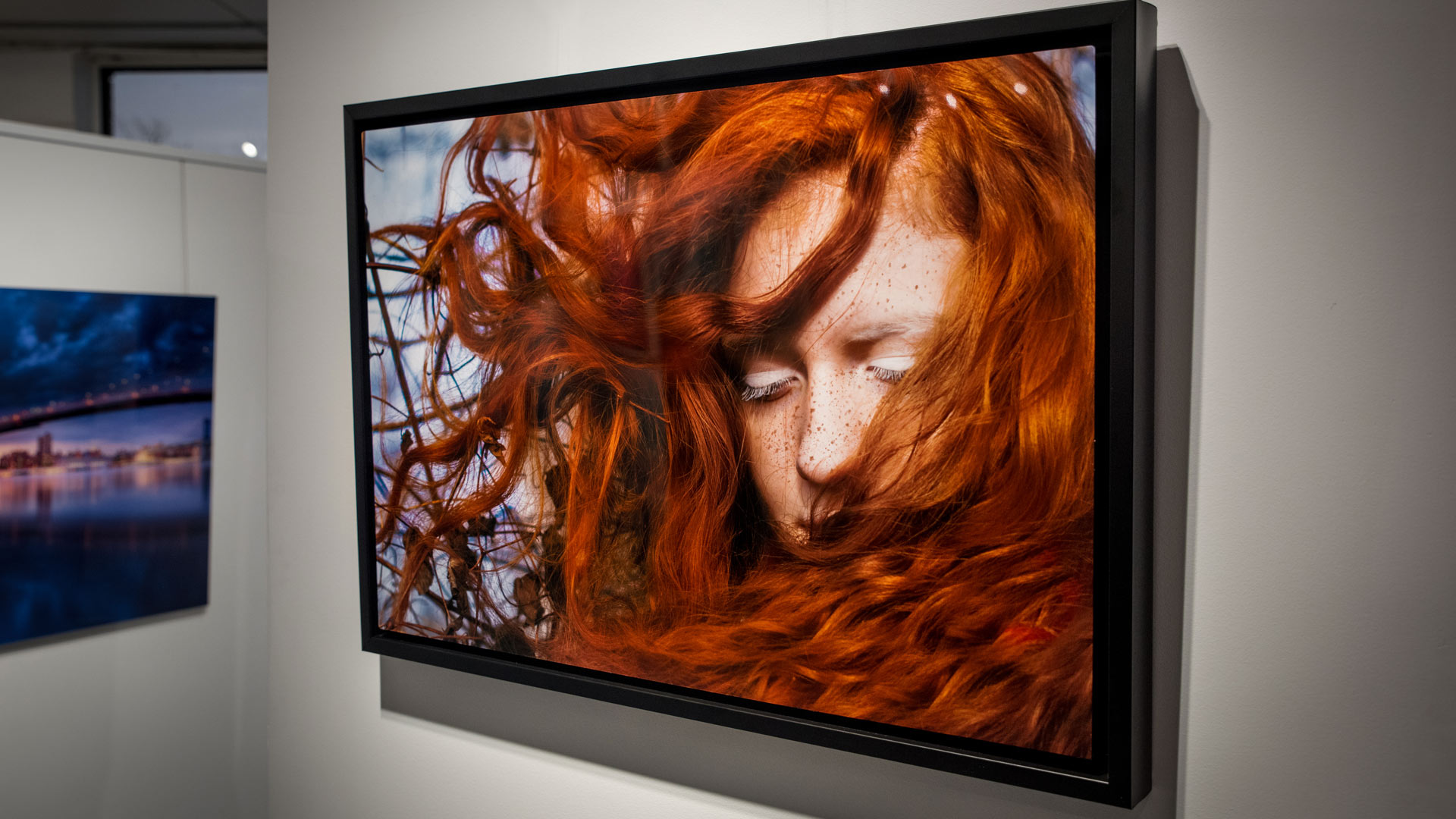
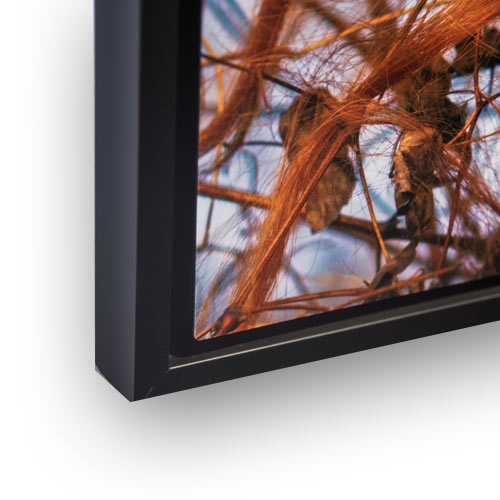
Fully customizable - at the exact size you want. Select paper type, glass, matte and decorating frame
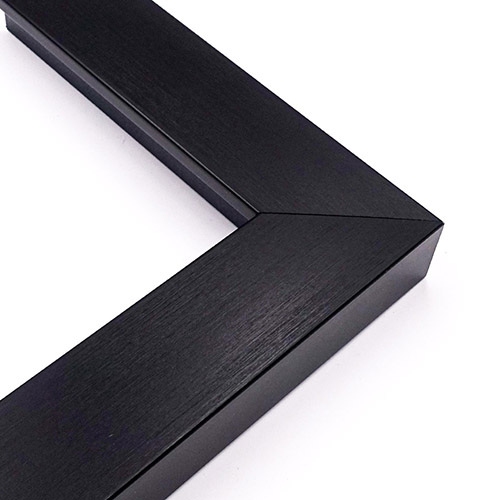
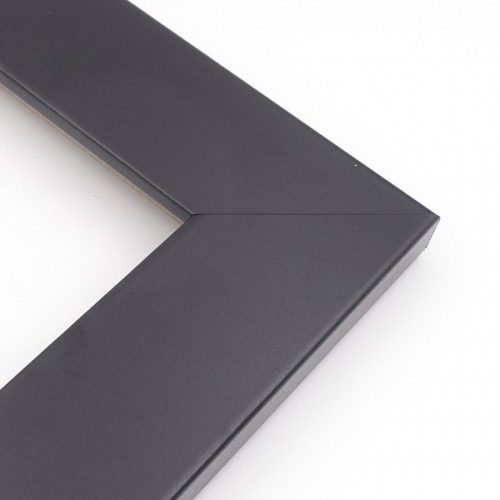
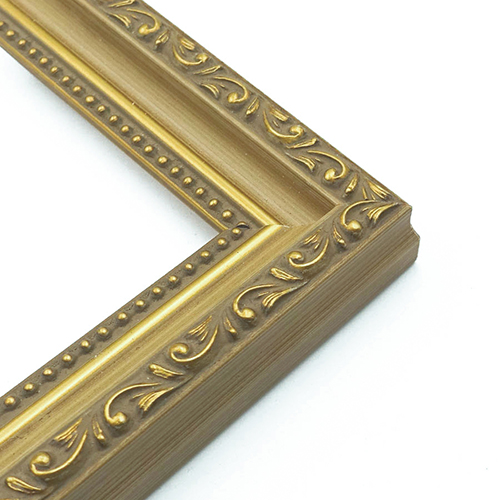
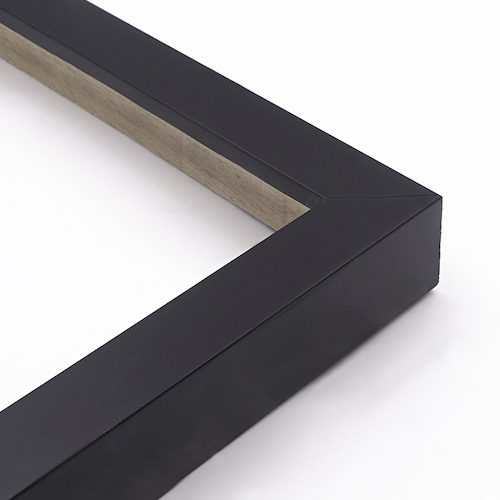
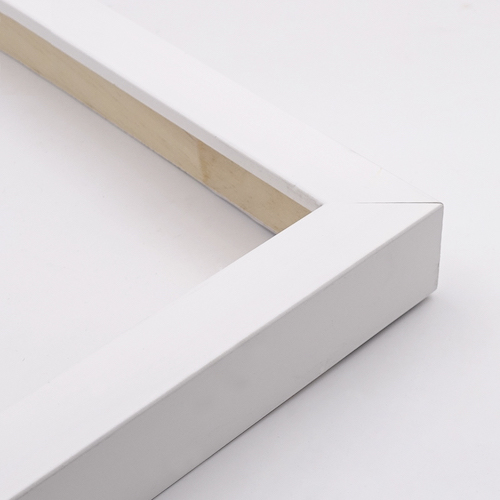
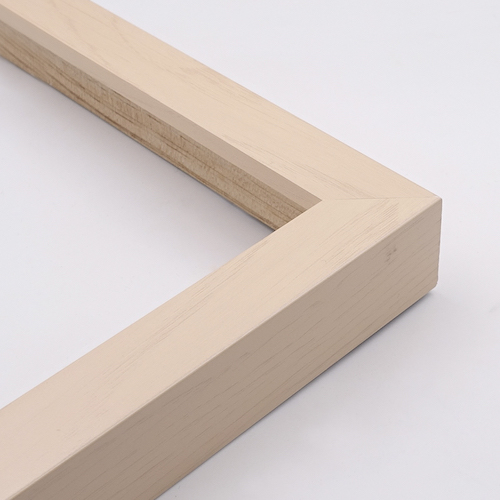
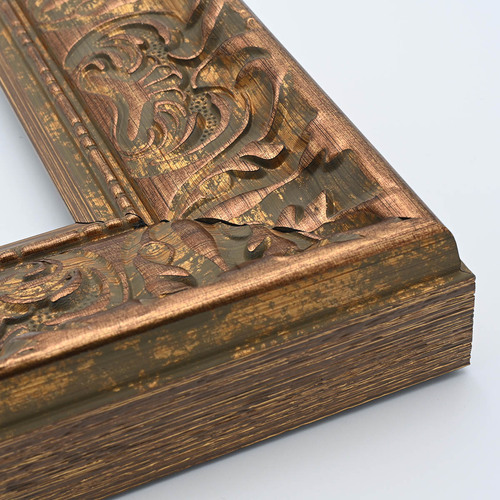
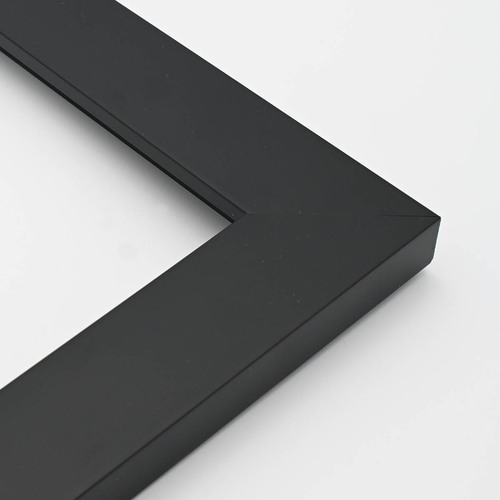
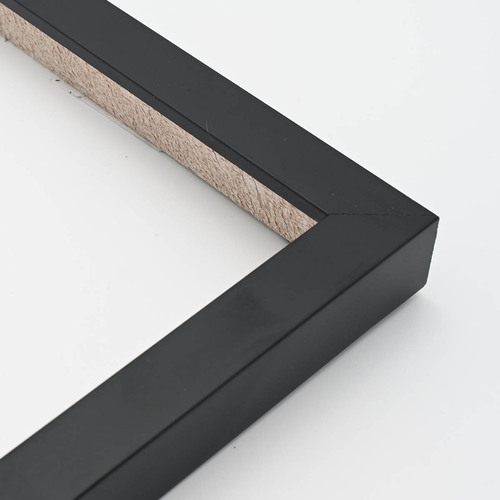
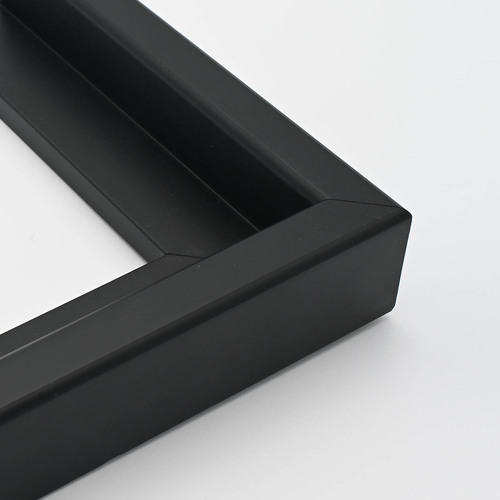
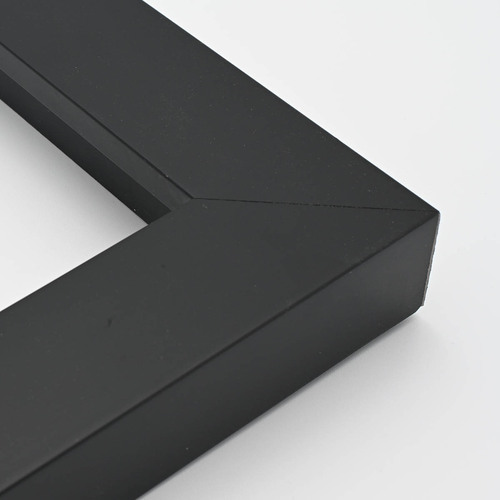
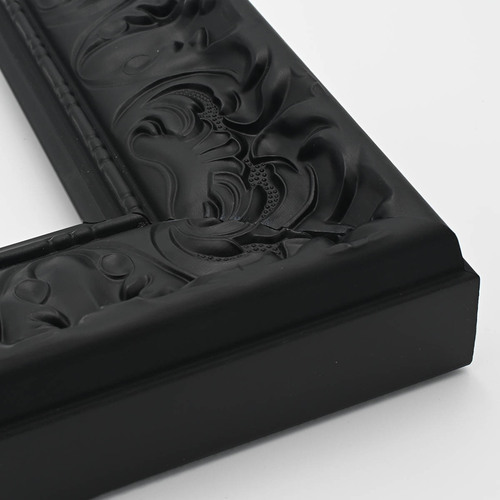
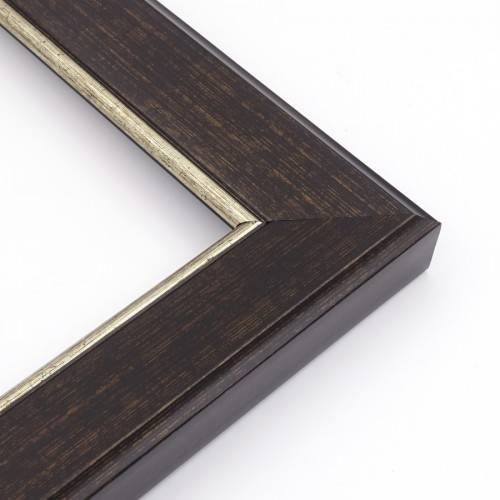
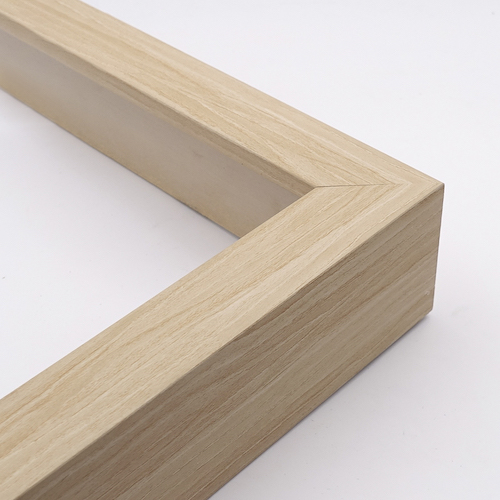
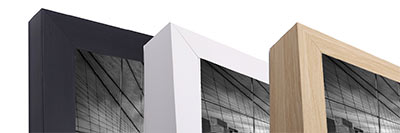
Start building your custom framed print by selecting one the following moulding:
A.P.Polo - Chess Picture Frame Printing
Frame model shown: 832-745

Moulding  Frame
Moulding  Frame
Moulding  Frame
Moulding  Frame
Moulding  Frame
Moulding  Frame
Moulding  Frame
Moulding  Frame
Moulding  Frame
Moulding  Frame
Moulding  Frame
Moulding  Frame
Moulding  Frame
Moulding  Frame
Moulding  Frame

Standard size framed print

   [+]  
Video

28 x 28"
$354
28 x 28" Framed Print View 3D

A.P.Polo - Chess Frame print
Printed Area: 24 x 24"
Total Inside area: 28.00 x 28.00"
White Border: 2" on each side
Frame Width: 1.25" on each side
Total Physical dimension: 29.25 x 29.25"

Frame model: 832-745
Printing method: 1200dpi UV cured ink on fine art matte board
Ready to hang with wire at the back

Wall Clock

Product details

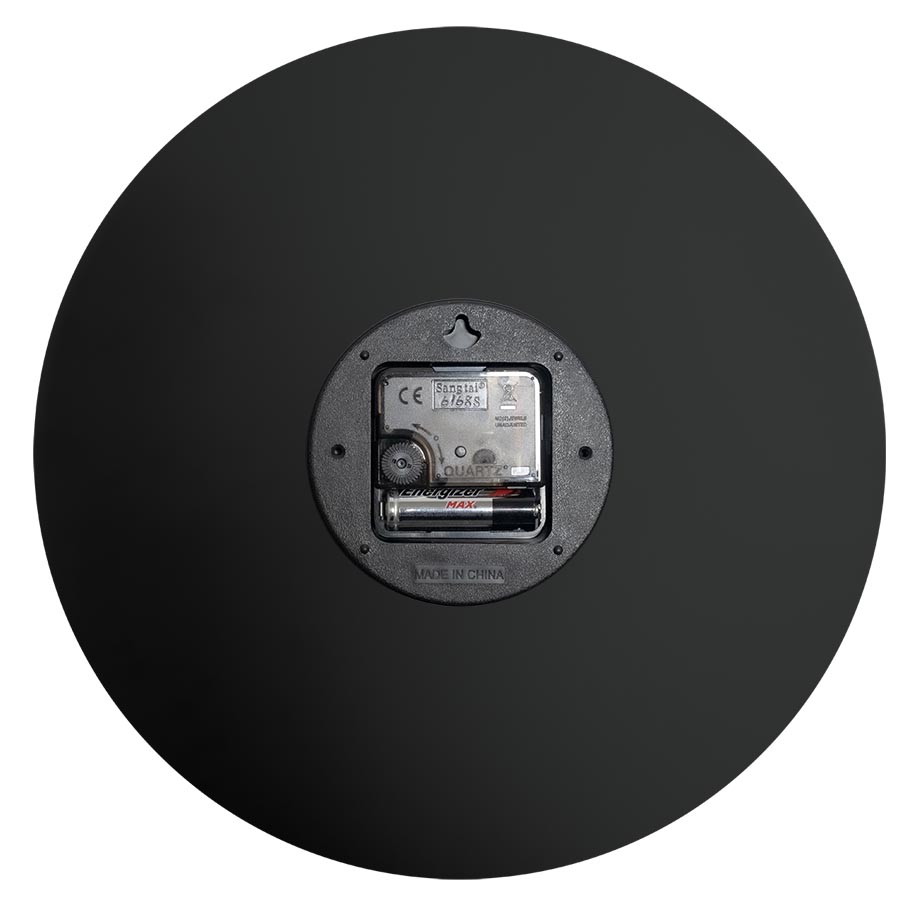
This artwork is Made with high-quality acrylic Ready to hang.   
Video

Clock mechanism with a Precise quartz movement. Battery included
Available in Square or Round format
Available in 12" 16" 24" sizes

Build yours

Digital Download

File resolution: 6666 x 6666 pixels


ABOUT THIS ARTWORK: A.P.POLO - CHESS
A.P.Polo - "Chess" -Hamburg (Germany) - New Media Art. Abstract, contemporary, monochromatic work in which the artist devotes himself to his passion for chess and approaches the subject of the strictly mathematical chessboard with the skilful use of light and shadow in the form of artistic freedom. This work can be classified as concrete art. There are different opinions about the origin and early history of chess (or chess history). India in particular, but also Persia and sometimes China are named as countries of origin. The period of the presumed origin varies between the 3rd and 6th century. There are numerous legends surrounding the invention of the game, the most famous of which is the wheat grain legend. Chess has been known in Persia since the 6th century. It spread in the 7th century in the course of Islamic expansion in the Middle East and North Africa. Via Moorish Spain, Italy, the Byzantine Empire and Russia, the game reached Western Europe between the 9th and 11th centuries, where it was one of the seven chivalric virtues in the High Middle Ages, but also met with ecclesiastical disapproval. In the 15th century, the rules of the game changed drastically, so that since then we can speak of modern chess as it is played today. Spain (16th century), Italy (late 16th and 17th centuries), France (late 18th and early 19th centuries), England (mid-19th century), Germany and Austria-Hungary (late 19th and early 20th centuries) and the Soviet Union or Russia (mid-20th century to the present) subsequently replaced each other as the leading European chess nations. Regular chess tournaments began to take place in the mid-19th century. In 1886, the first official world championship was held, won by Wilhelm Steinitz. In 1924, the World Chess Federation FIDE was founded. At the end of the 20th century, the development of strong chess programmes began, which since the middle of the first decade of the 2000s have surpassed the level of the world's best players. In 1997, an IBM supercomputer beat Garry Kasparov, the then world chess champion, in the famous Deep Blue versus Garry Kasparov match, ushering the game into an era of computer domination. Since then, computer analysis – which originated in the 1970s with the first programmed chess games on the market – has contributed to much of the development in chess theory and has become an important part of preparation in professional human chess. A very extensive collection on the historical and current situation of chess in Germany can be found in the Lower Saxony Institute for Sports History in Hanover. It is unlikely that the game of chess was invented by a single person at a specific time. Not only is it too complex for that, but it also contains too many elements from different cultures, languages and times. The game of chess in its present form is a result of the creative power of many peoples. There are numerous theories that the game of chess can be traced back to older predecessor games, be it the Indian racing game Ashtapada played with dice, the Chinese Xiangqi related to chess, all the way to the approximately 3000-year-old original game Liubo. This approach raises the difficulty of defining the birth of chess, because these early precursors differ so much from chess in terms of rules, tactics and character that it is difficult to speak of the same game. The sources are also very sparse and cannot be linked to chess without doubt. There are many legends surrounding the invention of chess. Most of them are very old and come from the Persian and Arab cultures. A rich source of chess legends is the Persian poet Firdausi (940-1020). The most famous legend is the wheat grain legend, which can be understood as a homage to chess, as an illustrative mathematical teaching example or as a socially critical parable. Classical chess research assumes that the game of chess originated in India and gradually developed from the racing game Ashtapada, played with dice on an 8×8 board, via a possible proto-chess to Chaturanga, initially played in fours and later in twos. Chaturanga reached the Persian Empire and was phonetically adapted to chatrang. This view goes back essentially to two 19th century chess scholars, Antonius van der Linde and Von der Lasa, and culminated in 1913 in the comprehensive work A history of Chess by the Englishman H. J. R. Murray. In recent years, the counter-thesis has emerged that the country of origin was China and that our chess was a descendant (and not vice versa) of Chinese xiangqi chess. However, this view, put forward by David H. Li, is rejected as essentially without substance. In the early development phase, various variants of the game existed, which were played with different pieces and on both 8×8 and 10×10 boards. As an example, consider Shatranj al-Kamil (Shatranj al-Kamil). It seems that the same game could be played on both smaller and larger boards and new pieces were added as needed. The same boards were also used for other games. Traces of this variety can be found in the many chess variants that still exist today, such as the Xiangqi in China, the Janggi in Korea, the Sh?gi in Japan, the Shatar and Hiashatar in Mongolia, the Chandraki in Tibet, the Makruk in Thailand, the Ouk Chatrang in Cambodia or the Sittuyin in Burma. Then, over time, the 8×8 board seems to have prevailed. Some relics of the additional figures of the 10×10 board may have been preserved in the path of the xianqi at the playing figure of the cannon. In the process of the formation of the chaturanga, the scenario of a fusion of different elements is the most likely. Ancient racing games, the remains of which are preserved in the gait of the peasants, were combined with games with hopping figures, the gait of which in detail may well have been borrowed from older and completely different games, and transferred to pre-existing 8×8 and 10×10 game boards, with the 8×8 board prevailing. This development was completed in the 6th, or at the latest in the 7th century, and took place in the broadest sense in Central Asia, in the cultural and economic sphere of influence of India, Persia and Western China, and via the transport and trade network of the Silk Road. The different elements of chess are revealed in the type of board, the movement of the pieces, the military character of the game and the etymology. There are few accounts of the game of chess, its players, and its status and prevalence in Sassanid society before the Arab conquest. The only contemporary source that goes beyond the mere mention of the game is the text written in Pahlavi (Middle Persian) Wizârišn î chatrang ud nihišm î nêw-ardaxšîr (The Explanation of Chess and the Invention of Nard), also known as Mâdayân î chatrang, or Chatrang-n?mak (Book of Chess) for short. According to this story, Chatrang, which was described as a war game, was brought to Persia at the time of Khosrau I (531-579) by an Indian delegation of King Divsaram, the Rajah of Hindustan, as both a gift and a challenge. The names of the pawns are given: shah (king), rukh, farzin (commander), pil (elephant), asp (horse) and piyadak (foot soldier). The Chatrang-namak also names two players, Takhtaritus and Wajurgmitr, the latter being said to have been superior. Almost the same story is found some 400 years later in the Persian "national epic" Shahname by the poet Firdausi. Here, the line-up of the figures is also mentioned. It is not known whether he referred to the Chatrang-namak or whether other sources were available to him. Two other Middle Persian sources mention early chess: the Kârnâmak-i Ardeshir-i Pâpakân (Book of the Deeds of Ardashir, Son of Papak), an epic treatise on King Ardashir I, the founder of the Sassanid Empire. It was written between 224 and 651. The chatrang is mentioned in only one place: "By the help of Providentia [Providence], he [Ardashir] became more victorious and warlike than all, at polo and the racecourse, at chatrang and wine artakhshir, and in several other arts." The Kh?sraw ud R?dag (Chosrau and the Page) is about the court of Chosrau I; Chatrang is mentioned there along with other games. In all these texts it is not possible to distinguish between fiction and truth. They do, however, provide information that at the time of their writing a game called Chatrang was known and that it apparently had a high social status, so that it required a king or hero to master it. The time of Chosrau I seems to be the focus. His interest in culture is well known, and it is conceivable that he himself was instrumental in establishing the Chatrang. As later Arabic sources suggest, chatrang was played primarily with red (ruby) and green (emerald) stones. Games from this period have not survived. The game seems to have spread in the Sassanid Empire at lightning speed. Persian culture remained influential for the whole region even after its conquest by the Arabs and contributed to the Arab flourishing. This also applies to chess, which received its ideological imprint here, which characterised it until the late Middle Ages. The Arabs conquered the Sassanid Empire between 632 and 651. It is undisputed that they came into contact with chess during this period. Among the Arabs, the game of chess, which was now called Shatrandsch through phonetic adaptation, came to its first great flowering. The "player of the highest class" was al-Adli (c. 800-870), who wrote the first treatise on chess. He was followed by ar-Razi (c. 825-860), Mawardi (c. 900), as-Suli (880-946) and al-Ladschladsch (c. 970). We owe important literary sources to Firdausi and al-Mas'udi. A rich collection of opening (tabijen) and endgame (mansuben) positions developed. Problem art became an important part of the Shatrandsch. The Arabs also contributed significantly to the spread of chess. Concrete art was an art movement with a strong emphasis on geometrical abstraction. The term was first formulated by Theo van Doesburg and was then used by him in 1930 to define the difference between his vision of art and that of other abstract artists of the time. "The work of art must be completely conceived and shaped in the mind before it is executed. It must contain nothing of the formal realities of nature, the senses and the feelings. We want to eliminate lyricism, drama, symbolism and so on. The picture must be constructed exclusively from plastic elements, i.e. from surfaces and colours. A picture element has no other meaning than itself. For we have left the time of searching and speculative experiments behind us. In the search for purity, artists were forced to destroy the natural form. Today the idea of the art form is as obsolete as the idea of the natural form. We foresee the time of pure painting. For nothing is more concrete, more real, than a line, a colour, a surface. Concrete and not abstract painting. For the spirit has reached the state of maturity. It needs clear, intellectual means to manifest itself in a concrete way. Colour is the basic substance of painting; it means only itself. Painting is a means of realising thought in a visual way: Every painting is a colour thought. Before the work is transformed into matter, it exists in a complete way in consciousness. It is also necessary that the realisation has a technical perfection equal to that of the mental design. We work with the quantities of mathematics - Euclidean or non-Euclidean - and science, that is: with the means of thought." "Painting is a means of realising thought in an optical way". After his death in 1931, the term was further defined and popularized by Max Bill, who organized the first international exhibition in 1944 and went on to help promote the style in Latin America. The term was taken up widely after World War 2 and promoted through a number of international exhibitions and art movements. Around 1903, a major turning point in art began. Painting and sculpture became increasingly distant from visible reality. Henri Matisse said that when you look at a painting, you have to completely forget what it represents. It is art that grants form, colour and pictorial composition far-reaching autonomy from the representational. This movement away from the world of the visible was called abstraction. It is about concentrating on the essential, the necessary. From 1910 onwards, an art emerged that consistently pursued the path of abstraction. Every remnant of representation, pictorial or figurative, was rejected: "Could such an art - which had obviously become completely independent - still be called an extreme form of abstraction, integral or total abstraction? Was there not something fundamentally new, a complete autonomy of pictorial design?" Wassily Kandinsky stated that art now only followed its own, art-immanent laws. It was an art of pure non-objectivity. Quote: "The new art has brought to the fore the principle that art can only have itself as its content. Thus we do not find in it the idea of anything, but only the idea of art itself, of its self-content. Art's very own idea is its non-objectivity." In 1930, Michel Seuphor had defined the role of the abstract artist in the first issue of Cercle et Carré. It was “to establish, on the foundations of a structure that is simple, severe and unadorned in every part, and within a basis of unconcealed narrow unity with this structure, an architecture which, using the technical means available to its period, expresses in a clear language that which is truly immanent and immutable.” The art historian Werner Haftmann traces the development of the pure abstraction proposed by Seuphor to the synthesis of Russian Constructivism and Dutch Neo-Plasticism in the Bauhaus, where painting abandoned the artificiality of representation for technological authenticity. “In close connection with architecture and engineering, art should endeavour to give form to life itself. The former provided new sources of inspiration as well as new materials – steel, aluminium, glass, synthetic materials.” As van Doesburg had pointed out in his manifesto, in order to be universal, art must abandon subjectivity and find impersonal inspiration purely in the elements of which it is constructed: line, plane and color. Some later artists associated with this tendency, such as Victor Vasarély, Jean Dewasne, Mario Negro and Richard Mortensen, only came to painting after first studying science. Nevertheless, all theoretical advances seek justification in past practice, and in this case the mathematical proportions expressed in abstract form are to be identified in various art forms over millennia. Thus, argued Haftmann, “the elimination of representational images and the overt use of pure geometry do not imply a radical and definitive rejection of the great art of the past, but rather a reassertion of its eternal values stripped of their historical and social disguises.” While Abstraction-Création was a grouping of all modernistic tendencies, there were those within it who carried the idea of mathematically inspired art and the term ‘concrete art’ to other countries when they moved elsewhere. A key figure among them was Joaquin Torres García, who returned to South America in 1934 and mentored artists there. Some of those went on to found the group Arte Concreto Invención in Buenos Aires in 1945. Another was the designer Max Bill, who had studied at the Bauhaus in 1927-9. After returning to Switzerland, he helped organize the Allianz group to champion the ideals of Concrete Art. In 1944 he organized the first international exhibition in Basle and at the same time founded abstract-konkret, the monthly bulletin of the Gallerie des Eaux Vives in Zurich. By 1960 Bill was organizing a large retrospective exhibition of Concrete Art in Zürich illustrating 50 years of its development. In 1949, Max Bill formulated the goal of Concrete Art in his introduction to the catalogue of the Zurich Concrete Art exhibition: "The goal of Concrete Art is to develop objects for intellectual use, in a similar way to how man creates objects for material use. In its ultimate consequence, concrete art is the pure expression of harmonious measure and law. It orders systems and gives life to these orders by artistic means".

This artwork can be shipped worldwide when ordered on Canvas & Poster Roll
Any other format including, Stretched Canvas, Acrylic etc, ships only in Continental USA & Canada (Free shipping)

Report this artwork
Print One Plant One
One tree planted for every print.  Pictorem supports Trees for the Future, a 501(c)3 non-profit organization, that operates an agroforesty program to restore trees to degraded lands by working with smallholder farmers.

CREATE ACCOUNT

FORGOT YOUR USER ACCOUNT DETAILS?

TOP