Loading..
GENERATING IMAGE. PLEASE WAIT...

Like it
LIMITED EDITION of 50

# 403726

A.P.POLO - ESCRIME


Available in :
LIMITED EDITION of 50
Order online or by phone at 1-800-650-5301
Currently Open!
Pictorem Reviews 4.8 Average Rating by 126k customers
See this artwork on various walls
Wall decor artwork generator Wall decor artwork generator Wall decor artwork generator


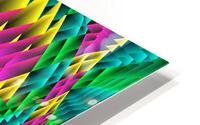
A.P.Polo - "Escrime" - Hamburg (Germany) - New Media Art. Abstract, geometric, contemporary work intended to represent a fencing mask in an atypical w...[+]


2281 views


Facebook Pinterest Email to a friend


Keywords:
[+] expand
Browse for similar dominant colors:

Giclée Canvas Print

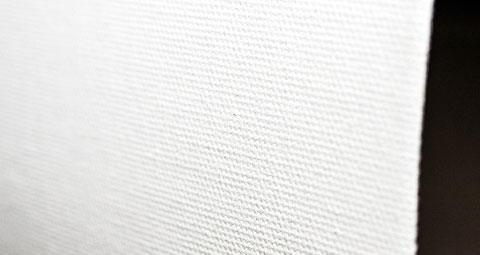
All our stretched Canvas are custom made on a Premium Fine Art Matte Canvas 410g/m2 1.5 Inch Thick wood for a real gallery look     
Giclee printing with Pigment ink designed to meet galleries and museum longevity requirements and ensure consistency of shades 200 years old. [+]

Stretched Canvas Print   We ship in USA & Canada
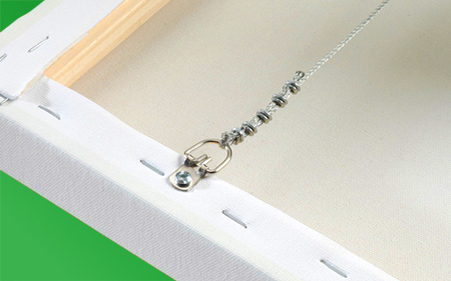
Ready to hang - Stretched on 1.5" inch thick pine wood - Gallery style
16 x 16 inches
41 x 41 cm
Image Preview
$215
20 x 20 inches
51 x 51 cm
Image Preview
$323
24 x 24 inches
62 x 62 cm
Image Preview
$348
30 x 30 inches
77 x 77 cm
Image Preview
$483
36 x 36 inches
92 x 92 cm
Image Preview
$647
42 x 42 inches
108 x 108 cm
Image Preview
$1301
48 x 48 inches
123 x 123 cm
Image Preview
$1477


Stretched Split Canvas


A.P.Polo - Escrime Canvas print
36 x 36 cross triptych split canvas
39 x 36 inches including space.
1X [ 12x36 ]   2X [ 12x30 ]
$801

Acrylic Print

360 View
🔄

Loading 3D Viewer...

Click and drag to rotate • Scroll to zoom

360 View
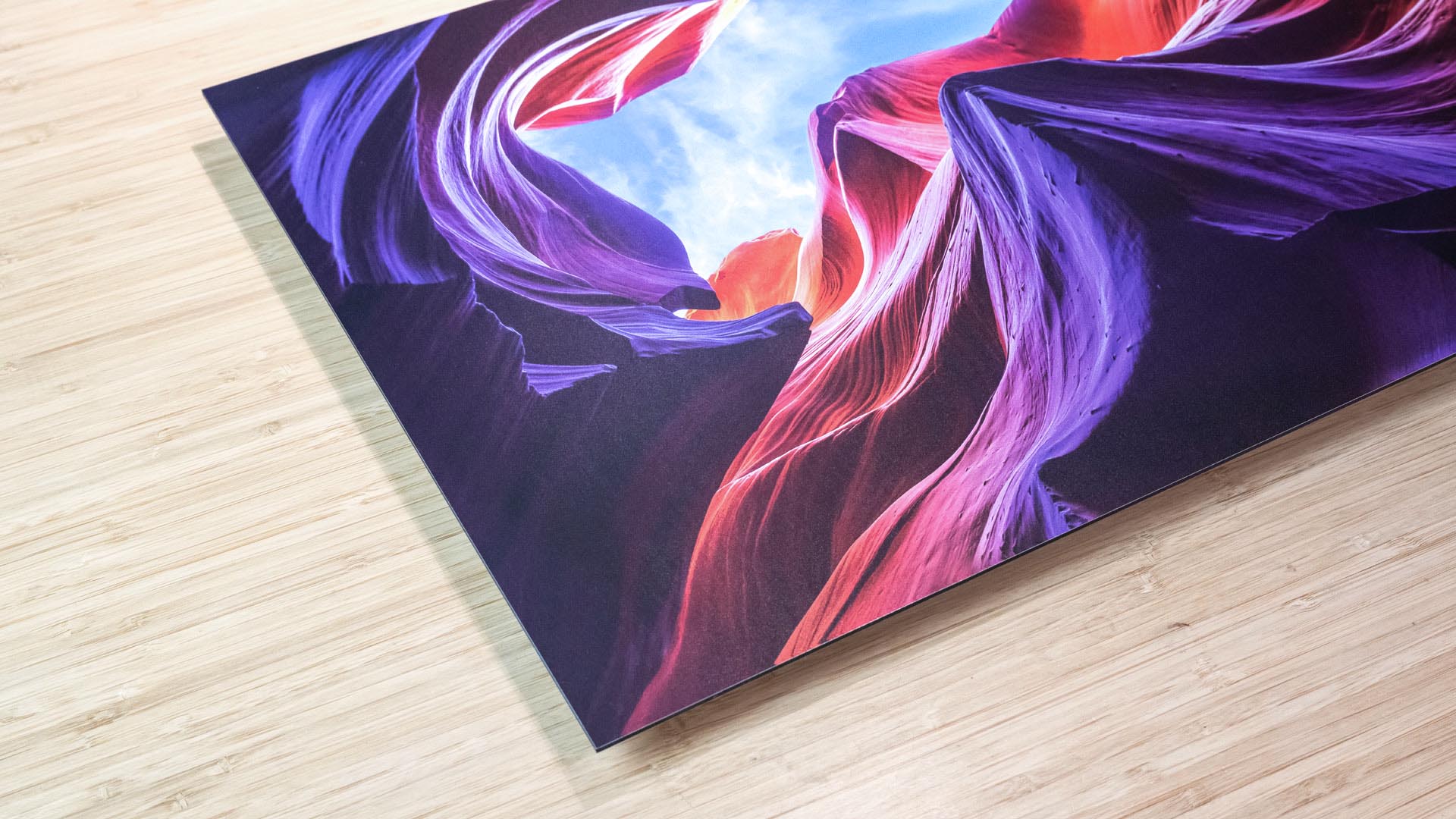
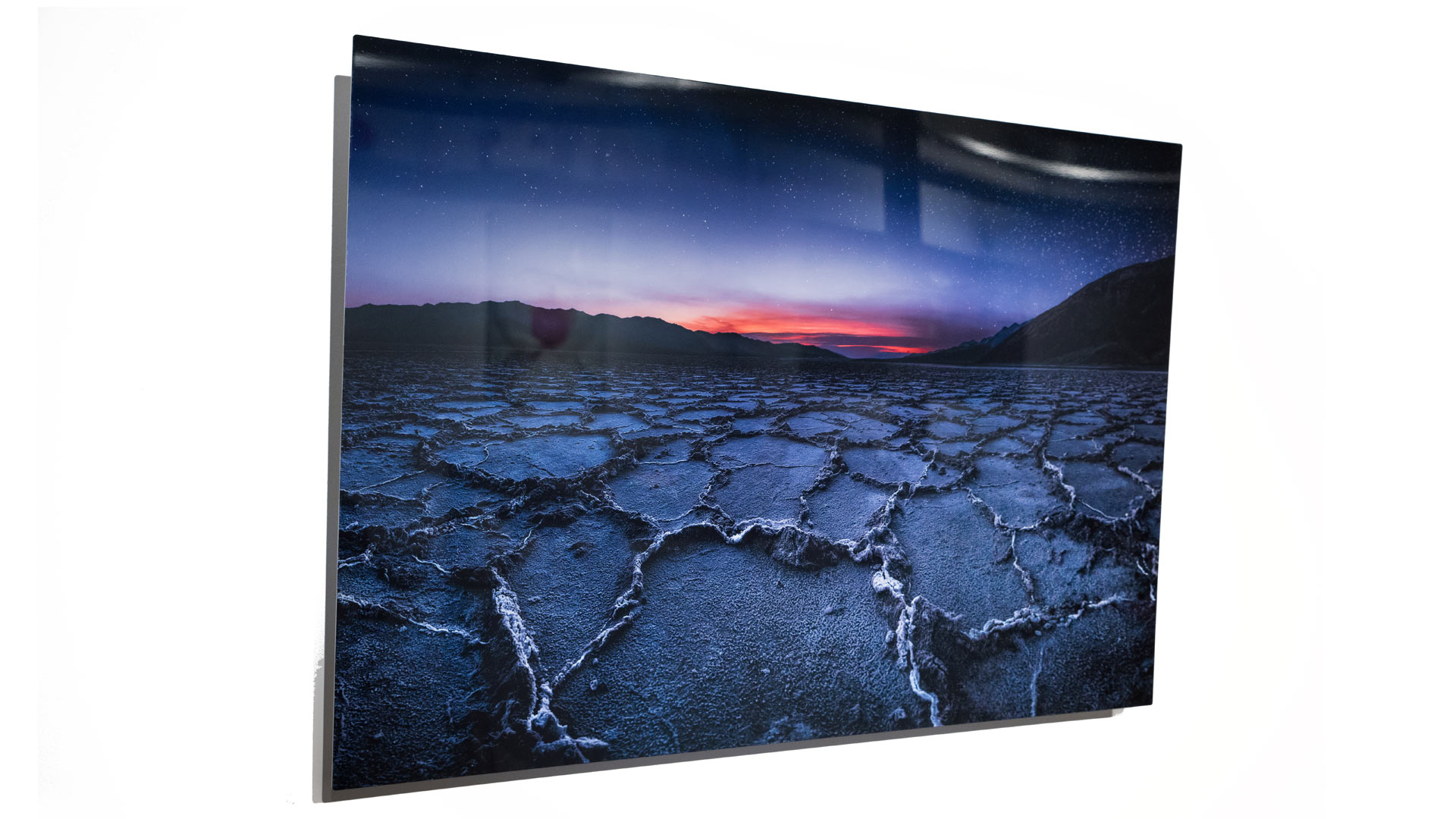
Get a Modern piece of art with this vibrant Acrylic Print.
Fine Art made from a Premium polished, best-in-class, 99.9% optically pure acrylic and the latest Flatbed printing craftmanship.  
Video
[+]

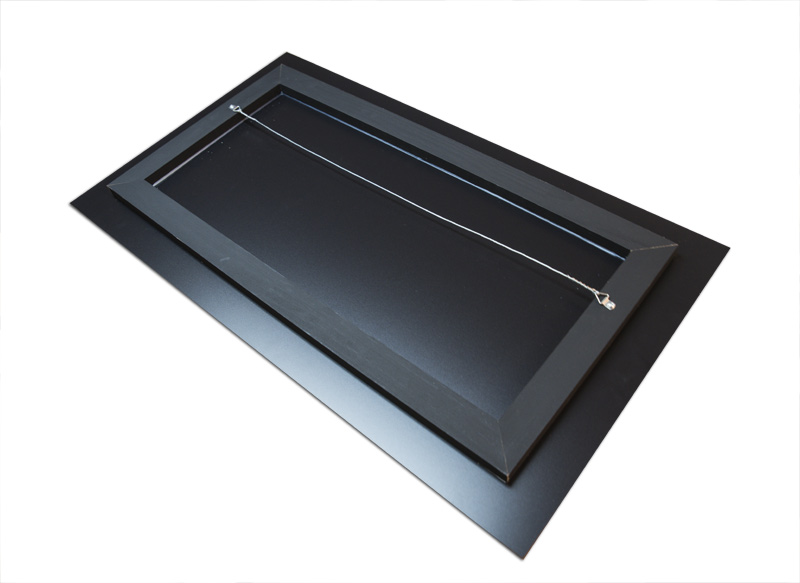
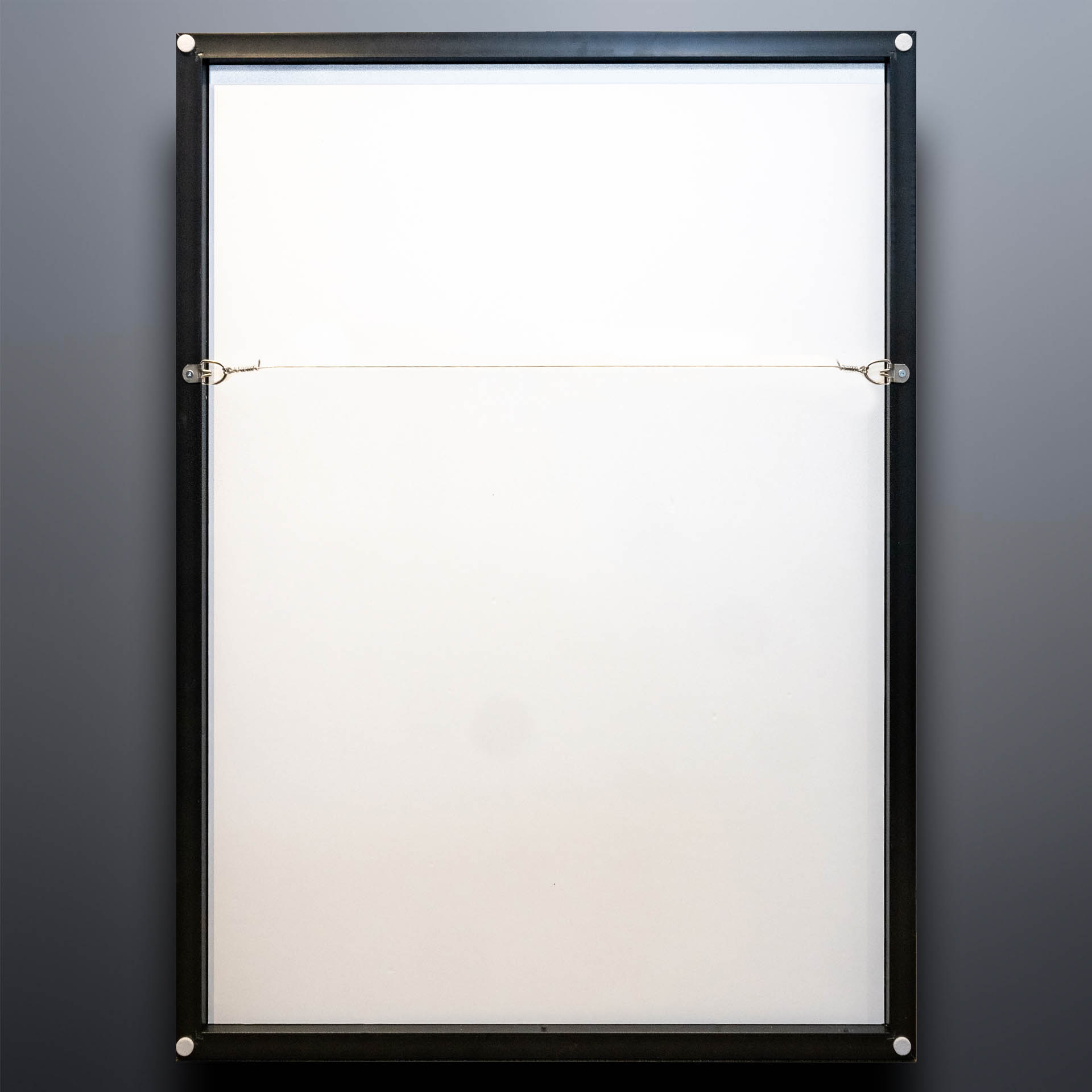
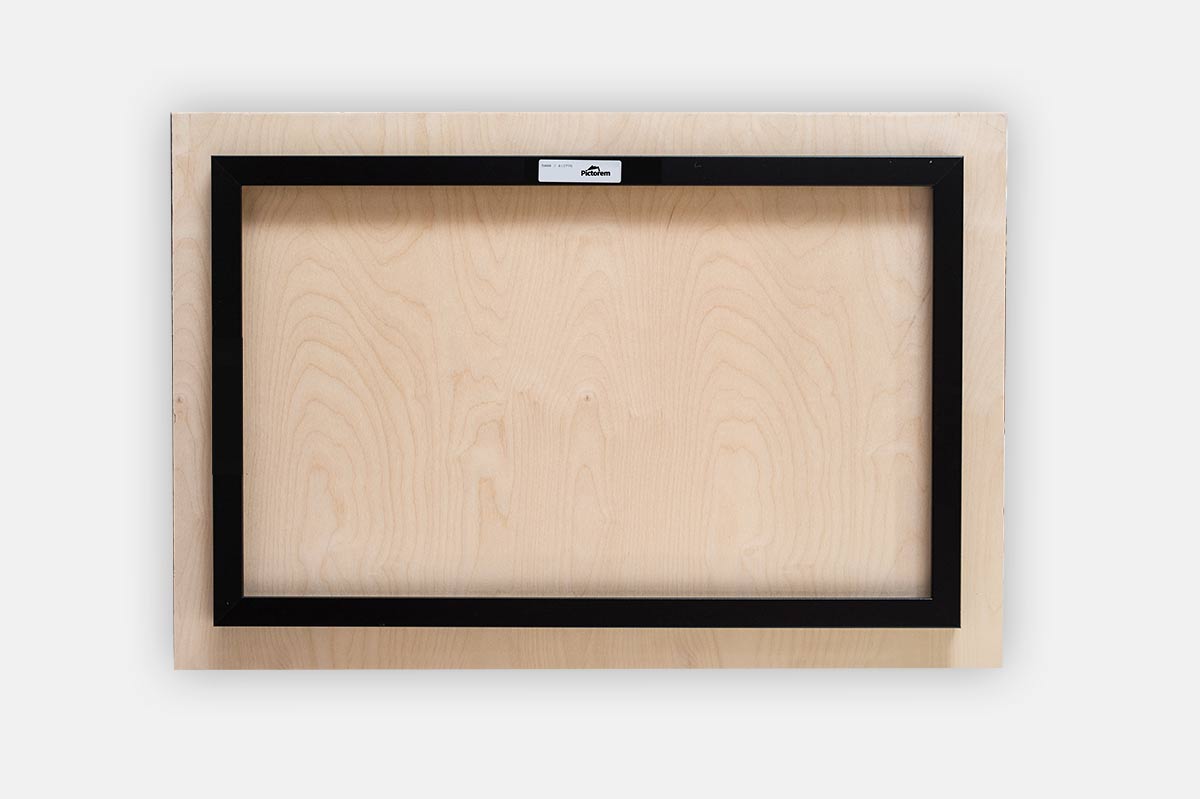
  Acrylic Print with Floating Frame on the back
Printed to the edge & Ready to hang. With a floating frame on the back and hanging wire    
1/8" Thickness:
16 x 16 inches
41 x 41 cm
Image Preview
$364
20 x 20 inches
51 x 51 cm
Image Preview
$484
24 x 24 inches
62 x 62 cm
Image Preview
$632
30 x 30 inches
77 x 77 cm
Image Preview
$903
36 x 36 inches
92 x 92 cm
Image Preview
$1234
42 x 42 inches
108 x 108 cm
Image Preview
$2037
48 x 48 inches
123 x 123 cm
Image Preview
$2489
3/16" Thickness:
16 x 16 inches
41 x 41 cm
Image Preview
$504
20 x 20 inches
51 x 51 cm
Image Preview
$657
24 x 24 inches
62 x 62 cm
Image Preview
$844
30 x 30 inches
77 x 77 cm
Image Preview
$1187
36 x 36 inches
92 x 92 cm
Image Preview
$1607
42 x 42 inches
108 x 108 cm
Image Preview
$2514
48 x 48 inches
123 x 123 cm
Image Preview
$3087

  Acrylic Print with Stand off
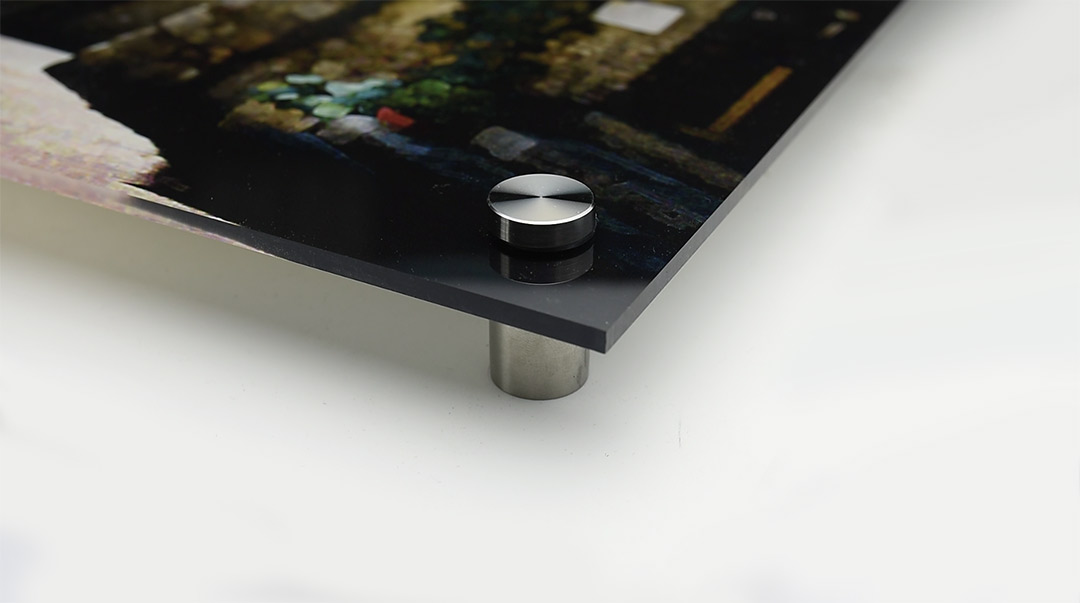
Printed to the edge - Ready to hang - provided with 4 premium polished aluminum stand off ( wall screws and mounting hardware provided )
We suggest a thicker 3/16" acrylic for any size over 42 inches to guarantee a straight acrylic, without curvature
1/8" Thickness:
16 x 16 inches
41 x 41 cm
Image Preview
$364
20 x 20 inches
51 x 51 cm
Image Preview
$484
24 x 24 inches
62 x 62 cm
Image Preview
$632
30 x 30 inches
77 x 77 cm
Image Preview
$903
36 x 36 inches
92 x 92 cm
Image Preview
$1234
42 x 42 inches
108 x 108 cm
Image Preview
$2037
48 x 48 inches
123 x 123 cm
Image Preview
$2489
3/16" Thickness:
16 x 16 inches
41 x 41 cm
Image Preview
$504
20 x 20 inches
51 x 51 cm
Image Preview
$657
24 x 24 inches
62 x 62 cm
Image Preview
$844
30 x 30 inches
77 x 77 cm
Image Preview
$1187
36 x 36 inches
92 x 92 cm
Image Preview
$1607
42 x 42 inches
108 x 108 cm
Image Preview
$2514
48 x 48 inches
123 x 123 cm
Image Preview
$3087


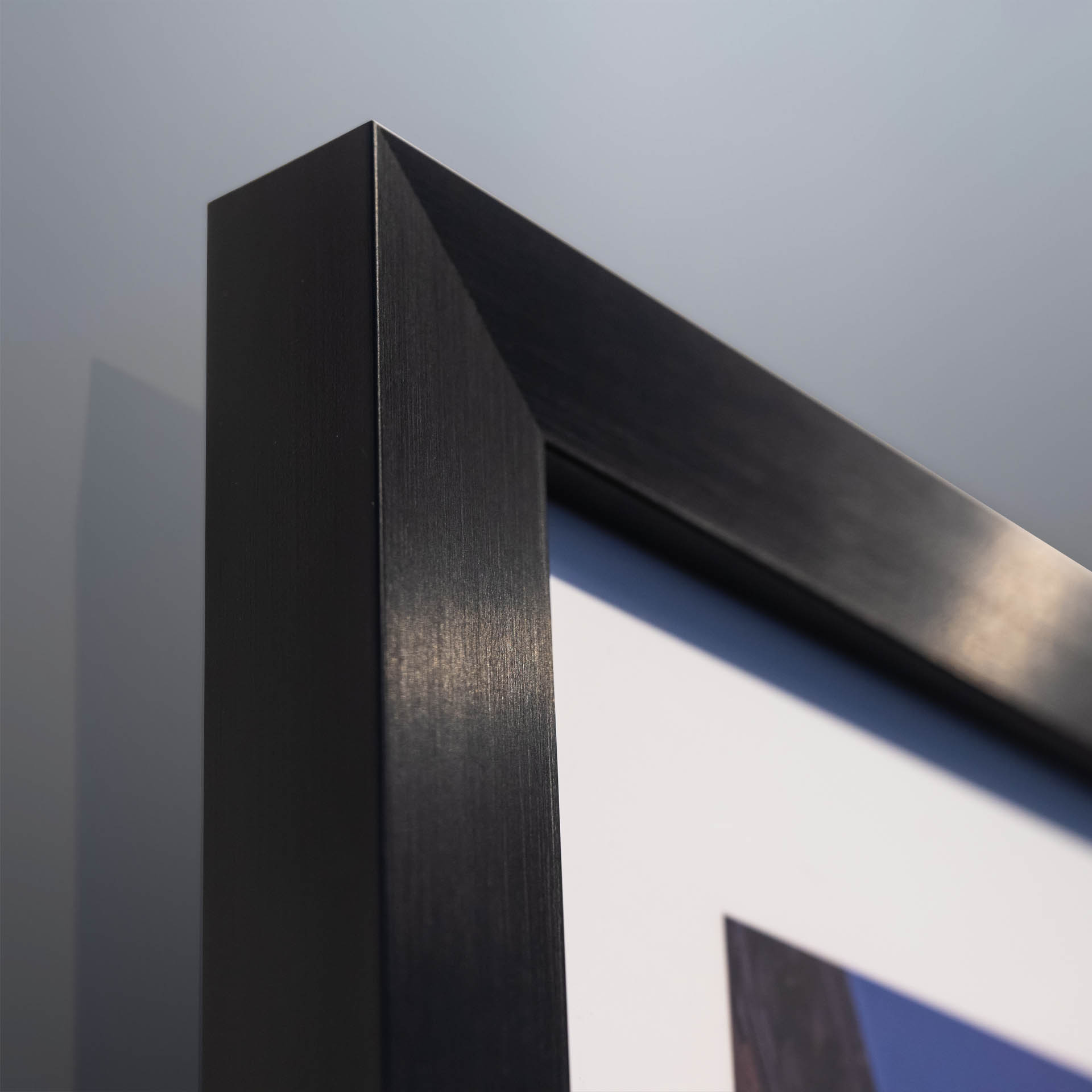
Brushed Metal Print / Smooth White Metal Print

360 View
🔄

Loading 3D Viewer...

Click and drag to rotate • Scroll to zoom


The areas of the photograph that are white or very light are not printed The white areas appear metallic.
Robust, very light and provides an amazing aluminum lighting effect [+]

  Brushed Metal Print with Floating Frame on the back
Printed to the edge & Ready to hang a floating frame and hanging wire 
16 x 16 inches
41 x 41 cm
Image Preview
$343
20 x 20 inches
51 x 51 cm
Image Preview
$457
24 x 24 inches
62 x 62 cm
Image Preview
$597
30 x 30 inches
77 x 77 cm
Image Preview
$855
36 x 36 inches
92 x 92 cm
Image Preview
$1170
42 x 42 inches
108 x 108 cm
Image Preview
$1953
48 x 48 inches
123 x 123 cm
Image Preview
$2382

  Brushed Metal Print with Stand off
Printed to the edge - Ready to hang - provided with 4 premium polished aluminum stand off ( wall screws and mounting hardware provided )
16 x 16 inches
41 x 41 cm
Image Preview
$343
20 x 20 inches
51 x 51 cm
Image Preview
$457
24 x 24 inches
62 x 62 cm
Image Preview
$597
30 x 30 inches
77 x 77 cm
Image Preview
$855
36 x 36 inches
92 x 92 cm
Image Preview
$1170
42 x 42 inches
108 x 108 cm
Image Preview
$1953
48 x 48 inches
123 x 123 cm
Image Preview
$2382

Direct print on metal to provide a white smooth satin finish with controlled light reflection.
Robust, very light and provides a Matte effect [+]  


  White Metal Print with Floating Frame on the back
Printed to the edge & Ready to hang a floating frame and hanging wire 
16 x 16 inches
41 x 41 cm
Image Preview
$343
20 x 20 inches
51 x 51 cm
Image Preview
$457
24 x 24 inches
62 x 62 cm
Image Preview
$597
30 x 30 inches
77 x 77 cm
Image Preview
$855
36 x 36 inches
92 x 92 cm
Image Preview
$1170
42 x 42 inches
108 x 108 cm
Image Preview
$1953
48 x 48 inches
123 x 123 cm
Image Preview
$2382

  White Metal Print with Stand off
Printed to the edge - Ready to hang - provided with 4 premium polished aluminum stand off ( wall screws and mounting hardware provided )
16 x 16 inches
41 x 41 cm
Image Preview
$343
20 x 20 inches
51 x 51 cm
Image Preview
$457
24 x 24 inches
62 x 62 cm
Image Preview
$597
30 x 30 inches
77 x 77 cm
Image Preview
$855
36 x 36 inches
92 x 92 cm
Image Preview
$1170
42 x 42 inches
108 x 108 cm
Image Preview
$1953
48 x 48 inches
123 x 123 cm
Image Preview
$2382


HD ChromaLuxe Sublimation High-Gloss Metal Print

360 View
A.P.Polo - Escrime  HD Metal print with Floating Frame on Back
🔄

Loading 3D Viewer...

Click and drag to rotate • Scroll to zoom

A.P.Polo - Escrime HD Sublimation Metal print
A.P.Polo - Escrime Metal print

Color brilliance, superior durability and archival qualities
This artwork is produced on a dye sublimation Chromaluxe high-definition metal panel  
Video
[+]

  Sublimation Hi-Gloss White Metal Print with Back frame
Printed to the edge & Ready to hang a floating frame and hanging wire 
16 x 16 inches
41 x 41 cm
Image Preview
$427
18 x 18 inches
46 x 46 cm
Image Preview
$505
20 x 20 inches
51 x 51 cm
Image Preview
$591
24 x 24 inches
62 x 62 cm
Image Preview
$793
30 x 30 inches
77 x 77 cm
Image Preview
$1163
36 x 36 inches
92 x 92 cm
Image Preview
$1616

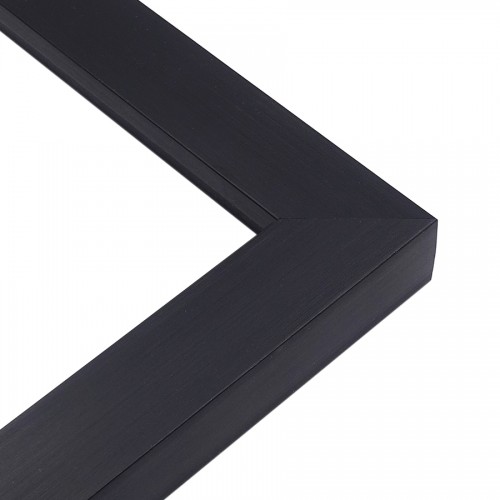
  Sublimation Hi-Gloss White Metal Print with Decorating Floating Moulding (Black)
Inside a decorating frame (Box) - Black Floating Frame
16 x 16 inches
41 x 41 cm
Image Preview
$509
18 x 18 inches
46 x 46 cm
Image Preview
$604
20 x 20 inches
51 x 51 cm
Image Preview
$708
24 x 24 inches
62 x 62 cm
Image Preview
$944
30 x 30 inches
77 x 77 cm
Image Preview
$1367
36 x 36 inches
92 x 92 cm
Image Preview
$1871


Wood Print

360 View
A.P.Polo - Escrime  Wood print
🔄

Loading 3D Viewer...

Click and drag to rotate • Scroll to zoom

A.P.Polo - Escrime Wood print

Printed with UV cured inks providing an incredible high quality printed image which is scratch resistant with colors that will not fade overtime.
White and lighter areas are not printed on the wood, revealing the beauty of the wood’s texture and natural beauty!
Printed on 3/8" (9mm) thick and strong and durable Russian Birch wood which is ready to hang and enjoy! [+]

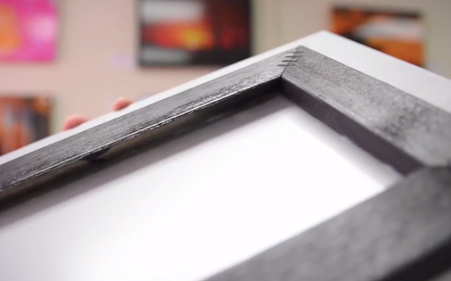
Wood Print with Back Frame Mount
Printed to the edge & Ready to hang a floating frame  
Video
[+]
16 x 16 inches
41 x 41 cm
Image Preview
$320
20 x 20 inches
51 x 51 cm
Image Preview
$425
24 x 24 inches
62 x 62 cm
Image Preview
$553
30 x 30 inches
77 x 77 cm
Image Preview
$789
36 x 36 inches
92 x 92 cm
Image Preview
$1077
42 x 42 inches
108 x 108 cm
Image Preview
$1829
48 x 48 inches
123 x 123 cm
Image Preview
$2222


Roll Print

We ship worldwide

Giclée Roll Canvas Print
 
Printed on Fine Art Matte Canvas Paper - Provided inside a Strong mailing tube [+]
16 x 16 inches
41 x 41 cm
Image Preview
$122
20 x 20 inches
51 x 51 cm
Image Preview
$153
24 x 24 inches
62 x 62 cm
Image Preview
$190
30 x 30 inches
77 x 77 cm
Image Preview
$259
36 x 36 inches
92 x 92 cm
Image Preview
$344
42 x 42 inches
108 x 108 cm
Image Preview
$443
48 x 48 inches
123 x 123 cm
Image Preview
$558
55 x 55 inches
141 x 141 cm
Image Preview
$712


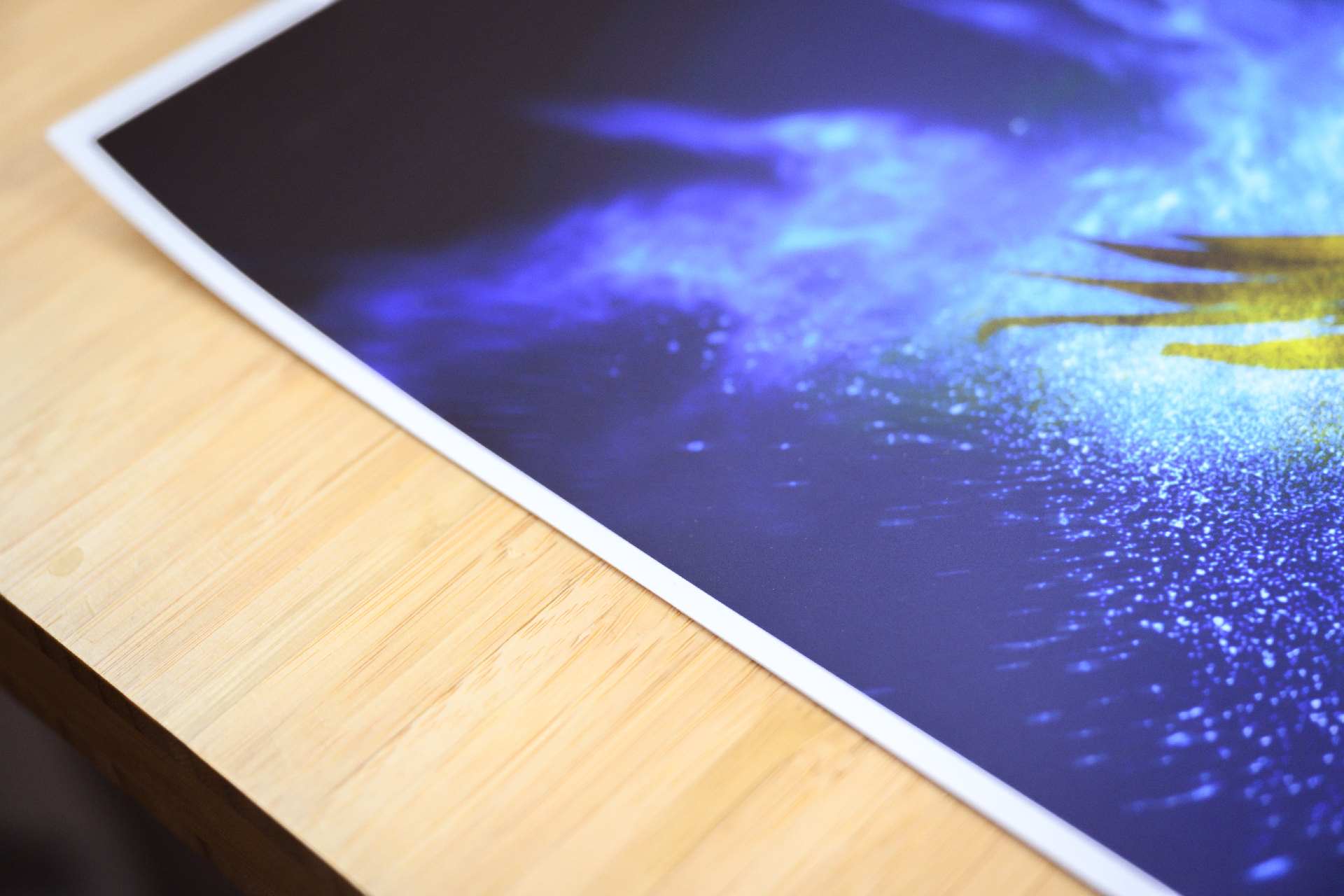
Premium Acid Free Giclée Poster Paper
 
Printed on Photo Satin Paper - ( Poster ) Provided inside a Strong mailing tube [+]
16 x 16 inches
41 x 41 cm
Image Preview
$99
20 x 20 inches
51 x 51 cm
Image Preview
$117
24 x 24 inches
62 x 62 cm
Image Preview
$139
30 x 30 inches
77 x 77 cm
Image Preview
$180
36 x 36 inches
92 x 92 cm
Image Preview
$229
42 x 42 inches
108 x 108 cm
Image Preview
$288
48 x 48 inches
123 x 123 cm
Image Preview
$355
55 x 55 inches
141 x 141 cm
Image Preview
$445


Giclée Art Matte Paper Print
 
Printed on a Premium Archival Matte Paper with a smooth texture & neutral-white - Provided inside a Strong mailing tube [+]
16 x 16 inches
41 x 41 cm
Image Preview
$130
20 x 20 inches
51 x 51 cm
Image Preview
$165
24 x 24 inches
62 x 62 cm
Image Preview
$208
30 x 30 inches
77 x 77 cm
Image Preview
$287
36 x 36 inches
92 x 92 cm
Image Preview
$383
42 x 42 inches
108 x 108 cm
Image Preview
$497


Mural Print

Easy to Install. Washable & Repositionable Self-Adhesive Vinyl [+]
Video
To get your mural price, enter your wall measurement:

INCH FOOT CM
Width: in.
Heigth: in.
Width: ft in
Heigth: ft in
Width: cm
Heigth: cm


Our 10 Color Technology
Our wall murals are produced on printers with Outstanding photographic print quality & durability Extreme image resolution : photographic image quality with the largest color gamut in its class

Easy to Install
Our Wall Mural Print is removable without any damage to your walls. Easy to change or remove. We are using a premium 6 mil auto-adhesive vinyl with a subtile linen-cotton canvas texture.
Change the look and feel of a room without the hassle of traditional wallpaper. Our wall murals print are the perfect solution to easily enhance any residential or commercial space alike!

Repositionable self-adhesive vinyl delivered in strip of 35 to 45 inches of width and slightly overlap for easy installation.
[More info about our Mural prints]
Framed Print View 3D

Get this artwork "A.P.Polo - Escrime" in a framed print.
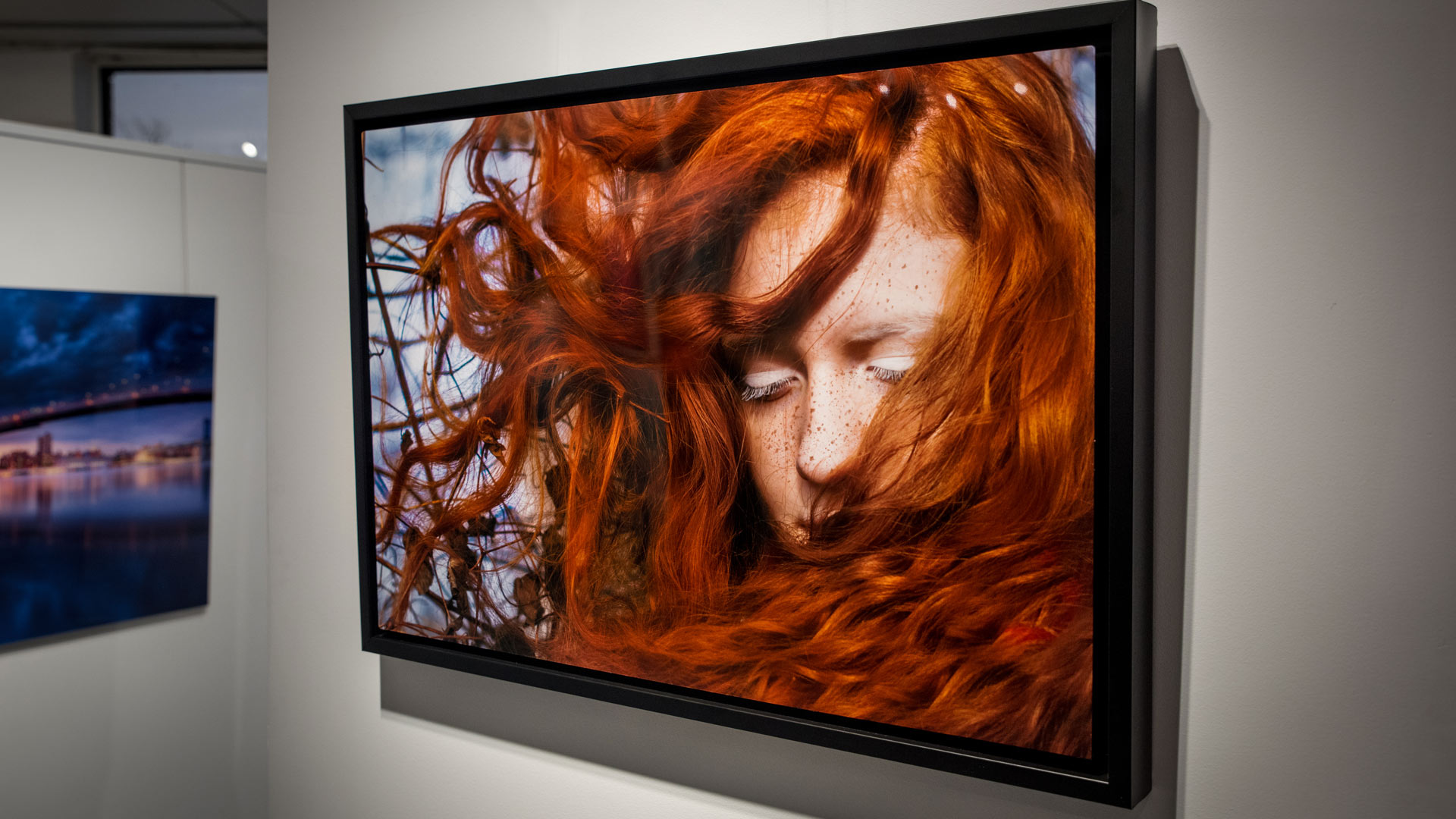
Fully customizable - at the exact size you want. Select paper type, glass, matte and decorating frame
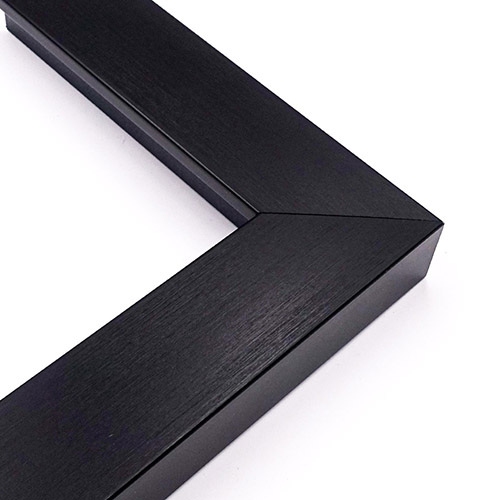
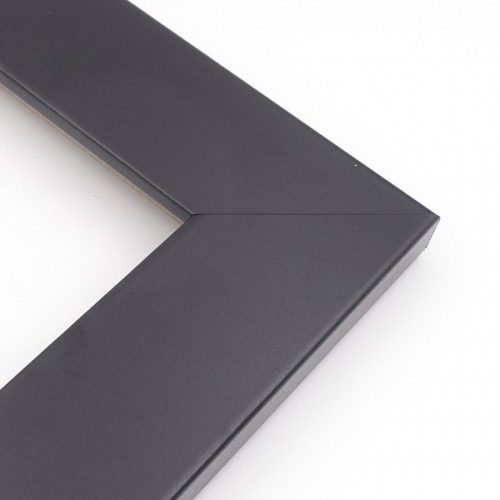
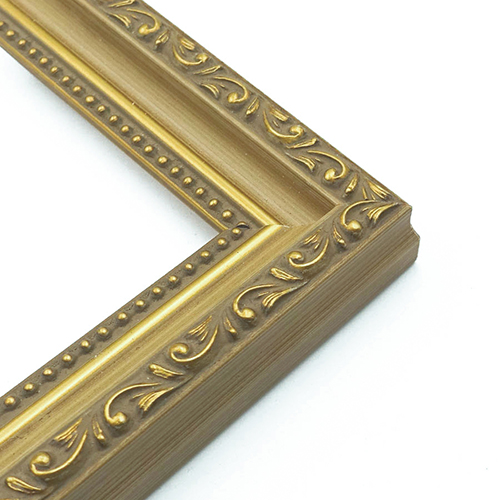
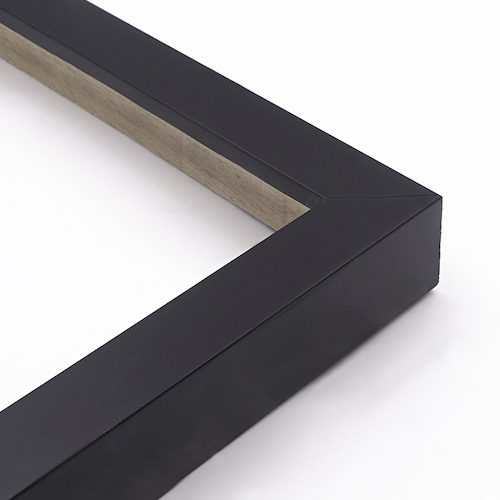
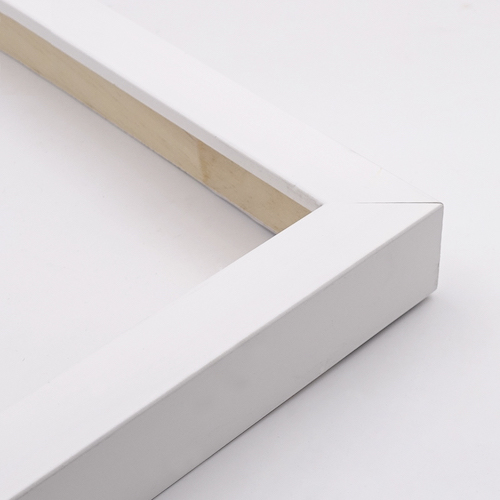
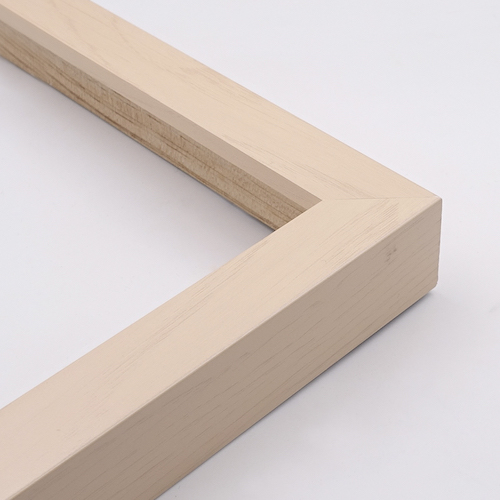
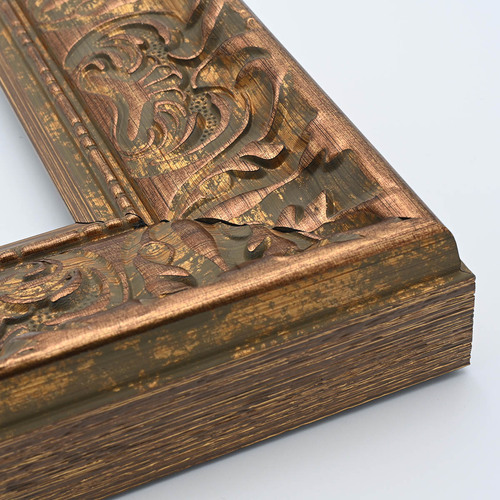
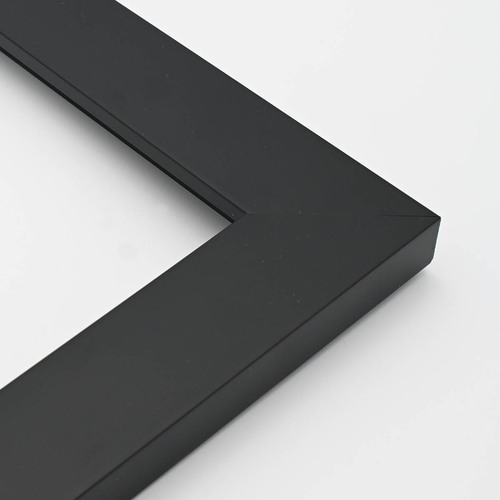
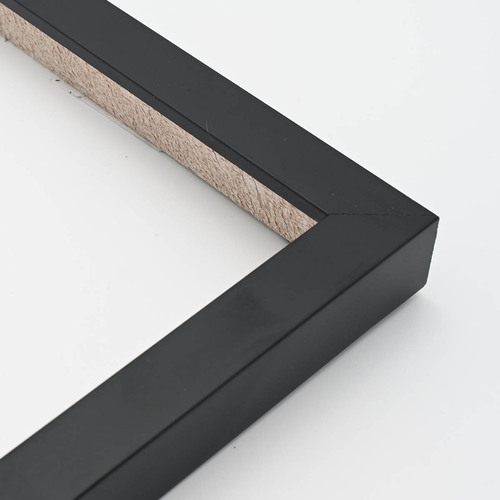
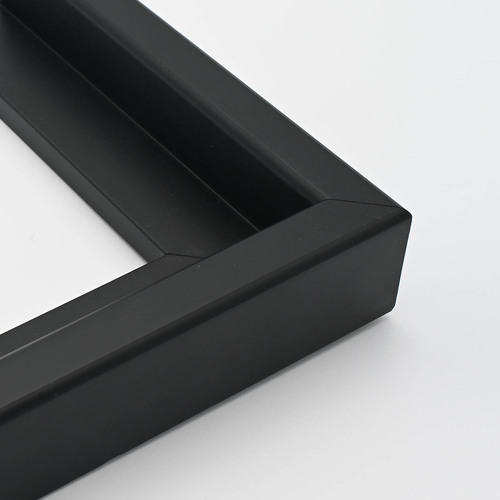
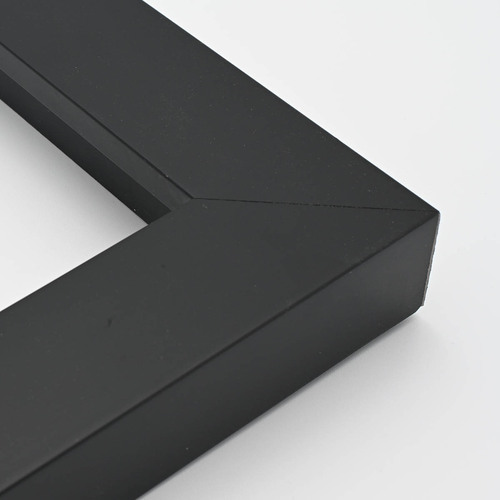
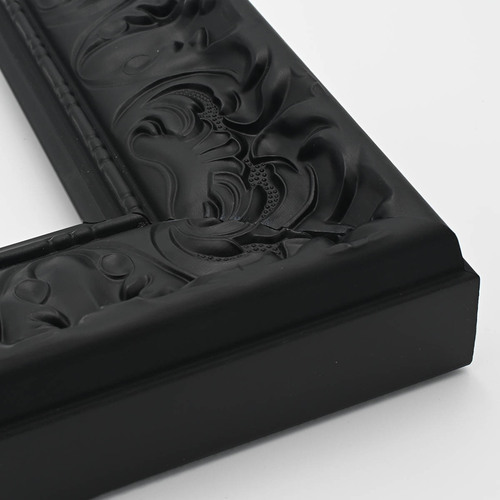
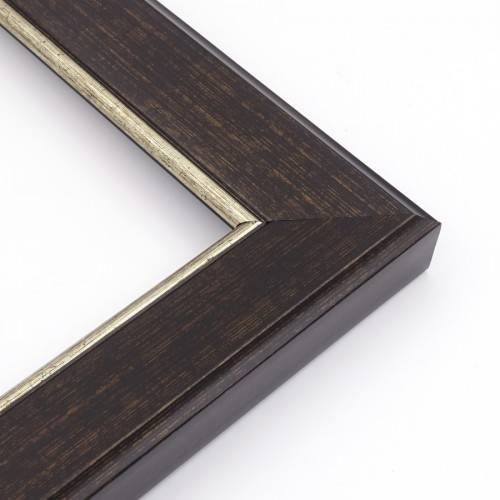
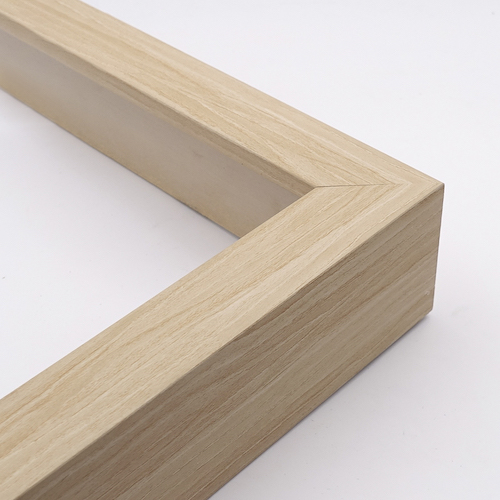
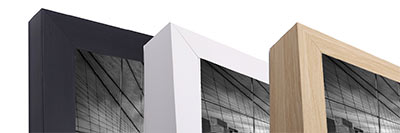
Start building your custom framed print by selecting one the following moulding:
A.P.Polo - Escrime Picture Frame Printing
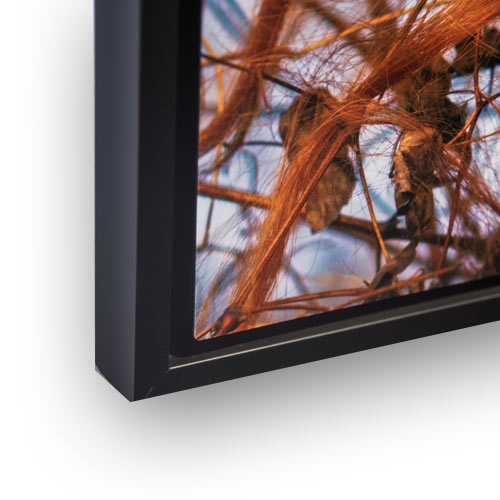
Frame model shown: 832-745

Moulding  Frame
Moulding  Frame
Moulding  Frame
Moulding  Frame
Moulding  Frame
Moulding  Frame
Moulding  Frame
Moulding  Frame
Moulding  Frame
Moulding  Frame
Moulding  Frame
Moulding  Frame
Moulding  Frame
Moulding  Frame
Moulding  Frame

Standard size framed print

   [+]  
Video

28 x 28"
$429
28 x 28" Framed Print View 3D

A.P.Polo - Escrime Frame print
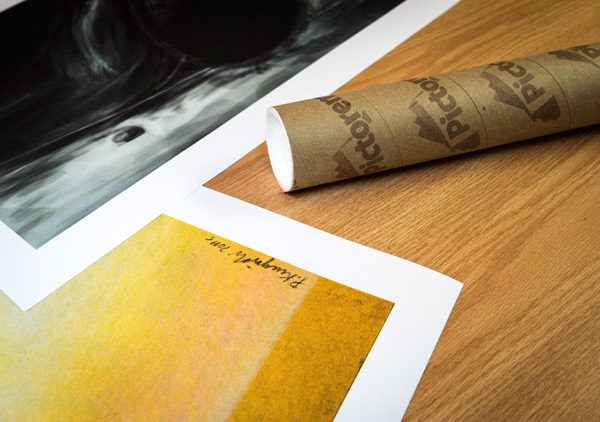
Printed Area: 24 x 24"
Total Inside area: 28.00 x 28.00"
White Border: 2" on each side
Frame Width: 1.25" on each side
Total Physical dimension: 29.25 x 29.25"

Frame model: 832-745
Printing method: 1200dpi UV cured ink on fine art matte board
Ready to hang with wire at the back
Wall Clock

Product details

This artwork is Made with high-quality acrylic Ready to hang.   
Video

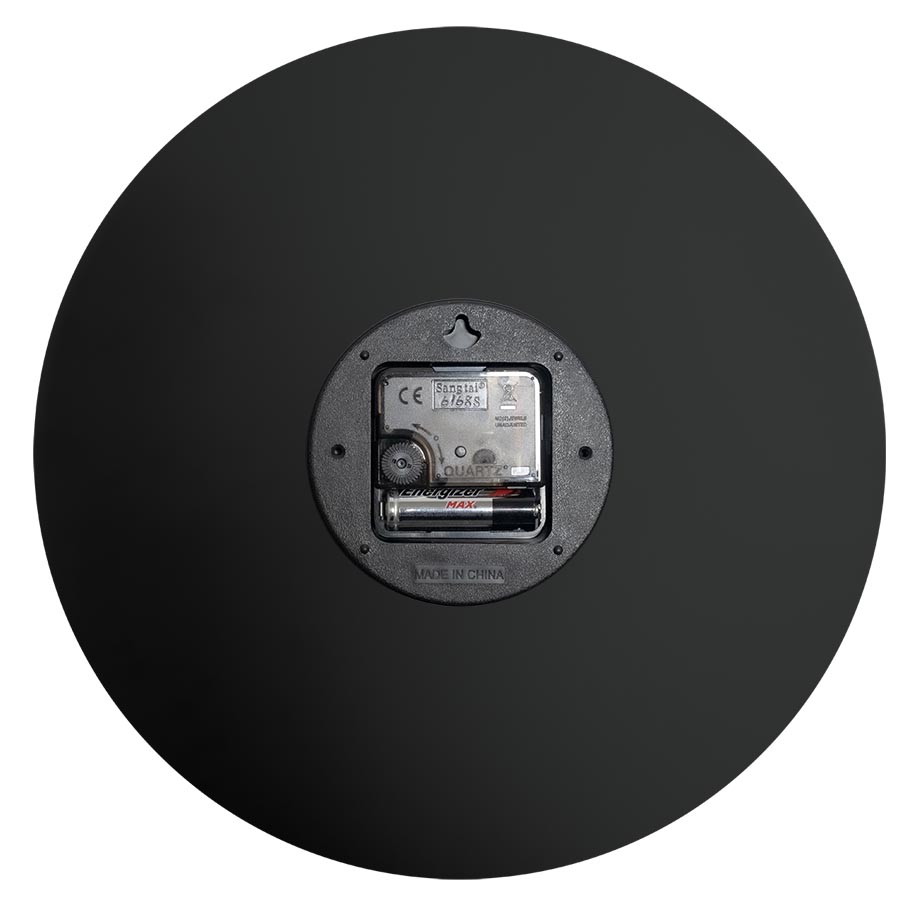
Clock mechanism with a Precise quartz movement. Battery included
Available in Square or Round format
Available in 12" 16" 24" sizes

Build yours

Digital Download

File resolution: 5000 x 5000 pixels


ABOUT THIS ARTWORK: A.P.POLO - ESCRIME
A.P.Polo - "Escrime" - Hamburg (Germany) - New Media Art. Abstract, geometric, contemporary work intended to represent a fencing mask in an atypical way, namely very colourful. Fencing is a group of three related combat sports. The three disciplines in modern fencing are the foil, the épée, and the sabre; winning points are made through the weapon's contact with an opponent. A fourth discipline, singlestick, appeared in the 1904 Olympics but was dropped after that, and is not a part of modern fencing. Fencing was one of the first sports to be played in the Olympics. Based on the traditional skills of swordsmanship, the modern sport arose at the end of the 19th century, with the Italian school having modified the historical European martial art of classical fencing, and the French school later refining the Italian system. There are three forms of modern fencing, each of which uses a different kind of weapon and has different rules; thus the sport itself is divided into three competitive scenes: foil, épée, and sabre. Most competitive fencers choose to specialize in one weapon only. Competitive fencing is one of the five activities which have been featured in every modern Olympic Games, the other four being athletics, cycling, swimming, and gymnastics. The official language of competition in fencing (French Escrime) is French. Unlike modern sport fencing, historical fencing refers to earlier styles, such as those of the Renaissance and the Middle Ages. The aim is to recreate these styles as faithfully as possible. The oldest surviving manual on western swordsmanship dates to around 1300, although historical references date fencing schools back to the 12th century. Modern fencing originated in the 18th century in the Italian school of fencing of the Renaissance, and, under its influence, was improved by the French school. The Spanish school didn't become prominent until the 19th century. Nowadays, these three schools are the most influential around the world. The origins of armed combat are prehistoric, beginning with club, spear and axe. Fighting with shield and sword developed in the Bronze Age; bladed weapons such as the khopesh appeared in the Middle Bronze Age and the proper sword in the Late Bronze Age. The first historical evidence from archaeology of a fencing contest was found on the wall of a temple within Egypt built at a time dated to approximately 1190 B.C. Homer's Iliad includes some of the earliest descriptions of combat with shield, sword and spear, usually between two heroes who pick one another for a duel. Roman gladiators engaged in dual combat in a sport-like setting, evolving out of Etruscan ritual. Tomb frescoes from Paestum (4th century BC) show paired fighters with helmets, spears and shields, in a propitiatory funeral blood rite that anticipates gladiator games. Romans who frequented the gymnasia and baths often fenced with a stick whose point was covered with a ball. Vegetius, the Late Roman military writer, described practicing against a post and fencing with other soldiers. Vegetius describes how the Romans preferred the thrust over the cut, because puncture wounds enter the vital organs directly whereas cuts are often stopped by armour and bone. Raising the arm to deliver a cut exposes the side to a thrust. This doctrine was exploited by Italian fencing masters in the 16th Century and became the primary rationale behind both the Italian and French schools of fencing. Sword fighting schools can be found in European historical records dating back to the 12th century. In later times sword fighting teachers were paid by rich patrons to produce books about their fighting systems, called treatises. Sword fighting schools were forbidden in some European cities (particularly in England and France) during the medieval period, though court records show that such schools operated illegally. The earliest surviving treatise on sword fighting, stored at the Royal Armouries Museum in Leeds, England, dates from around 1300 AD and is from Germany. It is known as I.33 and written in medieval Latin and Middle High German and deals with an advanced system of using the sword and buckler (smallest shield) together. From 1400 onward, an increasing number of sword fighting treatises survived from across Europe, with the majority from the 15th century coming from Germany and Italy. In this period these arts were largely reserved for the knighthood and the nobility – hence most treatises deal with knightly weapons such as the rondel dagger, longsword, spear, pollaxe and armoured fighting mounted and on foot. Some treatises cover weapons available to the common classes, such as großes Messer and sword and buckler. Wrestling, both with and without weapons, armoured and unarmoured, was also featured heavily in the early sword fighting treatises. The very first manual of fencing was published during 1471, by Diego de Valera.(in spite of the title, the book of Diego Valera was on heraldry, not about fencing). Fencing practice went through a revival, with the Marxbruder group, sometime about 1487 A.D. the group having formed some form of Fencing Guild. The rapier was apparently introduced to England during a time circa to 1540 (according to listings of the armoury of Henry the VIIIth). During 1587 a certain Rowland Yorke (of otherwise ill-repute) might have introduced a particular technique with the rapier-sword to somewhere in England. During the 16th century the Italian masters Agrippa, Capo ferro, di Grassi, Fabris, Giganti, Marozzo, and Viggiani wrote treatises which established Italy as the originator of modern fencing. By the 16th century, with the widespread adoption of the printing press, the increase in the urban population and other social changes, the number of treatises increased dramatically. After around 1500 carrying swords became more acceptable in most parts of Europe. The growing middle classes meant that more men could afford to carry swords, learn fighting and be seen as gentlemen. By the middle of the 16th century many European cities contained great numbers of swordsmanship schools and fencing was invented with the invention of the rapier. Often schools clustered together, such as in London at "Hanging Sword Lane". Italian fencing masters were particularly popular and set up schools in many foreign cities. The Italians brought concepts of science to the art, appealing to the Renaissance mindset. In 16th-century Germany compendia of older Fechtbücher techniques were produced, some of them printed; notably by Paulus Hector Mair (in the 1540s) and by Joachim Meyer (in the 1570s) and based on 14th-century teachings of the Liechtenauer tradition. In this period German fencing developed sportive tendencies. The rapier's popularity peaked in the 16th and 17th centuries. The Dardi school of the 1530s, as exemplified by Achille Marozzo, still taught the two-handed spadone, but preferred the single–handed sword. The success of Italian masters such as Marozzo and Fabris outside of Italy shaped a new European mainstream of fencing. One master, Girolamo Cavalcabo of Bologna, was employed by the French Court to tutor the future Louis XIII in fencing, and his influence may be seen in later French treatises, such as that by François Dancie in 1623. The Ecole Française d'Escrime founded in 1567 under Charles IX produced masters such as Henry de Sainct-Didier who introduced the French fencing terminology that remains in use today. Rapier gave rise to the first recognisable ancestor of modern foil: a training weapon with a narrow triangular blade and a flat "nail head" point. Such a weapon (with a swept hilt and a rapier length blade) is on display at the Royal Armouries Museum. However, the first known version of foil rules only came to be written down towards the end of the 17th century (also in France). Fencing was a popular form of staged entertainment in 16th- and 17th-century England. It was also a fashionable (although somewhat controversial) martial art. In 1540 Henry VIII granted a monopoly on the running of fencing schools in London to The Company of Masters. Fencers were specifically included in the 1597 Vagabonds Act ("all fencers, bearwards, common players of interludes, and minstrels"). A number of notable fencing masters from the late 16th century (Vincentio Saviolo, Rocco Bonetti, and William Joyner) ran schools in and around Blackfriars (then the main theatre district of London). Around the same time, a number of significant fencing manuals were written in or translated into English. Prizefights were bloody but rarely lethal. Samuel Pepys describes visiting at least two prizefights held in London's Beargarden in 1667 – the contestants were tradesmen rather than fencing masters; both fights ended after one of the contestants was unable to continue because of wrist injuries. On the whole, the English public opinion of fencing during this period was rather low; it was viewed in much the same light as cage fighting today. An almost exclusively thrusting style first became popular in France during the 17th century. The French were enthusiastic adopters of the smallsword, which was light and short, and, therefore, well suited to fast, intricate handwork. Light, smaller training weapons were developed on the basis of an existing template: narrow rectangular blade with a "nail head" at the end. The first documented competition with rules resembling contemporary foil took place in Toulouse in the late 17th century.

This artwork can be shipped worldwide when ordered on Canvas & Poster Roll
Any other format including, Stretched Canvas, Acrylic etc, ships only in Continental USA & Canada (Free shipping)

Report this artwork
Print One Plant One
One tree planted for every print.  Pictorem supports Trees for the Future, a 501(c)3 non-profit organization, that operates an agroforesty program to restore trees to degraded lands by working with smallholder farmers.

CREATE ACCOUNT

FORGOT YOUR USER ACCOUNT DETAILS?

TOP