Loading..
GENERATING IMAGE. PLEASE WAIT...

Like it
LIMITED EDITION of 50

# 235406

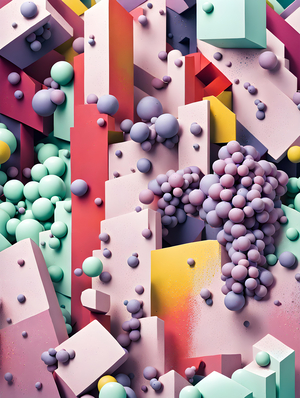
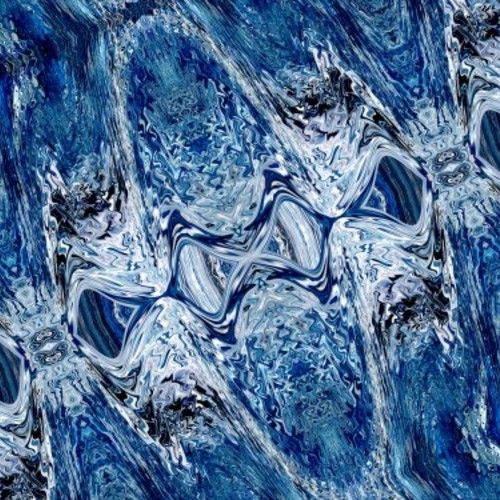
A.P.POLO - UTOPIA


Available in :
LIMITED EDITION of 50
Pictorem Reviews 4.8 Average Rating by 131.9k customers

See this artwork on various walls
Wall decor artwork generator Wall decor artwork generator Wall decor artwork generator view on my wall


A.P.Polo - "Utopia" - Hamburg (Germany). A utopia is the design of a possible, future, but usually fictitious way of life or social order that is not...[+]


562 views


Facebook Pinterest Email to a friend


Keywords:
[+] expand
Browse for similar dominant colors:

Giclée Canvas Print

All our stretched Canvas are custom made on a Premium Fine Art Matte Canvas 410g/m2 1.5 Inch Thick wood for a real gallery look     
Giclee printing with Pigment ink designed to meet galleries and museum longevity requirements and ensure consistency of shades 200 years old. [+]

Stretched Canvas Print   We ship in USA & Canada
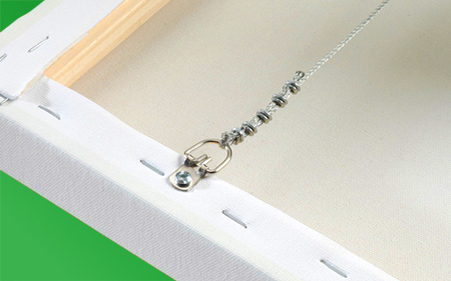
Ready to hang - Stretched on 1.5" inch thick pine wood - Gallery style
23 x 30 inches
59 x 77 cm
Image Preview
$310
27 x 36 inches
69 x 92 cm
Image Preview
$392
32 x 42 inches
82 x 108 cm
Image Preview
$500
36 x 48 inches
92 x 123 cm
Image Preview
$578
41 x 55 inches
105 x 141 cm
Image Preview
$1022
45 x 60 inches
115 x 154 cm
Image Preview
$1162
54 x 72 inches
138 x 185 cm
Image Preview
$1531

Acrylic Print

360 View
🔄

Loading 3D Viewer...

Click and drag to rotate

360 View
Get a Modern piece of art with this vibrant Acrylic Print.
Fine Art made from a Premium polished, best-in-class, 99.9% optically pure acrylic and the latest Flatbed printing craftmanship.  
Video
[+]

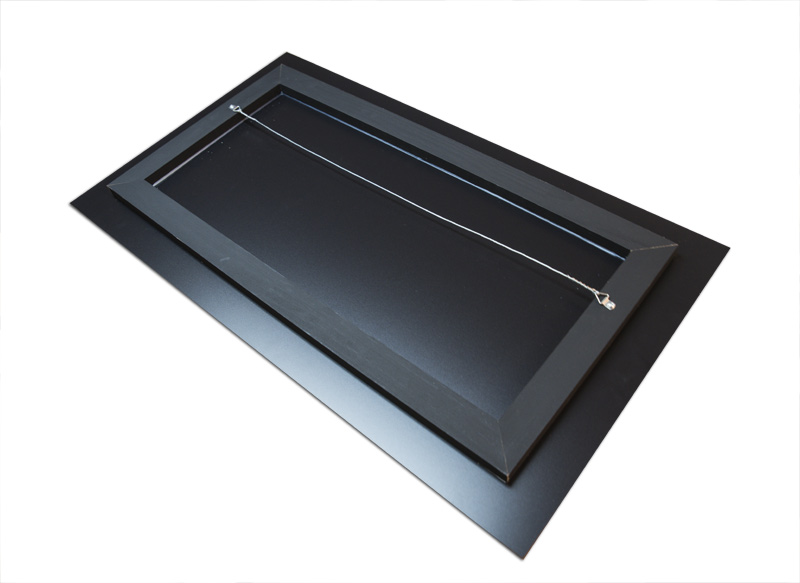
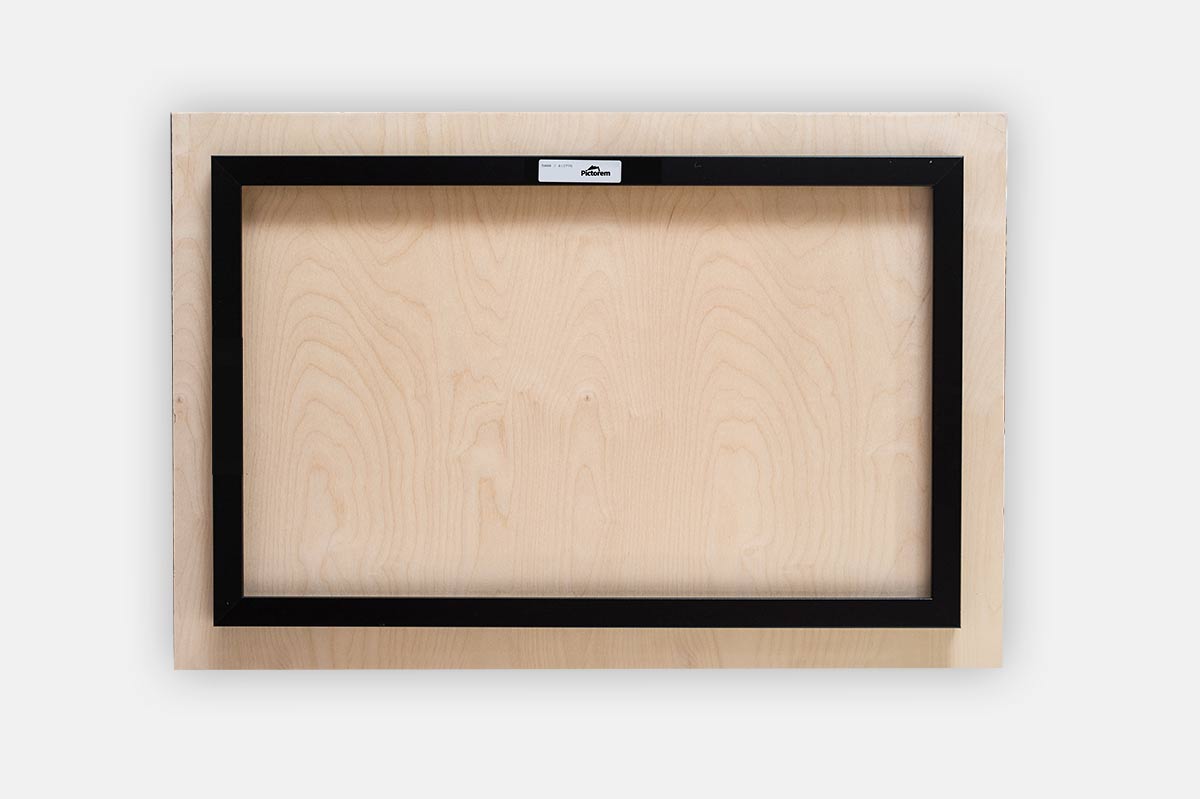
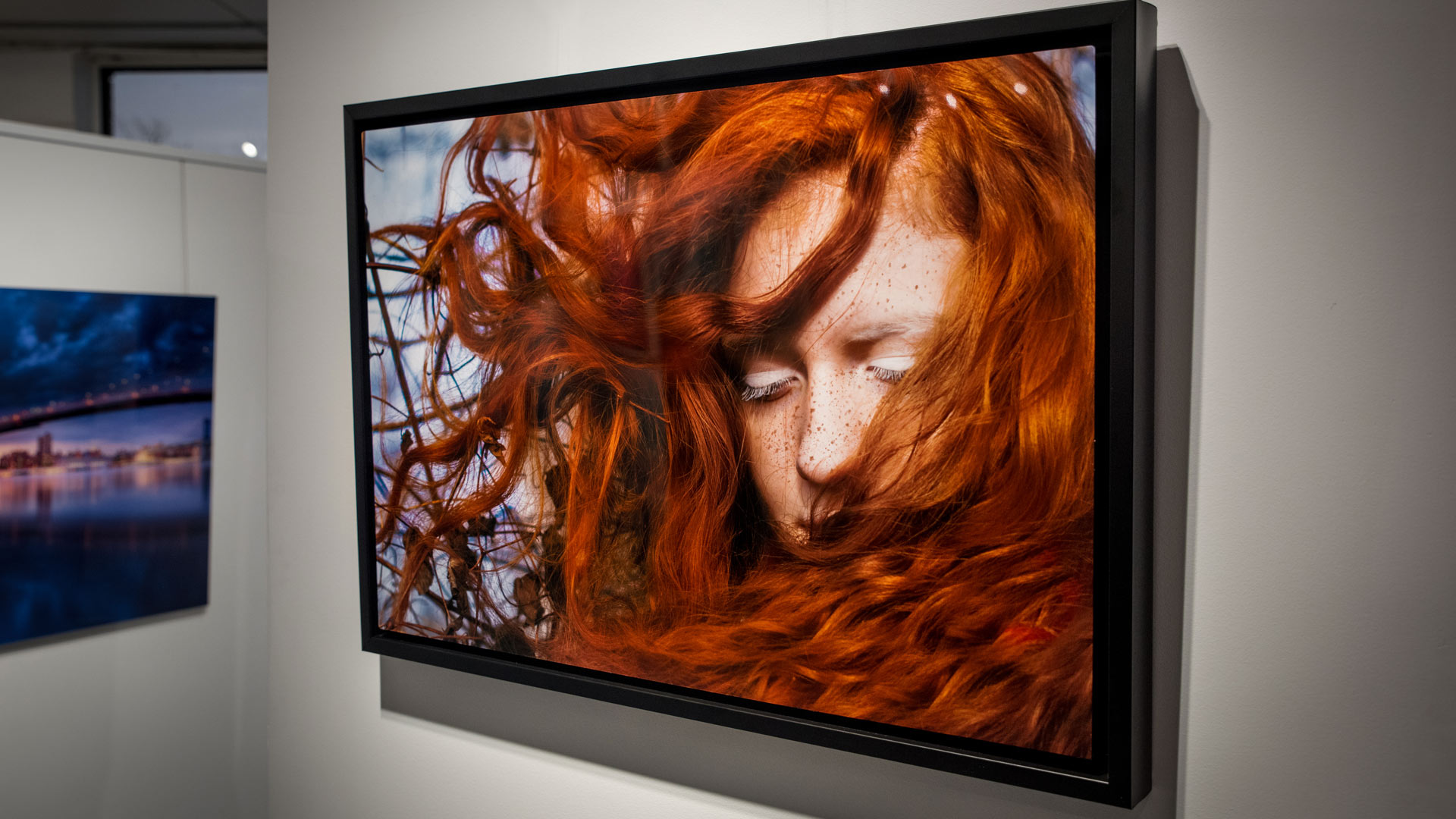
  Acrylic Print with Floating Frame on the back
Printed to the edge & Ready to hang. With a floating frame on the back and hanging wire    
1/8" Glossy:
23 x 30 inches
59 x 77 cm
Image Preview
$508
27 x 36 inches
69 x 92 cm
Image Preview
$673
32 x 42 inches
82 x 108 cm
Image Preview
$890
36 x 48 inches
92 x 123 cm
Image Preview
$1115
41 x 55 inches
105 x 141 cm
Image Preview
$1681
45 x 60 inches
115 x 154 cm
Image Preview
$1951
3/16" Glossy:
23 x 30 inches
59 x 77 cm
Image Preview
$674
27 x 36 inches
69 x 92 cm
Image Preview
$883
32 x 42 inches
82 x 108 cm
Image Preview
$1158
36 x 48 inches
92 x 123 cm
Image Preview
$1442
41 x 55 inches
105 x 141 cm
Image Preview
$2091
45 x 60 inches
115 x 154 cm
Image Preview
$2431

  Acrylic Print with Stand off
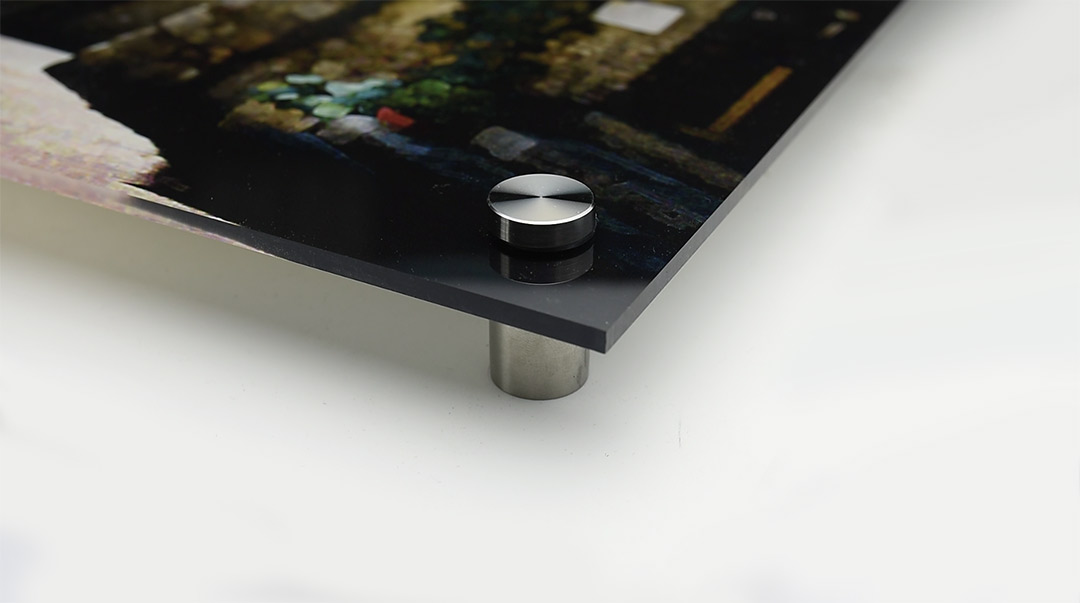
Printed to the edge - Ready to hang - provided with 4 premium polished aluminum stand off ( wall screws and mounting hardware provided )
We suggest a thicker 3/16" acrylic for any size over 42 inches to guarantee a straight acrylic, without curvature
1/8" Glossy:
23 x 30 inches
59 x 77 cm
Image Preview
$508
27 x 36 inches
69 x 92 cm
Image Preview
$673
32 x 42 inches
82 x 108 cm
Image Preview
$890
36 x 48 inches
92 x 123 cm
Image Preview
$1115
41 x 55 inches
105 x 141 cm
Image Preview
$1681
45 x 60 inches
115 x 154 cm
Image Preview
$1951
3/16" Glossy:
23 x 30 inches
59 x 77 cm
Image Preview
$674
27 x 36 inches
69 x 92 cm
Image Preview
$883
32 x 42 inches
82 x 108 cm
Image Preview
$1158
36 x 48 inches
92 x 123 cm
Image Preview
$1442
41 x 55 inches
105 x 141 cm
Image Preview
$2091
45 x 60 inches
115 x 154 cm
Image Preview
$2431

Smooth White Metal Print

HD ChromaLuxe Sublimation High-Gloss Metal Print

360 View
A.P.Polo - Utopia  HD Metal print with Floating Frame on Back
🔄

Loading 3D Viewer...

Click and drag to rotate

A.P.Polo - Utopia HD Sublimation Metal print
A.P.Polo - Utopia Metal print

Color brilliance, superior durability and archival qualities
This artwork is produced on a dye sublimation Chromaluxe high-definition metal panel  
Video
[+]

  Sublimation Hi-Gloss White Metal Print with Back frame
Printed to the edge & Ready to hang a floating frame and hanging wire 
23 x 30 inches
59 x 77 cm
Image Preview
$645
27 x 36 inches
69 x 92 cm
Image Preview
$870
32 x 42 inches
82 x 108 cm
Image Preview
$1167
36 x 48 inches
92 x 123 cm
Image Preview
$1474

  Sublimation Hi-Gloss White Metal Print with Decorating Floating Moulding (Black)
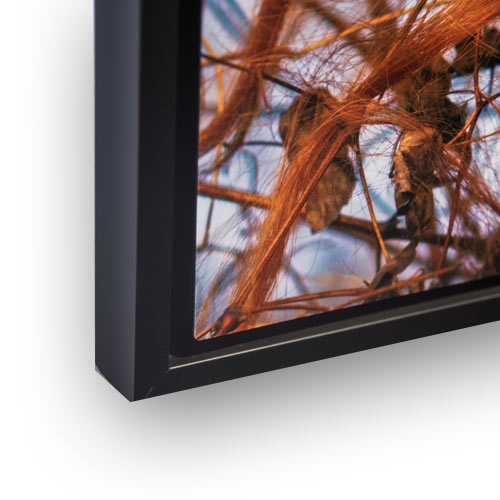
Inside a decorating frame (Box) - Black Floating Frame
23 x 30 inches
59 x 77 cm
Image Preview
$766
27 x 36 inches
69 x 92 cm
Image Preview
$1021
32 x 42 inches
82 x 108 cm
Image Preview
$1352
36 x 48 inches
92 x 123 cm
Image Preview
$1937

Wood Print

360 View
A.P.Polo - Utopia  Wood print
🔄

Loading 3D Viewer...

Click and drag to rotate

A.P.Polo - Utopia Wood print

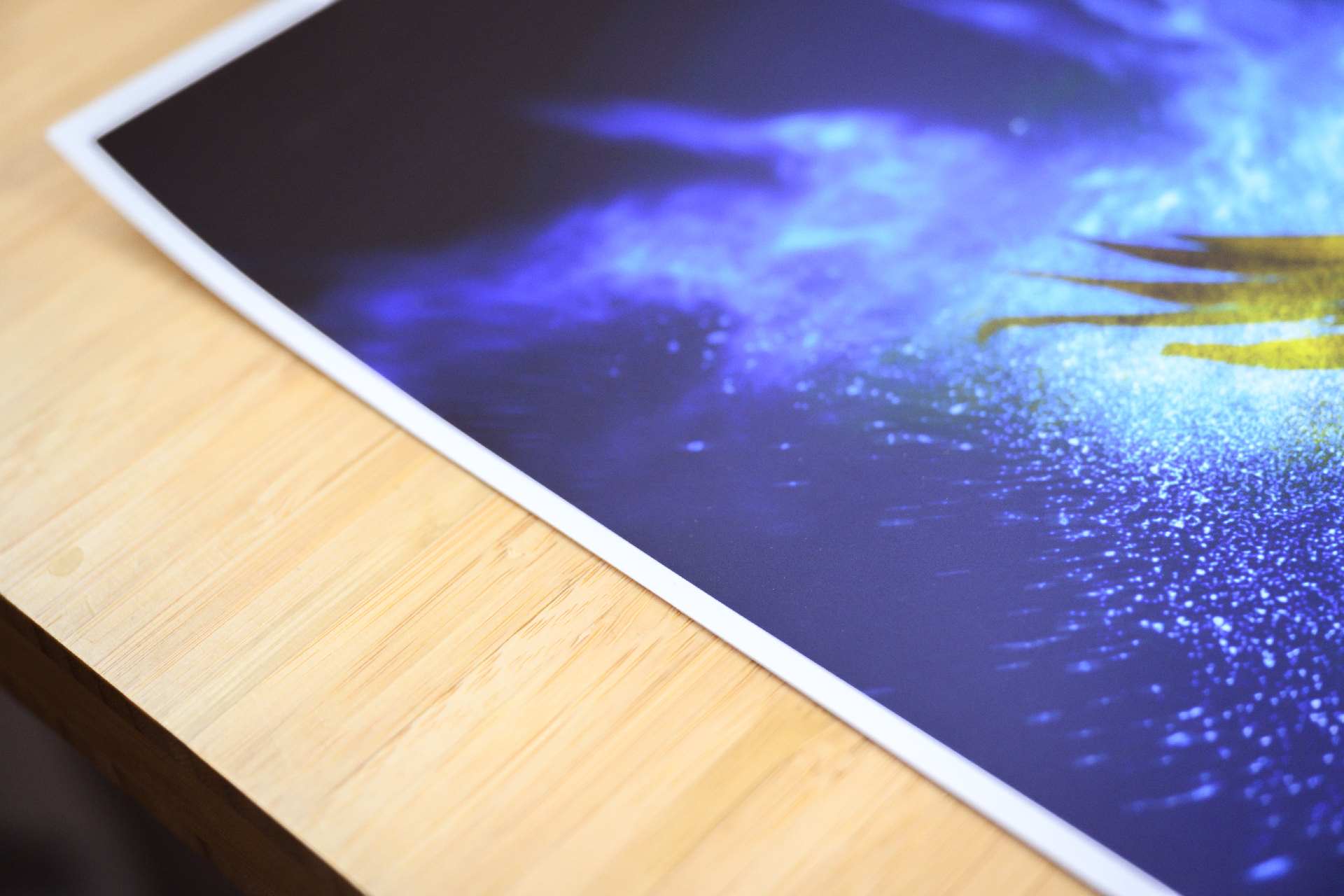
Printed with UV cured inks providing an incredible high quality printed image which is scratch resistant with colors that will not fade overtime.
White and lighter areas are not printed on the wood, revealing the beauty of the wood’s texture and natural beauty!
Printed on 3/8" (9mm) thick and strong and durable Russian Birch wood which is ready to hang and enjoy! [+]

Wood Print with Back Frame Mount
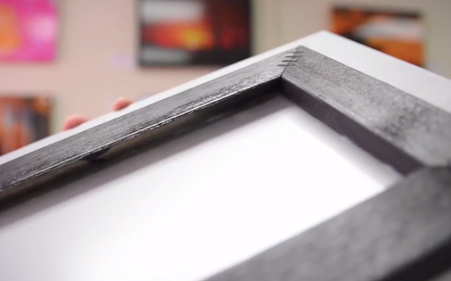
Printed to the edge & Ready to hang a floating frame  
Video
[+]
23 x 30 inches
59 x 77 cm
Image Preview
$444
27 x 36 inches
69 x 92 cm
Image Preview
$588
32 x 42 inches
82 x 108 cm
Image Preview
$777
36 x 48 inches
92 x 123 cm
Image Preview
$972
41 x 55 inches
105 x 141 cm
Image Preview
$1498
45 x 60 inches
115 x 154 cm
Image Preview
$1735

Paper Print

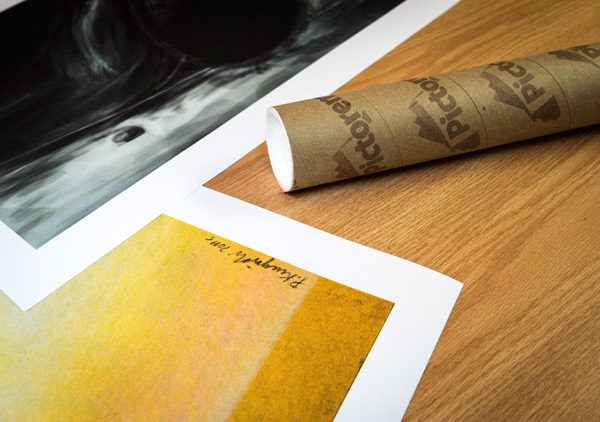
A.P.Polo - Utopia rolled print

Shipped rolled in a strong mailing tube – Choose between an optional extra white border or an exact-cut finish directly on the shopping cart page.

We ship worldwide

Giclée Roll Canvas Print
 
Printed on Fine Art Matte Canvas Paper - Provided inside a Strong mailing tube [+]
23 x 30 inches
59 x 77 cm
Image Preview
$183
27 x 36 inches
69 x 92 cm
Image Preview
$225
32 x 42 inches
82 x 108 cm
Image Preview
$281
36 x 48 inches
92 x 123 cm
Image Preview
$304
41 x 55 inches
105 x 141 cm
Image Preview
$674
45 x 60 inches
115 x 154 cm
Image Preview
$751
54 x 72 inches
138 x 185 cm
Image Preview
$953


Premium Acid Free Giclée Poster Paper
 
Printed on Photo Satin Paper - ( Poster ) Provided inside a Strong mailing tube [+]
23 x 30 inches
59 x 77 cm
Image Preview
$107
27 x 36 inches
69 x 92 cm
Image Preview
$132
32 x 42 inches
82 x 108 cm
Image Preview
$164
36 x 48 inches
92 x 123 cm
Image Preview
$198
41 x 55 inches
105 x 141 cm
Image Preview
$244
45 x 60 inches
115 x 154 cm
Image Preview
$282
54 x 72 inches
138 x 185 cm
Image Preview
$386


Giclée Art Matte Paper Print
 
Printed on a Premium Archival Matte Paper with a smooth texture & neutral-white - Provided inside a Strong mailing tube [+]
23 x 30 inches
59 x 77 cm
Image Preview
$164
27 x 36 inches
69 x 92 cm
Image Preview
$212
32 x 42 inches
82 x 108 cm
Image Preview
$276
36 x 48 inches
92 x 123 cm
Image Preview
$341
41 x 55 inches
105 x 141 cm
Image Preview
$431


Mural Print

Easy to Install. Washable & Repositionable Self-Adhesive Vinyl [+]
Video
To get your mural price, enter your wall measurement:

INCH FOOT CM
Width: in.
Heigth: in.
Width: ft in
Heigth: ft in
Width: cm
Heigth: cm


Our 10 Color Technology
Our wall murals are produced on printers with Outstanding photographic print quality & durability Extreme image resolution : photographic image quality with the largest color gamut in its class

Easy to Install
Our Wall Mural Print is removable without any damage to your walls. Easy to change or remove. We are using a premium 6 mil auto-adhesive vinyl with a subtile linen-cotton canvas texture.
Change the look and feel of a room without the hassle of traditional wallpaper. Our wall murals print are the perfect solution to easily enhance any residential or commercial space alike!

Repositionable self-adhesive vinyl delivered in strip of 35 to 45 inches of width and slightly overlap for easy installation.
[More info about our Mural prints]
Framed Print View 3D

Get this artwork "A.P.Polo - Utopia" in a framed print.
Fully customizable - at the exact size you want. Select paper type, glass, matte and decorating frame
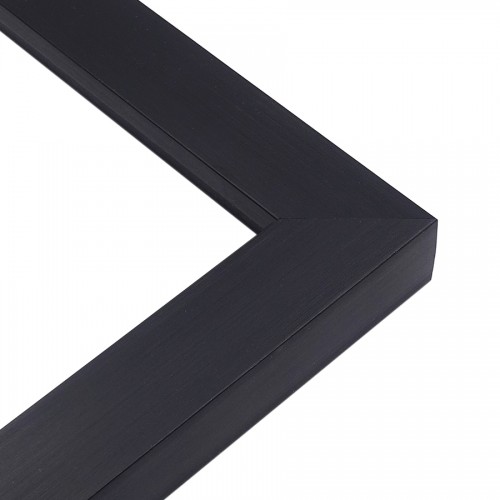
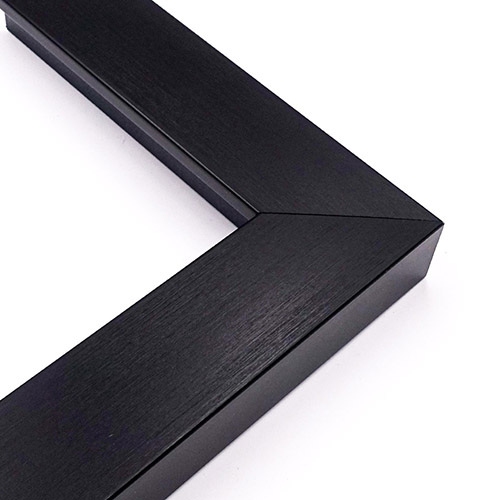
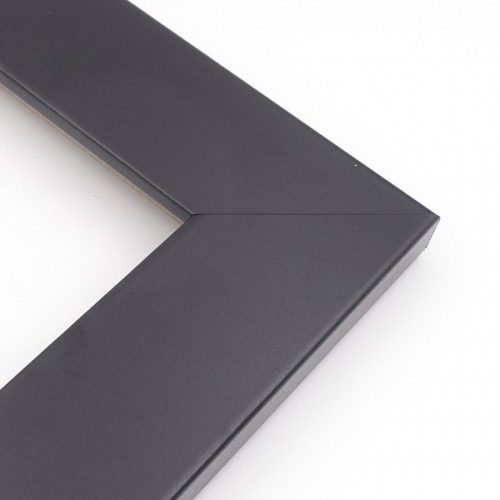
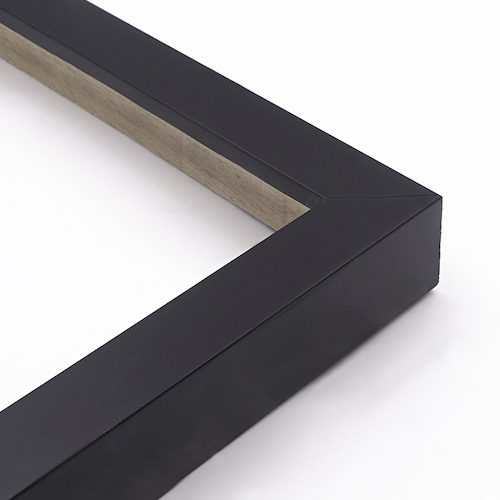
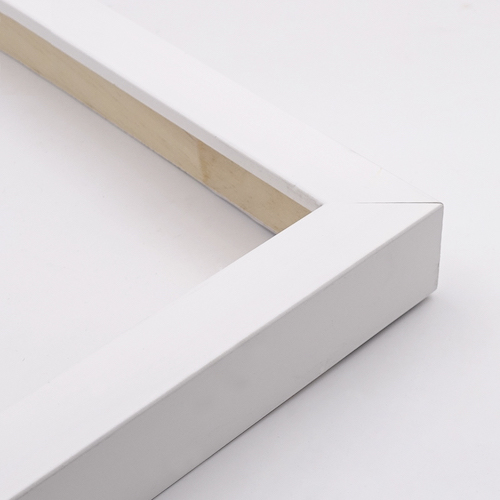
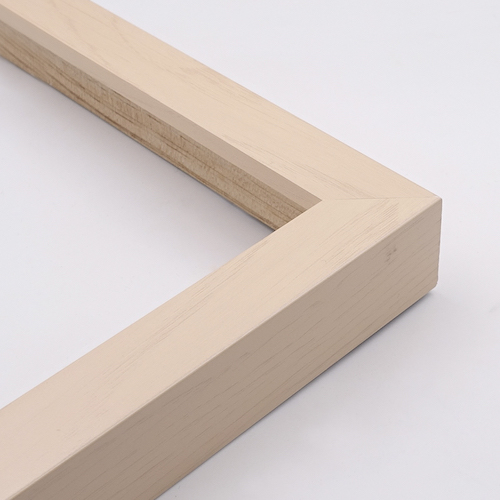
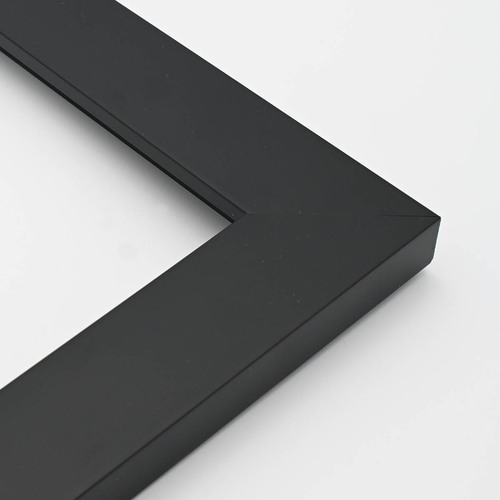
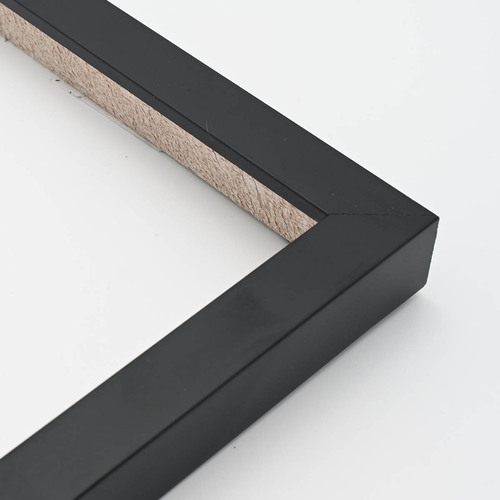
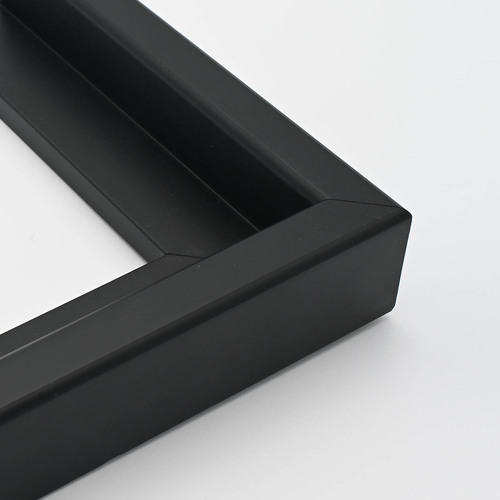
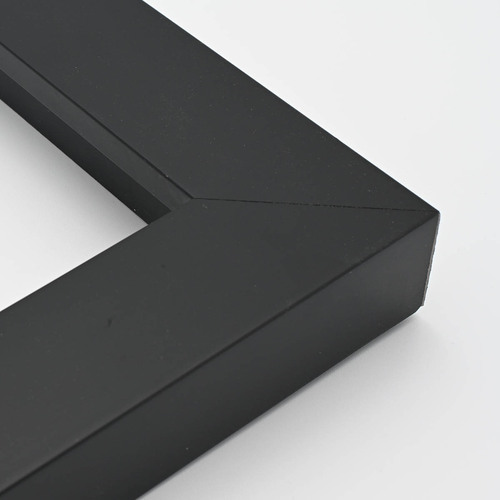
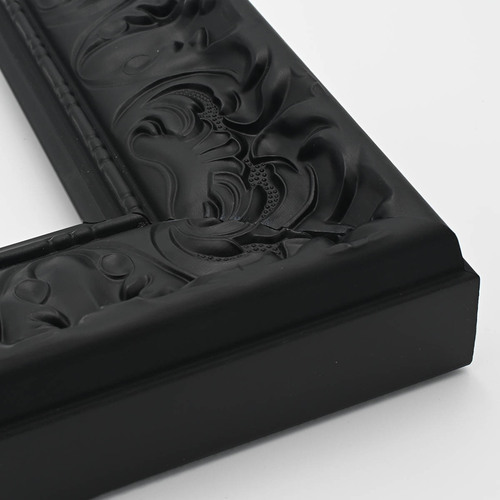
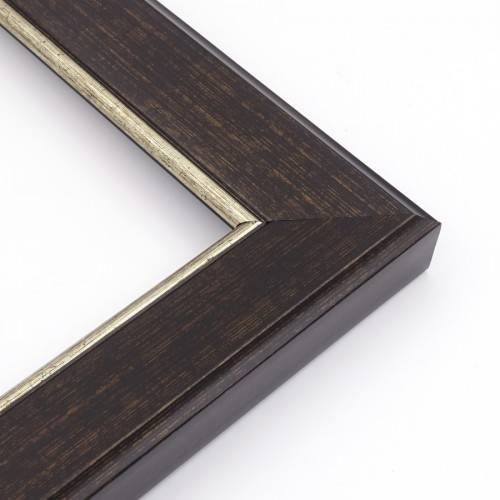
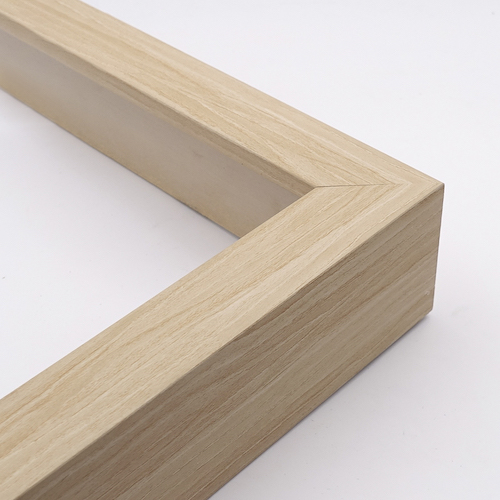
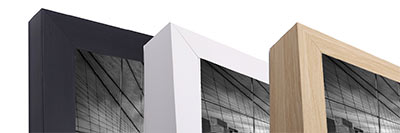
Start building your custom framed print by selecting one the following moulding:
A.P.Polo - Utopia Picture Frame Printing
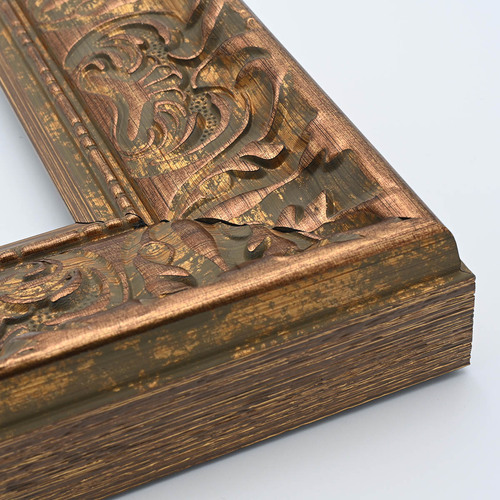
Frame model shown: 832-745

Moulding  Frame
Moulding  Frame
Moulding  Frame
Moulding  Frame
Moulding  Frame
Moulding  Frame
Moulding  Frame
Moulding  Frame
Moulding  Frame
Moulding  Frame
Moulding  Frame
Moulding  Frame
Moulding  Frame
Moulding  Frame
Moulding  Frame

Sublimation High-Gloss Jigsaw Puzzle Print

A.P.Polo - Utopia A P Polo Puzzle printing

A.P.Polo - Utopia A P Polo Puzzle
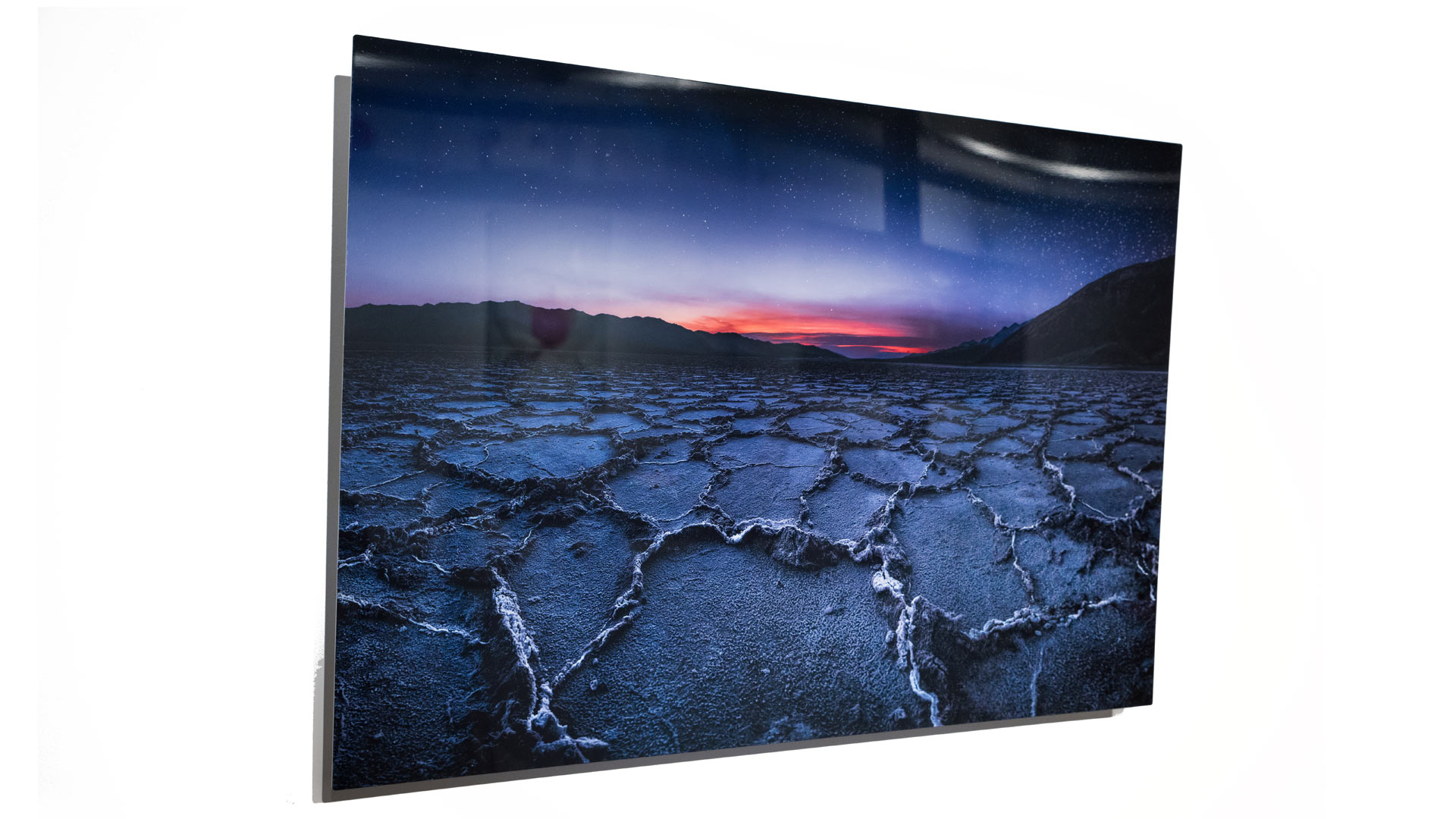
Precisely produced by HD Sublimation Process & Protected by a high-gloss varnish.
Unlike traditional printing — This artwork is produced with by sublimation print. We utilize heat and pressure to transfer images directly into the surface of the Puzzle, bonding your image to the substrate at the molecular level.  
Video
[+]


120 pcs 11 x 8 inches Puzzle High Gloss  
20 x 28 cm
$54
315 pcs 17 x 12 inches Puzzle High Gloss  
30 x 42 cm
$66
500 pcs 21 x 15 inches Puzzle High Gloss  
40 x 54 cm
$79
1000 pcs 27 x 17.50 inches Puzzle High Gloss  
45 x 69 cm
$92
1500 pcs 36 x 24 inches Puzzle High Gloss  
61 x 91 cm
$122

Wall Clock

Product details

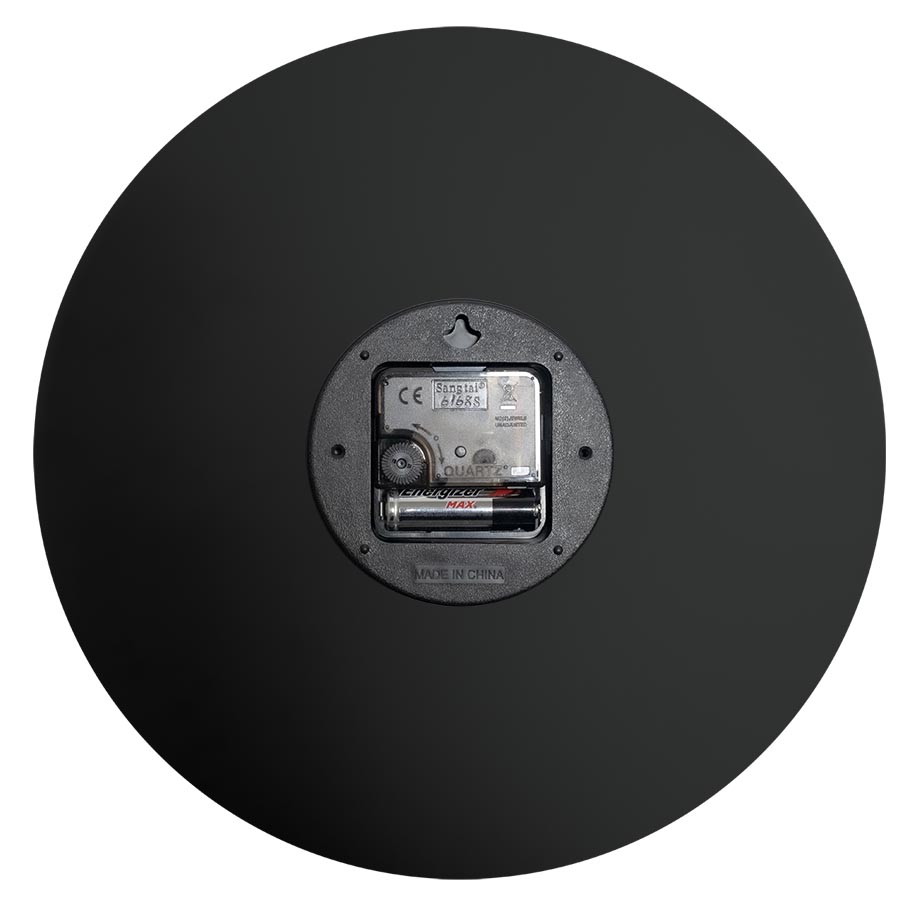
This artwork is Made with high-quality acrylic Ready to hang.   
Video

Clock mechanism with a Precise quartz movement. Battery included
Available in Square or Round format
Available in 12" 16" 24" sizes

Build yours

Digital Download

File resolution: 4096 x 5440 pixels


ABOUT THIS ARTWORK: A.P.POLO - UTOPIA
A.P.Polo - "Utopia" - Hamburg (Germany). A utopia is the design of a possible, future, but usually fictitious way of life or social order that is not bound to contemporary historical and cultural conditions. The term is derived from the ancient Greek ou "not" and tópos "place, location", together "non-place". The fictional social orders described in utopias often result from a critique of the respective contemporary social order and can then be read as positive counter-designs. A utopia typically describes an imaginary community or society that possesses highly desirable or near-perfect qualities for its members. It was coined by Sir Thomas More for his 1516 book Utopia, which describes a fictional island society in the New World. In everyday language, utopia (especially as the adjective utopian) is often used as a synonym for beautiful visions of the future that are considered unrealisable. In terms of their feasibility, a distinction is made between descriptive (describing apparent future trends), evasive (associated with a tendency to flee the world) and constructive (to be actively realised) utopias. These can relate to forms of government and economy, the future of culture, art or religion, different ways of living together, innovations in the education system or gender constellations, among other things. The term comes from the title De optimo rei publicae statu deque nova insula Utopia (Of the best state of the state or of the new island of Utopia) of the novel published in 1516 by the English statesman Thomas More, who describes an ideal society in which he holds up a critical mirror to his contemporaries. However, one often comes across the simplified term Utopia, which actually only describes the island on which the members of the ideal society live. Thomas More's Utopia does not lie in the future, but in a distant part of the world; the ideal community is also not realised within the framework of the Christian order of salvation, but within the world. It was not until the 18th century that a temporalisation of utopia could be observed. In today's linguistic usage, utopia is almost always located in the future and rarely in the past or the spatial distance. In all cases, it is characterised by the fact that existing approaches in the present are further developed or conditions are questioned. In the first part of his work, Thomas More criticised the social conditions in the England of his time. Utopias therefore usually have a socially critical character. Either by claiming that a better society is possible (see Thomas More's Utopia, Heinrich von Kleist's The Earthquake in Chili ("The Valley of the Righteous"), Burrhus Frederic Skinner Walden Two) or, conversely, by developing existing tendencies further in thought, turning them into dystopias, i.e. pessimistic negative utopias, and thus sharply criticising them, for example in classic novels and satires such as Brave New World (Aldous Huxley) and 1984 (George Orwell), in visions of the cyberpunk genre and films such as ...Year 2022... who want to survive (Soylent Green). The main content of a utopia is often a vision of society in which people live an alternative social system in practice. The utopia is often presented in literary form (utopian novel), in films or in works of art. Although the term utopia is conventionally used as a synonym for optimistic-fantastic ideals, the socio-critical aspect of a utopia can be interpreted in a practical, present-day way: Proponents see new possibilities looming on the horizon. Critics deny the possibility of their realisation and warn of undesirable or ill-considered possible consequences. The tragedy of the long labour that lies ahead in order to turn utopian ideas into reality in the distant future is an elementary aspect of utopia. The tragedy is that - both at the level of fiction and in attempts to realise a utopia politically - the intention of social improvement can easily turn into its opposite. Attempts to realise utopian designs with violence almost inevitably lead to a deterioration of the social situation (lack of freedom, war, hatred). However, as many utopian concepts are essentially based on a totalitarian form of government, they can hardly tolerate any deviations and therefore tend towards violence. Concrete utopia, on the other hand, is based on the given possibility of realisation. Concrete utopia is a term coined by the philosopher Ernst Bloch to describe the state after a real possible change in society. Ernst Bloch developed the term concrete utopia as a reaction to Marxism's criticism of utopia. Karl Marx and Friedrich Engels had criticised early socialism to the effect that it could only turn the world upside down and create abstract utopias. However, this world had to be put on its feet: According to Engels, social progress cannot be realised through the insight gained that the existence of classes contradicts justice, equality, etc., not through the mere will to abolish these classes, but through certain new economic conditions. Bloch wants to counter the generalisation of such a critique to all utopias, to show the diversity of the utopian and, in particular, to assert the indispensability of social utopian anticipations in the context of Marxist practice. The concrete utopia presupposes Marx's critique of economics and, in particular since the early 1930s, refers positively to the labour movement and the communist party as subjects of a concrete utopian practice. However, because utopias can only be understood as unrealistic from their respective historical context, some aspects of everyday life at the beginning of the 21st century already resemble technical and social utopias from the 1950s (internet, space travel) or even surpass them (genetic engineering). Elements of dystopias (Big Brother) can also be found (surveillance). Robert Jungk, one of the first futurologists, saw utopias as a drive for social invention in a desirable future. He advocated the democratisation of utopian thinking by encouraging the imagination and saw this as a political means of preventing people from sinking into passivity and resignation in the face of social crises. The future workshop concept he developed includes a utopian phase. Utopia is "thinking ahead" (Ernst Bloch) as "the critique of what is and the depiction of what should be" (Max Horkheimer). However, the extent to which utopia can be organised as a "concrete utopia" (Ernst Bloch) has been disputed since Georg Lukács' "prohibition of images" in 1916. "Every attempt to shape the utopian as being only ends up destroying form". As a kind of antithesis to this statement, Bloch demonstrates the "fragmentary", the "utopian image remnant in realisation" across the history of philosophy, literature and art in Prinzip Hoffnung and opposes the "rounded satisfaction" and "immanence without a bursting leap" of the seemingly complete, constantly referring to the "not yet" that is contained in the "not". Already in the "Grundlegung" of his main work, he contrasts the daydream as a "consciously shaping, transforming fantasy" with the "subconscious chaos" of the night dream as a constitutive moment of the utopian and the utopian with the mythical, in which he nevertheless repeatedly points out the unfinished that still needs to be realised, with the dialectical goal of the "naturalisation of man, humanisation of nature". Utopia is rooted in myth. Unlike myth, however, it is not a pre-conscious collective narrative, but a conscious individual creation. Its very etymology shows this. The term, first publicised in 1516 by the Renaissance humanist and later Chancellor of the Exchequer Henry VIII Thomas More, is an erudite play on words: in addition to "ou-topos", the "nowhere", the eponym also refers to "eu-topos", the "beautiful place", and both are phonetically indistinguishable as "Utopia" in English pronunciation. Utopia thus refers to the possible and the alternative to the existing, also and especially as a social alternative. "Modern socialism begins with the utopia of More" (Karl Kautsky). Despite its literary tradition, utopia is not a literary genre, "a linguistic text type definition" is not possible. Rather, utopia as a literary genre is inextricably linked to the utopian form of thought; it creates "counter-images to the existing reality". In his "Principle of Hope", Ernst Bloch wrote a kind of "history of utopia", philosophically and historically based on Aristotle's "dynamei on", the "being according to possibility" with utopia as a "pre-appearance", which Immanuel Kant already differentiated as an "aesthetic appearance" from the "transcendental appearance" of the subjective fallacy. Bloch's utopian concept of the "not yet" is also essentially based on Marx's statement that the dream of a thing has long been present in the world, which it only needs to call to mind in order to really possess it. The demarcation of utopia from the merely utopian thus requires an understanding of the world as one in the process of becoming, as open, not yet completed and conceived, with a tendency towards history and the latency of the horizon ("Man is always a learner, the world is an experiment, and man has to illuminate it").
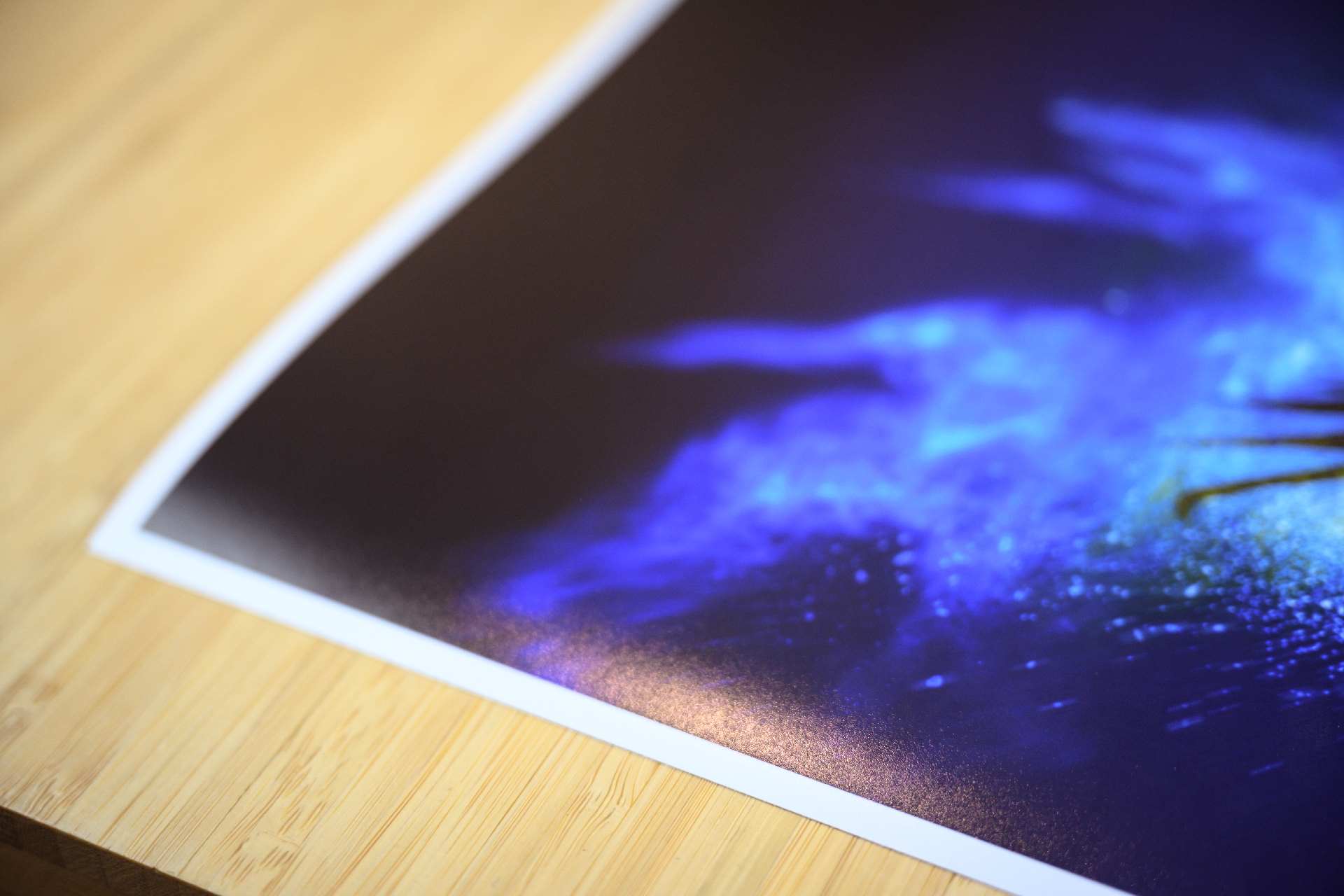
This artwork can be shipped worldwide when ordered on Canvas & Poster Roll
Any other format including, Stretched Canvas, Acrylic etc, ships only in Continental USA & Canada (Free shipping)

Report this artwork
Print One Plant One
One tree planted for every print.  Pictorem supports Trees for the Future, a 501(c)3 non-profit organization, that operates an agroforesty program to restore trees to degraded lands by working with smallholder farmers.

CREATE ACCOUNT

FORGOT YOUR USER ACCOUNT DETAILS?

TOP