



ACCUEIL
Abstract
Abstract Expressionism
Art of Science
Atmospheric Landscape
Botanical Art
Color Field Contemporary
Contemporary Landscape
Contemporary Realism
Contemporary Seascape
Digital Art
Hard Edge Painting
Lyrical Abstraction
Modern Portrait
Neo-Expresssionism
Op Art
Other
Pop Art
Surrealism
Wildlife
Atmospheric Landscape (1802-Present)
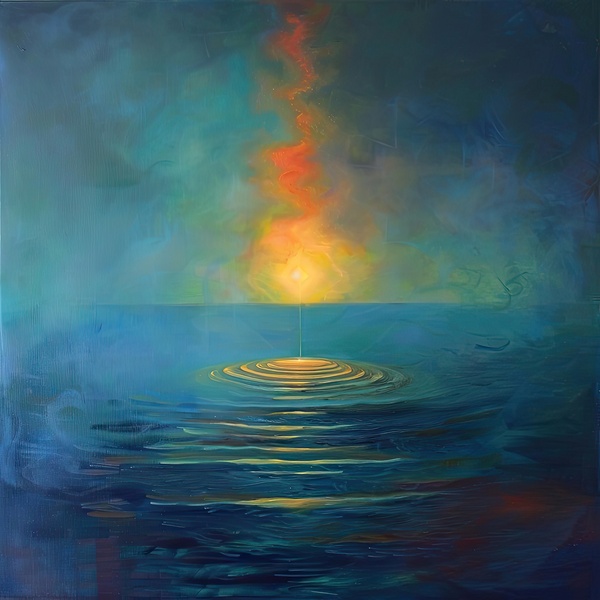
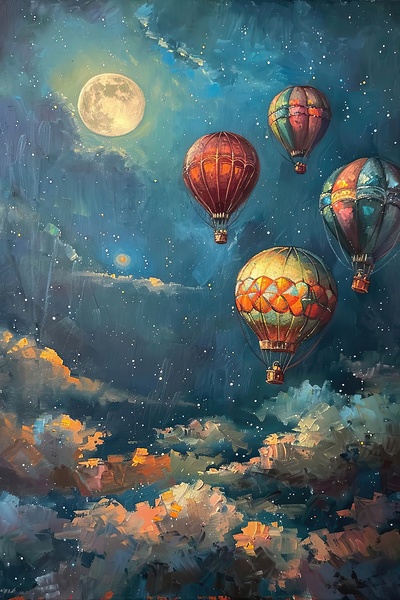
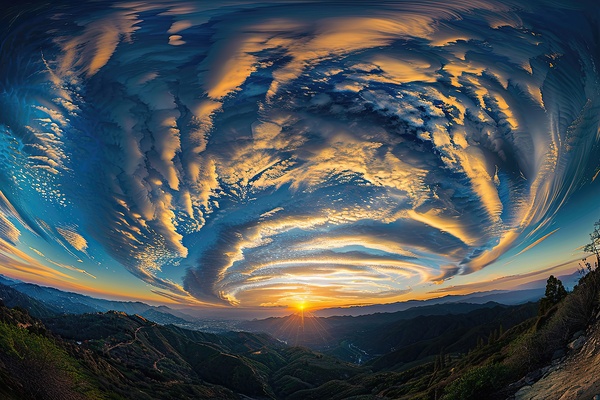
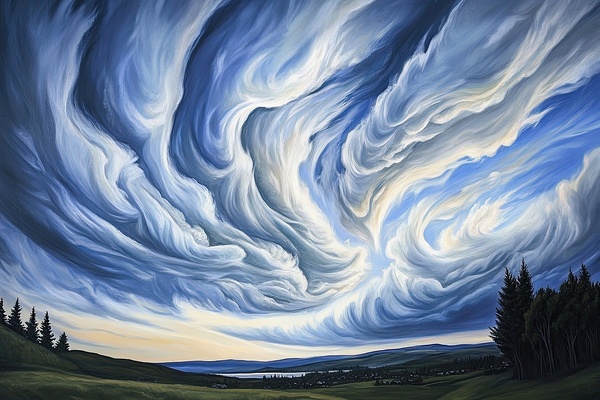
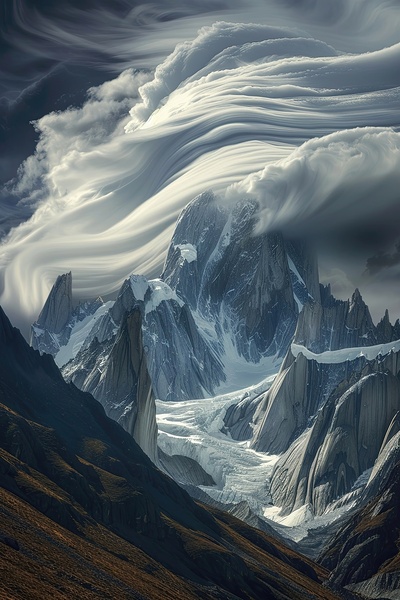
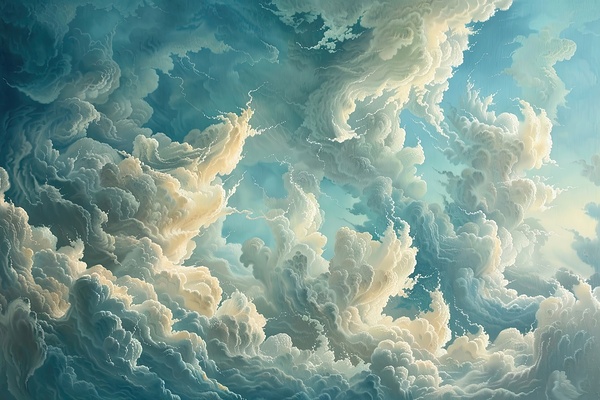
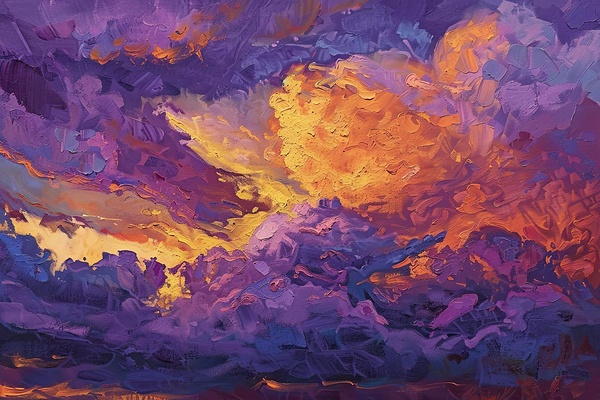
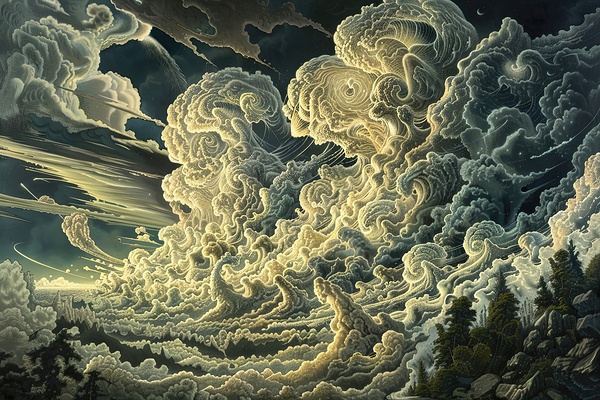
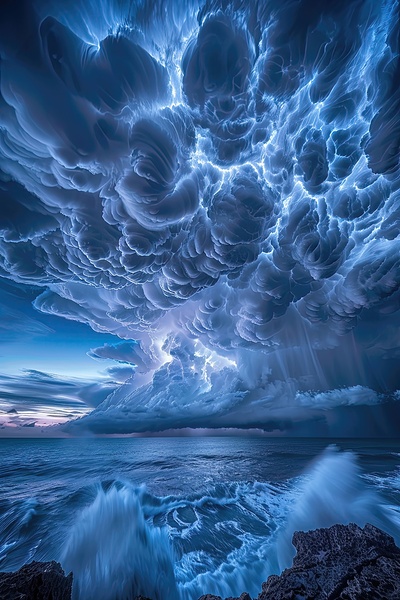
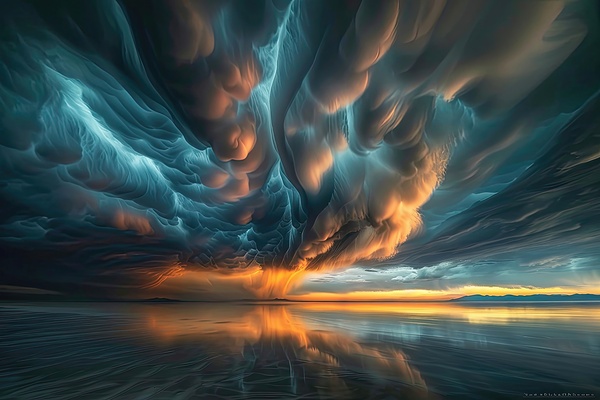
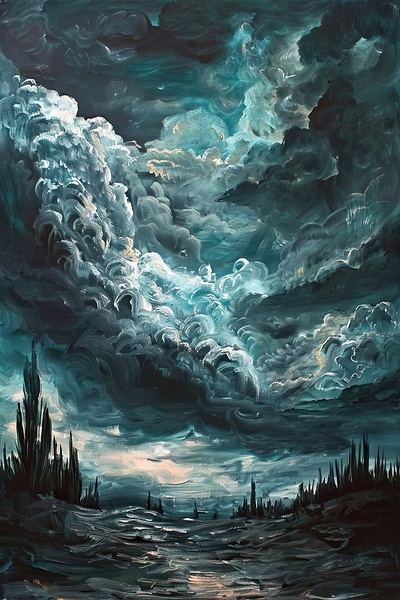
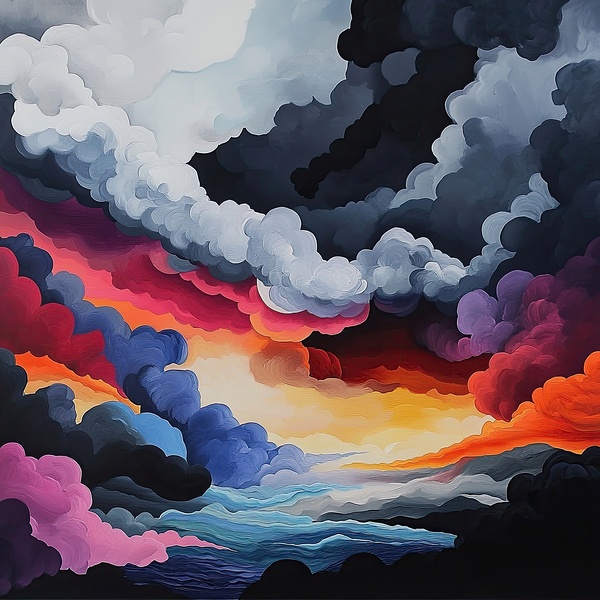
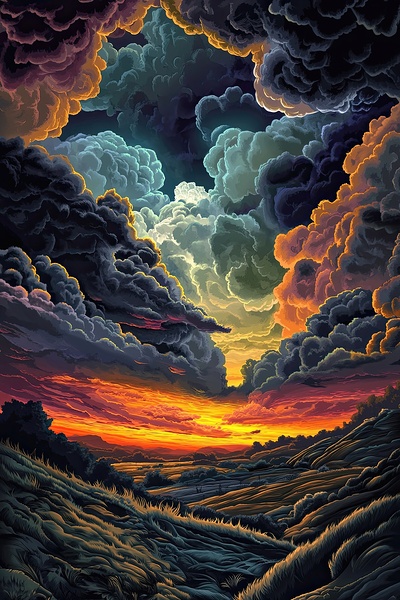
Emerging from the Romantic movement's emphasis on nature's sublime power, Atmospheric Landscape established itself as a distinct genre through J.M.W. Turner's revolutionary explorations of light, atmosphere, and weather. Turner's groundbreaking works like "Snow Storm - Steam-Boat off a Harbour's Mouth" (1842) defined the genre's core aesthetic: the dramatic interplay between earth, sky, and atmospheric conditions.
The genre flourished through the 19th century with artists like Caspar David Friedrich, whose "Wanderer above the Sea of Fog" (1818) exemplified the use of atmosphere to create emotional resonance. The Hudson River School, particularly Albert Bierstadt and Frederic Edwin Church, expanded the genre in America, introducing grand vistas shrouded in dramatic atmospheric effects.
Impressionist masters further developed the genre's techniques, with Monet's studies of light and fog in his Thames series demonstrating how atmospheric conditions could become the primary subject. The genre experienced a renaissance in the late 20th century through photographers like Michael Kenna, who used long exposures to capture ethereal atmospheric conditions.
Contemporary practitioners like Hiroshi Senju and April Gornik have pushed the boundaries by incorporating abstract elements while maintaining the genre's focus on atmospheric phenomena. The rise of environmental awareness has given new relevance to these works, with artists like Zaria Forman using atmospheric landscapes to document climate change's impact.
Emerging from the Romantic movement's emphasis on nature's sublime power, Atmospheric Landscape established itself as a distinct genre through J.M.W. Turner's revolutionary explorations of light, atmosphere, and weather. Turner's groundbreaking works like "Snow Storm - Steam-Boat off a Harbour's Mouth" (1842) defined the genre's core aesthetic: the dramatic interplay between earth, sky, and atmospheric conditions.
The genre flourished through the 19th century with artists like Caspar David Friedrich, whose "Wanderer above the Sea of Fog" (1818) exemplified the use of atmosphere to create emotional resonance. The Hudson River School, particularly Albert Bierstadt and Frederic Edwin Church, expanded the genre in America, introducing grand vistas shrouded in dramatic atmospheric effects.
Impressionist masters further developed the genre's techniques, with Monet's studies of light and fog in his Thames series demonstrating how atmospheric conditions could become the primary subject. The genre experienced a renaissance in the late 20th century through photographers like Michael Kenna, who used long exposures to capture ethereal atmospheric conditions.
Contemporary practitioners like Hiroshi Senju and April Gornik have pushed the boundaries by incorporating abstract elements while maintaining the genre's focus on atmospheric phenomena. The rise of environmental awareness has given new relevance to these works, with artists like Zaria Forman using atmospheric landscapes to document climate change's impact.
















|
|