Chargement en cours…
ON GÉNÈRE L’IMAGE. VEUILLEZ PATIENTER …

J’aime ça
ÉDITION LIMITÉE de 50

# 391755

A.P.POLO - PHTHALATE


Disponible sur:
ÉDITION LIMITÉE of 50
Avis sur Pictorem Note moyenne de 4,8 par 131.9k clients

Voir cette oeuvre sur différents murs
Générateur de décor mural Générateur de décor mural Générateur de décor mural Mes Favoris


A.P.Polo - "Phthalate" - Hamburg (Germany) - New Media Art. Abstract, colourful, geometric, contemporary work intended to draw attention to the probl...[+]


1805 vues


Facebook Pinterest Envoyez à un(e) ami(e)


Mots clés:
[+] afficher plus
Chercher des images avec des couleurs dominantes similaires :

Impression Giclée sur toile

Toutes nos toiles étirées sont faites sur-mesure, à partir d’une toile d’exposition de 410g/m2 Bois large de 1.5 pouce de style “galerie”.     
Impression Giclée avec encre pigmentée conçue pour répondre aux exigences de longévité de musées et galeries et assurer l’uniformité des nuances de couleur pour plus de 200 ans. [+]

Impression sur toile étirée   Expédition aux USA & Canada
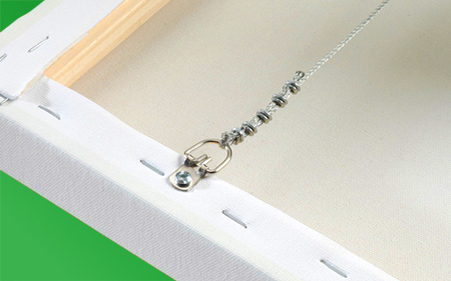
Prêt à être accroché - Tendu sur cadre en bois d’une épaisseur de 1,5 pouces.
24 x 24 pouces
62 x 62 cm
Aperçu de l’image
$310
30 x 30 pouces
77 x 77 cm
Aperçu de l’image
$429
36 x 36 pouces
92 x 92 cm
Aperçu de l’image
$576
42 x 42 pouces
108 x 108 cm
Aperçu de l’image
$1108
48 x 48 pouces
123 x 123 cm
Aperçu de l’image
$1283

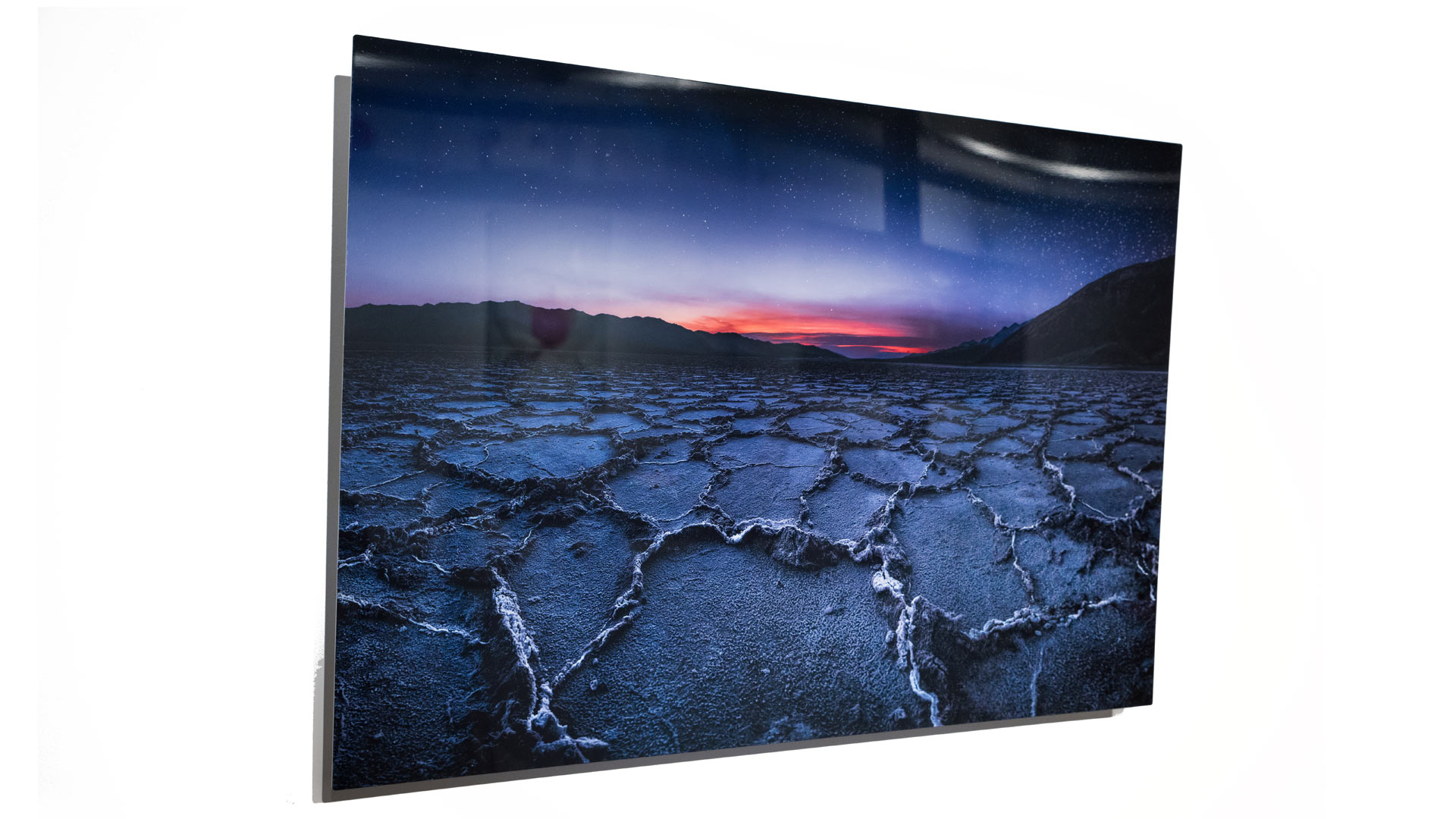
Impression acrylique

Vue 360
🔄

Chargement de la visionneuse 3D...

Cliquez et faites glisser pour faire pivoter
Vue 360
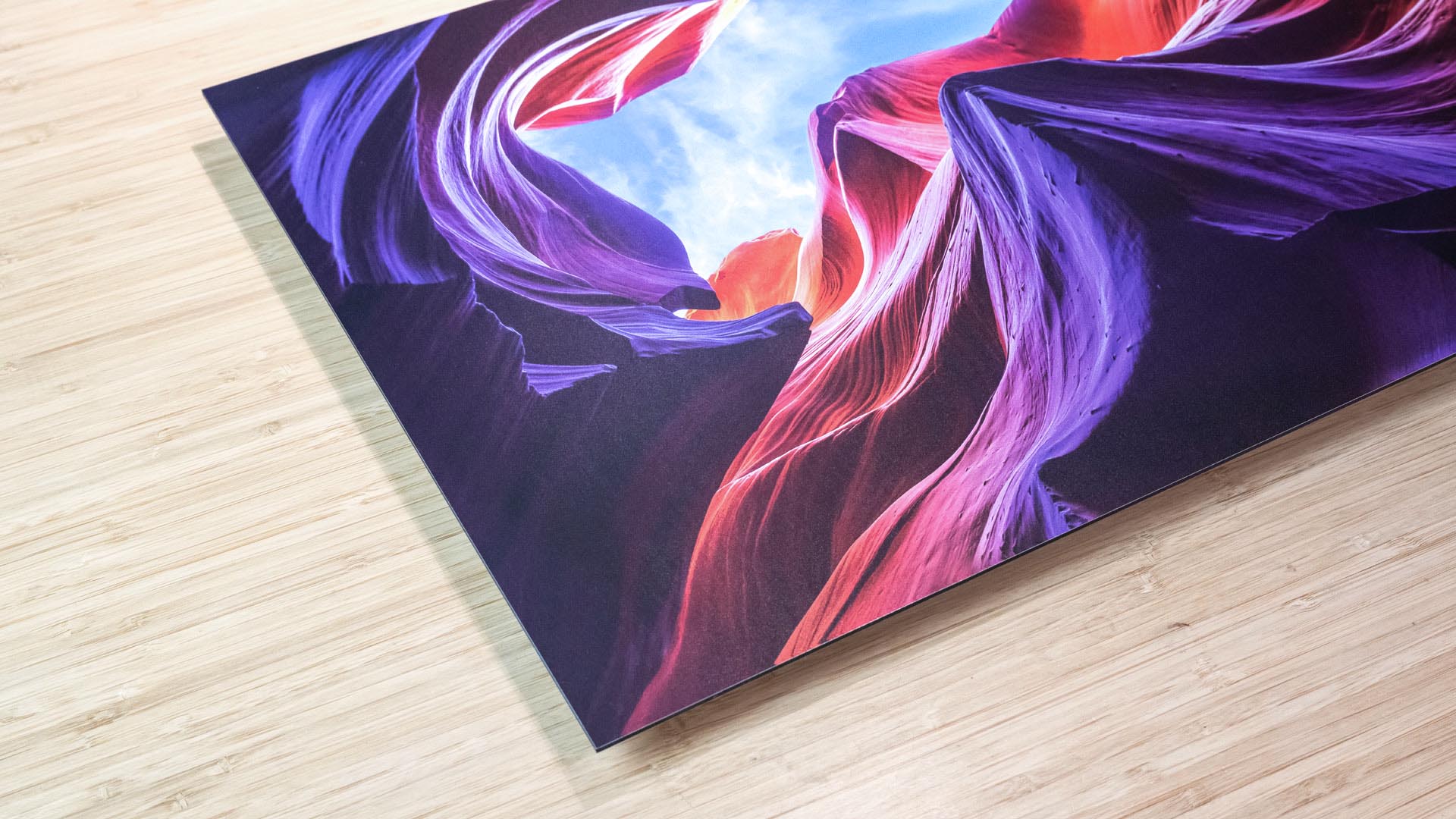
Obtenez une pièce d’art moderne avec cette impression acrylique.
Fine Art fabriqué à partir d’un acrylique poli haut de gamme, le meilleur de sa catégorie, 99,9% optiquement pur et le dernier savoir-faire d’impression à plat.  
Vidéo
[+]

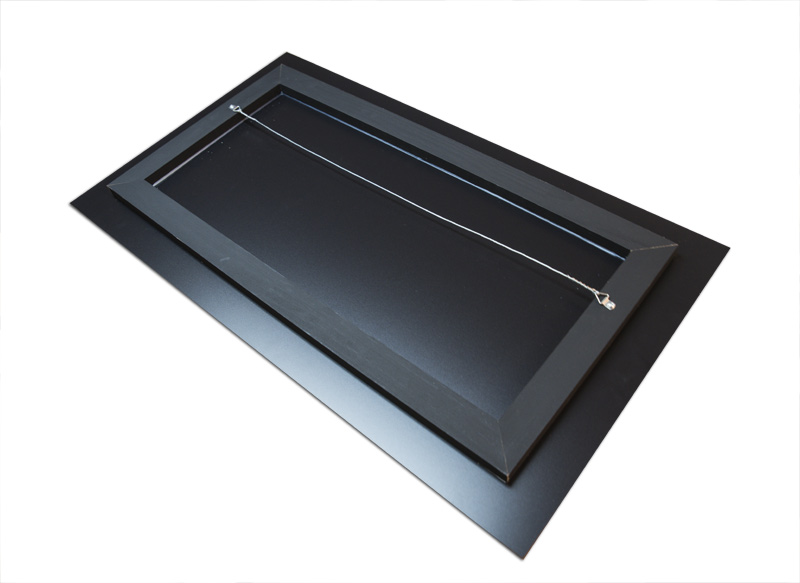
  Impression sur acrylique avec cadre flottant en arrière.
Imprimé jusqu’au bord et prêt à être accroché, avec un cadre flottant à l’arrière.     
1/8" Brillant:
24 x 24 pouces
62 x 62 cm
Aperçu de l’image
$562
30 x 30 pouces
77 x 77 cm
Aperçu de l’image
$803
36 x 36 pouces
92 x 92 cm
Aperçu de l’image
$1097
42 x 42 pouces
108 x 108 cm
Aperçu de l’image
$1762
48 x 48 pouces
123 x 123 cm
Aperçu de l’image
$2183
3/16" Brillant:
24 x 24 pouces
62 x 62 cm
Aperçu de l’image
$750
30 x 30 pouces
77 x 77 cm
Aperçu de l’image
$1055
36 x 36 pouces
92 x 92 cm
Aperçu de l’image
$1429
42 x 42 pouces
108 x 108 cm
Aperçu de l’image
$2186
48 x 48 pouces
123 x 123 cm
Aperçu de l’image
$2714

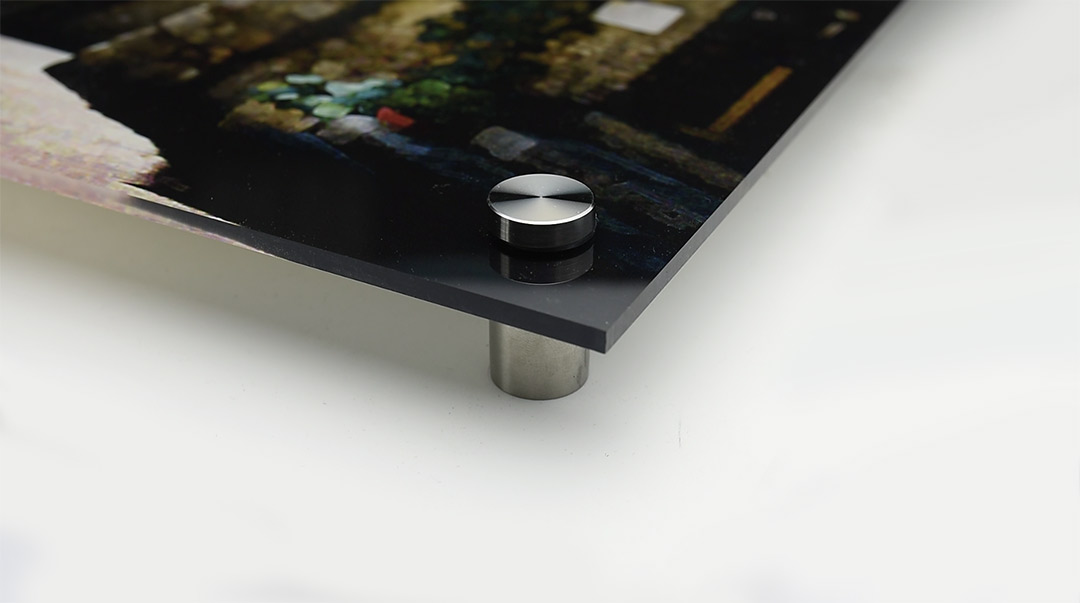
  Impression sur acrylique avec entretoises ( cylindres métalliques )
Imprimé jusqu’au bord et prêt à être accroché, avec 4 cylindres (entretoises) en aluminium ( les vis murales sont incluses )
Nous suggérons un plus acrylique épais (3/16 ") pour les taille plus de 42 pouces, pour garantir un acrylique droit, sans courbure
1/8" Brillant:
24 x 24 pouces
62 x 62 cm
Aperçu de l’image
$562
30 x 30 pouces
77 x 77 cm
Aperçu de l’image
$803
36 x 36 pouces
92 x 92 cm
Aperçu de l’image
$1097
42 x 42 pouces
108 x 108 cm
Aperçu de l’image
$1762
48 x 48 pouces
123 x 123 cm
Aperçu de l’image
$2183
3/16" Brillant:
24 x 24 pouces
62 x 62 cm
Aperçu de l’image
$750
30 x 30 pouces
77 x 77 cm
Aperçu de l’image
$1055
36 x 36 pouces
92 x 92 cm
Aperçu de l’image
$1429
42 x 42 pouces
108 x 108 cm
Aperçu de l’image
$2186
48 x 48 pouces
123 x 123 cm
Aperçu de l’image
$2714


Impression sur metal brossé / Impression lisse en métal blanc

Vue 360
🔄

Chargement de la visionneuse 3D...

Cliquez et faites glisser pour faire pivoter
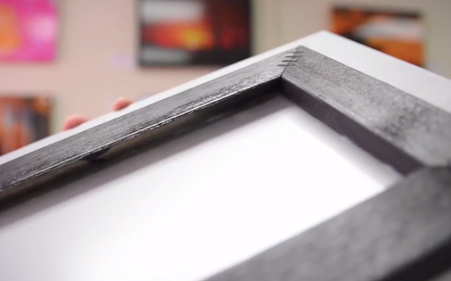

Les sections de la photographie qui sont blanches ou très claires ne sont pas imprimées. Les zones blanches apparaissent métalliques.
Robuste, léger et offre un effet de réflexion de lumière unique [+]

  Impression sur metal brossé et cadre flottant
Impression pleine et montage avec un cadre flottant à l’arrière de 3/4 pouce d’épaisseur avec fil de suspension. 
24 x 24 pouces
62 x 62 cm
Aperçu de l’image
$531
30 x 30 pouces
77 x 77 cm
Aperçu de l’image
$760
36 x 36 pouces
92 x 92 cm
Aperçu de l’image
$1040
42 x 42 pouces
108 x 108 cm
Aperçu de l’image
$1688
48 x 48 pouces
123 x 123 cm
Aperçu de l’image
$2088

  Impression sur métal brossé avec entretoises
Imprimé jusqu’au bord et prêt à être accroché, avec 4 cylindres (entretoises) en aluminium ( les vis murales sont incluses )
24 x 24 pouces
62 x 62 cm
Aperçu de l’image
$531
30 x 30 pouces
77 x 77 cm
Aperçu de l’image
$760
36 x 36 pouces
92 x 92 cm
Aperçu de l’image
$1040
42 x 42 pouces
108 x 108 cm
Aperçu de l’image
$1688
48 x 48 pouces
123 x 123 cm
Aperçu de l’image
$2088

Impression directe sur métal pour fournir une finition satinée lisse et blanche avec réflexion contrôlée de la lumière
Robuste, très léger et offre un effet mat [+]  


  Impression métal blanc avec cadre flottant à l’arrière
Impression pleine et montage avec un cadre flottant à l’arrière de 3/4 pouce d’épaisseur avec fil de suspension. 
24 x 24 pouces
62 x 62 cm
Aperçu de l’image
$531
30 x 30 pouces
77 x 77 cm
Aperçu de l’image
$760
36 x 36 pouces
92 x 92 cm
Aperçu de l’image
$1040
42 x 42 pouces
108 x 108 cm
Aperçu de l’image
$1688
48 x 48 pouces
123 x 123 cm
Aperçu de l’image
$2088

  Impression sur métal brossé avec entretoises
Imprimé jusqu’au bord et prêt à être accroché, avec 4 cylindres (entretoises) en aluminium ( les vis murales sont incluses )
24 x 24 pouces
62 x 62 cm
Aperçu de l’image
$531
30 x 30 pouces
77 x 77 cm
Aperçu de l’image
$760
36 x 36 pouces
92 x 92 cm
Aperçu de l’image
$1040
42 x 42 pouces
108 x 108 cm
Aperçu de l’image
$1688
48 x 48 pouces
123 x 123 cm
Aperçu de l’image
$2088


HD ChromaLuxe Impression de Sublimation Métal haute brillance

Vue 360
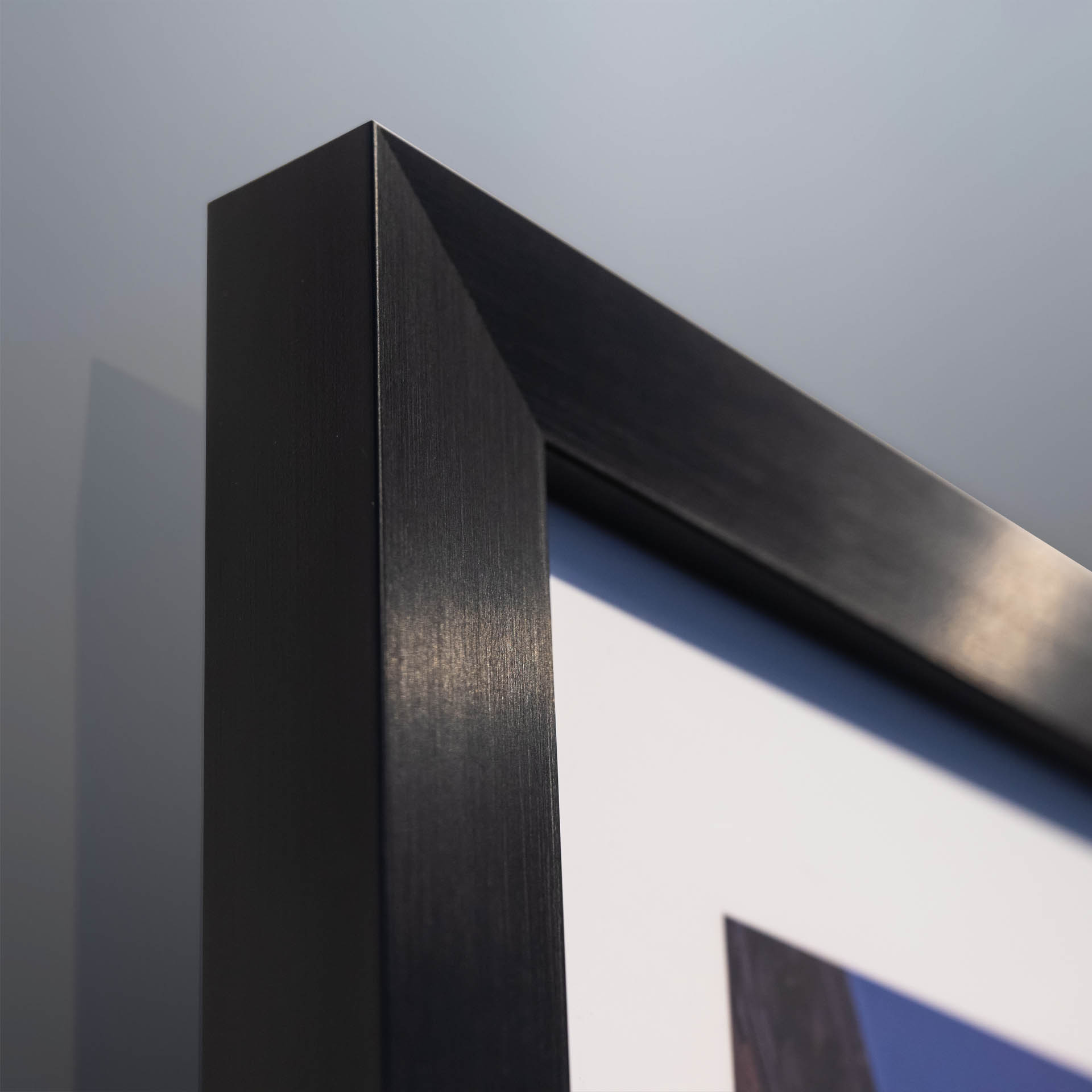
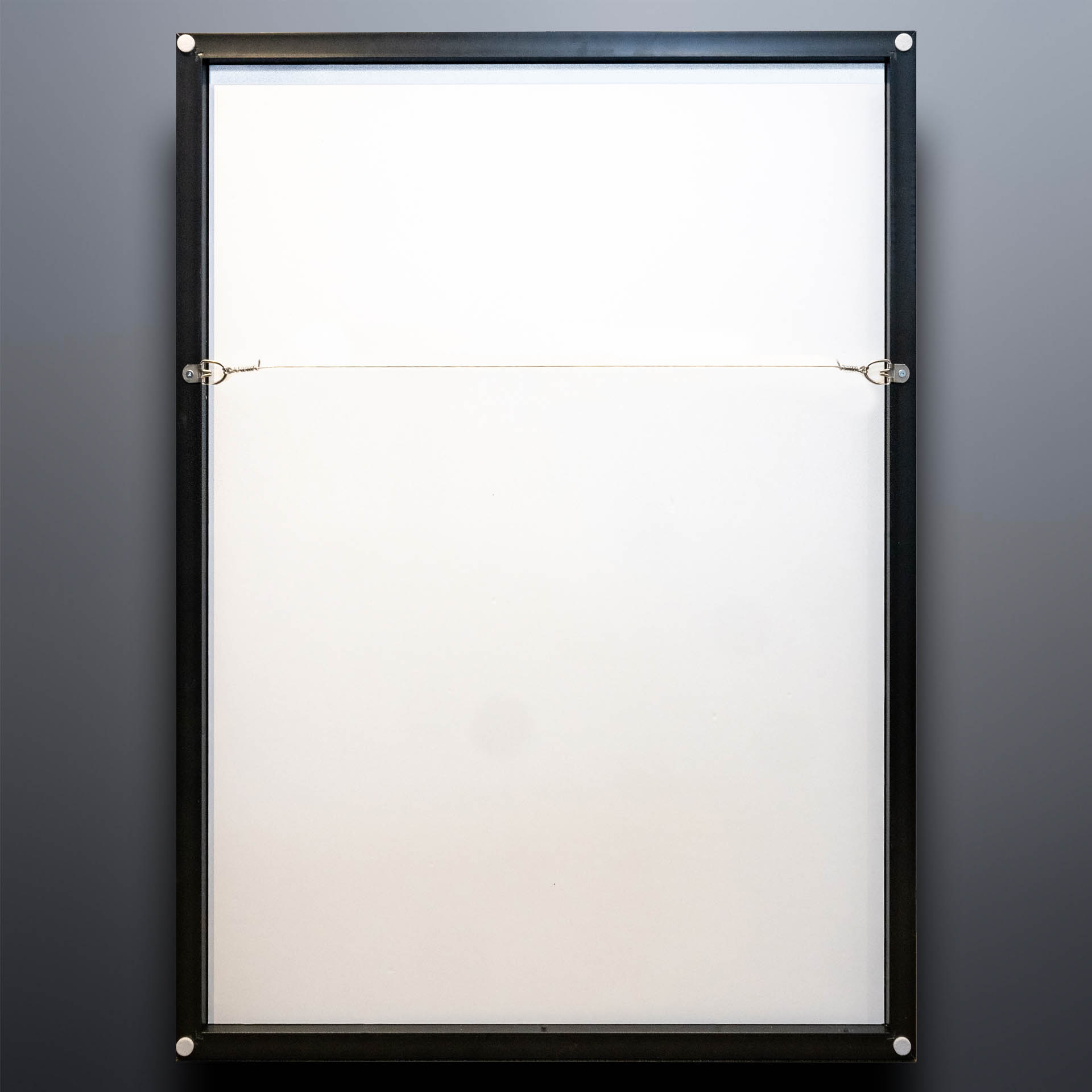
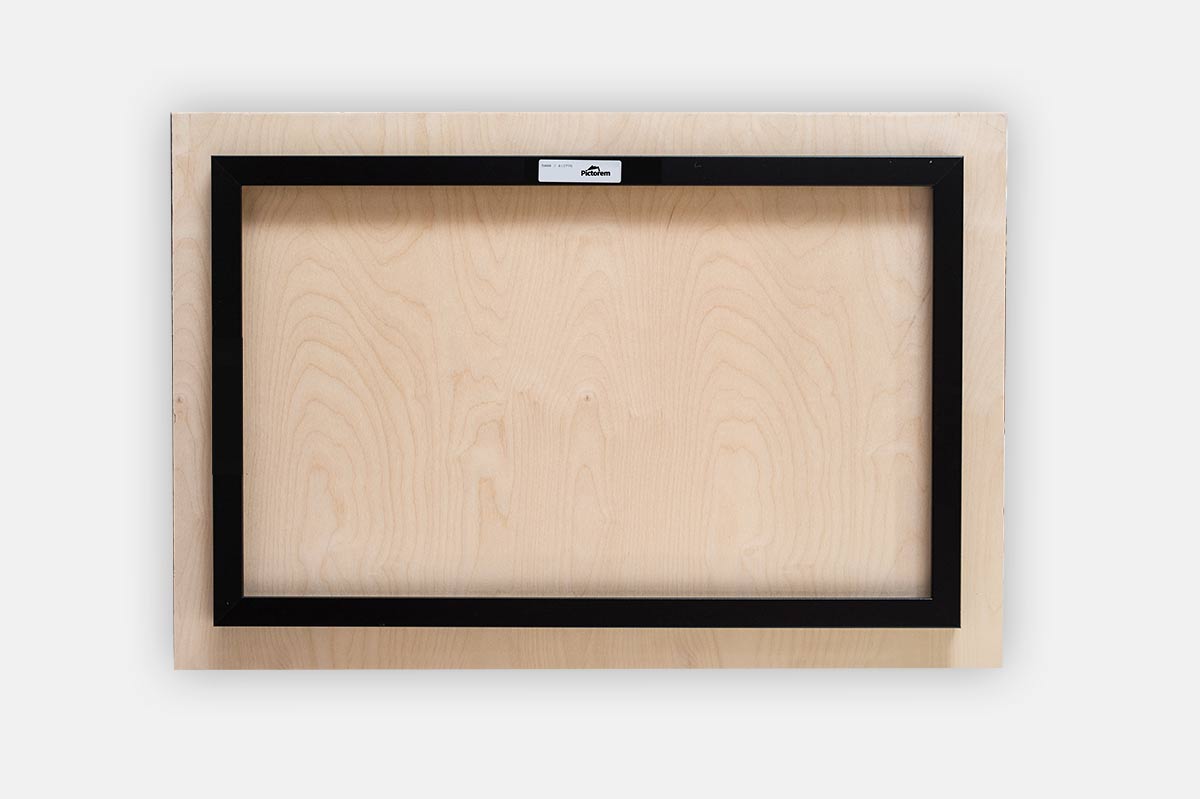
A.P.Polo - Phthalate  Impression métal HD avec cadre flottant sur le dos
🔄

Chargement de la visionneuse 3D...

Cliquez et faites glisser pour faire pivoter

A.P.Polo - Phthalate Impression de sublimation métal HD
A.P.Polo - Phthalate Impression metal

Brillance des couleurs, durabilité supérieure et qualités archivistiques
Cette oeuvre est produite sur une sublimation de colorant Chromaluxe panneau en métal haute définition  
Vidéo
[+]

  Impression de Sublimation Hi-Gloss sur métal blanc avec cadre arrière
Impression pleine et montage avec un cadre flottant à l’arrière de 3/4 pouce d’épaisseur avec fil de suspension. 
24 x 24 pouces
62 x 62 cm
Aperçu de l’image
$705
30 x 30 pouces
77 x 77 cm
Aperçu de l’image
$1034
36 x 36 pouces
92 x 92 cm
Aperçu de l’image
$1437

  Impression de Sublimation Hi-Gloss sur métal blanc avec cadre décoratif
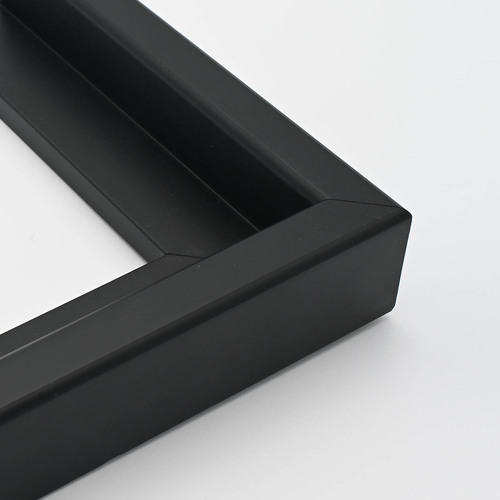
À l’intérieur d’un cadre de décoration (boîte)-cadre flottant noir
24 x 24 pouces
62 x 62 cm
Aperçu de l’image
$840
30 x 30 pouces
77 x 77 cm
Aperçu de l’image
$1215
36 x 36 pouces
92 x 92 cm
Aperçu de l’image
$1664


Impression sur bois

Vue 360
A.P.Polo - Phthalate  Impression sur bois
🔄

Chargement de la visionneuse 3D...

Cliquez et faites glisser pour faire pivoter

A.P.Polo - Phthalate Impression sur bois

Imprimé avec des encres UV qui procurent une qualité d’image incroyable et qui résistent aux égratignures. Les couleurs ne pâliront pas à travers le temps.
Les zones blanches et très claires ne sont pas imprimées sur le bois, révélant la beauté naturelle de la texture du bois
Imprimé sur un bois large de 3/8 de pouces ( 9mm). Ce bois préparé à partir de merisier russe, il est durable et robuste. [+]

Impression sur bois avec cadre flottant arrière
Impression pleine et montage avec un cadre flottant à l’arrière  
Vidéo
[+]
24 x 24 pouces
62 x 62 cm
Aperçu de l’image
$492
30 x 30 pouces
77 x 77 cm
Aperçu de l’image
$701
36 x 36 pouces
92 x 92 cm
Aperçu de l’image
$958
42 x 42 pouces
108 x 108 cm
Aperçu de l’image
$1577
48 x 48 pouces
123 x 123 cm
Aperçu de l’image
$1945


Impression sur papier

A.P.Polo - Phthalate impression enroulée

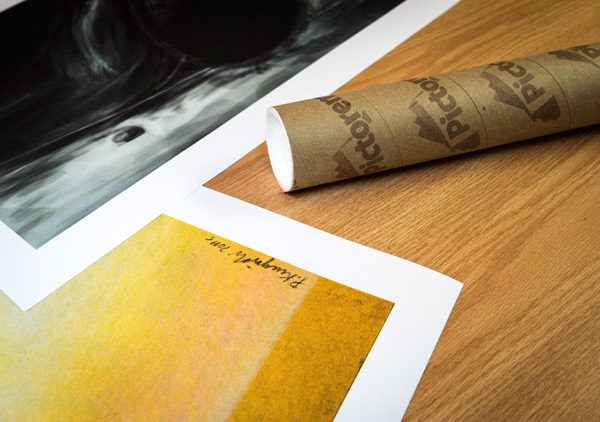
Expédié enroulé dans un tube d’expédition robuste – Choisissez une bordure blanche supplémentaire facultative ou une coupe exacte directement dans la page du panier.

Nous expédions dans le monde entier!

Impression sur toile giclée Livrée en rouleau
 
Imprimé sur du papier peint mat Fine Art - Fourni à l’intérieur d’un tube d’expédition solide [+]
24 x 24 pouces
62 x 62 cm
Aperçu de l’image
$169
30 x 30 pouces
77 x 77 cm
Aperçu de l’image
$231
36 x 36 pouces
92 x 92 cm
Aperçu de l’image
$306
42 x 42 pouces
108 x 108 cm
Aperçu de l’image
$754
48 x 48 pouces
123 x 123 cm
Aperçu de l’image
$832
55 x 55 pouces
141 x 141 cm
Aperçu de l’image
$1034


Papier giclée sans acide de première qualité
 
Imprimé sur papier photo satiné - ( Affiche ) Fourni à l’intérieur d’un tube d’envoi Strong [+]
24 x 24 pouces
62 x 62 cm
Aperçu de l’image
$124
30 x 30 pouces
77 x 77 cm
Aperçu de l’image
$160
36 x 36 pouces
92 x 92 cm
Aperçu de l’image
$204
42 x 42 pouces
108 x 108 cm
Aperçu de l’image
$256
48 x 48 pouces
123 x 123 cm
Aperçu de l’image
$316
55 x 55 pouces
141 x 141 cm
Aperçu de l’image
$395


Impression giclée sur papier mat fine art
 
Imprimé sur un papier mat d’archives de qualité supérieure avec une texture lisse et un blanc neutre - Fourni à l’intérieur d’un tube d’expédition Strong [+]
24 x 24 pouces
62 x 62 cm
Aperçu de l’image
$185
30 x 30 pouces
77 x 77 cm
Aperçu de l’image
$255
36 x 36 pouces
92 x 92 cm
Aperçu de l’image
$340
42 x 42 pouces
108 x 108 cm
Aperçu de l’image
$442


Impression murale

Facile à installer. Vinyle auto-adhésif, lavable et repositionnable [+]
Vidéo
Pour obtenir le prix de votre murale, Entrez les mesures de votre mur :

POUCE PIED CM
Largeur: in.
Hauteur : in.
Width: ft in
Heigth: ft in
Width: cm
Heigth: cm


Notre technologie de 10 couleurs
Nos peintures murales sont produites sur des imprimantes avec une qualité d’impression photographique exceptionnelle. Une résolution d’image extrême : qualité d'image photographique
avec la gamme de couleurs plus grande de sa catégorie

Facile à installer
Notre impression murale peut être enlevée sans aucun dommage à vos murs. Facile à modifier ou à supprimer. Nous utilisons un média de 6 mil auto-adhésif en vinyle avec une texture subtile de lin-coton.
Changer l’apparence d’une pièce sans avoir à utiliser du papier peint traditionnel. Nos impressions murales deviennent la solution parfaite pour améliorer facilement n’importe quel espace résidentiel ou commercial !

Vinyle autocollant repositionnable livré par bande de 35 à 45 pouces de largeur qui se chevauchent légèrement pour faciliter l’installation.
[Plus d’infos sur nos impressions murales]
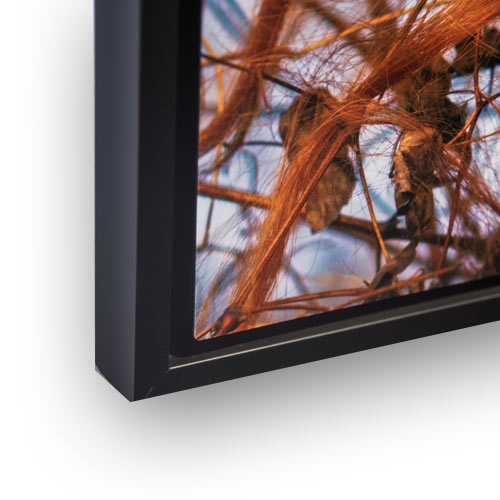
Impression encadrée Afficher en 3D

Pour obtenir "A.P.Polo - Phthalate" dans une impression encadrée.
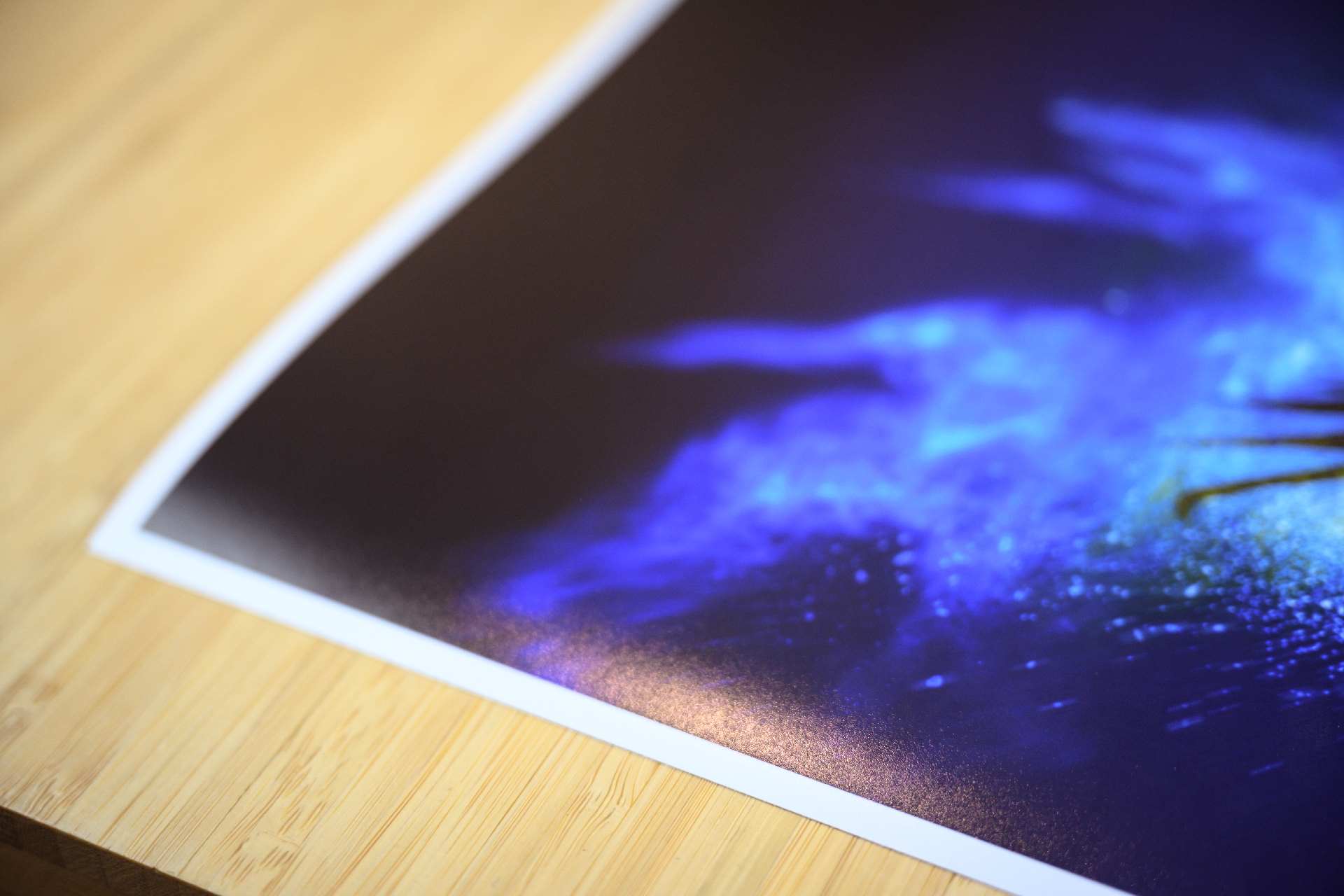
Entièrement personnalisable - à la taille exacte que vous désirez. Sélectionnez le type de papier, le verre, le mat et le cadre de décoration
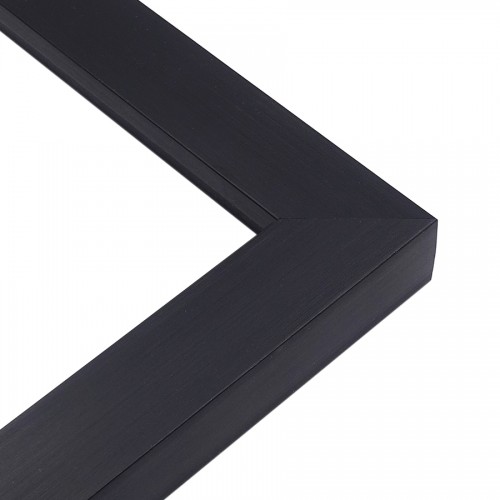
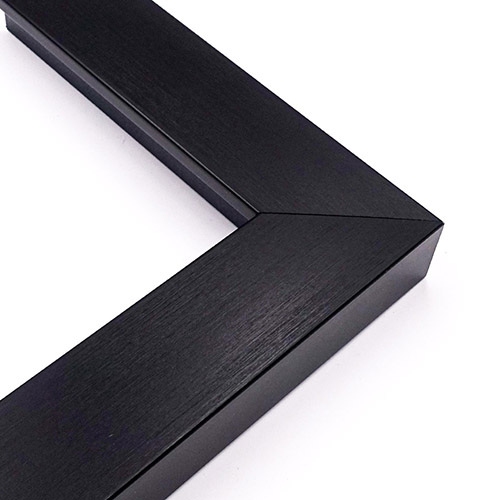
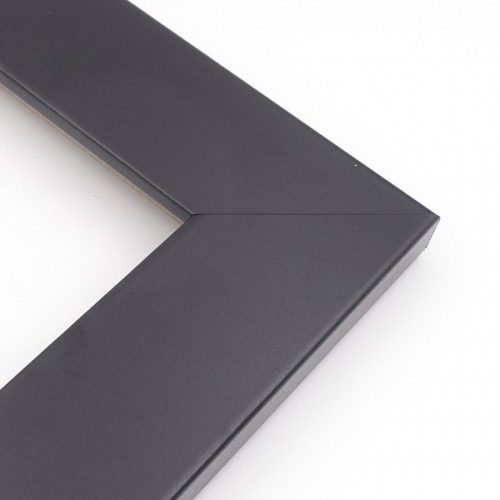
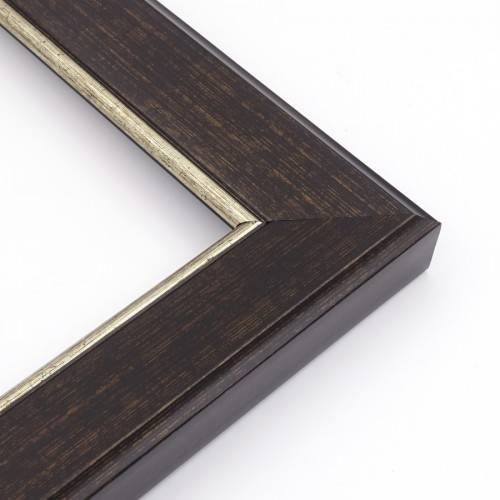
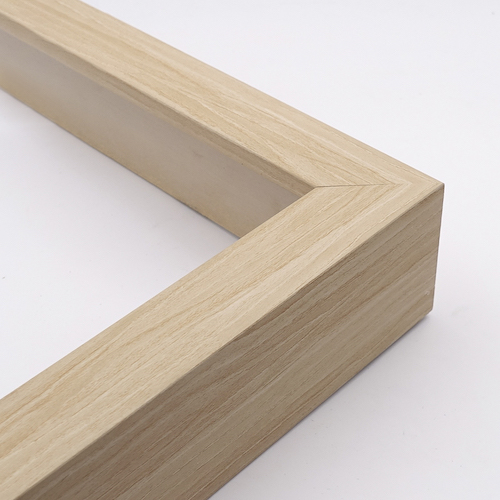
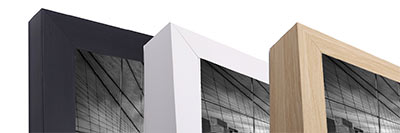
Commencez à construire votre impression encadrée personnalisée en sélectionnant l’une des moulures suivantes:
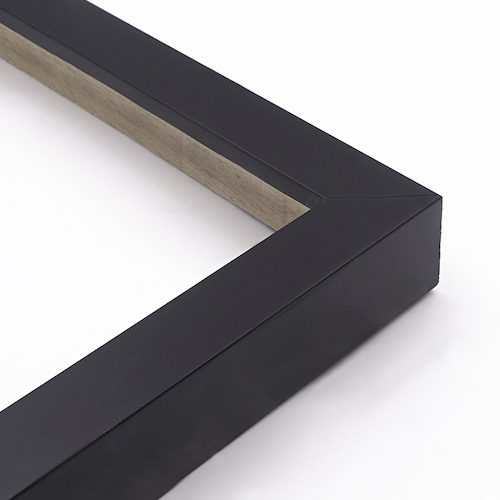
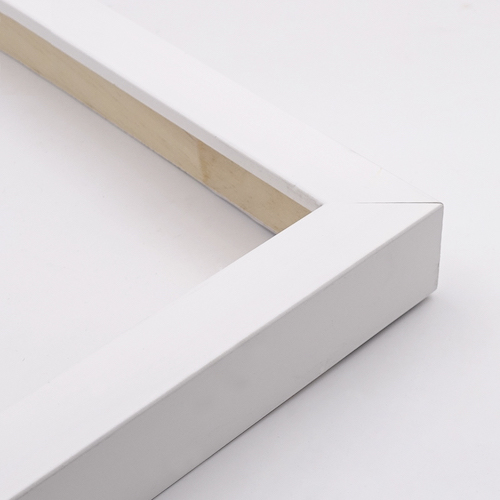
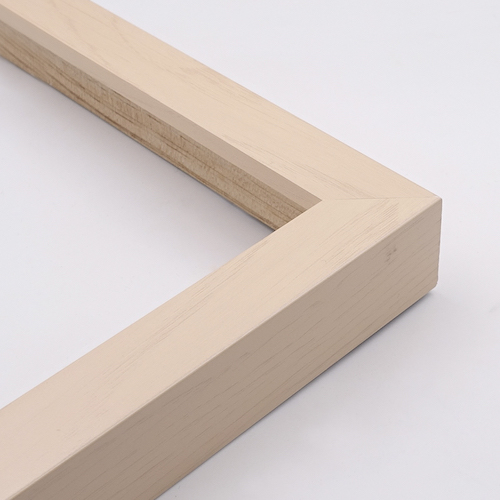
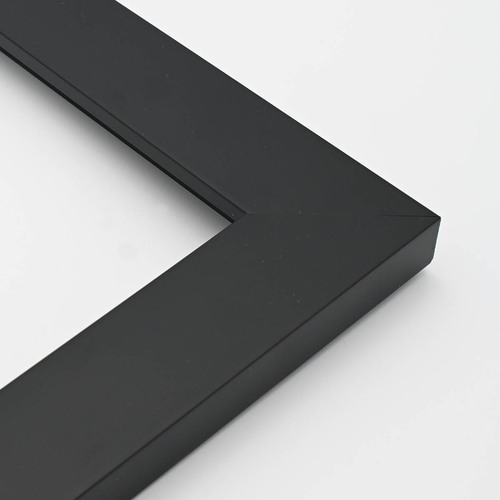
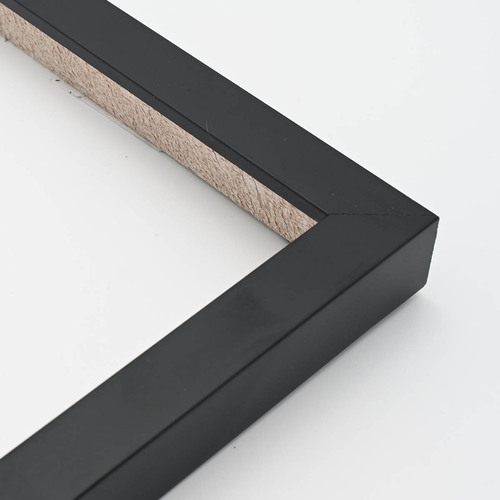
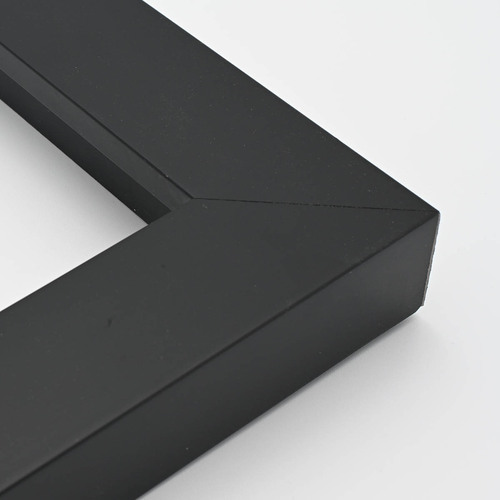
A.P.Polo - Phthalate Cadre photo
Modèle de cadre illustré : 832-745

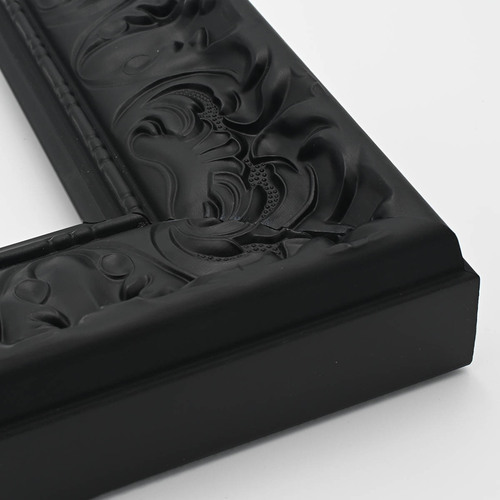
MOULURE DÉCORATIVES
MOULURE DÉCORATIVES
MOULURE DÉCORATIVES
MOULURE DÉCORATIVES
MOULURE DÉCORATIVES
MOULURE DÉCORATIVES
MOULURE DÉCORATIVES
MOULURE DÉCORATIVES
MOULURE DÉCORATIVES
MOULURE DÉCORATIVES
MOULURE DÉCORATIVES
MOULURE DÉCORATIVES
MOULURE DÉCORATIVES
MOULURE DÉCORATIVES
MOULURE DÉCORATIVES

Impression encadrée de format standard

   [+]  
Vidéo

28 x 28"
$381
28 x 28" Framed Print Afficher en 3D

A.P.Polo - Phthalate Impression du cadre
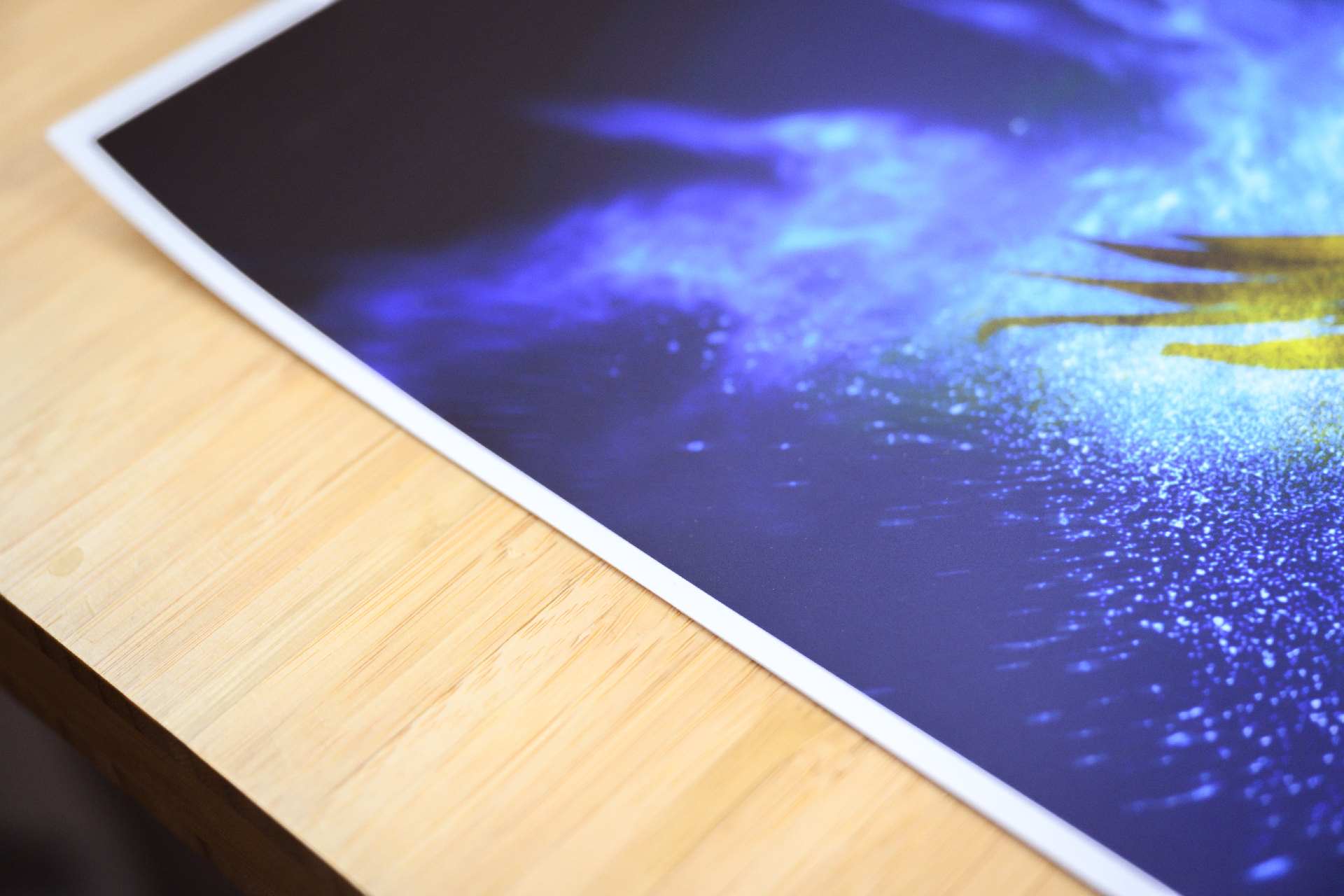
Surface imprimée: 24 x 24"
Total Intérieur de la surface: 28.00 x 28.00"
Bordure blanche: 2" de chaque côté
Largeur de l'image: 1.25" de chaque côté
Dimension physique totale: 29.25 x 29.25"

Modèle de cadre: 832-745
Méthode d'impression: Encre UV durcie 1200 ppp sur carton mat fine art
Prêt à être accroché avec un fil à l'arrière

Horloge murale

Détails du produit

Cette œuvre d'art est réalisée en acrylique de haute qualité Prêt à être accroché.   
Vidéo
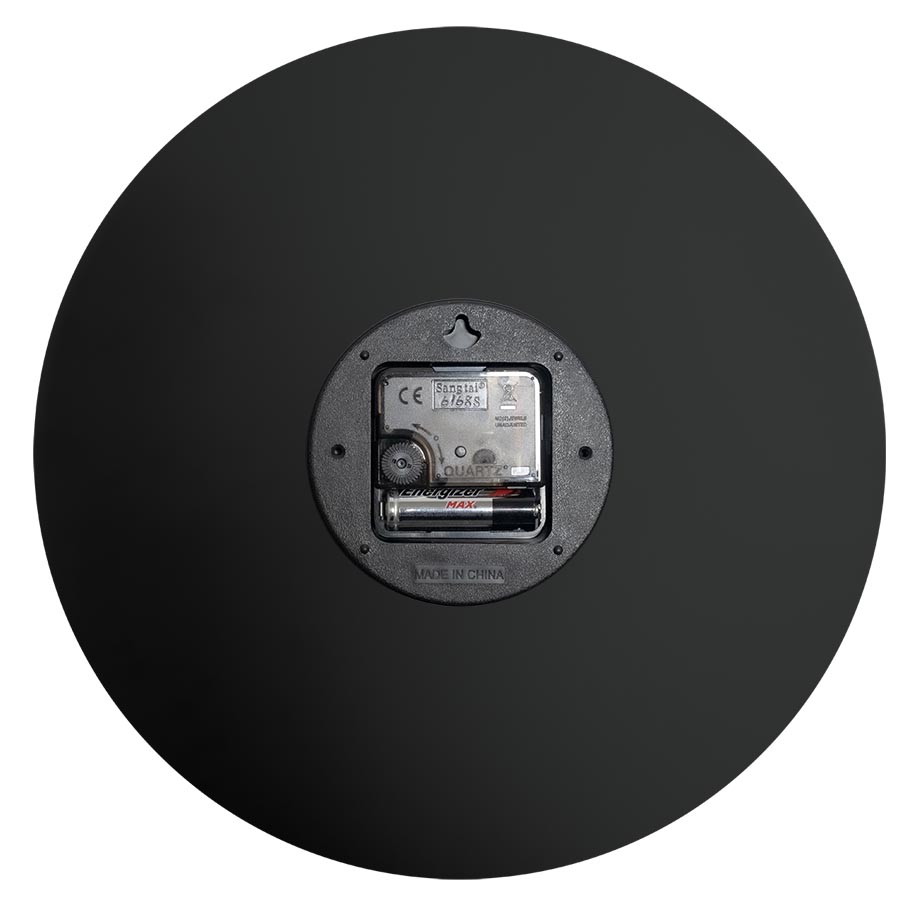
Mécanisme d'horloge avec un mouvement à quartz précis. Pile incluse
Disponible en format carré ou rond
Disponible en 12" 16" 24"

Créer le vôtre

Téléchargement Numérique

Résolution du fichier: 6000 x 6000 pixels


SUR CETTE OEUVRE: A.P.POLO - PHTHALATE
A.P.Polo - "Phthalate" - Hamburg (Germany) - New Media Art. Abstract, colourful, geometric, contemporary work intended to draw attention to the problematic nature of phthalates and plastic in general, as its shape & colouring is reminiscent of children's toys for the sandbox. Phthalates or phthalate esters, are esters of phthalic acid. They are mainly used as plasticizers, i.e., substances added to plastics to increase their flexibility, transparency, durability, and longevity. They are used primarily to soften polyvinyl chloride (PVC). Lower-molecular-weight phthalates, those derived from C3-C6 alcohols, are being gradually replaced in many products in the United States, Canada, and European Union over health concerns. They are being replaced by high-molecular-weight phthalates (those with more than six carbons in their backbone, which gives them increased permanency and durability), as well as alternative plasticizers not based on phthalic anhydride. In 2010, the market was still dominated by high-phthalate plasticizers; however, due to legal provisions and growing environmental awareness and perceptions, producers are increasingly forced to use non-phthalate plasticizers. This transition to phthalate-free plasticizers has prevented manufacturers from using post-consumer recycled plastic as that recycled content would likely contain phthalates. Thus, manufacturers have moved to use only virgin plastic in their products. Due to the ubiquity of plasticized plastics, the majority of people are exposed to some level of phthalates. For example, most Americans tested by the Centers for Disease Control and Prevention have metabolites of multiple phthalates in their urine. In studies of rodents exposed to certain phthalates, high doses have been shown to change hormone levels and cause birth defects. Phthalates are used in a large variety of products, from enteric coatings of pharmaceutical pills and nutritional supplements to viscosity control agents, gelling agents, film formers, stabilizers, dispersants, lubricants, binders, emulsifying agents, and suspending agents. End-applications include adhesives and glues, agricultural adjuvants, building materials, personal-care products, medical devices, detergents and surfactants, packaging, children's toys, modelling clay, waxes, paints, printing inks and coatings, pharmaceuticals, food products, and textiles. Phthalates are also frequently used in soft plastic fishing lures, caulk, paint pigments, and sex toys made of so-called "jelly rubber". Phthalates are used in a variety of household applications such as shower curtains, vinyl upholstery, adhesives, floor tiles, food wrap film, and cleaning materials. Personal-care items containing phthalates include perfume, eye shadow, moisturizer, nail polish, liquid soap, and hair spray. Phthalates are also found in modern electronics and medical applications such as catheters and blood transfusion devices. The most widely used phthalates in Europe are now the Higher Molecular Weight Orthophthalates such as diisodecyl phthalate (DIDP), and diisononyl phthalate (DINP). Benzylbutylphthalate (BBP) was used in the manufacture of foamed PVC, which is used mostly as a flooring material, although its use is decreasing rapidly in the Western countries due to regulatory issues. Approximately 7.5 million tonnes of plasticizers are produced globally every year, of which European produced accounts for approximately 1.35 million metric tonnes. Approximately 80% of those totals globally are phthalates of different types, down from about 88% in 2005. The remaining 20% are alternative chemistries. In Europe the current figures is 72 %. Plasticizers contribute 10-60% of total weight of plasticized products. More recently in Europe and the US, regulatory developments have resulted in a change in phthalate consumption, with the higher phthalates (DINP and DIDP) replacing DEHP as the general purpose plasticizer of choice because DIDP and DINP were not classified as hazardous. All of these mentioned phthalates are now regulated and restricted in many products. DEHP, although most applications are shown to pose no risk when studied using recognized methods of risk assessment, has been classified as a Category 1B reprotoxin, and is now on the Annex XIV of the European Union's REACH legislation. Bis(2-ethylhexyl) phthalate DEHP has been phased out in Europe under REACH and can only be used in specific cases if an authorisation has been granted. Authorisations are granted by the European Commission, after obtaining the opinion of the Committee for Risk Assessment (RAC) and the Committee for Socio-economic Analysis (SEAC) of the European Chemicals Agency (ECHA). The development of cellulose nitrate plastic in 1846 led to the patent of castor oil in 1856 for use as the first plasticizer. In 1870, camphor became the more favored plasticizer for cellulose nitrate. Phthalates were first introduced in the 1920s and quickly replaced the volatile and odorous camphor. In 1931, the commercial availability of polyvinyl chloride (PVC) and the development of di(2-ethylhexyl) phthalate (DEHP) began the boom of the plasticizer PVC industry. Phthalates are easily released into the environment. In general, they do not persist due to rapid biodegradation, photodegradation, and anaerobic degradation. Outdoor air concentrations are higher in urban and suburban areas than in rural and remote areas. They also pose no acute toxicity. Because of their volatility, DEP and DMP are present in higher concentrations in air in comparison with the heavier and less volatile DEHP. Higher air temperatures result in higher concentrations of phthalates in the air. PVC flooring leads to higher concentrations of BBP and DEHP, which are more prevalent in dust. A 2012 Swedish study of children found that phthalates from PVC flooring were taken up into their bodies, showing that children can ingest phthalates not only from food but also by breathing and through the skin. Low-molecular phthalates are compounds that are problematic for health, as they are suspected of acting like hormones and causing, for example, infertility, obesity and diabetes in men. An EU study could not rule out the possibility that low-molecular phthalates, parabens and PCBs, among other things, disrupt the hormone balance of male foetuses and children and thus lead to feminisation. According to a study from the USA, phthalates could also be a risk factor for premature births. A Canadian study, published in April 2015, also reports no correlation between reduced fertility (longer time to pregnancy) and phthalate concentrations in women's urine. In the case of phthalates used in medicines, there was no evidence of harm in humans for a long time, yet the EMA proposed a restriction on their use because animal studies indicated harm from sufficient doses. In 2019, a Danish cohort study observed an increase in the risk of oestrogen receptor positive (ER+) breast cancer, which was doubled at the highest exposure. A direct correlation between level of exposure and risk increase was observed. Exposure was via ingestion of phthalate-containing drugs (mesalazine, budesonide, lithium and bisacodyl, phthalates: dibutyl phthalate, cellulose acetate phthalate, hypromellose phthalate and polyvinyl acetate phthalate). Exposure data were from the Danish Medicines Register, disease data from the Danish Cancer Register. Observation period was from 2005 to 2018. 1.12 million women were observed, 14 % of the women were exposed via the pharmaceuticals, 27111 cases of breast cancer occurred during the observation period. Diet is believed to be the main source of DEHP and other phthalates in the general population. Fatty foods such as milk, butter, and meats are a major source. Studies show that exposure to phthalates is greater from ingestion of certain foods, rather than exposure via water bottles as is most often first thought of with plastic chemicals. Low-molecular-weight phthalates such as DEP, DBP, BBzP may be dermally absorbed. Inhalational exposure is also significant with the more volatile phthalates. Another study, conducted between 2003 and 2010 analysing data from 9,000 individuals, found that those who reported that they had eaten at a fast food restaurant had much higher levels of two separate phthalates—DEHP and DiNP—in their urine samples. Even small consumption of fast food caused higher presence of phthalates. "People who reported eating only a little fast food had DEHP levels that were 15.5 percent higher and DiNP levels that were 25 percent higher than those who said they had eaten none. For people who reported eating a sizable amount, the increase was 24 percent and 39 percent, respectively." In a 2008 Bulgarian study, higher dust concentrations of DEHP were found in homes of children with asthma and allergies, compared with healthy children's homes. The author of the study stated, "The concentration of DEHP was found to be significantly associated with wheezing in the last 12 months as reported by the parents." Phthalates were found in almost every sampled home in Bulgaria. The same study found that DEHP, BBzP, and DnOP were in significantly higher concentrations in dust samples collected in homes where polishing agents were used. Data on flooring materials was collected, but there was not a significant difference in concentrations between homes where no polish was used that have balatum (PVC or linoleum) flooring and homes with wood. High frequency of dusting did decrease the concentration. In general, children's exposure to phthalates is greater than that of adults. In a 1990s Canadian study that modeled ambient exposures, it was estimated that daily exposure to DEHP was 9 ?g/kg bodyweight/day in infants, 19 ?g/kg bodyweight/day in toddlers, 14 ?g/kg bodyweight/day in children, and 6 ?g/kg bodyweight/day in adults. Infants and toddlers are at the greatest risk of exposure, because of their mouthing behavior. Body-care products containing phthalates are a source of exposure for infants. The authors of a 2008 study "observed that reported use of infant lotion, infant powder, and infant shampoo were associated with increased infant urine concentrations of phthalate metabolites, and this association is strongest in younger infants. These findings suggest that dermal exposures may contribute significantly to phthalate body burden in this population." Although they did not examine health outcomes, they noted that "Young infants are more vulnerable to the potential adverse effects of phthalates given their increased dosage per unit body surface area, metabolic capabilities, and developing endocrine and reproductive systems." Infants and hospitalized children are particularly susceptible to phthalate exposure. Medical devices and tubing may contain 20-40% Di(2-ethylhexyl) phthalate (DEHP) by weight, which "easily leach out of tubing when heated (as with warm saline / blood) ". Several medical devices contain phthalates including, but not limited to, IV tubing, gloves, nasogastric tubes, and respiratory tubing. The Food and Drug Administration did an extensive risk assessment of phthalates in the medical setting and found that neonates may be exposed to five times greater than the allowed daily tolerable intake. This finding led to the conclusion by the FDA that, "children undergoing certain medical procedures may represent a population at increased risk for the effects of DEHP". In 2008, the Danish Environmental Protection Agency (EPA) found a variety of phthalates in erasers and warned of health risks when children regularly suck and chew on them. Phthalates are also found in medications, where they are used as inactive ingredients in producing enteric coatings. It is not known how many medications are made using phthalates, but some include omeprazole, didanosine, mesalamine, and theophylline. A recent study found that urinary concentrations of monobutyl phthalate, the DBP metabolite, of Asacol (a particular formulation of mesalamine) users was 50 times higher than the mean of nonusers. The study showed that exposures from phthalate-containing medications can far exceed population levels from other sources. DBP in medications raises concern about health risks due to the high level of exposures associated with taking these medications, especially in vulnerable segments of the population, including pregnant women and children. In 2008, the United States National Research Council recommended that the cumulative effects of phthalates and other antiandrogens be investigated. It criticized U.S. EPA guidances, which stipulate that, when examining cumulative effects, the chemicals examined should have similar mechanisms of action or similar structures, as too restrictive. It recommended instead that the effects of chemicals that cause similar adverse outcomes should be examined cumulatively. Thus, the effect of phthalates should be examined together with other antiandrogens, which otherwise may have been excluded because their mechanisms or structure are different. A widespread concern about phthalate exposure is the possibility that it is the cause of a worldwide drop in male fertility. Studies have shown that phthalates cause abnormalities in the reproductive systems of animals, with the greatest effects when the animal is exposed during gestation and immediately thereafter. Numerous studies on adult male humans show the similar result that phthalate exposure correlates with worsening metrics of male fertility, such as semen quality, the quantity of damaged DNA in sperm, decreased sperm motility, decreased semen volume, and other metrics. Phthalates causing harm to the male reproductive system is plausible, and continues to be researched. Phthalates enter the bloodstream and disrupt sex hormone production, interfering with sexual development in infants and sexual behaviour in adults. Levels of phthalates have been dose-dependently linked to reduced anogenital distance and changes in the language and behaviour of infant boys, decreased sexual desire and satisfaction in women, and malformed genital development in rats. Phthalates act by mimicking the female hormone oestrogen, which in turn inhibits production of the male hormone testosterone. As such, phthalates are considered to be an endocrine disruptor - a substance that interferes with the normal hormonal mechanisms that allow a biological organism to interact with its environment, and has sparked demands to ban or restrict its use in baby toys.

Cette oeuvre peut être expédiée partout dans le monde lorsqu’elle est commandée en rouleau ( affiche ou toile )
Tout autre format, y compris la toile tendue, l'acrylique, etc., n'est expédié qu'aux États-Unis continentaux et au Canada (frais de port gratuits)

Signaler cette œuvre d'art
Imprimez en Un Plantez en Un
Un arbre planté pour chaque impression.  Pictorem soutient Trees for the Future, une organisation à but non lucratif 501 (c) 3, qui gère un programme agroforestier pour restaurer les arbres sur les terres dégradées en travaillant avec les petits agriculteurs.

CRÉER UN COMPTE

COMPTE UTILISATEUR OUBLIÉ ?

HAUT