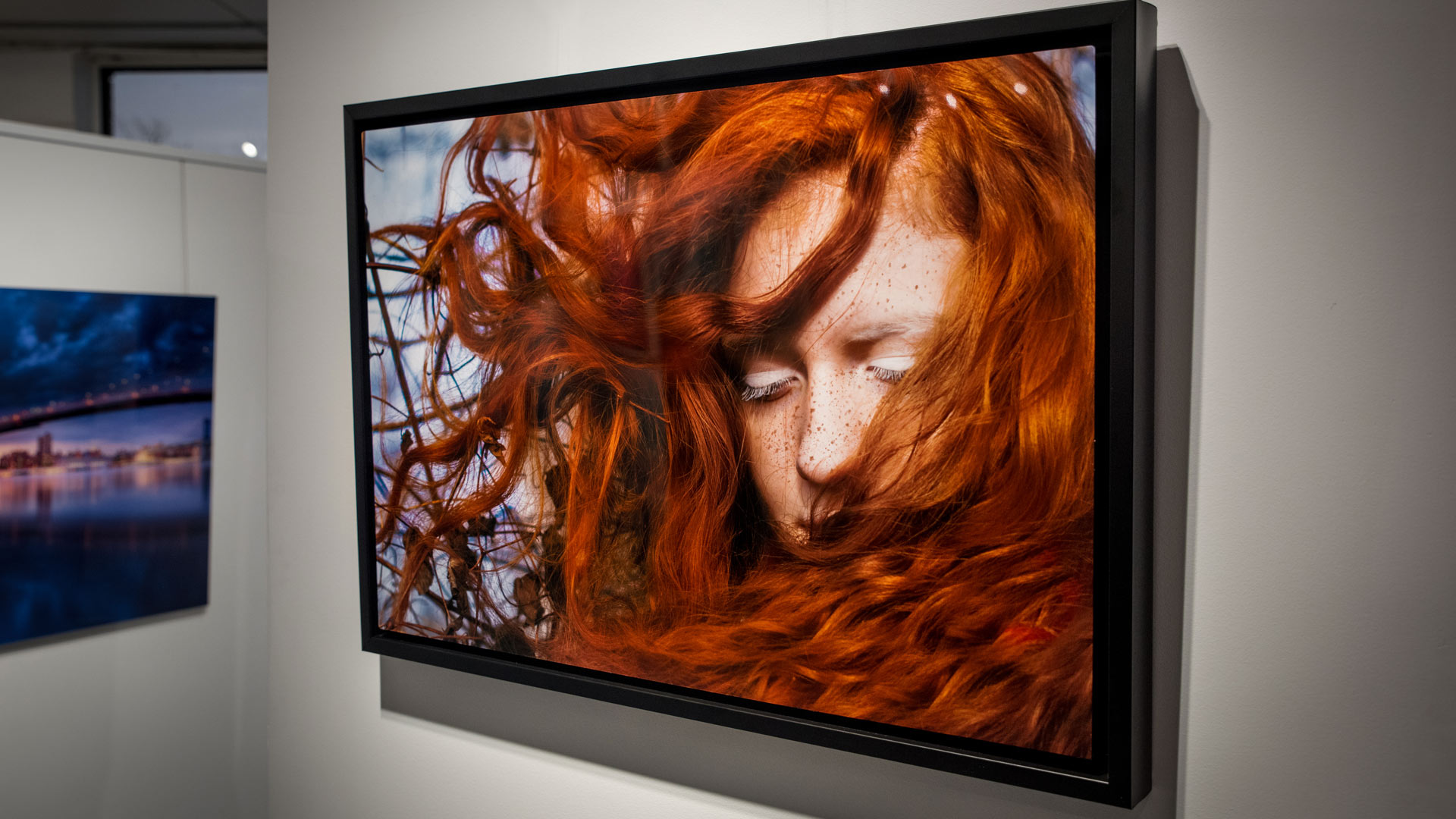
Chargement en cours…
ON GÉNÈRE L’IMAGE. VEUILLEZ PATIENTER …

J’aime ça
ÉDITION LIMITÉE de 50

# 404454

A.P.POLO - PARADIGMA


Disponible sur:
ÉDITION LIMITÉE of 50
Pictorem Reviews 4.8 Average Rating by 126k clients
Voir cette oeuvre sur différents murs
Wall decor artwork generator Wall decor artwork generator Wall decor artwork generator


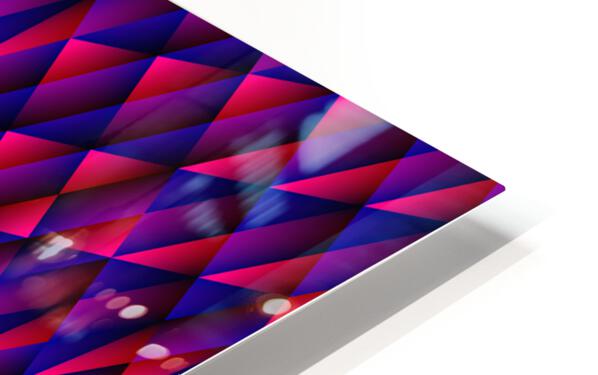
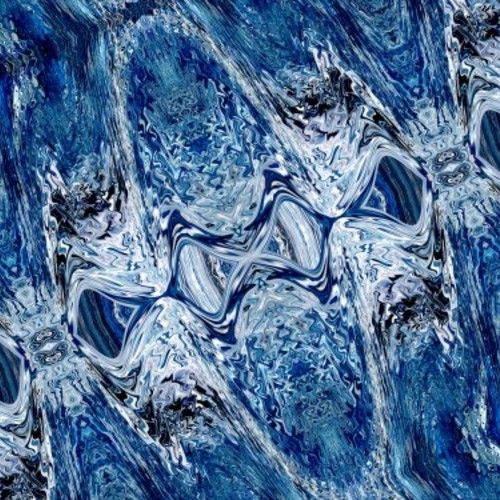
A.P.Polo - "Paradigma" - Hamburg (Germany) - New Media Art. Abstract, contemporary work that captivates with its complex pattern and skilful use of l...[+]


2337 vues


Facebook Pinterest Envoyez à un(e) ami(e)


Mots clés:
[+] expand
Chercher des images avec des couleurs dominantes similaires :

Impression Giclée sur toile

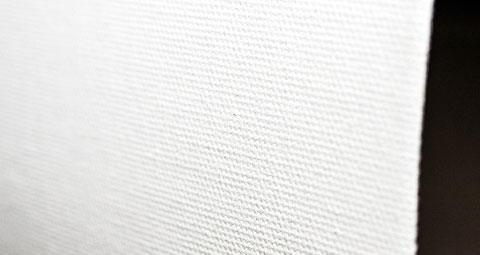
Toutes nos toiles étirées sont faites sur-mesure, à partir d’une toile d’exposition de 410g/m2 Bois large de 1.5 pouce de style “galerie”.     
Impression Giclée avec encre pigmentée conçue pour répondre aux exigences de longévité de musées et galeries et assurer l’uniformité des nuances de couleur pour plus de 200 ans. [+]

Impression sur toile étirée   Expédition aux USA & Canada
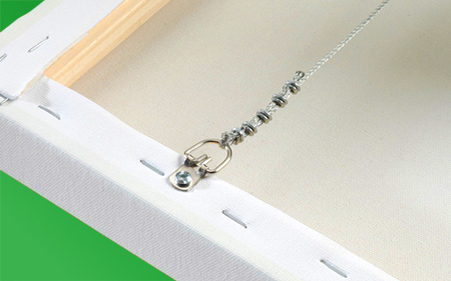
Prêt à être accroché - Tendu sur cadre en bois d’une épaisseur de 1,5 pouces.
20 x 20 pouces
51 x 51 cm
Aperçu de l’image
$308
24 x 24 pouces
62 x 62 cm
Aperçu de l’image
$332
30 x 29 pouces
77 x 74 cm
Aperçu de l’image
$495
36 x 35 pouces
92 x 90 cm
Aperçu de l’image
$649
42 x 41 pouces
108 x 105 cm
Aperçu de l’image
$1224
48 x 47 pouces
123 x 121 cm
Aperçu de l’image
$1436
55 x 54 pouces
141 x 138 cm
Aperçu de l’image
$1719


Toile étirée en plusieurs panneaux


A.P.Polo - Paradigma   Impression sur toile
37 x 36 Triptique ( croix )
40 x 36 en comprenant l’espace.
1x12x36   2X [ 12X30
$772

Impression acrylique

360 View
🔄

Chargement de la visionneuse 3D...

Cliquez et faites glisser pour faire pivoter • Faites défiler pour zoomer
360 View
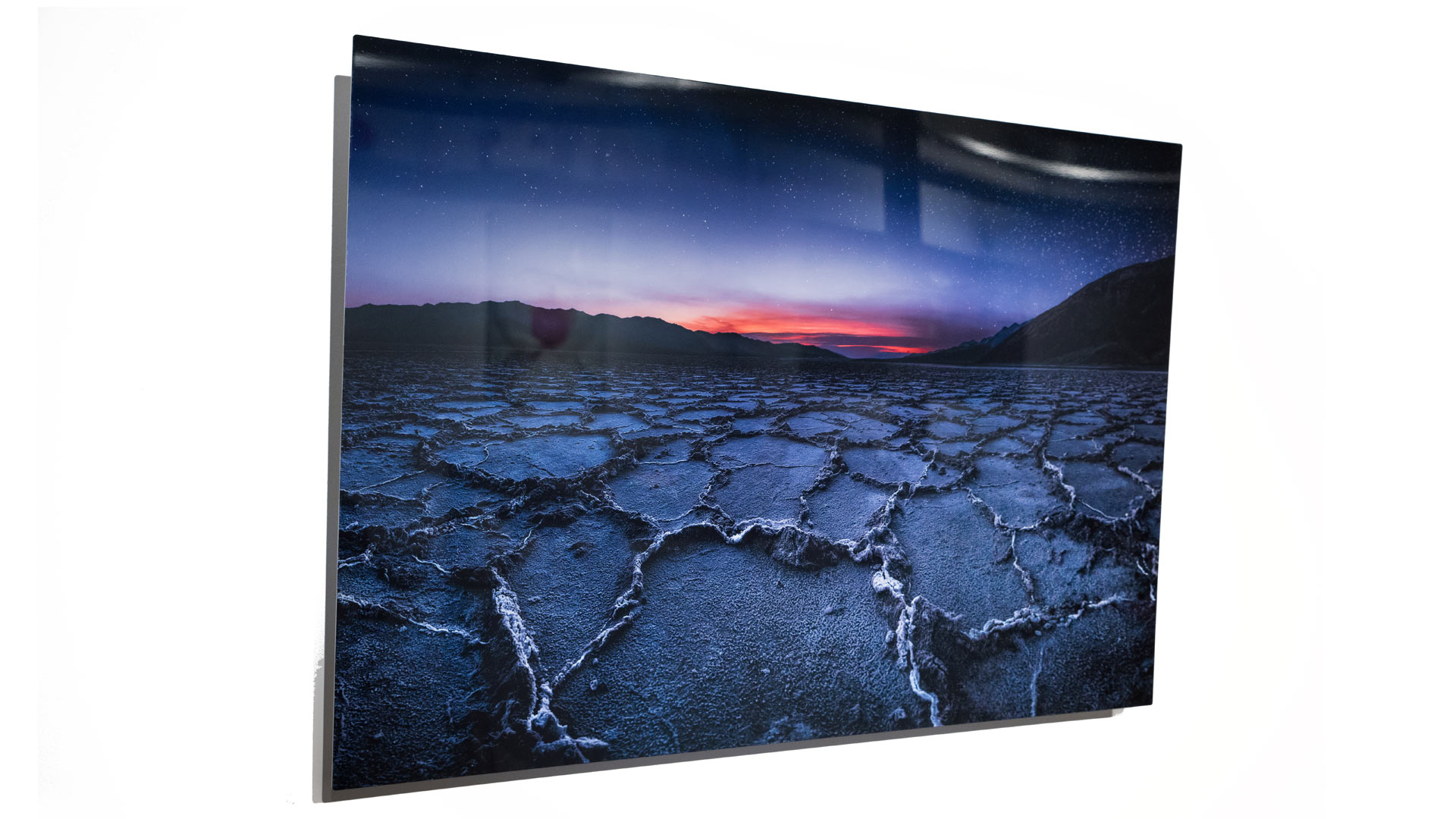
Obtenez une pièce d’art moderne avec cette impression acrylique.
Fine Art fabriqué à partir d’un acrylique poli haut de gamme, le meilleur de sa catégorie, 99,9% optiquement pur et le dernier savoir-faire d’impression à plat.  
Vidéo
[+]

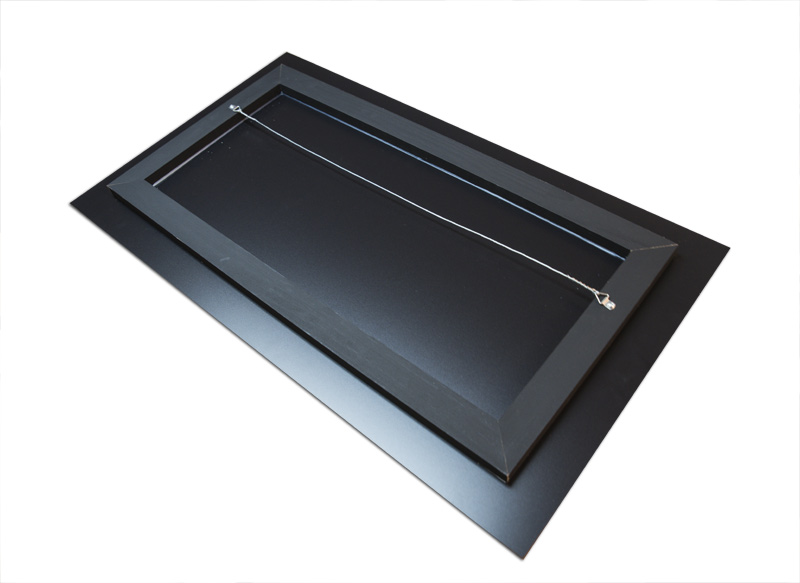
  Impression sur acrylique avec cadre flottant en arrière.
Imprimé jusqu’au bord et prêt à être accroché, avec un cadre flottant à l’arrière.     
1/8" Thickness:
20 x 20 pouces
51 x 51 cm
Aperçu de l’image
$462
24 x 24 pouces
62 x 62 cm
Aperçu de l’image
$603
30 x 29 pouces
77 x 74 cm
Aperçu de l’image
$837
36 x 35 pouces
92 x 90 cm
Aperçu de l’image
$1148
42 x 41 pouces
108 x 105 cm
Aperçu de l’image
$1909
48 x 47 pouces
123 x 121 cm
Aperçu de l’image
$2335
3/16" Thickness:
20 x 20 pouces
51 x 51 cm
Aperçu de l’image
$627
24 x 24 pouces
62 x 62 cm
Aperçu de l’image
$805
30 x 29 pouces
77 x 74 cm
Aperçu de l’image
$1102
36 x 35 pouces
92 x 90 cm
Aperçu de l’image
$1496
42 x 41 pouces
108 x 105 cm
Aperçu de l’image
$2356
48 x 47 pouces
123 x 121 cm
Aperçu de l’image
$2895

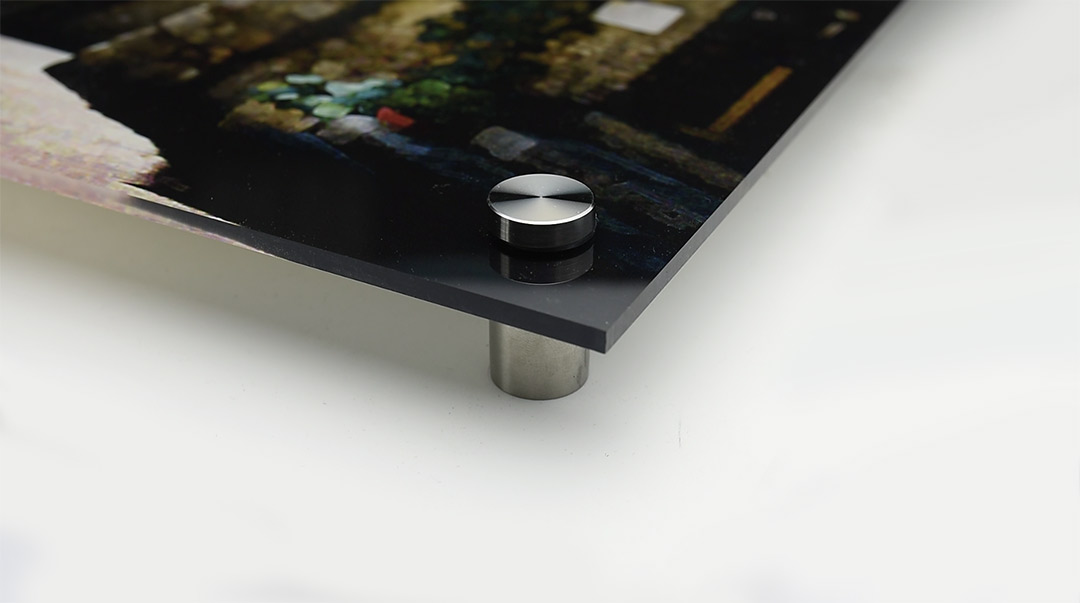
  Impression sur acrylique avec entretoises ( cylindres métalliques )
Imprimé jusqu’au bord et prêt à être accroché, avec 4 cylindres (entretoises) en aluminium ( les vis murales sont incluses )
Nous suggérons un plus acrylique épais (3/16 ") pour les taille plus de 42 pouces, pour garantir un acrylique droit, sans courbure
1/8" Thickness:
20 x 20 pouces
51 x 51 cm
Aperçu de l’image
$462
24 x 24 pouces
62 x 62 cm
Aperçu de l’image
$603
30 x 29 pouces
77 x 74 cm
Aperçu de l’image
$837
36 x 35 pouces
92 x 90 cm
Aperçu de l’image
$1148
42 x 41 pouces
108 x 105 cm
Aperçu de l’image
$1909
48 x 47 pouces
123 x 121 cm
Aperçu de l’image
$2335
3/16" Thickness:
20 x 20 pouces
51 x 51 cm
Aperçu de l’image
$627
24 x 24 pouces
62 x 62 cm
Aperçu de l’image
$805
30 x 29 pouces
77 x 74 cm
Aperçu de l’image
$1102
36 x 35 pouces
92 x 90 cm
Aperçu de l’image
$1496
42 x 41 pouces
108 x 105 cm
Aperçu de l’image
$2356
48 x 47 pouces
123 x 121 cm
Aperçu de l’image
$2895


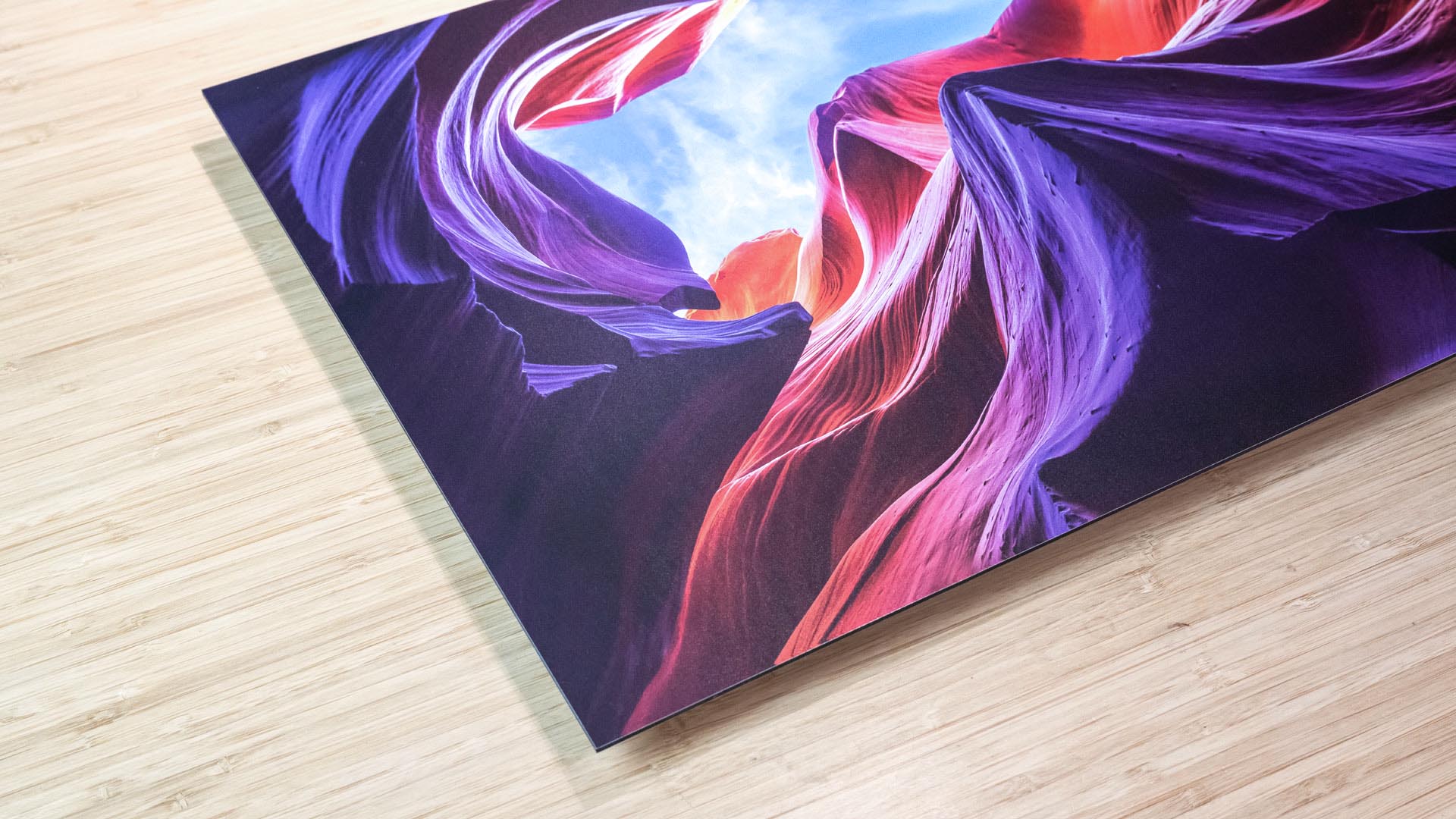
Impression sur metal brossé / Impression lisse en métal blanc

360 View
🔄

Chargement de la visionneuse 3D...

Cliquez et faites glisser pour faire pivoter • Faites défiler pour zoomer

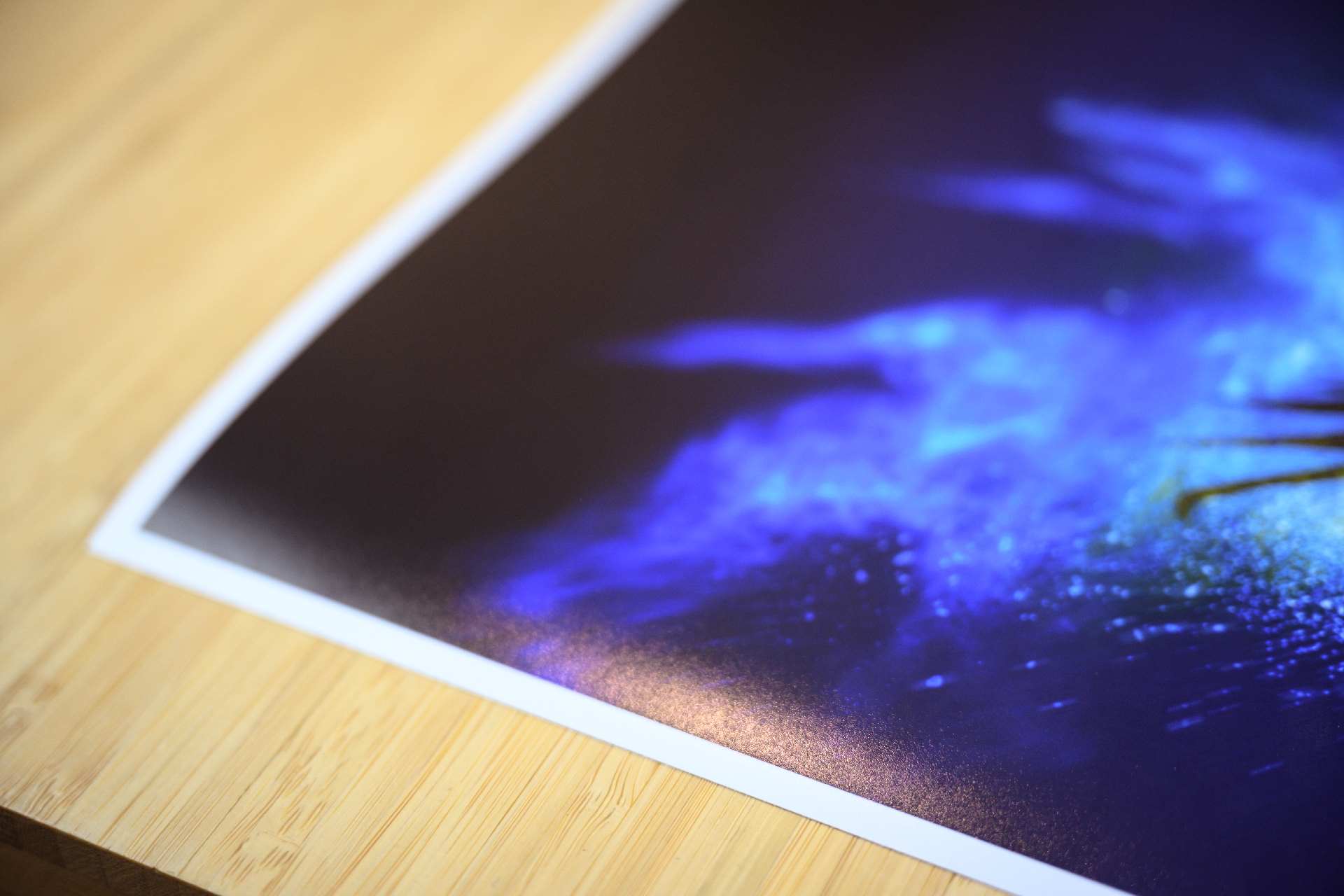
Les sections de la photographie qui sont blanches ou très claires ne sont pas imprimées. Les zones blanches apparaissent métalliques.
Robuste, léger et offre un effet de réflexion de lumière unique [+]

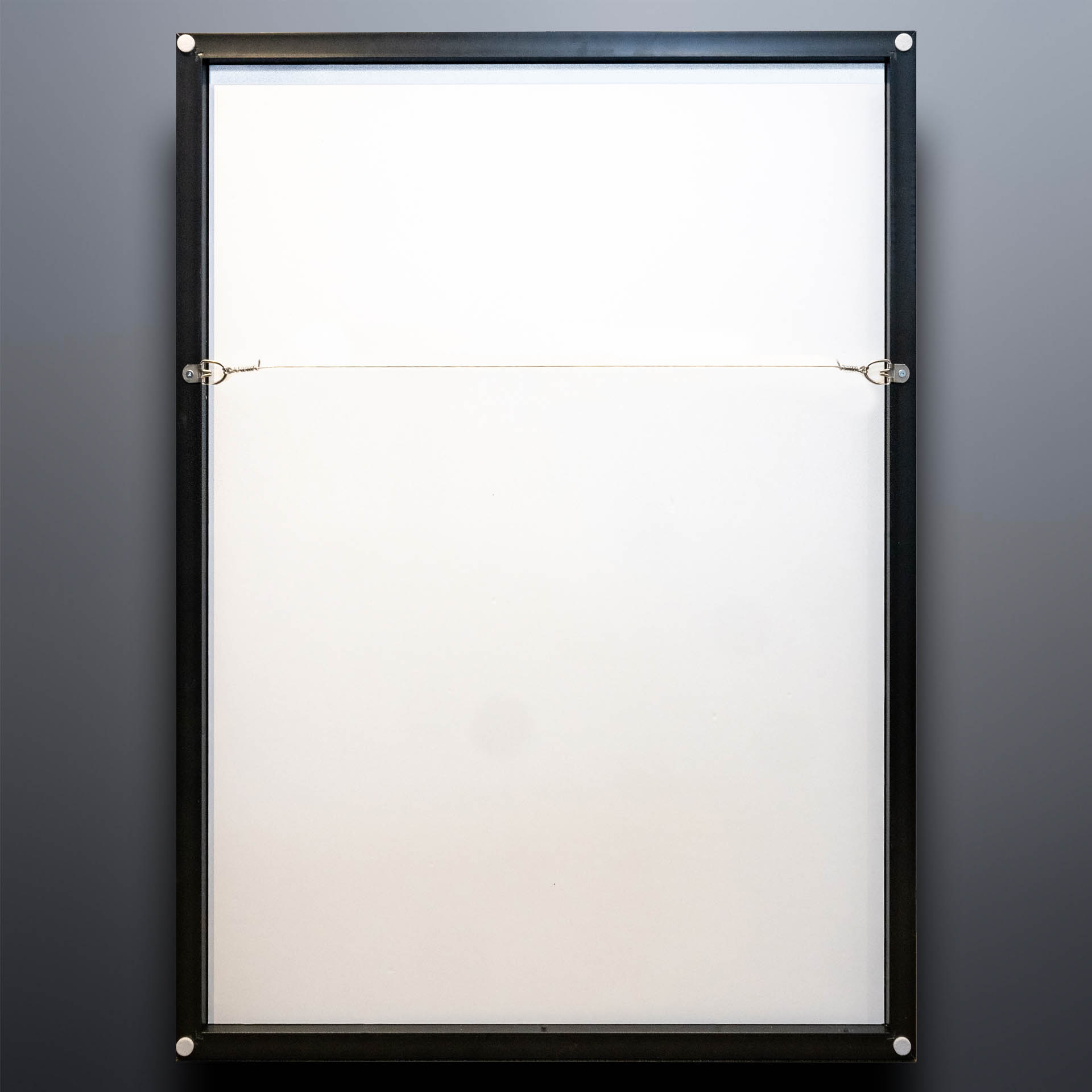
  Impression sur metal brossé et cadre flottant
Impression pleine et montage avec un cadre flottant à l’arrière de 3/4 pouce d’épaisseur avec fil de suspension. 
20 x 20 pouces
51 x 51 cm
Aperçu de l’image
$436
24 x 24 pouces
62 x 62 cm
Aperçu de l’image
$570
30 x 29 pouces
77 x 74 cm
Aperçu de l’image
$793
36 x 35 pouces
92 x 90 cm
Aperçu de l’image
$1088
42 x 41 pouces
108 x 105 cm
Aperçu de l’image
$1831
48 x 47 pouces
123 x 121 cm
Aperçu de l’image
$2236

  Impression sur métal brossé avec entretoises
Imprimé jusqu’au bord et prêt à être accroché, avec 4 cylindres (entretoises) en aluminium ( les vis murales sont incluses )
20 x 20 pouces
51 x 51 cm
Aperçu de l’image
$436
24 x 24 pouces
62 x 62 cm
Aperçu de l’image
$570
30 x 29 pouces
77 x 74 cm
Aperçu de l’image
$793
36 x 35 pouces
92 x 90 cm
Aperçu de l’image
$1088
42 x 41 pouces
108 x 105 cm
Aperçu de l’image
$1831
48 x 47 pouces
123 x 121 cm
Aperçu de l’image
$2236

Impression directe sur métal pour fournir une finition satinée lisse et blanche avec réflexion contrôlée de la lumière
Robuste, très léger et offre un effet mat [+]  


  Impression métal blanc avec cadre flottant à l’arrière
Impression pleine et montage avec un cadre flottant à l’arrière de 3/4 pouce d’épaisseur avec fil de suspension. 
20 x 20 pouces
51 x 51 cm
Aperçu de l’image
$436
24 x 24 pouces
62 x 62 cm
Aperçu de l’image
$570
30 x 29 pouces
77 x 74 cm
Aperçu de l’image
$793
36 x 35 pouces
92 x 90 cm
Aperçu de l’image
$1088
42 x 41 pouces
108 x 105 cm
Aperçu de l’image
$1831
48 x 47 pouces
123 x 121 cm
Aperçu de l’image
$2236

  Impression sur métal brossé avec entretoises
Imprimé jusqu’au bord et prêt à être accroché, avec 4 cylindres (entretoises) en aluminium ( les vis murales sont incluses )
20 x 20 pouces
51 x 51 cm
Aperçu de l’image
$436
24 x 24 pouces
62 x 62 cm
Aperçu de l’image
$570
30 x 29 pouces
77 x 74 cm
Aperçu de l’image
$793
36 x 35 pouces
92 x 90 cm
Aperçu de l’image
$1088
42 x 41 pouces
108 x 105 cm
Aperçu de l’image
$1831
48 x 47 pouces
123 x 121 cm
Aperçu de l’image
$2236


HD ChromaLuxe Impression de Sublimation Métal haute brillance

360 View
A.P.Polo - Paradigma    Impression métal HD avec cadre flottant sur le dos
🔄

Chargement de la visionneuse 3D...

Cliquez et faites glisser pour faire pivoter • Faites défiler pour zoomer

A.P.Polo - Paradigma   Impression de sublimation métal HD
A.P.Polo - Paradigma   Impression metal

Brillance des couleurs, durabilité supérieure et qualités archivistiques
Cette oeuvre est produite sur une sublimation de colorant Chromaluxe panneau en métal haute définition  
Vidéo
[+]

  Impression de Sublimation Hi-Gloss sur métal blanc avec cadre arrière
Impression pleine et montage avec un cadre flottant à l’arrière de 3/4 pouce d’épaisseur avec fil de suspension. 
20 x 20 pouces
51 x 51 cm
Aperçu de l’image
$564
24 x 24 pouces
62 x 62 cm
Aperçu de l’image
$756
30 x 29 pouces
77 x 74 cm
Aperçu de l’image
$1077
36 x 35 pouces
92 x 90 cm
Aperçu de l’image
$1502

  Impression de Sublimation Hi-Gloss sur métal blanc avec cadre décoratif
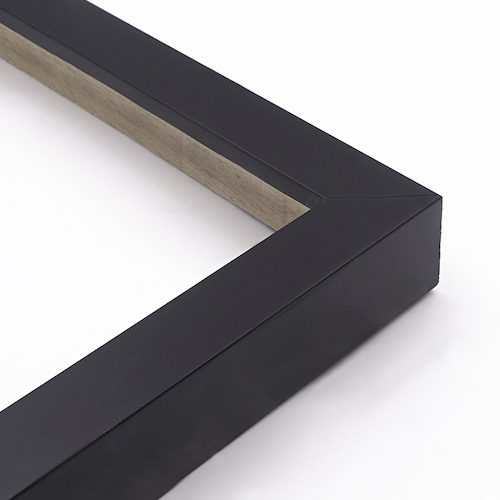
À l’intérieur d’un cadre de décoration (boîte)-cadre flottant noir
20 x 20 pouces
51 x 51 cm
Aperçu de l’image
$676
24 x 24 pouces
62 x 62 cm
Aperçu de l’image
$901
30 x 29 pouces
77 x 74 cm
Aperçu de l’image
$1267
36 x 35 pouces
92 x 90 cm
Aperçu de l’image
$1741


Impression sur bois

360 View
A.P.Polo - Paradigma    Impression sur bois
🔄

Chargement de la visionneuse 3D...

Cliquez et faites glisser pour faire pivoter • Faites défiler pour zoomer

A.P.Polo - Paradigma   Impression sur bois

Imprimé avec des encres UV qui procurent une qualité d’image incroyable et qui résistent aux égratignures. Les couleurs ne pâliront pas à travers le temps.
Les zones blanches et très claires ne sont pas imprimées sur le bois, révélant la beauté naturelle de la texture du bois
Imprimé sur un bois large de 3/8 de pouces ( 9mm). Ce bois préparé à partir de merisier russe, il est durable et robuste. [+]

Impression sur bois avec cadre flottant arrière
Impression pleine et montage avec un cadre flottant à l’arrière  
Vidéo
[+]
20 x 20 pouces
51 x 51 cm
Aperçu de l’image
$406
24 x 24 pouces
62 x 62 cm
Aperçu de l’image
$528
30 x 29 pouces
77 x 74 cm
Aperçu de l’image
$732
36 x 35 pouces
92 x 90 cm
Aperçu de l’image
$1002
42 x 41 pouces
108 x 105 cm
Aperçu de l’image
$1715
48 x 47 pouces
123 x 121 cm
Aperçu de l’image
$2086


Impression en Rouleau.

Nous expédions dans le monde entier!

Impression sur toile giclée Livrée en rouleau
 
Imprimé sur du papier peint mat Fine Art - Fourni à l’intérieur d’un tube d’expédition solide [+]
20 x 20 pouces
51 x 51 cm
Aperçu de l’image
$146
24 x 24 pouces
62 x 62 cm
Aperçu de l’image
$181
30 x 29 pouces
77 x 74 cm
Aperçu de l’image
$241
36 x 35 pouces
92 x 90 cm
Aperçu de l’image
$320
42 x 41 pouces
108 x 105 cm
Aperçu de l’image
$414
48 x 47 pouces
123 x 121 cm
Aperçu de l’image
$523
55 x 54 pouces
141 x 138 cm
Aperçu de l’image
$668


Papier giclée sans acide de première qualité
 
Imprimé sur papier photo satiné - ( Affiche ) Fourni à l’intérieur d’un tube d’envoi Strong [+]
20 x 20 pouces
51 x 51 cm
Aperçu de l’image
$112
24 x 24 pouces
62 x 62 cm
Aperçu de l’image
$133
30 x 29 pouces
77 x 74 cm
Aperçu de l’image
$168
36 x 35 pouces
92 x 90 cm
Aperçu de l’image
$214
42 x 41 pouces
108 x 105 cm
Aperçu de l’image
$269
48 x 47 pouces
123 x 121 cm
Aperçu de l’image
$333
55 x 54 pouces
141 x 138 cm
Aperçu de l’image
$418


Giclée Art Matte Paper Print
 
Imprimé sur un papier mat d’archives de qualité supérieure avec une texture lisse et un blanc neutre - Fourni à l’intérieur d’un tube d’expédition Strong [+]
20 x 20 pouces
51 x 51 cm
Aperçu de l’image
$157
24 x 24 pouces
62 x 62 cm
Aperçu de l’image
$198
30 x 29 pouces
77 x 74 cm
Aperçu de l’image
$266
36 x 35 pouces
92 x 90 cm
Aperçu de l’image
$357
42 x 41 pouces
108 x 105 cm
Aperçu de l’image
$464


Impression murale

Facile à installer. Vinyle auto-adhésif, lavable et repositionnable [+]
Vidéo
Pour obtenir le prix de votre murale, Entrez les mesures de votre mur :

POUCE PIED CM
Largeur: in.
Hauteur : in.
Width: ft in
Heigth: ft in
Width: cm
Heigth: cm


Notre technologie de 10 couleurs
Nos peintures murales sont produites sur des imprimantes avec une qualité d’impression photographique exceptionnelle. Une résolution d’image extrême : qualité d'image photographique
avec la gamme de couleurs plus grande de sa catégorie

Facile à installer
Notre impression murale peut être enlevée sans aucun dommage à vos murs. Facile à modifier ou à supprimer. Nous utilisons un média de 6 mil auto-adhésif en vinyle avec une texture subtile de lin-coton.
Changer l’apparence d’une pièce sans avoir à utiliser du papier peint traditionnel. Nos impressions murales deviennent la solution parfaite pour améliorer facilement n’importe quel espace résidentiel ou commercial !

Vinyle autocollant repositionnable livré par bande de 35 à 45 pouces de largeur qui se chevauchent légèrement pour faciliter l’installation.
[Plus d’infos sur nos impressions murales]
Impression encadrée Afficher en 3D

Pour obtenir "A.P.Polo - Paradigma " dans une impression encadrée.
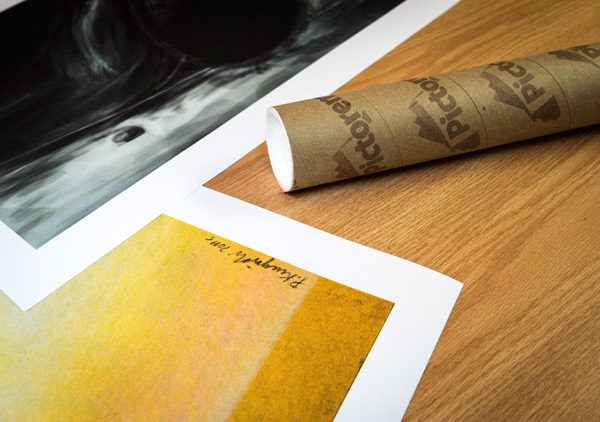
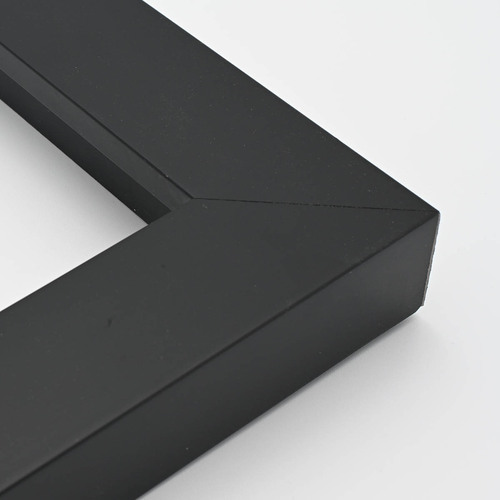
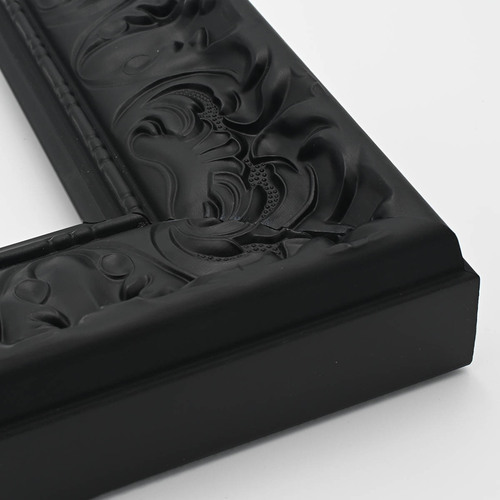
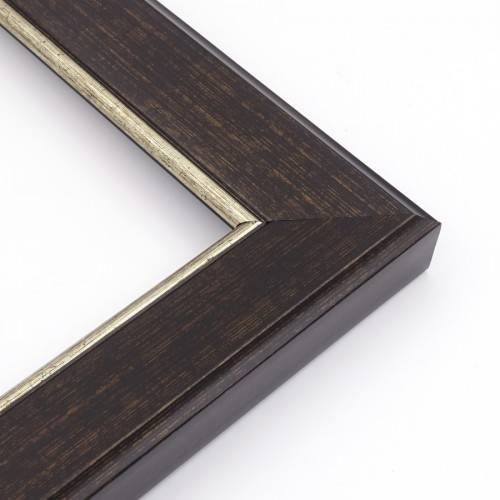
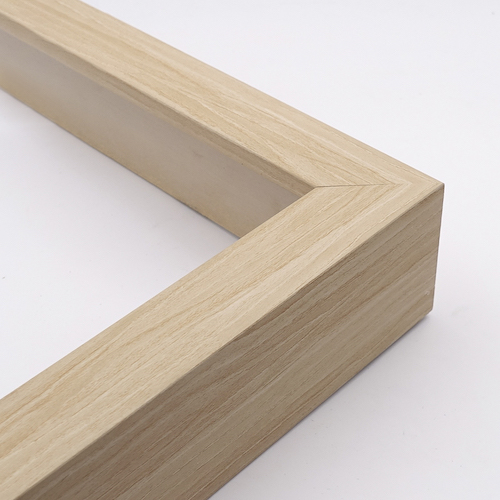
Entièrement personnalisable - à la taille exacte que vous désirez. Sélectionnez le type de papier, le verre, le mat et le cadre de décoration
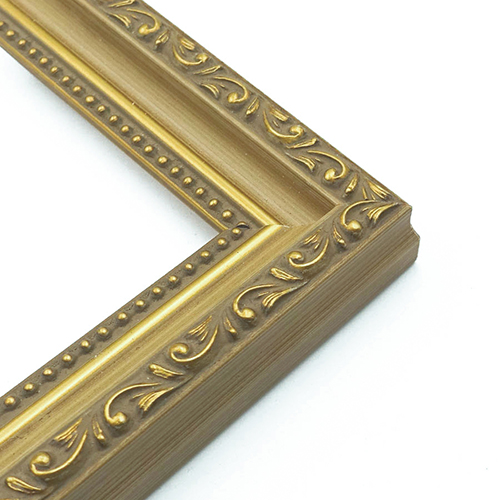
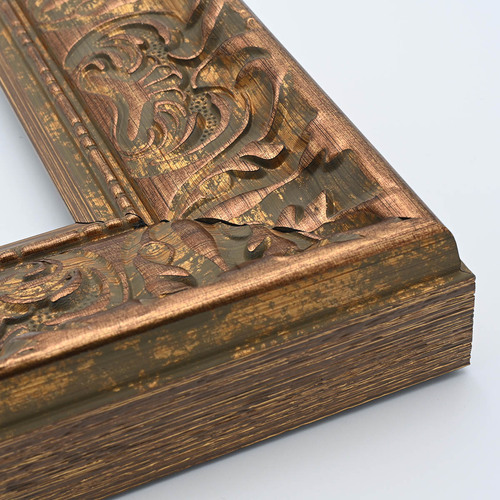
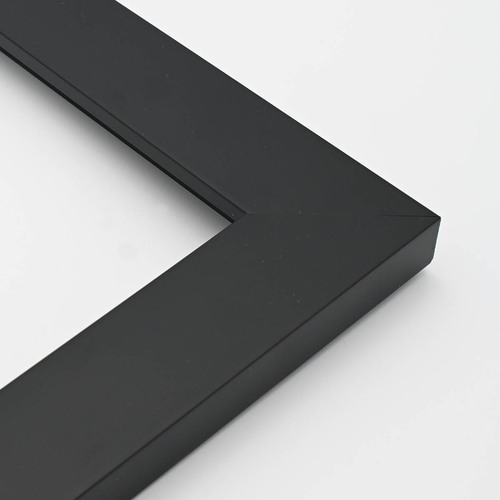
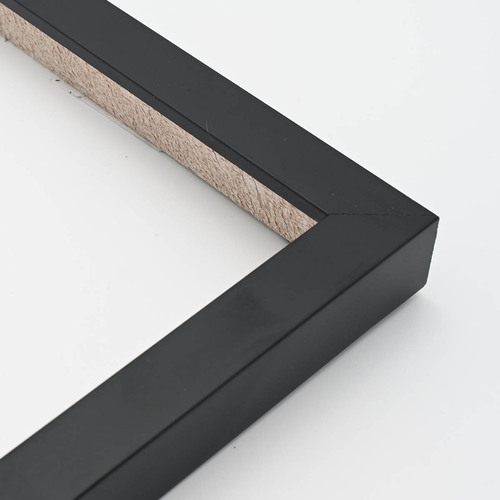
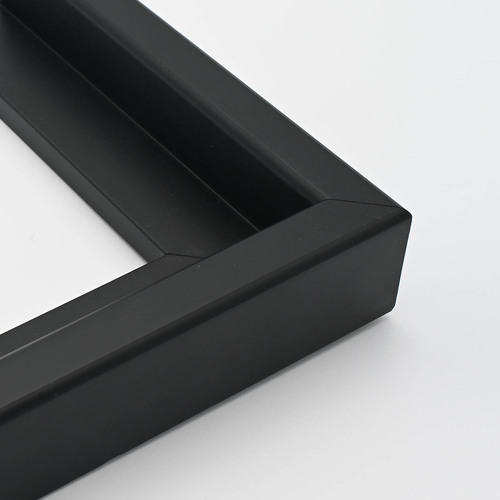
Commencez à construire votre impression encadrée personnalisée en sélectionnant l’une des moulures suivantes:
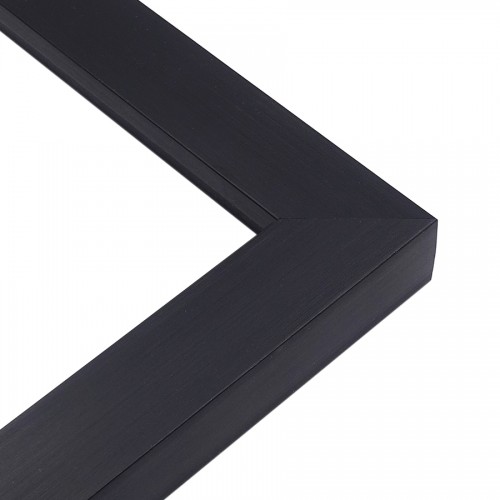
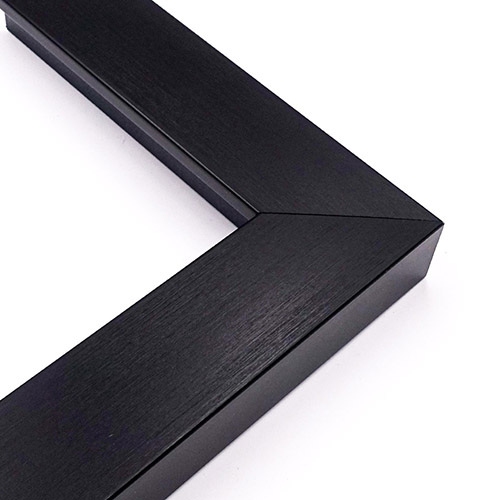
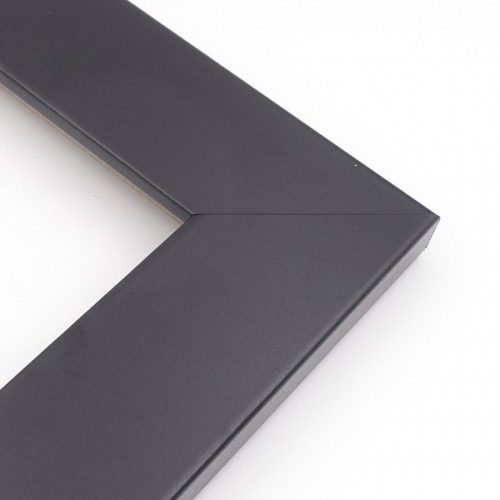
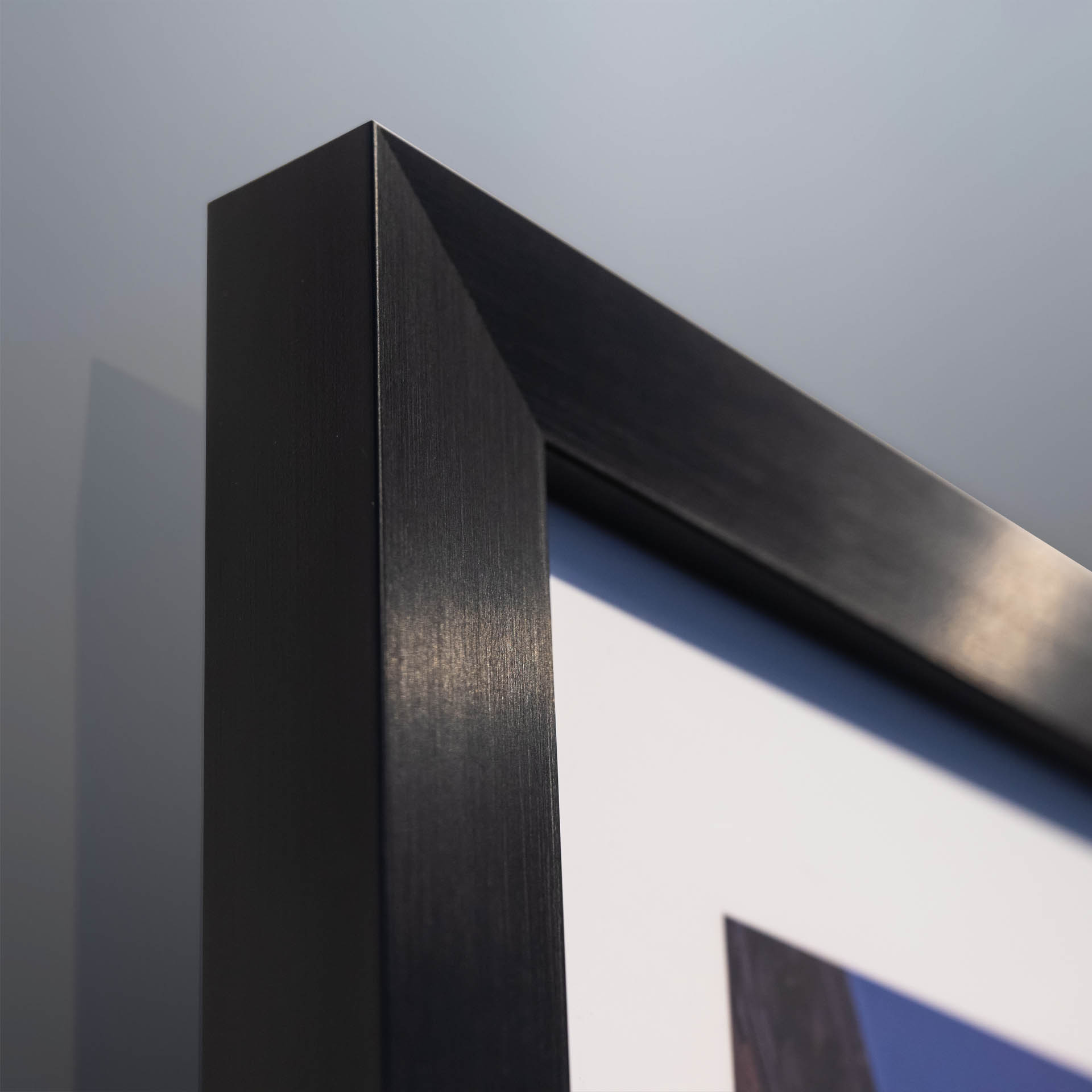
A.P.Polo - Paradigma   Cadre photo
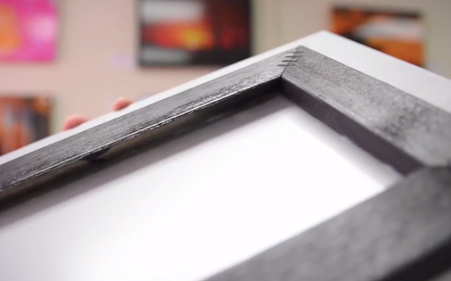
Modèle de cadre illustré : 832-745

MOULURE DÉCORATIVES
MOULURE DÉCORATIVES
MOULURE DÉCORATIVES
MOULURE DÉCORATIVES
MOULURE DÉCORATIVES
MOULURE DÉCORATIVES
MOULURE DÉCORATIVES
MOULURE DÉCORATIVES
MOULURE DÉCORATIVES
MOULURE DÉCORATIVES
MOULURE DÉCORATIVES
MOULURE DÉCORATIVES
MOULURE DÉCORATIVES
MOULURE DÉCORATIVES
MOULURE DÉCORATIVES

Impression encadrée de format standard

   [+]  
Vidéo

28 x 28"
$409
28 x 28" Framed Print Afficher en 3D

A.P.Polo - Paradigma   Impression du cadre
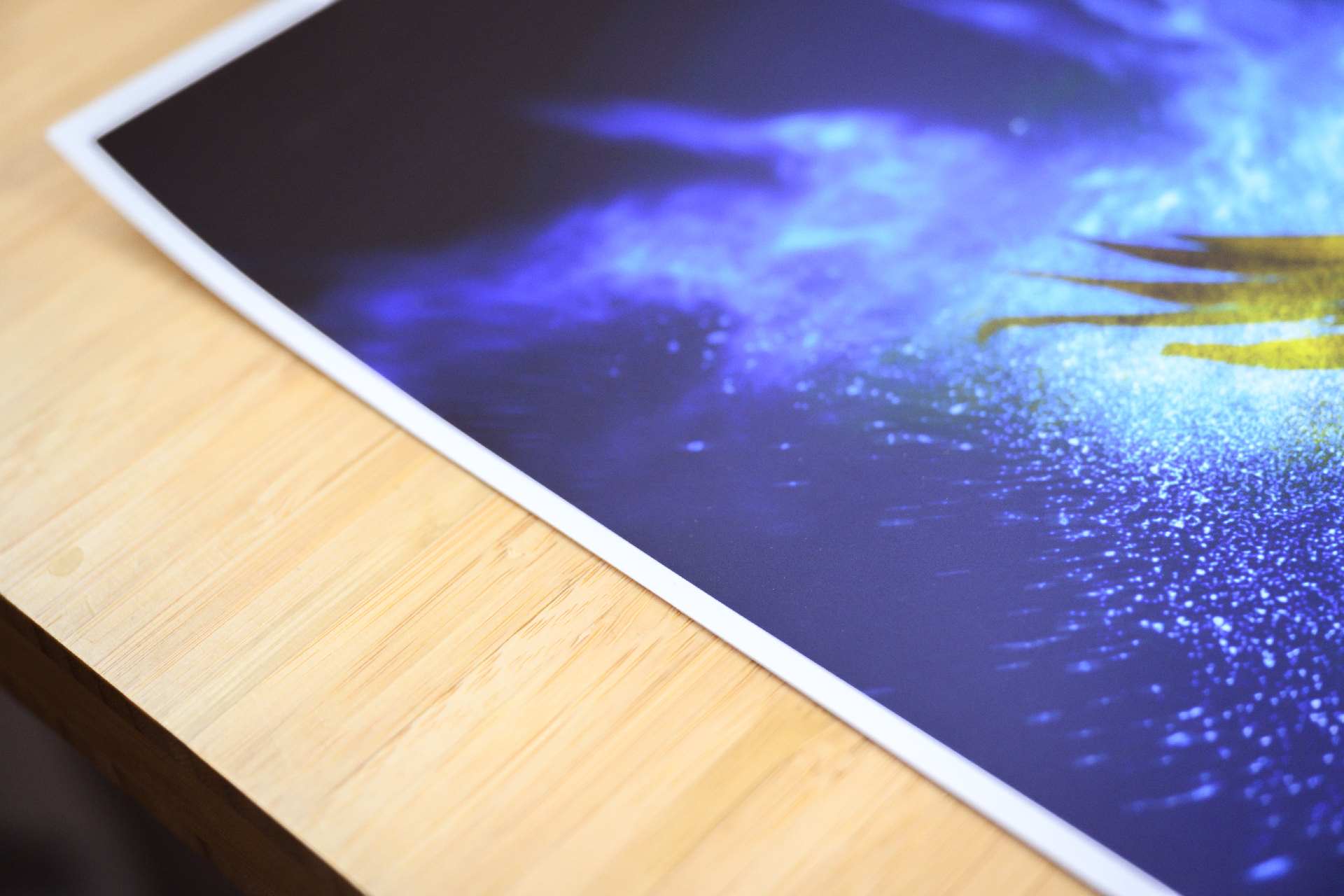
Surface imprimée: 24 x 24"
Total Intérieur de la surface: 28.00 x 28.00"
Bordure blanche: 2" on each side
Largeur de l'image: 1.25" on each side
Dimension physique totale: 29.25 x 29.25"

Frame model: 832-745
Printing method: 1200dpi UV cured ink on fine art matte board
Ready to hang with wire at the back
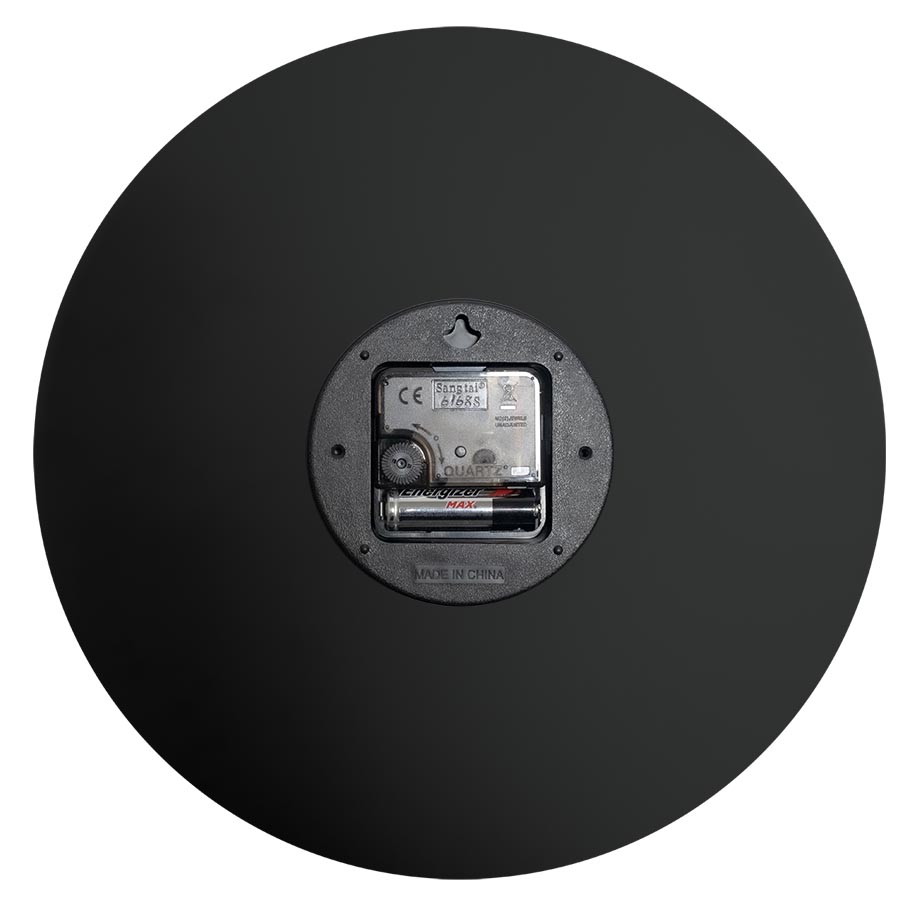
Horloge murale

Détails du produit

Cette œuvre d'art est réalisée en acrylique de haute qualité Prêt à être accroché.   
Vidéo

Mécanisme d'horloge avec un mouvement à quartz précis. Pile incluse
Disponible en format carré ou rond
Disponible en 12" 16" 24"

Créer le vôtre

Téléchargement Numérique

Résolution du fichier: 8000 x 7872 pixels


SUR CETTE OEUVRE: A.P.POLO - PARADIGMA
A.P.Polo - "Paradigma" - Hamburg (Germany) - New Media Art. Abstract, contemporary work that captivates with its complex pattern and skilful use of light & shadow. This work can be classified as concrete art. A paradigm ("Paradigma" in German) is a fundamental way of thinking. The word comes from the Greek parádeigma. Translated, it means "example, model, pattern" or "delimitation, explanatory model, prejudice"; also "world view" or "world view". In ancient rhetoric, it was understood to mean an incident cited as positive or negative evidence for a dogmatic argument or moral doctrine. Since the late 18th century, paradigm has referred to a particular kind of worldview or doctrinal opinion. The term was introduced by Georg Christoph Lichtenberg. According to Ludwig Wittgenstein, paradigms are patterns or standards against which experience is compared and judged. They are prior to experience (a priori) and provide orientation. In the modern history of science, the term was introduced by Thomas S. Kuhn. He uses it to describe the totality of basic views that constitute a scientific discipline in a historical period. Examples of such a "fundamental world view" are the geocentric world view or the heliocentric world view. These basic views outline which questions are scientifically permissible and what can be regarded as a scientifically satisfactory solution. According to Kuhn, scientific revolutions in the natural sciences are associated with changes in paradigms. Kuhn suggests that certain scientific works, such as Newton's Principia or John Dalton's New System of Chemical Philosophy (1808), provide an open-ended resource: a framework of concepts, results, and procedures within which subsequent work is structured. Normal science proceeds within such a framework or paradigm. A paradigm does not impose a rigid or mechanical approach, but can be taken more or less creatively and flexibly. Finally, the concept of the "paradigm" was also introduced into discourses critical of the times, for example by Fritjof Capra, based on approaches of the esoteric New Age movement. In Aristotle, paradeigma is the inductive argument in rhetoric. It denotes a rhetorical inference procedure with its individual cases, based on examples. In contrast to other inductive arguments, one does not proceed from particular cases to a general one, but from a particular case to another particular case of the same kind. Giorgio Agamben, in his Signatura rerum, defines the paradigm as "a form of knowledge that is neither inductive nor deductive, but analogical, thus progressing from one particular to another particular". In this context, he refers to his teacher Michel Foucault's understanding of paradigm as a "description of discourse as the historical articulation of a paradigm" and shows the connection between Foucault's epistemological understanding of paradigm and the normative concept of Thomas S. Kuhn's concept of paradigm, pointing out the double meaning of the paradigm concept in Kuhn's work: Kuhn's paradigm corresponds on the one hand to a "disciplinary matrix" as "what the members of a scientific community share with each other, a totality of techniques, models and values", but also applies "to a single element of this totality - to Newton's Principia, to Ptolemy's Almagest -: to an element which, serving as a communal example, takes the place of explicit rules and thus defines a particular, self-contained tradition of research." Kuhn defines paradigms as "generally accepted scientific achievements that provide authoritative problems and solutions for a community of experts for a certain period of time." Agamben's definition of paradigm goes back to the philosophical roots of the term in Aristotle's Analytica priora, which states "that the operation of the paradigm is not that of a part relating to a whole, nor that of a whole relating to a part, but that of a part relating to a part". Agamben adds to this: "The epistemological statute of the paradigm becomes clear only when we radicalise Aristotle's thesis and begin to understand that he questions the dichotomous opposition between the particular and the universal." Agamben relates the "epistemic statute" specifically to Paracelsus' medical semiotics: "The idea that all things bear a sign that manifests and reveals their invisible properties forms the original core of the Paracelsian epistem". The function of the paradigm, according to Agamben, is thus to transmit the signature of the concept of origin. In his much-cited essay "Clues: Roots of a Scientific Paradigm", Carlo Ginzburg also refers to the paradigm with explicit reference to Kuhn as an "epistemological model" and specifically explains the circumstantial paradigm as an interpretive pattern whose origins lie in medical semiotics and became known as the "Morelli method". The physician and art critic Giovanni Morelli succeeded in proving forgeries of old masters, but also the authorship of unsigned paintings, by analysing details such as auricles and fingernails. Sigmund Freud became aware of Morelli early on and described his technique - which, as Ginzburg pointed out, bears great resemblance to the meticulous sleuthing of Sherlock Holmes - in The Moses of Michelangelo (1914) as follows: "I believe his procedure is closely related to the technique of medical psychoanalysis. The latter, too, is accustomed to guess hidden things from underestimated or unnoticed features (...)" Ginzburg's "semiotic" understanding of paradigm is in line with Kuhn, who defines science as "the solving of riddles" that "only lack of perspicacity could hinder". In the preface to his standard work, Kuhn himself points to the Polish physician Ludwik Fleck, whose "style of thinking" "demarcates what is relevant within a collective of thought from what is not", as the authoritative source of his understanding of paradigm. Semiotics in its self-understanding as a procedural hypothesis and methodological net that we have thrown over the diversity of phenomena in order to be able to speak of them is also the background of Kuhn's concept of paradigm. Its beginnings as a science lie (alongside Charles Sanders Peirce's theory of signs) with Ferdinand de Saussure, who had in mind a "semiology as translingustics". Thus, linguistics and philosophy oriented towards linguistics after the "linguistic turn" also make contributions to the concept of paradigm. Syntagma and paradigm, as elements of synchronic structure, are central concepts in the work of Ferdinand de Saussure, who is not only considered the founder of linguistics, but also the main initiator of structuralism. Kuhn explicitly refers to Ludwig Wittgenstein, who describes the paradigm as "something to be compared with" and speaks of "family resemblances". Saussure emphasises "the arbitrariness of the verbal sign which, because it is conventional, contains no inner and consequently stable relation to its meaning". This character of agreement is fundamental to Kuhn's understanding of paradigm, which is also a structuralist one. Thus, in the preface to his main work, Kuhn mentions Benjamin Whorf, who assumes that the structures of language shape thinking, and Jean Piaget, who elaborated the psychological structures of personality development. Kuhn himself ultimately dispensed with a stringent definition of his paradigm concept. While the structuralist components of his work are rather associatively connected, the history of science provides the concrete point of reference for his theses. In the preface to his main work, he names the works of Alexandre Koyré, Émile Meyerson, Hélène Metzger and Anneliese Maier, whose study was "almost as important to him as the primary source material"(ibid). After the upheaval of physics through relativity and quantum theory, which "caused a feeling as if the ground on which natural science stands were being pulled out from under our feet", the history of science and the philosophy of science found themselves in a general upheaval, which led in France with Gaston Bachelard to epistemology, whose self-understanding and methodology correspond in many respects with Kuhn's theses and in whose tradition Louis Althusser, Michel Foucault and Giorgio Agamben also stand. In Kuhn's, Agamben's and Ginzburg's understanding of paradigm, a connection between structuralism, epistemology and semiotics becomes apparent. Kuhn's "Structure of Scientific Revolutions" shows the structure of the paradigm in its synchronic and diachronic elements of agreement and history of science. Agamben places the function of the paradigm as the actualisation of the sign in the transmission of the signature at the centre of his interpretation. If, according to Jean Piaget, a system consists of the connection between structure and function, the paradigm can be understood as a systematic method of theory formation. Finally, with the semiotic component of reconstruction, Ginzburg directs attention to an expanded "dynamic" understanding of the paradigm as an epistemological model. Semiotics in its intention "to show how systems underlie cultural processes" is based on the "dialectic between structures and historical process", which becomes evident as the dialectic of system and process in Kuhn's notion of paradigm shift. According to current Hegel interpretation, the concept of paradigm shift is already laid down "avant la lettre" in Hegel's Phenomenology of Spirit: "Modernly speaking, phenomenology thematises the paradigm shift or the consequence of fundamental crises of science, morality, etc.". According to this, the change occurs in such a way that "temporally different (but not always successive) conceptions of the subject matter are connected by a dialectical movement that ultimately goes back to 'semantic relations' of the underlying concepts". These semantic relations are also evident in Agamben's concept of the "signature" and the circumstantial paradigm pointed out by Ginzburg. Concrete art was an art movement with a strong emphasis on geometrical abstraction. The term was first formulated by Theo van Doesburg and was then used by him in 1930 to define the difference between his vision of art and that of other abstract artists of the time. After his death in 1931, the term was further defined and popularized by Max Bill, who organized the first international exhibition in 1944 and went on to help promote the style in Latin America. The term was taken up widely after World War 2 and promoted through a number of international exhibitions and art movements.

Cette oeuvre peut être expédiée partout dans le monde lorsqu’elle est commandée en rouleau ( affiche ou toile )
Tout autre format, y compris la toile tendue, l'acrylique, etc., n'est expédié qu'aux États-Unis continentaux et au Canada (frais de port gratuits)

Signaler cette œuvre d'art
Imprimez en Un Plantez en Un
Un arbre planté pour chaque impression.  Pictorem soutient Trees for the Future, une organisation à but non lucratif 501 (c) 3, qui gère un programme agroforestier pour restaurer les arbres sur les terres dégradées en travaillant avec les petits agriculteurs.

CRÉER UN COMPTE

COMPTE UTILISATEUR OUBLIÉ ?

HAUT