Chargement en cours…
ON GÉNÈRE L’IMAGE. VEUILLEZ PATIENTER …

J’aime ça
ÉDITION LIMITÉE de 50

# 446144

A.P.POLO - CIRCULARIUM


Disponible sur:
ÉDITION LIMITÉE of 50
Commandez en ligne ou au téléphone au 1-800-650-5301
Ouvert maintenant!
Pictorem Reviews 4.8 Average Rating by 126k clients

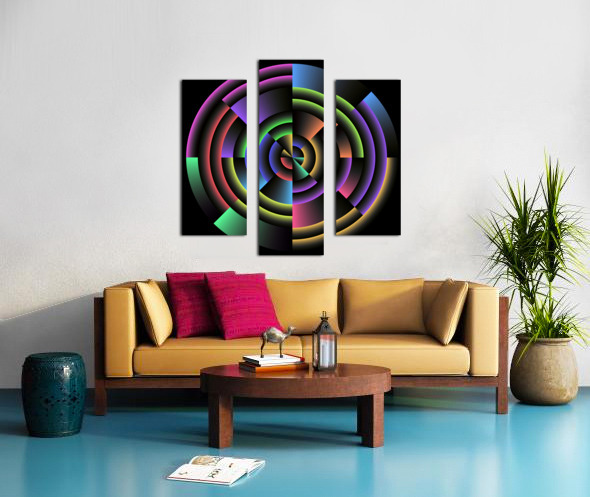
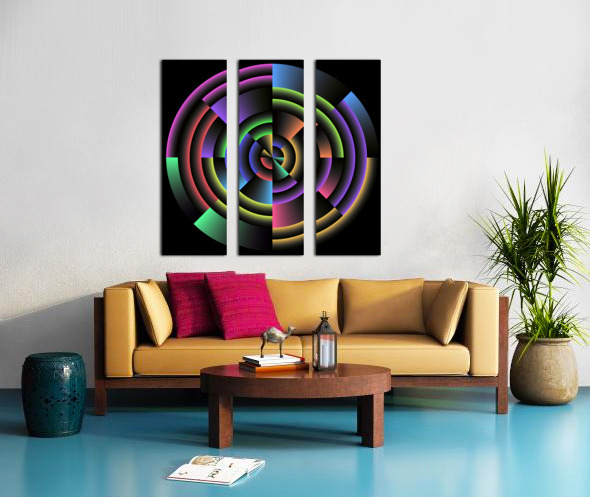
Voir cette oeuvre sur différents murs
Wall decor artwork generator Wall decor artwork generator Wall decor artwork generator


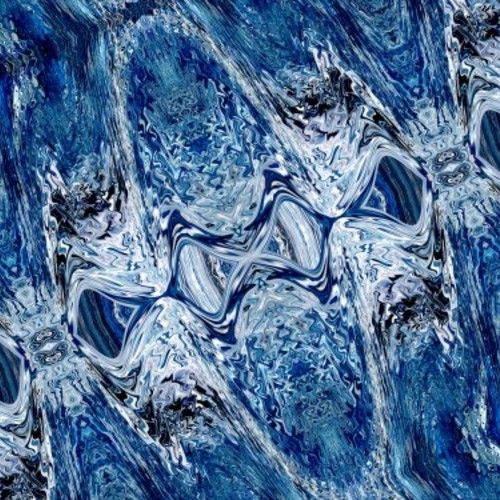
A.P.Polo - "Circularium" - Hamburg (Germany) - Drawing / Mixed Media / New Media Art. Abstract, geometric, contemporary work that captivates through ...[+]


1813 vues


Facebook Pinterest Envoyez à un(e) ami(e)


Mots clés:
[+] expand
Chercher des images avec des couleurs dominantes similaires :

Impression Giclée sur toile

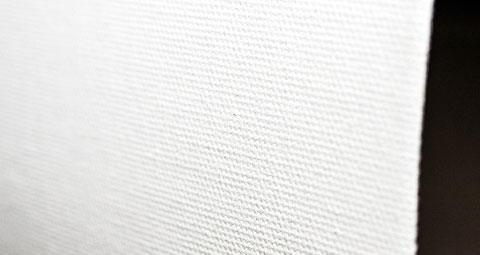
Toutes nos toiles étirées sont faites sur-mesure, à partir d’une toile d’exposition de 410g/m2 Bois large de 1.5 pouce de style “galerie”.     
Impression Giclée avec encre pigmentée conçue pour répondre aux exigences de longévité de musées et galeries et assurer l’uniformité des nuances de couleur pour plus de 200 ans. [+]

Impression sur toile étirée   Expédition aux USA & Canada
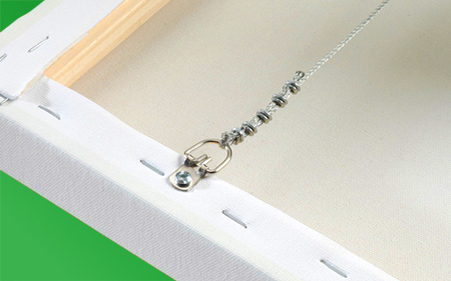
Prêt à être accroché - Tendu sur cadre en bois d’une épaisseur de 1,5 pouces.
16 x 16 pouces
41 x 41 cm
Aperçu de l’image
$195
20 x 20 pouces
51 x 51 cm
Aperçu de l’image
$293
24 x 24 pouces
62 x 62 cm
Aperçu de l’image
$315
30 x 30 pouces
77 x 77 cm
Aperçu de l’image
$437
36 x 36 pouces
92 x 92 cm
Aperçu de l’image
$586
42 x 42 pouces
108 x 108 cm
Aperçu de l’image
$1178
48 x 48 pouces
123 x 123 cm
Aperçu de l’image
$1337


Toile étirée en plusieurs panneaux


A.P.Polo - Circularium Impression sur toile
36 x 36 Triptique ( croix )
39 x 36 en comprenant l’espace.
1x12x36   2X [ 12X30
$725

Impression acrylique

360 View
🔄

Chargement de la visionneuse 3D...

Cliquez et faites glisser pour faire pivoter • Faites défiler pour zoomer
360 View
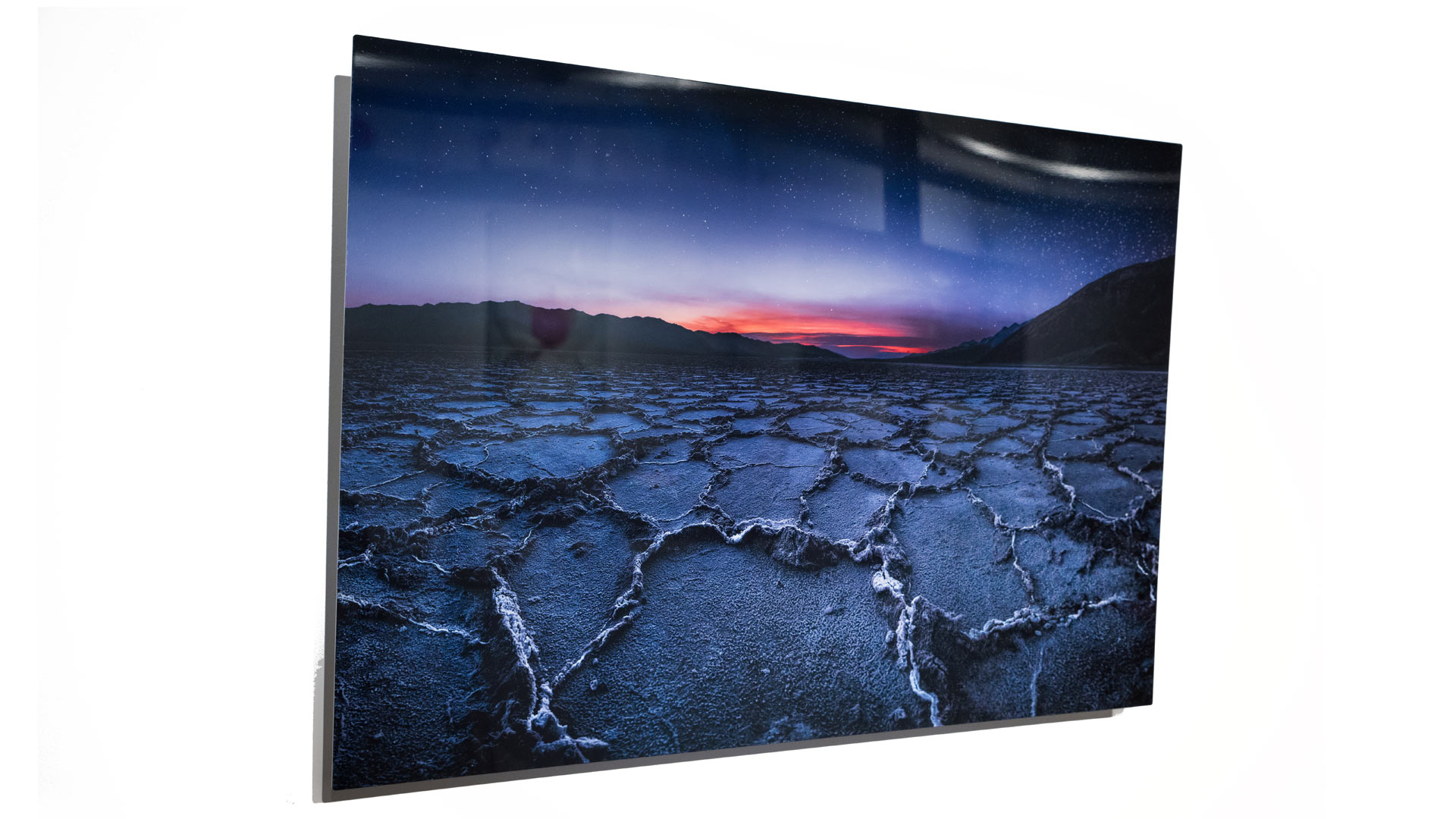
Obtenez une pièce d’art moderne avec cette impression acrylique.
Fine Art fabriqué à partir d’un acrylique poli haut de gamme, le meilleur de sa catégorie, 99,9% optiquement pur et le dernier savoir-faire d’impression à plat.  
Vidéo
[+]

  Impression sur acrylique avec cadre flottant en arrière.
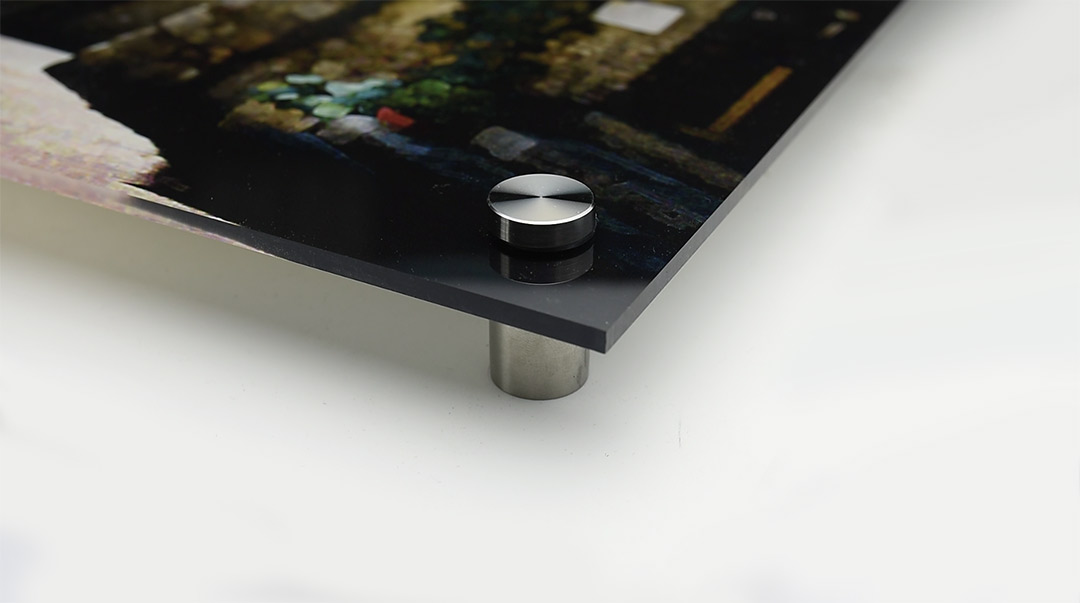
Imprimé jusqu’au bord et prêt à être accroché, avec un cadre flottant à l’arrière.     
1/8" Thickness:
16 x 16 pouces
41 x 41 cm
Aperçu de l’image
$330
20 x 20 pouces
51 x 51 cm
Aperçu de l’image
$439
24 x 24 pouces
62 x 62 cm
Aperçu de l’image
$572
30 x 30 pouces
77 x 77 cm
Aperçu de l’image
$817
36 x 36 pouces
92 x 92 cm
Aperçu de l’image
$1117
42 x 42 pouces
108 x 108 cm
Aperçu de l’image
$1844
48 x 48 pouces
123 x 123 cm
Aperçu de l’image
$2253
3/16" Thickness:
16 x 16 pouces
41 x 41 cm
Aperçu de l’image
$457
20 x 20 pouces
51 x 51 cm
Aperçu de l’image
$595
24 x 24 pouces
62 x 62 cm
Aperçu de l’image
$764
30 x 30 pouces
77 x 77 cm
Aperçu de l’image
$1075
36 x 36 pouces
92 x 92 cm
Aperçu de l’image
$1455
42 x 42 pouces
108 x 108 cm
Aperçu de l’image
$2276
48 x 48 pouces
123 x 123 cm
Aperçu de l’image
$2794

  Impression sur acrylique avec entretoises ( cylindres métalliques )
Imprimé jusqu’au bord et prêt à être accroché, avec 4 cylindres (entretoises) en aluminium ( les vis murales sont incluses )
Nous suggérons un plus acrylique épais (3/16 ") pour les taille plus de 42 pouces, pour garantir un acrylique droit, sans courbure
1/8" Thickness:
16 x 16 pouces
41 x 41 cm
Aperçu de l’image
$330
20 x 20 pouces
51 x 51 cm
Aperçu de l’image
$439
24 x 24 pouces
62 x 62 cm
Aperçu de l’image
$572
30 x 30 pouces
77 x 77 cm
Aperçu de l’image
$817
36 x 36 pouces
92 x 92 cm
Aperçu de l’image
$1117
42 x 42 pouces
108 x 108 cm
Aperçu de l’image
$1844
48 x 48 pouces
123 x 123 cm
Aperçu de l’image
$2253
3/16" Thickness:
16 x 16 pouces
41 x 41 cm
Aperçu de l’image
$457
20 x 20 pouces
51 x 51 cm
Aperçu de l’image
$595
24 x 24 pouces
62 x 62 cm
Aperçu de l’image
$764
30 x 30 pouces
77 x 77 cm
Aperçu de l’image
$1075
36 x 36 pouces
92 x 92 cm
Aperçu de l’image
$1455
42 x 42 pouces
108 x 108 cm
Aperçu de l’image
$2276
48 x 48 pouces
123 x 123 cm
Aperçu de l’image
$2794


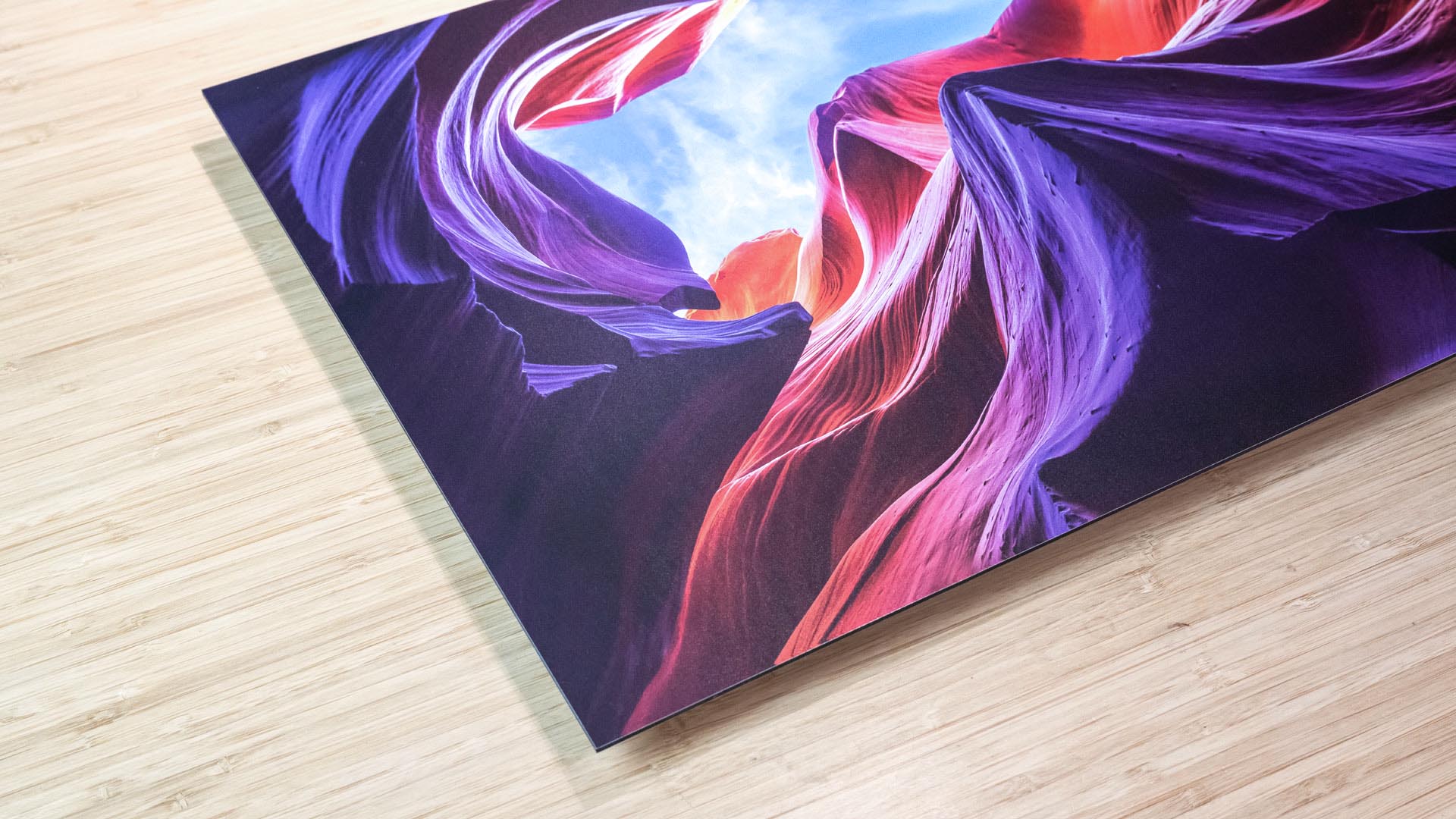
Impression sur metal brossé / Impression lisse en métal blanc

360 View
🔄

Chargement de la visionneuse 3D...

Cliquez et faites glisser pour faire pivoter • Faites défiler pour zoomer
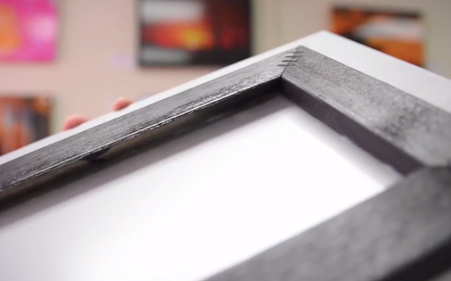

Les sections de la photographie qui sont blanches ou très claires ne sont pas imprimées. Les zones blanches apparaissent métalliques.
Robuste, léger et offre un effet de réflexion de lumière unique [+]

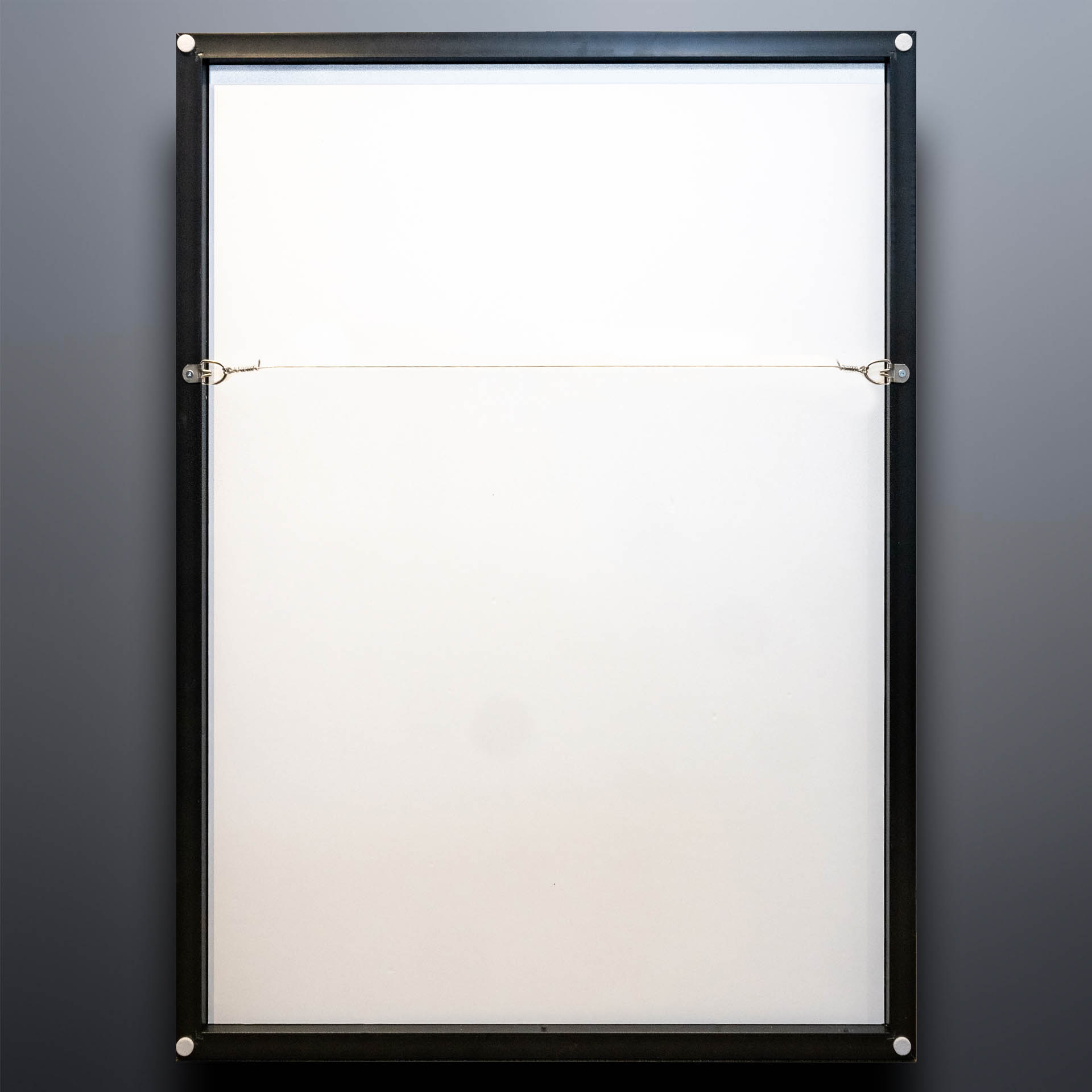
  Impression sur metal brossé et cadre flottant
Impression pleine et montage avec un cadre flottant à l’arrière de 3/4 pouce d’épaisseur avec fil de suspension. 
16 x 16 pouces
41 x 41 cm
Aperçu de l’image
$310
20 x 20 pouces
51 x 51 cm
Aperçu de l’image
$414
24 x 24 pouces
62 x 62 cm
Aperçu de l’image
$541
30 x 30 pouces
77 x 77 cm
Aperçu de l’image
$774
36 x 36 pouces
92 x 92 cm
Aperçu de l’image
$1059
42 x 42 pouces
108 x 108 cm
Aperçu de l’image
$1768
48 x 48 pouces
123 x 123 cm
Aperçu de l’image
$2157

  Impression sur métal brossé avec entretoises
Imprimé jusqu’au bord et prêt à être accroché, avec 4 cylindres (entretoises) en aluminium ( les vis murales sont incluses )
16 x 16 pouces
41 x 41 cm
Aperçu de l’image
$310
20 x 20 pouces
51 x 51 cm
Aperçu de l’image
$414
24 x 24 pouces
62 x 62 cm
Aperçu de l’image
$541
30 x 30 pouces
77 x 77 cm
Aperçu de l’image
$774
36 x 36 pouces
92 x 92 cm
Aperçu de l’image
$1059
42 x 42 pouces
108 x 108 cm
Aperçu de l’image
$1768
48 x 48 pouces
123 x 123 cm
Aperçu de l’image
$2157

Impression directe sur métal pour fournir une finition satinée lisse et blanche avec réflexion contrôlée de la lumière
Robuste, très léger et offre un effet mat [+]  


  Impression métal blanc avec cadre flottant à l’arrière
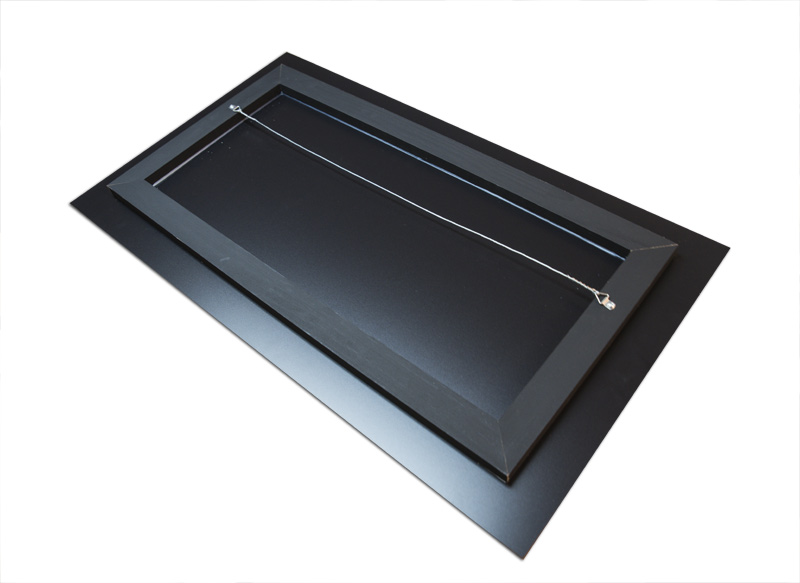
Impression pleine et montage avec un cadre flottant à l’arrière de 3/4 pouce d’épaisseur avec fil de suspension. 
16 x 16 pouces
41 x 41 cm
Aperçu de l’image
$310
20 x 20 pouces
51 x 51 cm
Aperçu de l’image
$414
24 x 24 pouces
62 x 62 cm
Aperçu de l’image
$541
30 x 30 pouces
77 x 77 cm
Aperçu de l’image
$774
36 x 36 pouces
92 x 92 cm
Aperçu de l’image
$1059
42 x 42 pouces
108 x 108 cm
Aperçu de l’image
$1768
48 x 48 pouces
123 x 123 cm
Aperçu de l’image
$2157

  Impression sur métal brossé avec entretoises
Imprimé jusqu’au bord et prêt à être accroché, avec 4 cylindres (entretoises) en aluminium ( les vis murales sont incluses )
16 x 16 pouces
41 x 41 cm
Aperçu de l’image
$310
20 x 20 pouces
51 x 51 cm
Aperçu de l’image
$414
24 x 24 pouces
62 x 62 cm
Aperçu de l’image
$541
30 x 30 pouces
77 x 77 cm
Aperçu de l’image
$774
36 x 36 pouces
92 x 92 cm
Aperçu de l’image
$1059
42 x 42 pouces
108 x 108 cm
Aperçu de l’image
$1768
48 x 48 pouces
123 x 123 cm
Aperçu de l’image
$2157


HD ChromaLuxe Impression de Sublimation Métal haute brillance

360 View
A.P.Polo - Circularium  Impression métal HD avec cadre flottant sur le dos
🔄

Chargement de la visionneuse 3D...

Cliquez et faites glisser pour faire pivoter • Faites défiler pour zoomer

A.P.Polo - Circularium Impression de sublimation métal HD
A.P.Polo - Circularium Impression metal

Brillance des couleurs, durabilité supérieure et qualités archivistiques
Cette oeuvre est produite sur une sublimation de colorant Chromaluxe panneau en métal haute définition  
Vidéo
[+]

  Impression de Sublimation Hi-Gloss sur métal blanc avec cadre arrière
Impression pleine et montage avec un cadre flottant à l’arrière de 3/4 pouce d’épaisseur avec fil de suspension. 
16 x 16 pouces
41 x 41 cm
Aperçu de l’image
$386
18 x 18 pouces
46 x 46 cm
Aperçu de l’image
$457
20 x 20 pouces
51 x 51 cm
Aperçu de l’image
$535
24 x 24 pouces
62 x 62 cm
Aperçu de l’image
$718
30 x 30 pouces
77 x 77 cm
Aperçu de l’image
$1053
36 x 36 pouces
92 x 92 cm
Aperçu de l’image
$1463

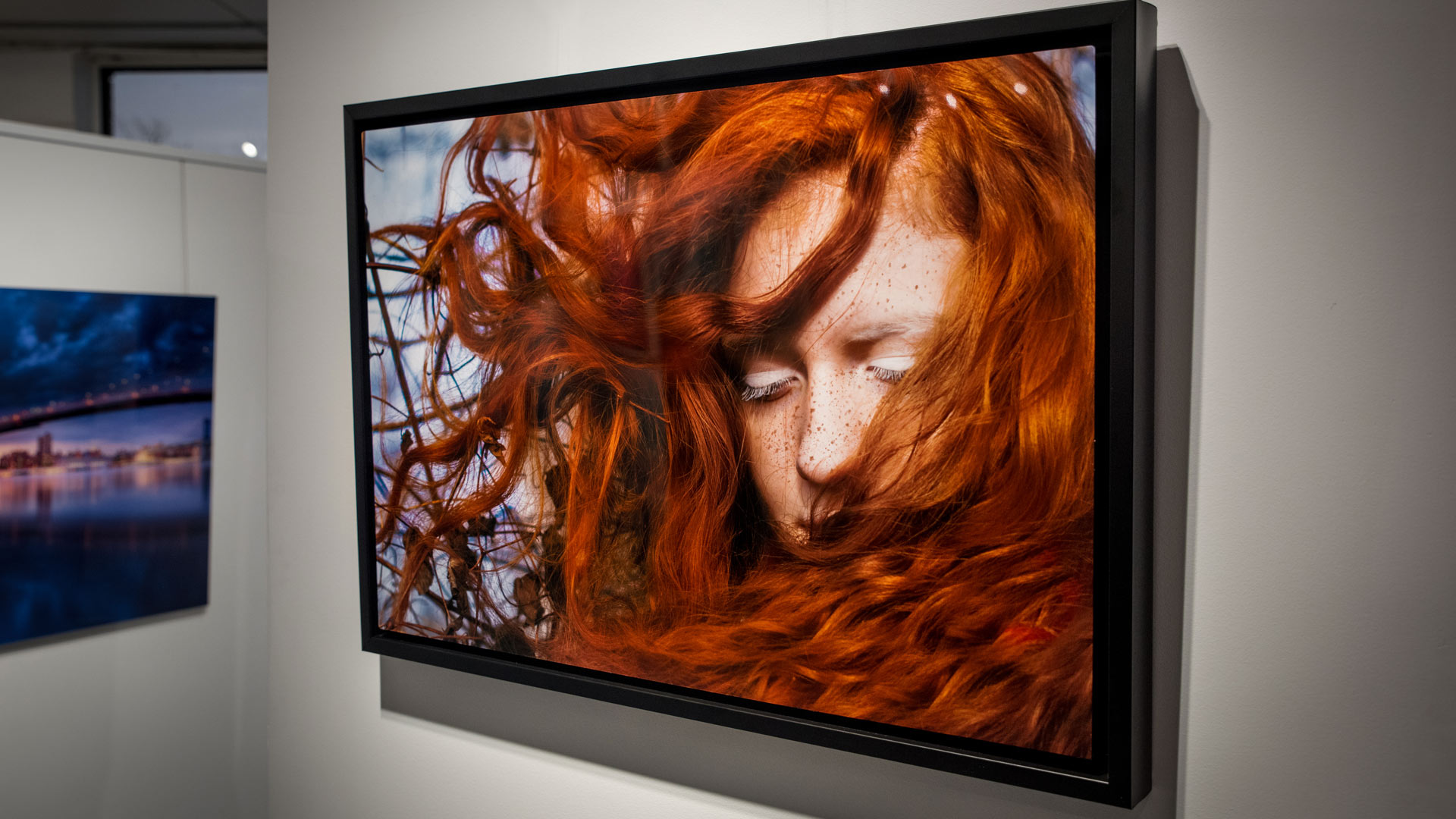
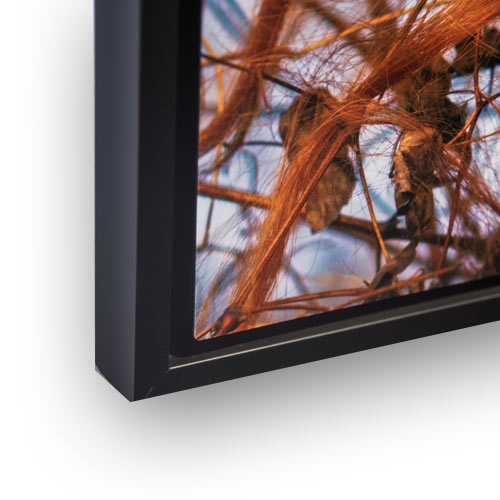
  Impression de Sublimation Hi-Gloss sur métal blanc avec cadre décoratif
À l’intérieur d’un cadre de décoration (boîte)-cadre flottant noir
16 x 16 pouces
41 x 41 cm
Aperçu de l’image
$461
18 x 18 pouces
46 x 46 cm
Aperçu de l’image
$547
20 x 20 pouces
51 x 51 cm
Aperçu de l’image
$641
24 x 24 pouces
62 x 62 cm
Aperçu de l’image
$855
30 x 30 pouces
77 x 77 cm
Aperçu de l’image
$1237
36 x 36 pouces
92 x 92 cm
Aperçu de l’image
$1694


Impression sur bois

360 View
A.P.Polo - Circularium  Impression sur bois
🔄

Chargement de la visionneuse 3D...

Cliquez et faites glisser pour faire pivoter • Faites défiler pour zoomer

A.P.Polo - Circularium Impression sur bois

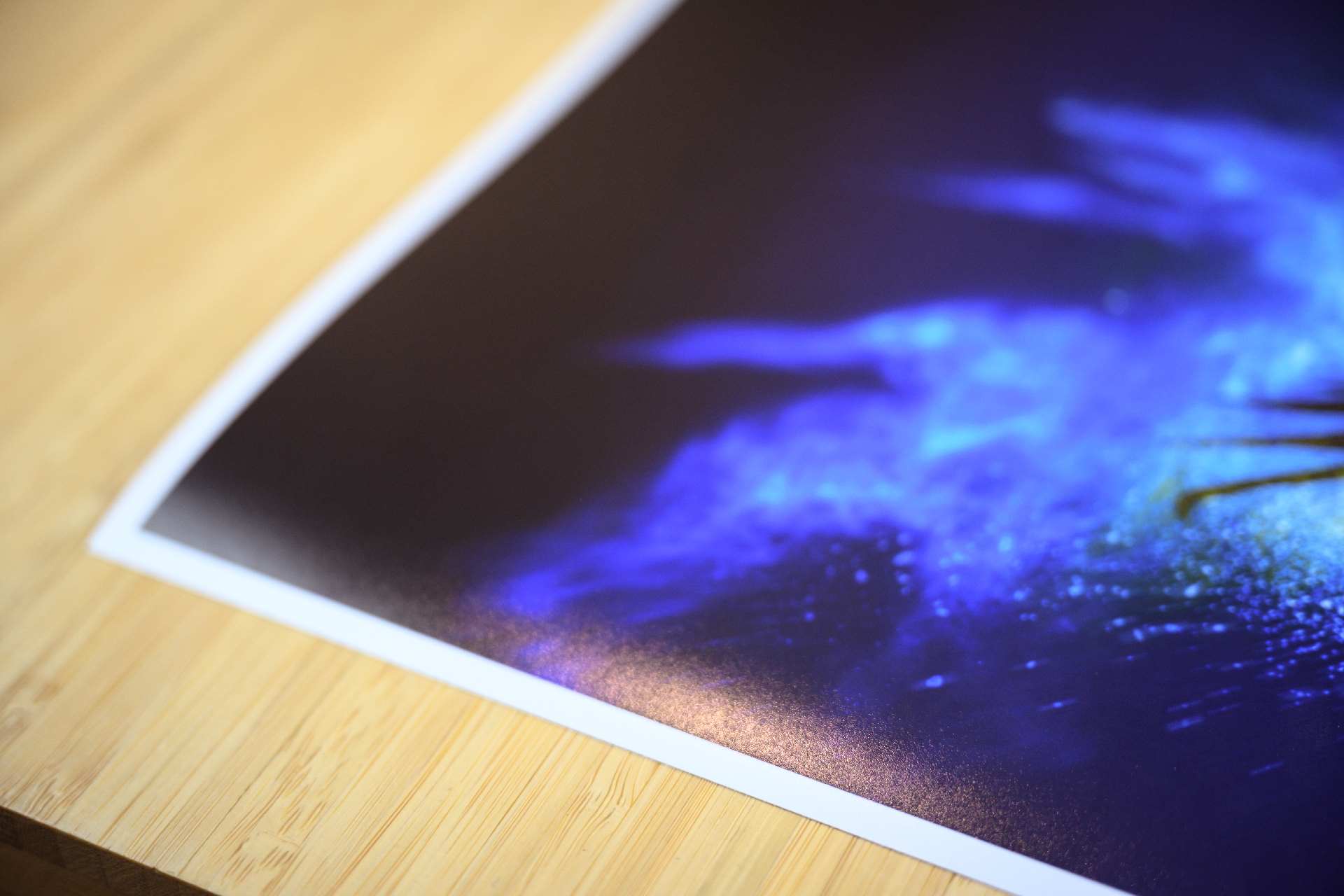
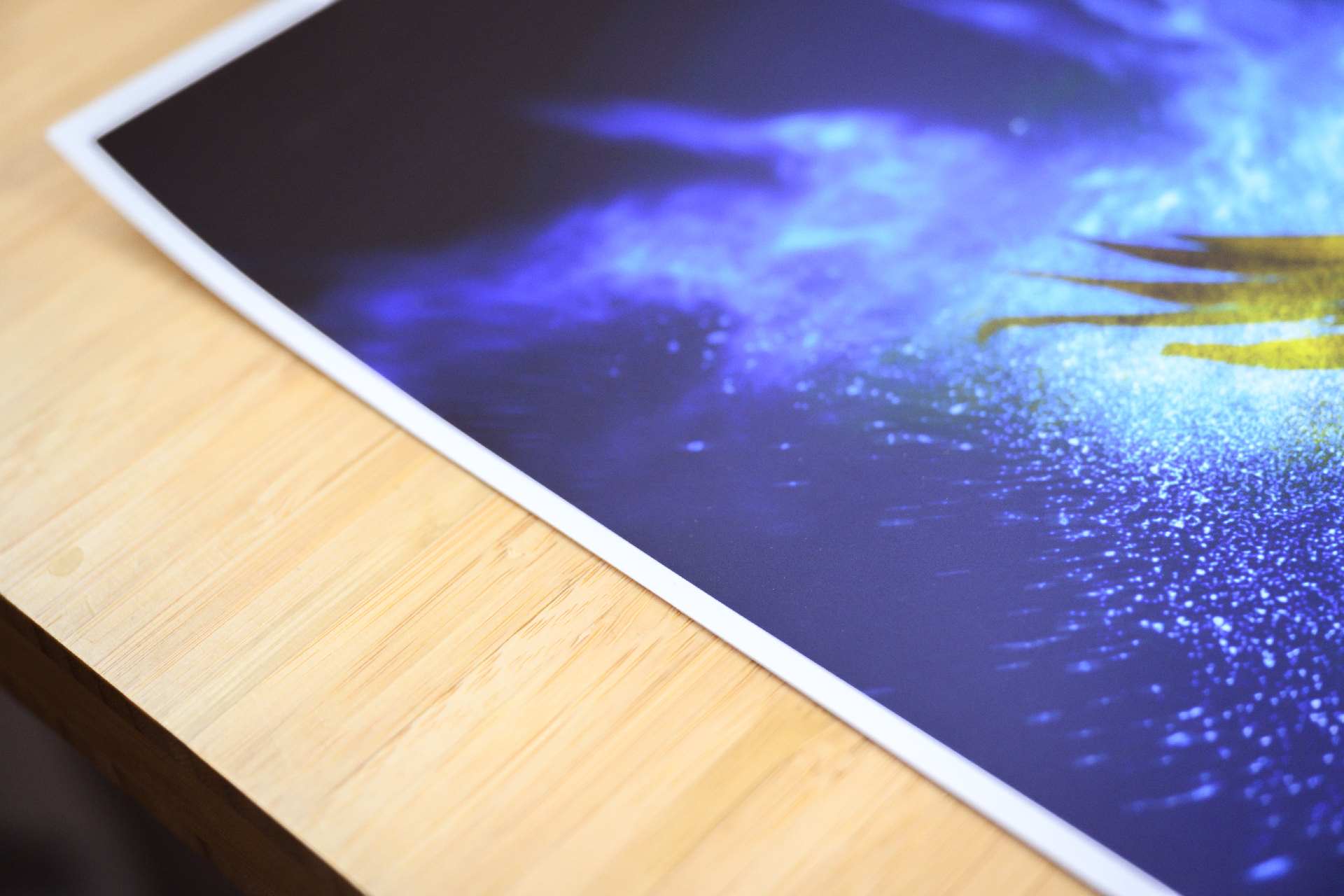
Imprimé avec des encres UV qui procurent une qualité d’image incroyable et qui résistent aux égratignures. Les couleurs ne pâliront pas à travers le temps.
Les zones blanches et très claires ne sont pas imprimées sur le bois, révélant la beauté naturelle de la texture du bois
Imprimé sur un bois large de 3/8 de pouces ( 9mm). Ce bois préparé à partir de merisier russe, il est durable et robuste. [+]

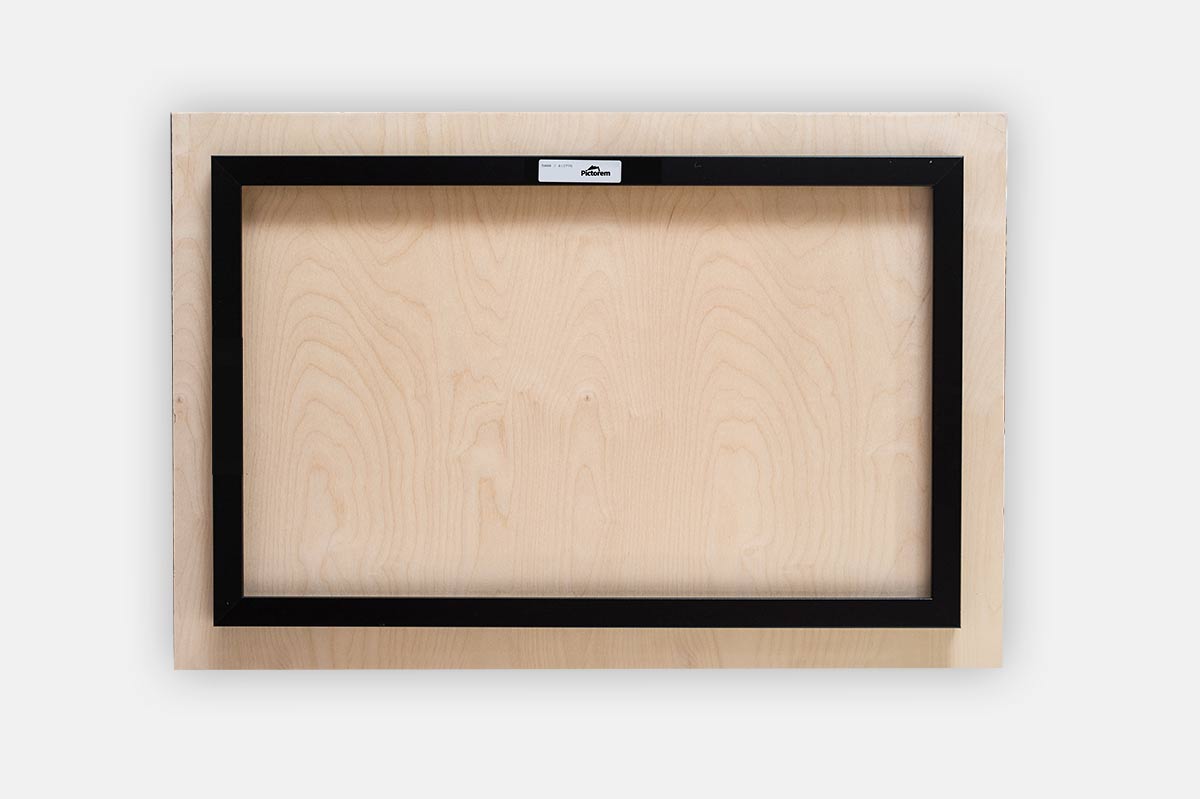
Impression sur bois avec cadre flottant arrière
Impression pleine et montage avec un cadre flottant à l’arrière  
Vidéo
[+]
16 x 16 pouces
41 x 41 cm
Aperçu de l’image
$290
20 x 20 pouces
51 x 51 cm
Aperçu de l’image
$385
24 x 24 pouces
62 x 62 cm
Aperçu de l’image
$501
30 x 30 pouces
77 x 77 cm
Aperçu de l’image
$714
36 x 36 pouces
92 x 92 cm
Aperçu de l’image
$975
42 x 42 pouces
108 x 108 cm
Aperçu de l’image
$1656
48 x 48 pouces
123 x 123 cm
Aperçu de l’image
$2011


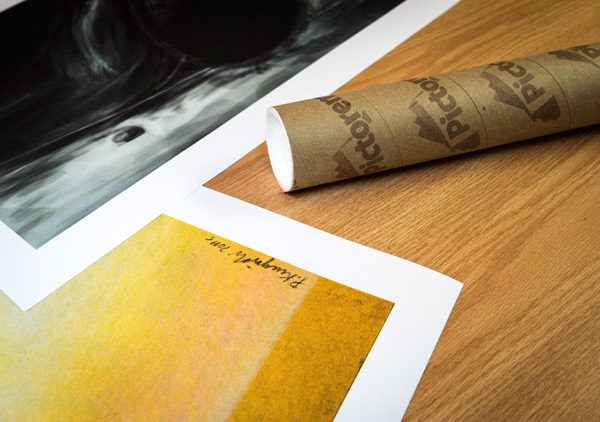
Impression en Rouleau.

Nous expédions dans le monde entier!

Impression sur toile giclée Livrée en rouleau
 
Imprimé sur du papier peint mat Fine Art - Fourni à l’intérieur d’un tube d’expédition solide [+]
16 x 16 pouces
41 x 41 cm
Aperçu de l’image
$111
20 x 20 pouces
51 x 51 cm
Aperçu de l’image
$138
24 x 24 pouces
62 x 62 cm
Aperçu de l’image
$172
30 x 30 pouces
77 x 77 cm
Aperçu de l’image
$235
36 x 36 pouces
92 x 92 cm
Aperçu de l’image
$311
42 x 42 pouces
108 x 108 cm
Aperçu de l’image
$401
48 x 48 pouces
123 x 123 cm
Aperçu de l’image
$506
55 x 55 pouces
141 x 141 cm
Aperçu de l’image
$645


Papier giclée sans acide de première qualité
 
Imprimé sur papier photo satiné - ( Affiche ) Fourni à l’intérieur d’un tube d’envoi Strong [+]
16 x 16 pouces
41 x 41 cm
Aperçu de l’image
$90
20 x 20 pouces
51 x 51 cm
Aperçu de l’image
$106
24 x 24 pouces
62 x 62 cm
Aperçu de l’image
$126
30 x 30 pouces
77 x 77 cm
Aperçu de l’image
$163
36 x 36 pouces
92 x 92 cm
Aperçu de l’image
$207
42 x 42 pouces
108 x 108 cm
Aperçu de l’image
$260
48 x 48 pouces
123 x 123 cm
Aperçu de l’image
$321
55 x 55 pouces
141 x 141 cm
Aperçu de l’image
$403


Giclée Art Matte Paper Print
 
Imprimé sur un papier mat d’archives de qualité supérieure avec une texture lisse et un blanc neutre - Fourni à l’intérieur d’un tube d’expédition Strong [+]
16 x 16 pouces
41 x 41 cm
Aperçu de l’image
$118
20 x 20 pouces
51 x 51 cm
Aperçu de l’image
$149
24 x 24 pouces
62 x 62 cm
Aperçu de l’image
$188
30 x 30 pouces
77 x 77 cm
Aperçu de l’image
$259
36 x 36 pouces
92 x 92 cm
Aperçu de l’image
$347
42 x 42 pouces
108 x 108 cm
Aperçu de l’image
$450


Impression murale

Facile à installer. Vinyle auto-adhésif, lavable et repositionnable [+]
Vidéo
Pour obtenir le prix de votre murale, Entrez les mesures de votre mur :

POUCE PIED CM
Largeur: in.
Hauteur : in.
Width: ft in
Heigth: ft in
Width: cm
Heigth: cm


Notre technologie de 10 couleurs
Nos peintures murales sont produites sur des imprimantes avec une qualité d’impression photographique exceptionnelle. Une résolution d’image extrême : qualité d'image photographique
avec la gamme de couleurs plus grande de sa catégorie

Facile à installer
Notre impression murale peut être enlevée sans aucun dommage à vos murs. Facile à modifier ou à supprimer. Nous utilisons un média de 6 mil auto-adhésif en vinyle avec une texture subtile de lin-coton.
Changer l’apparence d’une pièce sans avoir à utiliser du papier peint traditionnel. Nos impressions murales deviennent la solution parfaite pour améliorer facilement n’importe quel espace résidentiel ou commercial !

Vinyle autocollant repositionnable livré par bande de 35 à 45 pouces de largeur qui se chevauchent légèrement pour faciliter l’installation.
[Plus d’infos sur nos impressions murales]
Impression encadrée Afficher en 3D

Pour obtenir "A.P.Polo - Circularium" dans une impression encadrée.
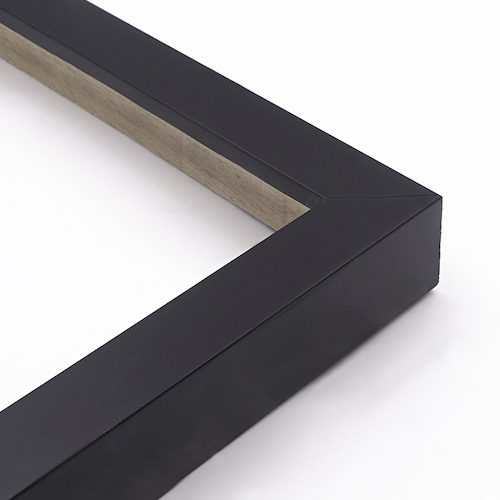
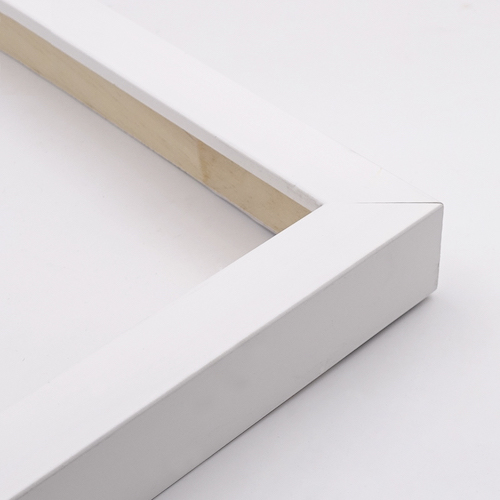
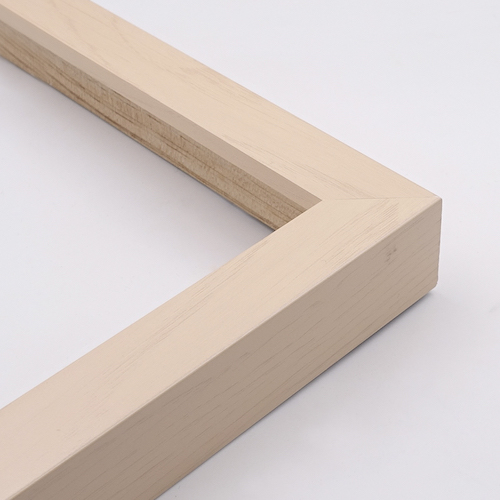
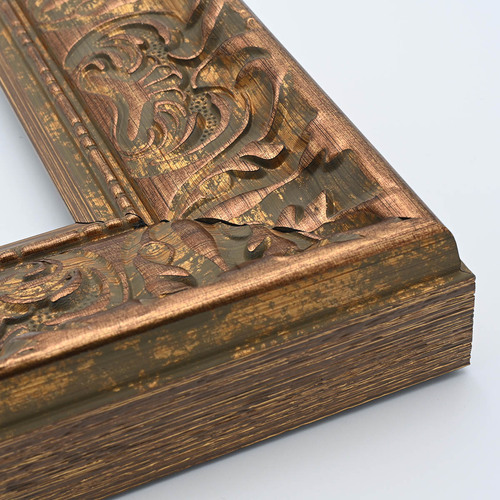
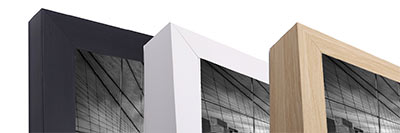
Entièrement personnalisable - à la taille exacte que vous désirez. Sélectionnez le type de papier, le verre, le mat et le cadre de décoration
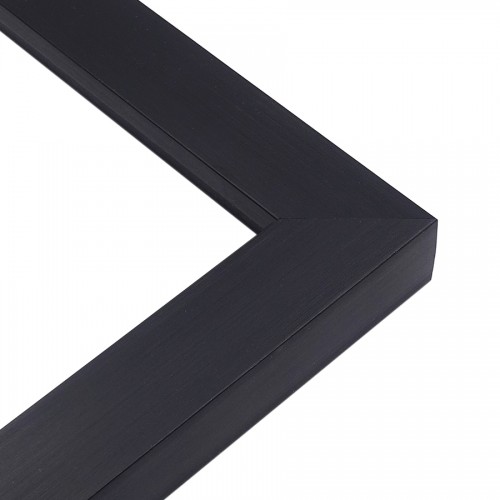
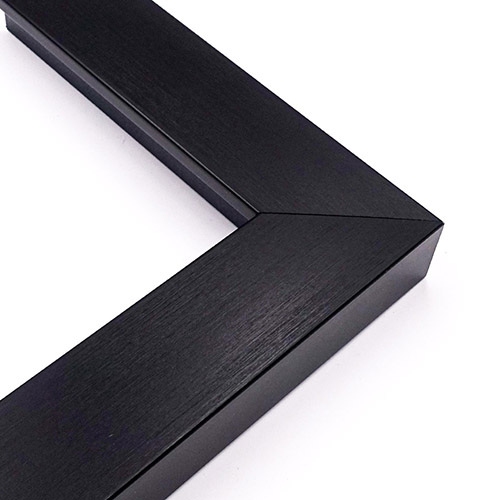
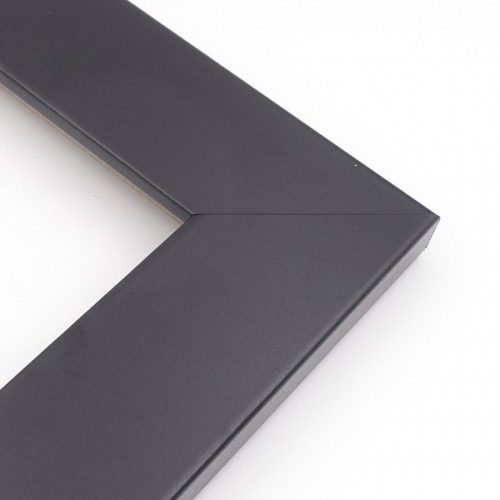
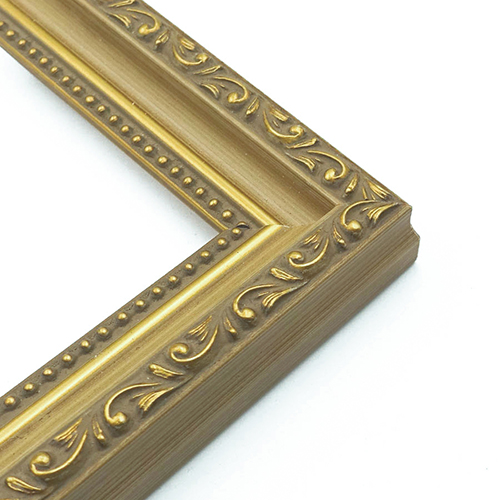
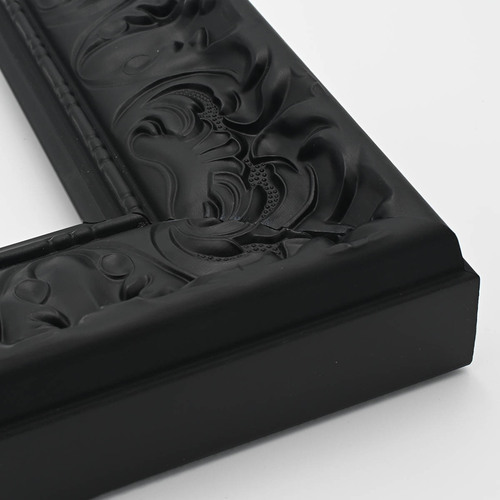
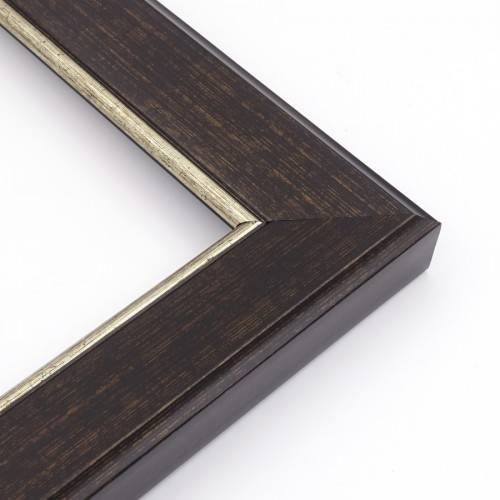
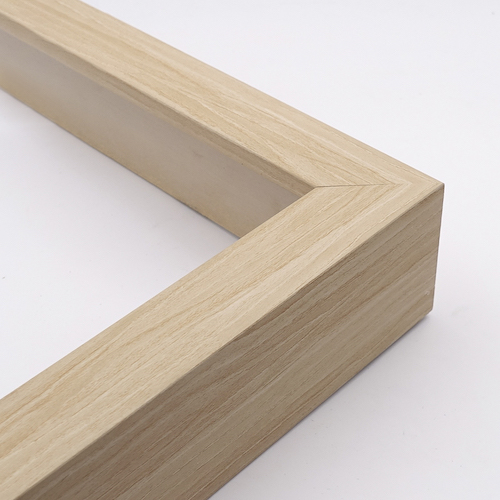
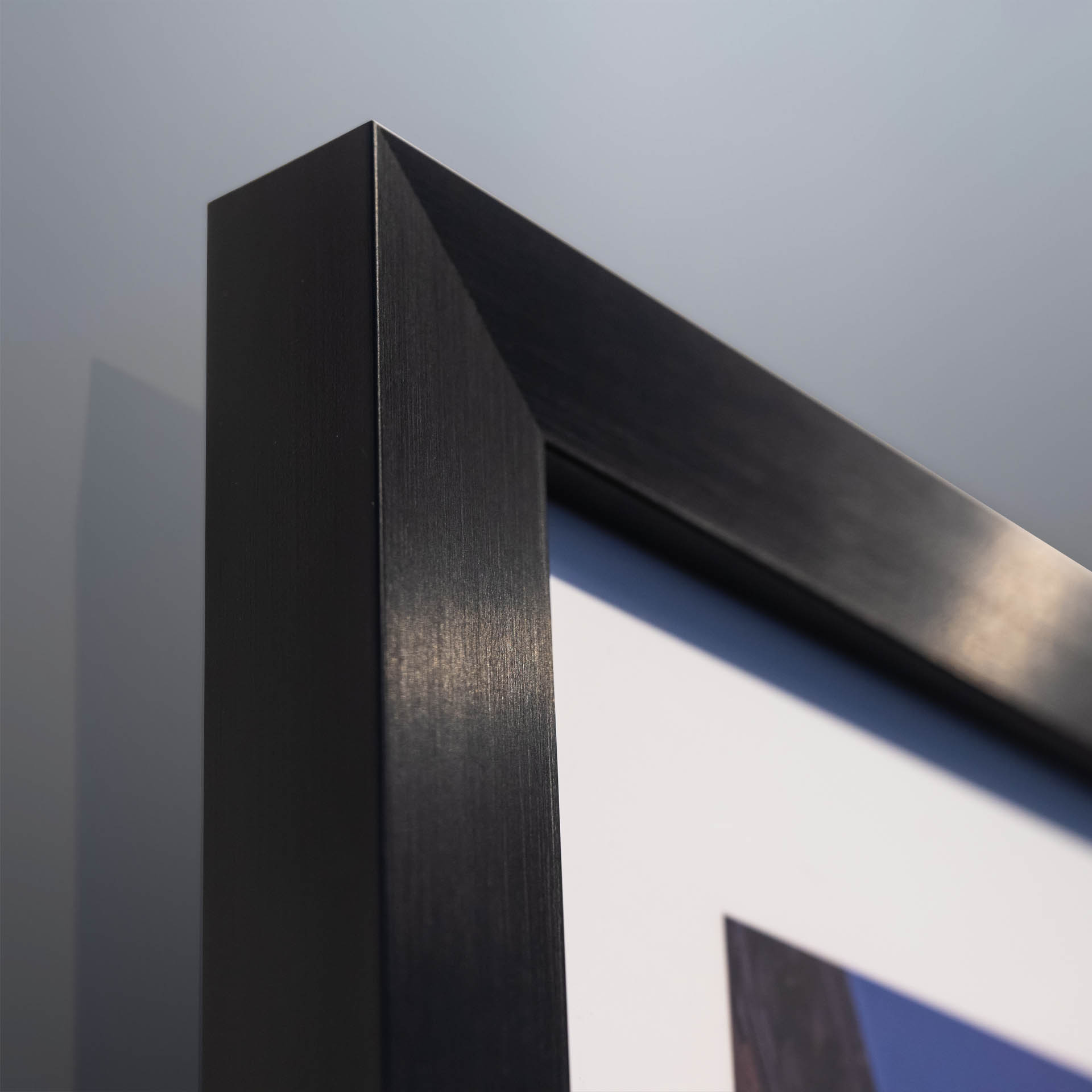
Commencez à construire votre impression encadrée personnalisée en sélectionnant l’une des moulures suivantes:
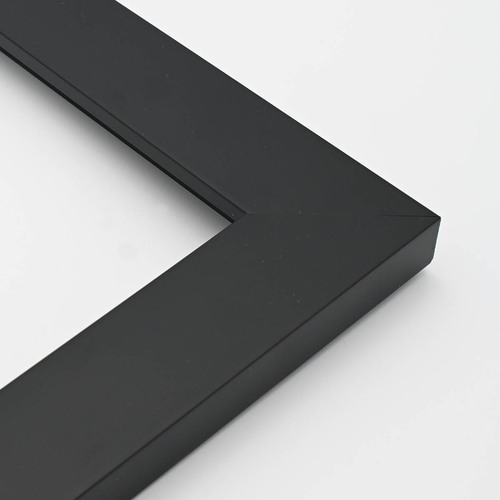
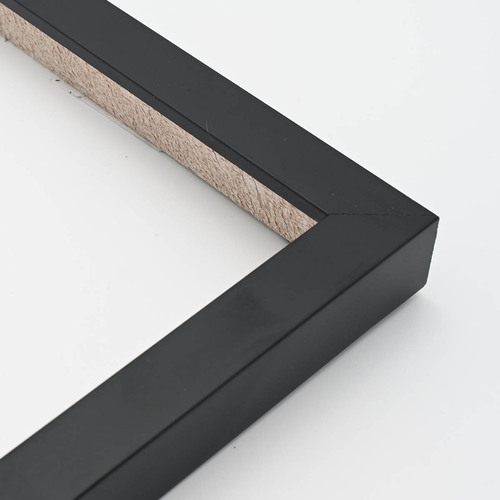
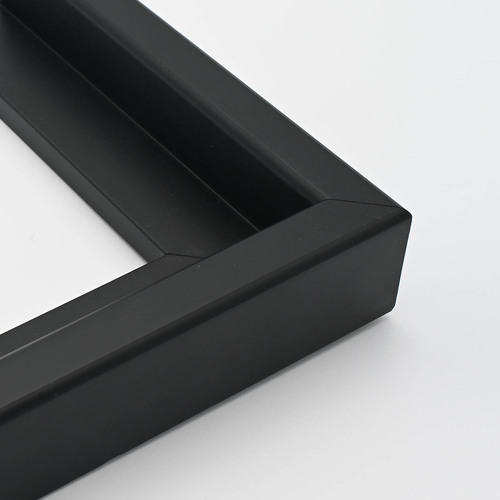
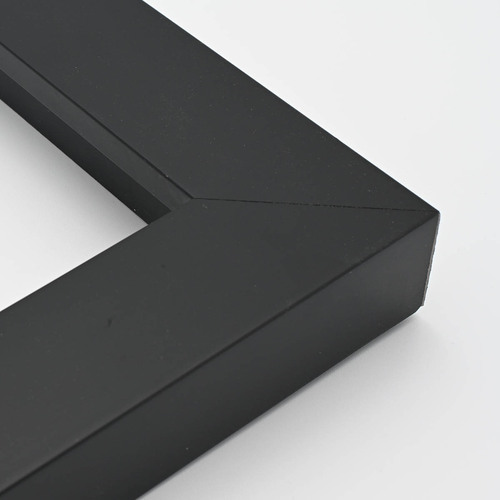
A.P.Polo - Circularium Cadre photo
Modèle de cadre illustré : 832-745

MOULURE DÉCORATIVES
MOULURE DÉCORATIVES
MOULURE DÉCORATIVES
MOULURE DÉCORATIVES
MOULURE DÉCORATIVES
MOULURE DÉCORATIVES
MOULURE DÉCORATIVES
MOULURE DÉCORATIVES
MOULURE DÉCORATIVES
MOULURE DÉCORATIVES
MOULURE DÉCORATIVES
MOULURE DÉCORATIVES
MOULURE DÉCORATIVES
MOULURE DÉCORATIVES
MOULURE DÉCORATIVES

Impression encadrée de format standard

   [+]  
Vidéo

28 x 28"
$388
28 x 28" Framed Print Afficher en 3D

A.P.Polo - Circularium Impression du cadre
Surface imprimée: 24 x 24"
Total Intérieur de la surface: 28.00 x 28.00"
Bordure blanche: 2" on each side
Largeur de l'image: 1.25" on each side
Dimension physique totale: 29.25 x 29.25"

Frame model: 832-745
Printing method: 1200dpi UV cured ink on fine art matte board
Ready to hang with wire at the back

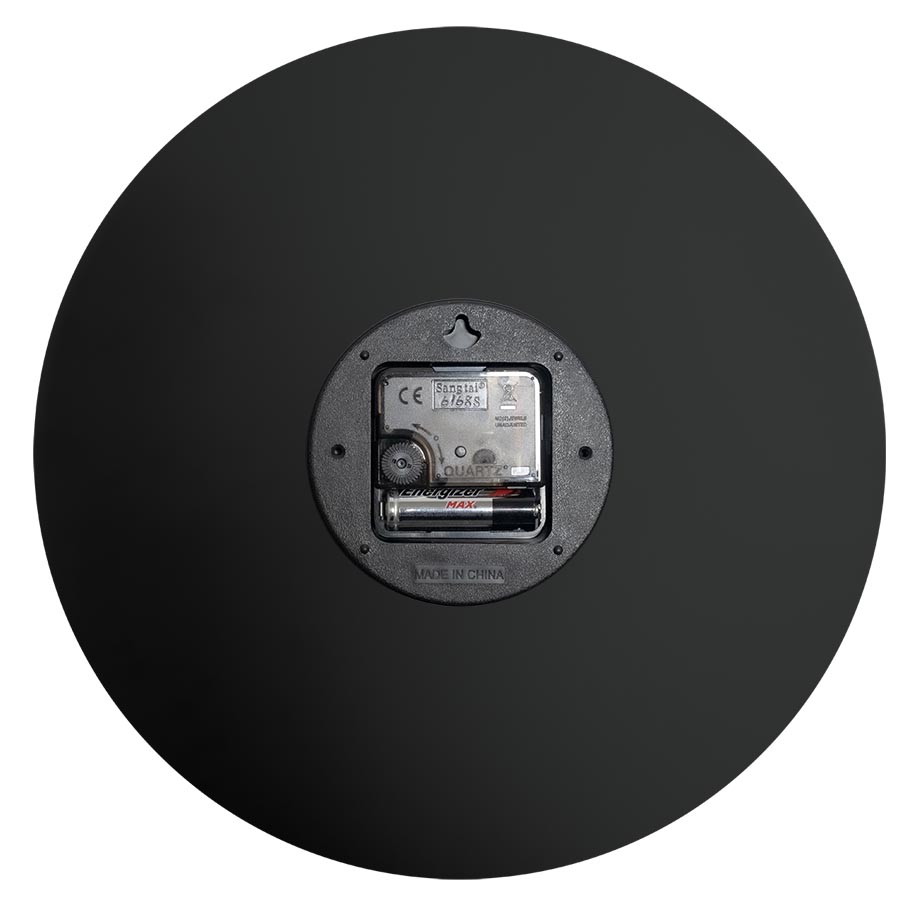
Horloge murale

Détails du produit

Cette œuvre d'art est réalisée en acrylique de haute qualité Prêt à être accroché.   
Vidéo

Mécanisme d'horloge avec un mouvement à quartz précis. Pile incluse
Disponible en format carré ou rond
Disponible en 12" 16" 24"

Créer le vôtre

Téléchargement Numérique

Résolution du fichier: 8333 x 8333 pixels


SUR CETTE OEUVRE: A.P.POLO - CIRCULARIUM
A.P.Polo - "Circularium" - Hamburg (Germany) - Drawing / Mixed Media / New Media Art. Abstract, geometric, contemporary work that captivates through its intense colouring and creates a complex structure within the classical object of Euclidean geometry, the circle, through the skilful use of light and shadow. It can be classified as concrete art, which takes up reminiscences of Op Art. A circle is a plane geometric figure. It is defined as the set of all points in a plane that are at a constant distance from a given point in that plane (the centre). The distance of the points of the circle from the centre is the radius or radius of the circle, it is a positive real number. The circle is one of the classical and fundamental objects of Euclidean geometry. The ancient Egyptians and Babylonians already tried to approximate the area of the circle. In ancient Greece, the circle attracted interest because of its perfection. Archimedes tried unsuccessfully to convert the circle into a square with the same area using the tools of the compass and ruler in order to be able to determine the area of the circle (see squaring the circle). It was not until 1882 that Ferdinand von Lindemann was able to show that this task was unsolvable by proving a special property of the circle number. Along with the point and the straight line, the circle is one of the oldest elements of pre-Greek geometry. Already four thousand years ago, the Egyptians dealt with it in their studies of geometry. They were able to approximate the area of a circle by subtracting a ninth of its length from the diameter and multiplying the result by itself, thus determining approximately (with a deviation of only about +0.6 %) the area of a circular surface. This approximation was found in the ancient Egyptian treatise Papyrus Rhind; it can be obtained by approximating the circle by an irregular octagon. The Babylonians (1900 to 1600 BC) used a completely different method to calculate the area of the circular disc. Unlike the Egyptians, they started from the circumference of the circle, which they estimated as three times the diameter of the circle. The area was then estimated as one twelfth of the square of the circumference, i.e. with a deviation of -4.5 % a significantly worse result. However, the Babylonians were already working with circular segments. They were able to calculate the length of the chord or the height of the circular segment (the distance between the chord and the circumference that is perpendicular to the centre of the chord). This was the foundation of chord geometry, which was later developed further by Hipparchus and which Claudius Ptolemy placed at the beginning of his astronomical textbook Almagest. The Greeks are usually regarded as the founders of the science of nature. Thales of Miletus (624-546 BC) is considered to be the first important philosopher of this time who dealt with mathematics. He brought knowledge about geometry from Egypt to Greece, such as the statement that the diameter halves the circle. Other statements about geometry were made by Thales himself. The theorem now named after Thales states that peripheral angles in a semicircle are right angles. In particular, Thales was the first to come up with the concept of an angle. The first known definition of the circle goes back to the Greek philosopher Plato (428/427-348/347 BC), which he formulated in his dialogue Parmenides: "Round, after all, is that whose outermost parts are everywhere equidistant from the centre." The Greek mathematician Euclid of Alexandria lived around 300 years before Christ. Little is known about him, but his work in the field of geometry was remarkable. His name is still used today in contexts such as Euclidean space, Euclidean geometry or Euclidean metrics. His most important work was The Elements, a thirteen-volume treatise in which he summarised and systematised the arithmetic and geometry of his time. He deduced mathematical statements from postulates and thus founded Euclidean geometry. The third volume of the Elements dealt with the doctrine of the circle. Archimedes, who probably lived in Sicily between 287 BC and 212 BC, wrote a detailed treatise entitled Circle Measurement. In this work, he proved that the area of a circle is equal to the area of a right triangle with the radius of the circle as one side and the circumference of the circle as the other side. The area of the circle can therefore be given as ½ - radius - circumference. With this insight, he traced the problem of squaring the circle back to the question of the constructibility of the circumference from the given radius. In his treatise Circle Measurement, Archimedes was also able to show that the circumference of a circle is greater than 310/71 and less than 31/7 of the diameter. For practical purposes, this approximation 22/7 (~ 3.143) is still used today. From these two statements, one concludes that the area of a circle to the square of its diameter is almost like 11/14. Euclid already knew that the area of a circle is proportional to the square of its diameter. Archimedes gives a good approximation of the constant of proportionality here. In another work on spirals, Archimedes describes the construction of the Archimedean spiral, which was later named after him. With this construction, Archimedes was able to measure the circumference of a circle on a straight line. In this way, the area of a circle could now be determined exactly. However, this spiral cannot be constructed with a compass and ruler. Apollonios of Perge lived about 200 years before Christ. In his conic section theory Konika, he understood, among other things, the ellipse and the circle as sections of a straight circular cone - exactly as it is still defined today in algebraic geometry. His findings can be traced back to his predecessors Euclid and Aristaios (around 330 BC), whose treatises on conic sections have not survived. The Apollonian problem of constructing the circles that touch three given circles using the Euclidean tools ruler and compass is still named after Apollonios. However, compared to Euclid's Elements, which also formed the basis of geometry in the Middle Ages, Apollonios' works initially only attracted attention in the Islamic world. In Western Europe, his books only gained greater importance in the 17th century, when Johannes Kepler recognised the ellipse as the true orbit of a planet around the sun. Concrete art was an art movement with a strong emphasis on geometrical abstraction. The term was first formulated by Theo van Doesburg and was then used by him in 1930 to define the difference between his vision of art and that of other abstract artists of the time. "The work of art must be completely conceived and shaped in the mind before it is executed. It must contain nothing of the formal realities of nature, the senses and the feelings. We want to eliminate lyricism, drama, symbolism and so on. The picture must be constructed exclusively from plastic elements, i.e. from surfaces and colours. A picture element has no other meaning than itself. For we have left the time of searching and speculative experiments behind us. In the search for purity, artists were forced to destroy the natural form. Today the idea of the art form is as obsolete as the idea of the natural form. We foresee the time of pure painting. For nothing is more concrete, more real, than a line, a colour, a surface. Concrete and not abstract painting. For the spirit has reached the state of maturity. It needs clear, intellectual means to manifest itself in a concrete way. Colour is the basic substance of painting; it means only itself. Painting is a means of realising thought in a visual way: Every painting is a colour thought. Before the work is transformed into matter, it exists in a complete way in consciousness. It is also necessary that the realisation has a technical perfection equal to that of the mental design. We work with the quantities of mathematics - Euclidean or non-Euclidean - and science, that is: with the means of thought." "Painting is a means of realising thought in an optical way". After his death in 1931, the term was further defined and popularized by Max Bill, who organized the first international exhibition in 1944 and went on to help promote the style in Latin America. The term was taken up widely after World War 2 and promoted through a number of international exhibitions and art movements. Around 1903, a major turning point in art began. Painting and sculpture became increasingly distant from visible reality. Henri Matisse said that when you look at a painting, you have to completely forget what it represents. It is art that grants form, colour and pictorial composition far-reaching autonomy from the representational. This movement away from the world of the visible was called abstraction. It is about concentrating on the essential, the necessary. From 1910 onwards, an art emerged that consistently pursued the path of abstraction. Every remnant of representation, pictorial or figurative, was rejected: "Could such an art - which had obviously become completely independent - still be called an extreme form of abstraction, integral or total abstraction? Was there not something fundamentally new, a complete autonomy of pictorial design?" Wassily Kandinsky stated that art now only followed its own, art-immanent laws. It was an art of pure non-objectivity. Quote: "The new art has brought to the fore the principle that art can only have itself as its content. Thus we do not find in it the idea of anything, but only the idea of art itself, of its self-content. Art's very own idea is its non-objectivity." In 1930, Michel Seuphor had defined the role of the abstract artist in the first issue of Cercle et Carré. It was “to establish, on the foundations of a structure that is simple, severe and unadorned in every part, and within a basis of unconcealed narrow unity with this structure, an architecture which, using the technical means available to its period, expresses in a clear language that which is truly immanent and immutable.” The art historian Werner Haftmann traces the development of the pure abstraction proposed by Seuphor to the synthesis of Russian Constructivism and Dutch Neo-Plasticism in the Bauhaus, where painting abandoned the artificiality of representation for technological authenticity. “In close connection with architecture and engineering, art should endeavour to give form to life itself. The former provided new sources of inspiration as well as new materials – steel, aluminium, glass, synthetic materials.” As van Doesburg had pointed out in his manifesto, in order to be universal, art must abandon subjectivity and find impersonal inspiration purely in the elements of which it is constructed: line, plane and color. Some later artists associated with this tendency, such as Victor Vasarély, Jean Dewasne, Mario Negro and Richard Mortensen, only came to painting after first studying science. Nevertheless, all theoretical advances seek justification in past practice, and in this case the mathematical proportions expressed in abstract form are to be identified in various art forms over millennia. Thus, argued Haftmann, “the elimination of representational images and the overt use of pure geometry do not imply a radical and definitive rejection of the great art of the past, but rather a reassertion of its eternal values stripped of their historical and social disguises.” While Abstraction-Création was a grouping of all modernistic tendencies, there were those within it who carried the idea of mathematically inspired art and the term ‘concrete art’ to other countries when they moved elsewhere. A key figure among them was Joaquin Torres García, who returned to South America in 1934 and mentored artists there. Some of those went on to found the group Arte Concreto Invención in Buenos Aires in 1945. Another was the designer Max Bill, who had studied at the Bauhaus in 1927-9. After returning to Switzerland, he helped organize the Allianz group to champion the ideals of Concrete Art. In 1944 he organized the first international exhibition in Basle and at the same time founded abstract-konkret, the monthly bulletin of the Gallerie des Eaux Vives in Zurich. By 1960 Bill was organizing a large retrospective exhibition of Concrete Art in Zürich illustrating 50 years of its development. In 1949, Max Bill formulated the goal of Concrete Art in his introduction to the catalogue of the Zurich Concrete Art exhibition: "The goal of Concrete Art is to develop objects for intellectual use, in a similar way to how man creates objects for material use. In its ultimate consequence, concrete art is the pure expression of harmonious measure and law. It orders systems and gives life to these orders by artistic means".

Cette oeuvre peut être expédiée partout dans le monde lorsqu’elle est commandée en rouleau ( affiche ou toile )
Tout autre format, y compris la toile tendue, l'acrylique, etc., n'est expédié qu'aux États-Unis continentaux et au Canada (frais de port gratuits)

Signaler cette œuvre d'art
Imprimez en Un Plantez en Un
Un arbre planté pour chaque impression.  Pictorem soutient Trees for the Future, une organisation à but non lucratif 501 (c) 3, qui gère un programme agroforestier pour restaurer les arbres sur les terres dégradées en travaillant avec les petits agriculteurs.

CRÉER UN COMPTE

COMPTE UTILISATEUR OUBLIÉ ?

HAUT