Chargement en cours…
ON GÉNÈRE L’IMAGE. VEUILLEZ PATIENTER …

J’aime ça
ÉDITION LIMITÉE de 50

# 416583

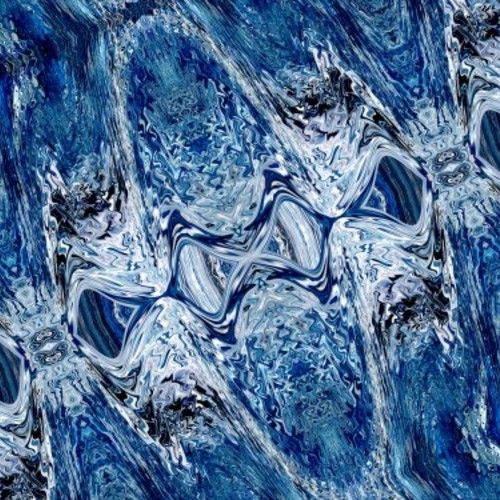
A.P.POLO - JACQUES DERRIDA


Disponible sur:
ÉDITION LIMITÉE of 50
Pictorem Reviews 4.8 Average Rating by 126.4k clients
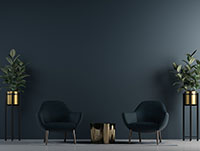
Voir cette oeuvre sur différents murs
Wall decor artwork generator Wall decor artwork generator Wall decor artwork generator


A.P.Polo - "Jacques Derrida" - Hamburg (Germany). Jacques Derrida, whose real name was Jackie Derrida, was a French philosopher who was born on 15 Ju...[+]


1246 vues


Facebook Pinterest Envoyez à un(e) ami(e)


Mots clés:
[+] expand
Chercher des images avec des couleurs dominantes similaires :

Impression Giclée sur toile

Toutes nos toiles étirées sont faites sur-mesure, à partir d’une toile d’exposition de 410g/m2 Bois large de 1.5 pouce de style “galerie”.     
Impression Giclée avec encre pigmentée conçue pour répondre aux exigences de longévité de musées et galeries et assurer l’uniformité des nuances de couleur pour plus de 200 ans. [+]

Impression sur toile étirée   Expédition aux USA & Canada
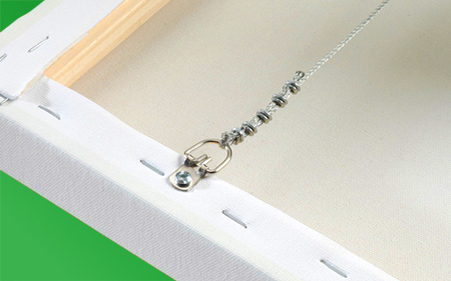
Prêt à être accroché - Tendu sur cadre en bois d’une épaisseur de 1,5 pouces.
20 x 15 pouces
51 x 38 cm
Aperçu de l’image
$185
24 x 18 pouces
62 x 46 cm
Aperçu de l’image
$222
30 x 23 pouces
77 x 59 cm
Aperçu de l’image
$292
36 x 27 pouces
92 x 69 cm
Aperçu de l’image
$369
42 x 32 pouces
108 x 82 cm
Aperçu de l’image
$471
48 x 36 pouces
123 x 92 cm
Aperçu de l’image
$544
55 x 41 pouces
141 x 105 cm
Aperçu de l’image
$991
60 x 45 pouces
154 x 115 cm
Aperçu de l’image
$1112
72 x 54 pouces
185 x 138 cm
Aperçu de l’image
$1708

Impression acrylique

360 View
🔄

Chargement de la visionneuse 3D...

Cliquez et faites glisser pour faire pivoter • Faites défiler pour zoomer
360 View
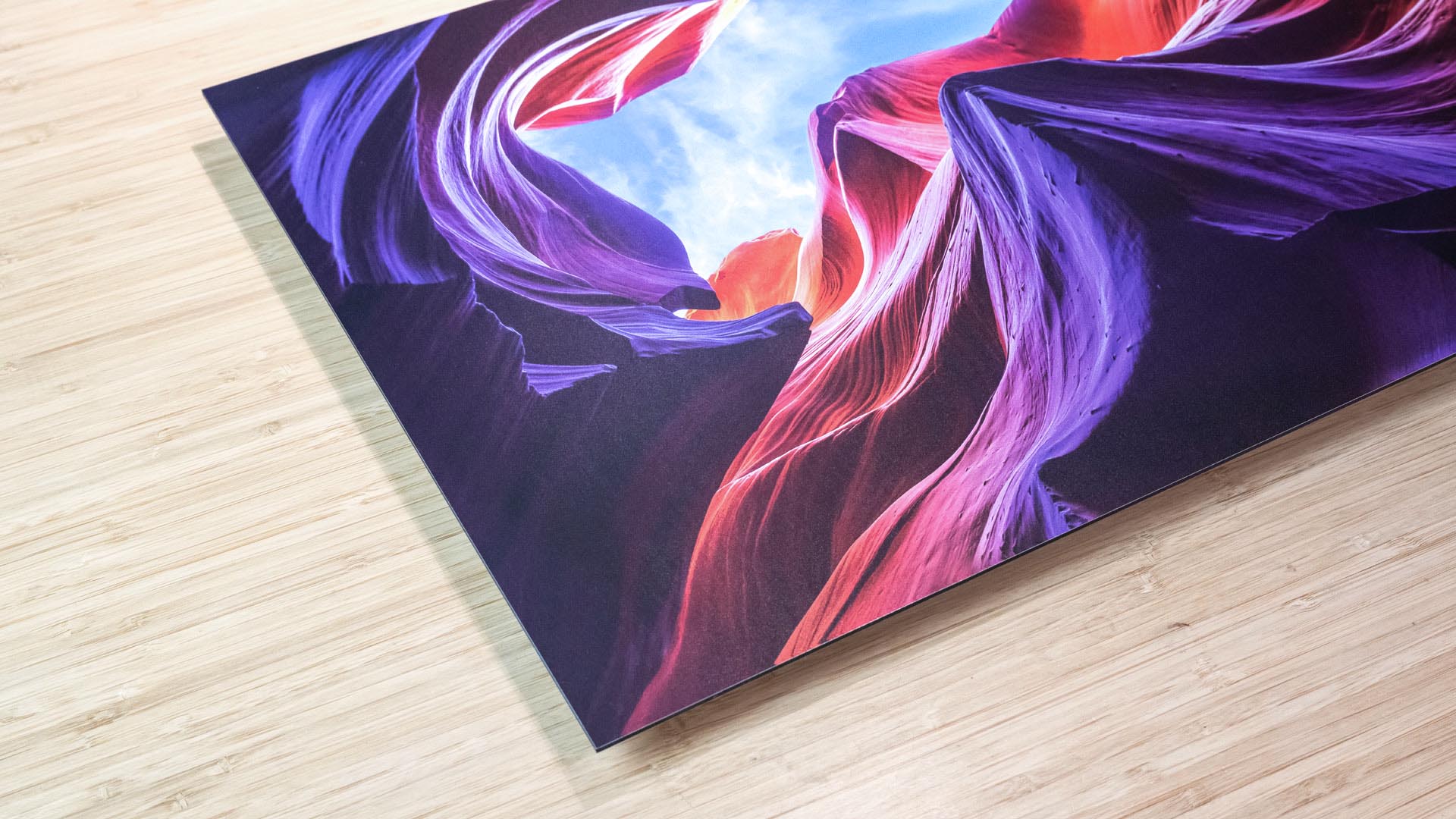
Obtenez une pièce d’art moderne avec cette impression acrylique.
Fine Art fabriqué à partir d’un acrylique poli haut de gamme, le meilleur de sa catégorie, 99,9% optiquement pur et le dernier savoir-faire d’impression à plat.  
Vidéo
[+]

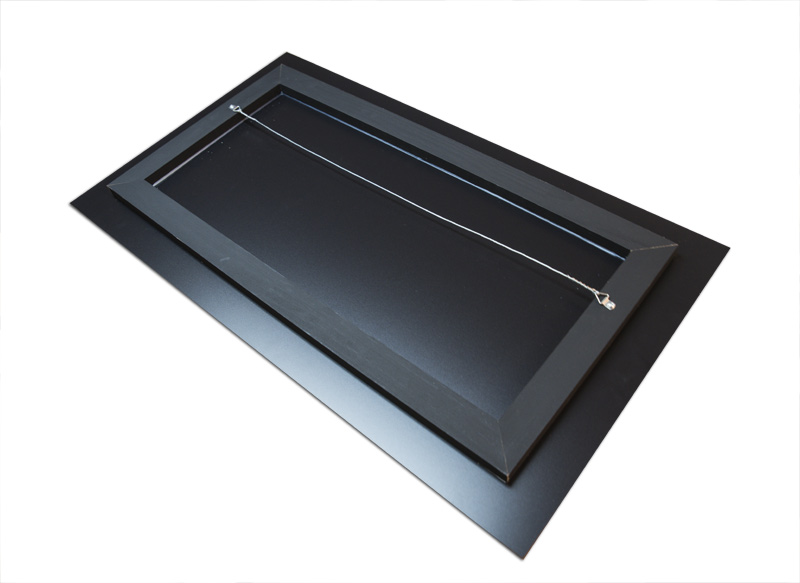
  Impression sur acrylique avec cadre flottant en arrière.
Imprimé jusqu’au bord et prêt à être accroché, avec un cadre flottant à l’arrière.     
1/8" Thickness:
20 x 15 pouces
51 x 38 cm
Aperçu de l’image
$264
24 x 18 pouces
62 x 46 cm
Aperçu de l’image
$336
30 x 23 pouces
77 x 59 cm
Aperçu de l’image
$479
36 x 27 pouces
92 x 69 cm
Aperçu de l’image
$634
42 x 32 pouces
108 x 82 cm
Aperçu de l’image
$839
48 x 36 pouces
123 x 92 cm
Aperçu de l’image
$1050
55 x 41 pouces
141 x 105 cm
Aperçu de l’image
$1611
60 x 45 pouces
154 x 115 cm
Aperçu de l’image
$1856
3/16" Thickness:
20 x 15 pouces
51 x 38 cm
Aperçu de l’image
$363
24 x 18 pouces
62 x 46 cm
Aperçu de l’image
$455
30 x 23 pouces
77 x 59 cm
Aperçu de l’image
$635
36 x 27 pouces
92 x 69 cm
Aperçu de l’image
$831
42 x 32 pouces
108 x 82 cm
Aperçu de l’image
$1091
48 x 36 pouces
123 x 92 cm
Aperçu de l’image
$1359
55 x 41 pouces
141 x 105 cm
Aperçu de l’image
$1997
60 x 45 pouces
154 x 115 cm
Aperçu de l’image
$2308

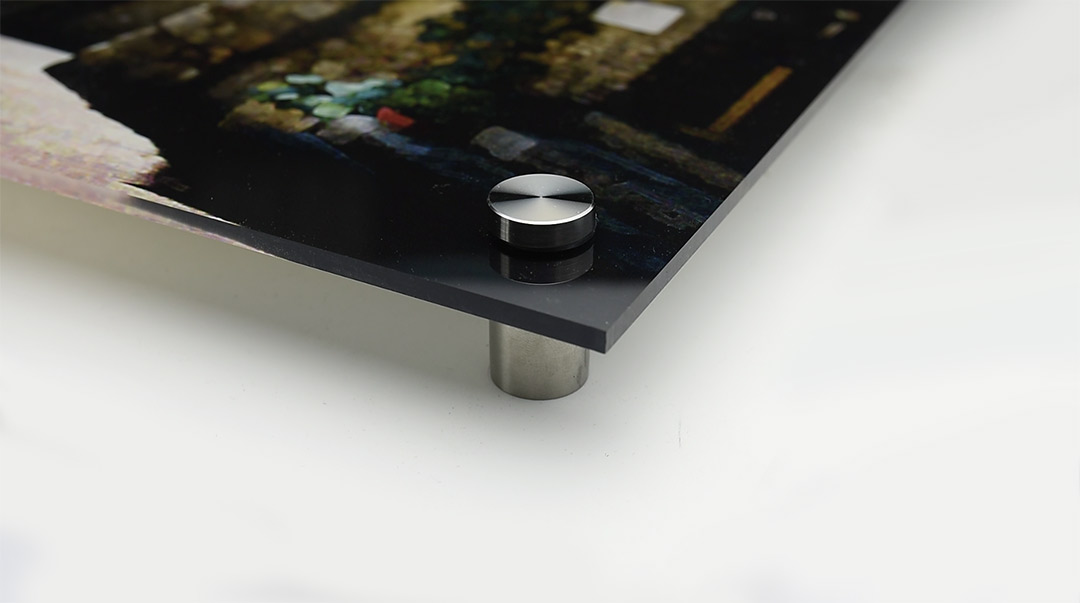
  Impression sur acrylique avec entretoises ( cylindres métalliques )
Imprimé jusqu’au bord et prêt à être accroché, avec 4 cylindres (entretoises) en aluminium ( les vis murales sont incluses )
Nous suggérons un plus acrylique épais (3/16 ") pour les taille plus de 42 pouces, pour garantir un acrylique droit, sans courbure
1/8" Thickness:
20 x 15 pouces
51 x 38 cm
Aperçu de l’image
$264
24 x 18 pouces
62 x 46 cm
Aperçu de l’image
$336
30 x 23 pouces
77 x 59 cm
Aperçu de l’image
$479
36 x 27 pouces
92 x 69 cm
Aperçu de l’image
$634
42 x 32 pouces
108 x 82 cm
Aperçu de l’image
$839
48 x 36 pouces
123 x 92 cm
Aperçu de l’image
$1050
55 x 41 pouces
141 x 105 cm
Aperçu de l’image
$1611
60 x 45 pouces
154 x 115 cm
Aperçu de l’image
$1856
3/16" Thickness:
20 x 15 pouces
51 x 38 cm
Aperçu de l’image
$363
24 x 18 pouces
62 x 46 cm
Aperçu de l’image
$455
30 x 23 pouces
77 x 59 cm
Aperçu de l’image
$635
36 x 27 pouces
92 x 69 cm
Aperçu de l’image
$831
42 x 32 pouces
108 x 82 cm
Aperçu de l’image
$1091
48 x 36 pouces
123 x 92 cm
Aperçu de l’image
$1359
55 x 41 pouces
141 x 105 cm
Aperçu de l’image
$1997
60 x 45 pouces
154 x 115 cm
Aperçu de l’image
$2308

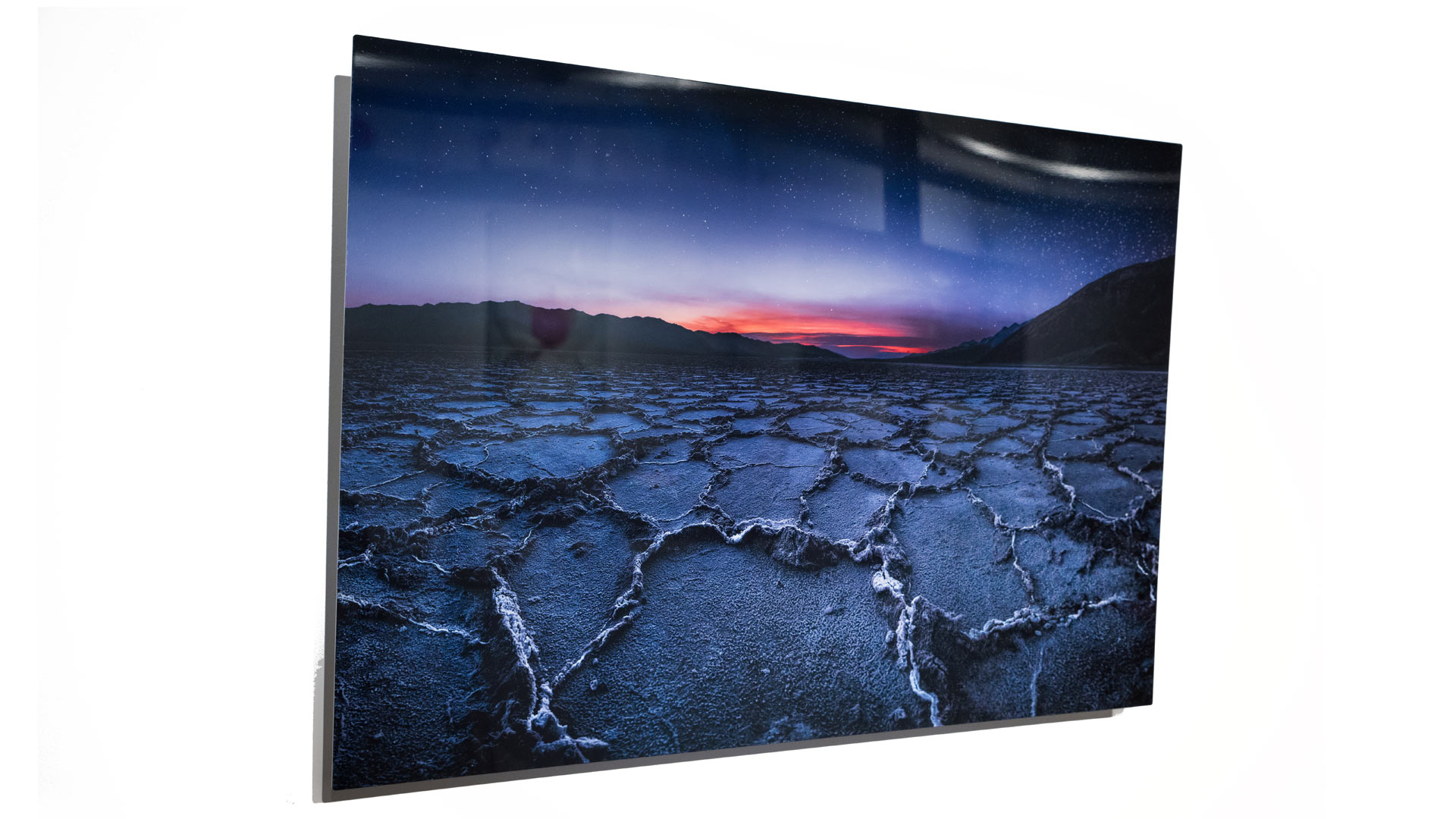
Impression sur metal brossé / Impression lisse en métal blanc

360 View
🔄

Chargement de la visionneuse 3D...

Cliquez et faites glisser pour faire pivoter • Faites défiler pour zoomer
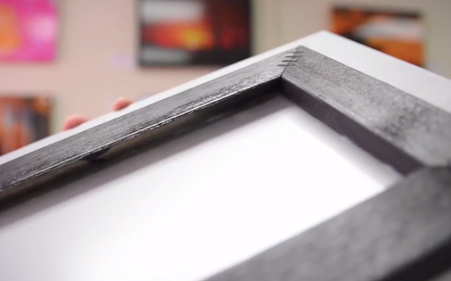

Les sections de la photographie qui sont blanches ou très claires ne sont pas imprimées. Les zones blanches apparaissent métalliques.
Robuste, léger et offre un effet de réflexion de lumière unique [+]

  Impression sur metal brossé et cadre flottant
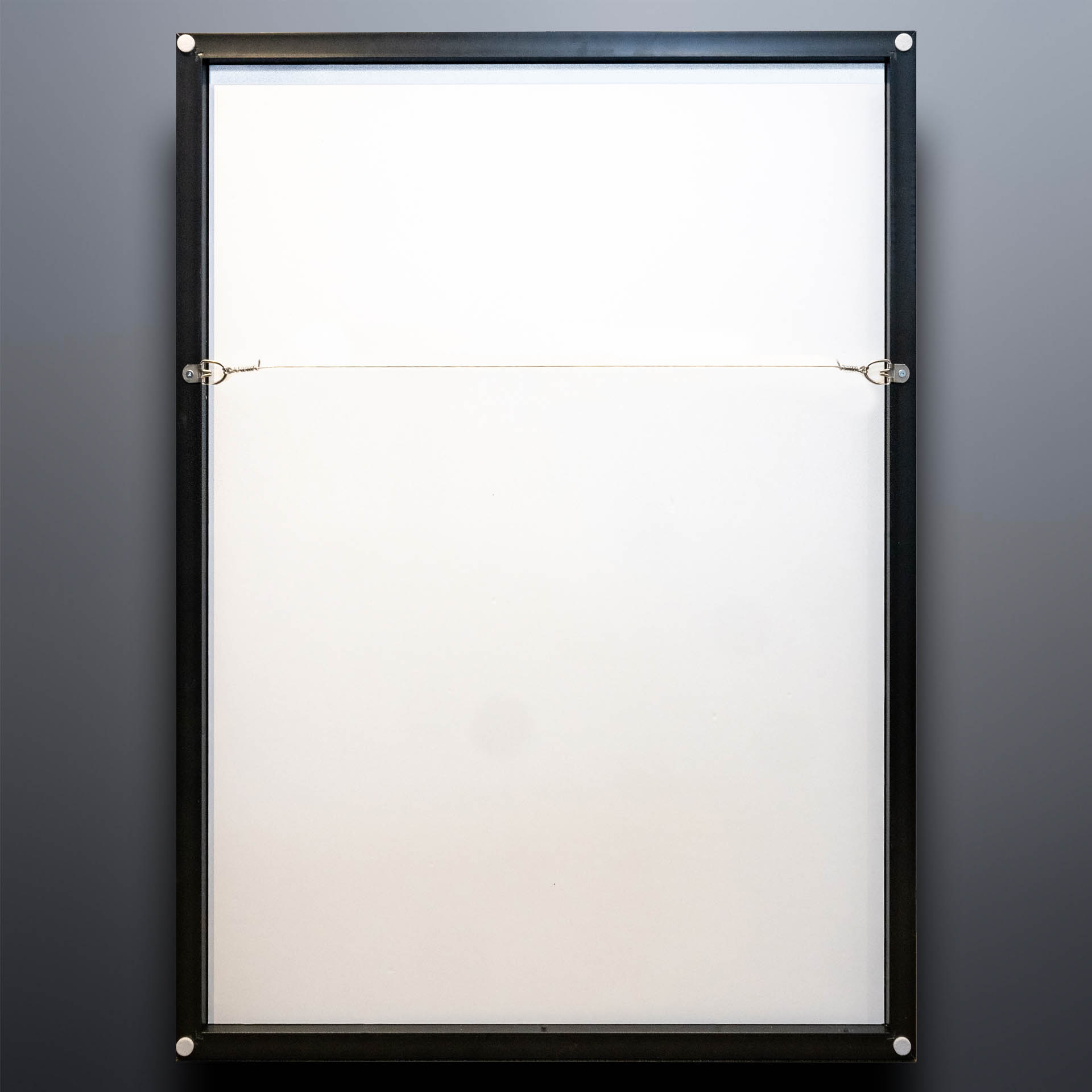
Impression pleine et montage avec un cadre flottant à l’arrière de 3/4 pouce d’épaisseur avec fil de suspension. 
20 x 15 pouces
51 x 38 cm
Aperçu de l’image
$249
24 x 18 pouces
62 x 46 cm
Aperçu de l’image
$318
30 x 23 pouces
77 x 59 cm
Aperçu de l’image
$453
36 x 27 pouces
92 x 69 cm
Aperçu de l’image
$600
42 x 32 pouces
108 x 82 cm
Aperçu de l’image
$795
48 x 36 pouces
123 x 92 cm
Aperçu de l’image
$996
55 x 41 pouces
141 x 105 cm
Aperçu de l’image
$1542
60 x 45 pouces
154 x 115 cm
Aperçu de l’image
$1775

  Impression sur métal brossé avec entretoises
Imprimé jusqu’au bord et prêt à être accroché, avec 4 cylindres (entretoises) en aluminium ( les vis murales sont incluses )
20 x 15 pouces
51 x 38 cm
Aperçu de l’image
$249
24 x 18 pouces
62 x 46 cm
Aperçu de l’image
$318
30 x 23 pouces
77 x 59 cm
Aperçu de l’image
$453
36 x 27 pouces
92 x 69 cm
Aperçu de l’image
$600
42 x 32 pouces
108 x 82 cm
Aperçu de l’image
$795
48 x 36 pouces
123 x 92 cm
Aperçu de l’image
$996
55 x 41 pouces
141 x 105 cm
Aperçu de l’image
$1542
60 x 45 pouces
154 x 115 cm
Aperçu de l’image
$1775

Impression directe sur métal pour fournir une finition satinée lisse et blanche avec réflexion contrôlée de la lumière
Robuste, très léger et offre un effet mat [+]  


  Impression métal blanc avec cadre flottant à l’arrière
Impression pleine et montage avec un cadre flottant à l’arrière de 3/4 pouce d’épaisseur avec fil de suspension. 
20 x 15 pouces
51 x 38 cm
Aperçu de l’image
$249
24 x 18 pouces
62 x 46 cm
Aperçu de l’image
$318
30 x 23 pouces
77 x 59 cm
Aperçu de l’image
$453
36 x 27 pouces
92 x 69 cm
Aperçu de l’image
$600
42 x 32 pouces
108 x 82 cm
Aperçu de l’image
$795
48 x 36 pouces
123 x 92 cm
Aperçu de l’image
$996
55 x 41 pouces
141 x 105 cm
Aperçu de l’image
$1542
60 x 45 pouces
154 x 115 cm
Aperçu de l’image
$1775

  Impression sur métal brossé avec entretoises
Imprimé jusqu’au bord et prêt à être accroché, avec 4 cylindres (entretoises) en aluminium ( les vis murales sont incluses )
20 x 15 pouces
51 x 38 cm
Aperçu de l’image
$249
24 x 18 pouces
62 x 46 cm
Aperçu de l’image
$318
30 x 23 pouces
77 x 59 cm
Aperçu de l’image
$453
36 x 27 pouces
92 x 69 cm
Aperçu de l’image
$600
42 x 32 pouces
108 x 82 cm
Aperçu de l’image
$795
48 x 36 pouces
123 x 92 cm
Aperçu de l’image
$996
55 x 41 pouces
141 x 105 cm
Aperçu de l’image
$1542
60 x 45 pouces
154 x 115 cm
Aperçu de l’image
$1775

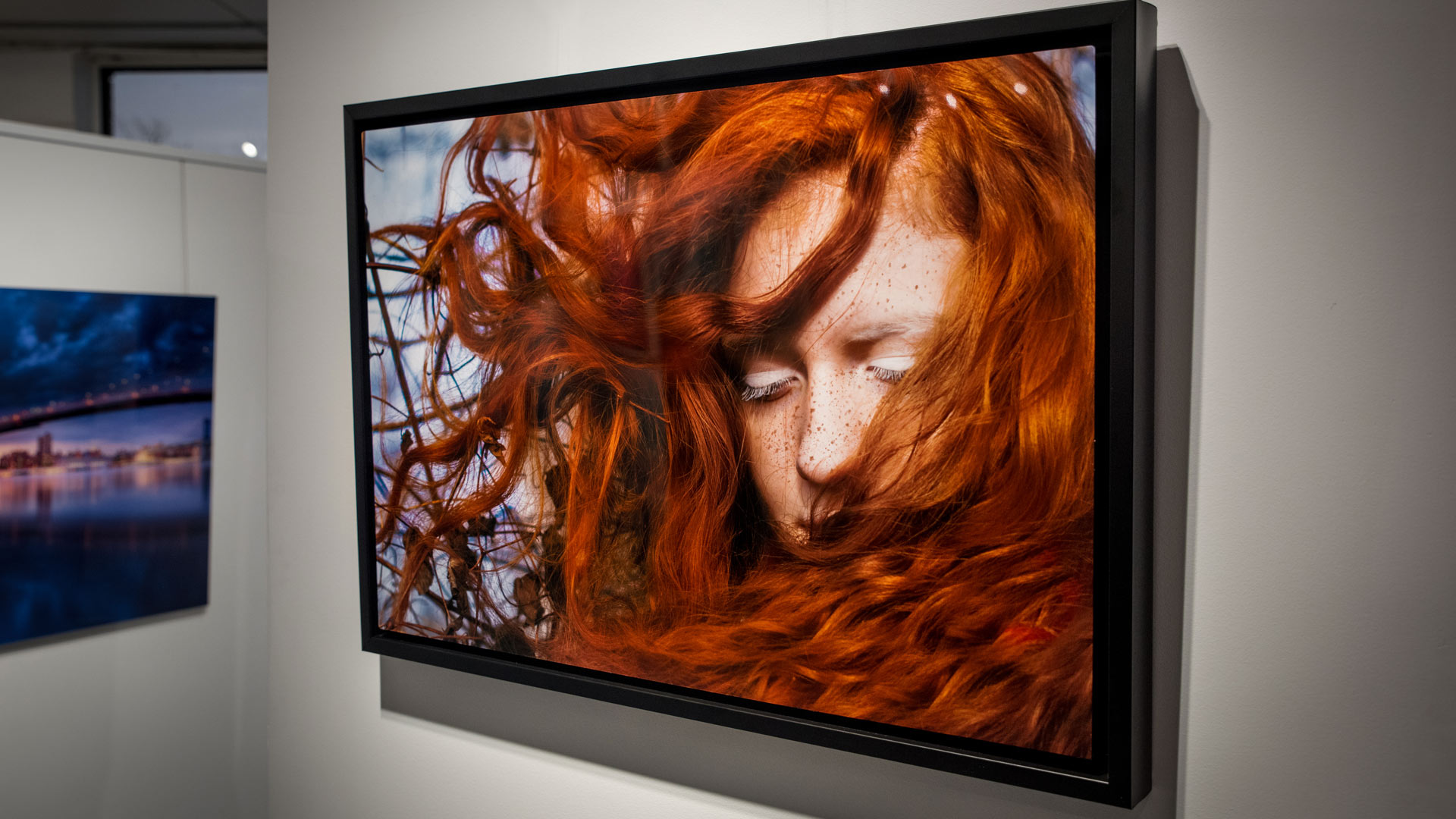
HD ChromaLuxe Impression de Sublimation Métal haute brillance

360 View
A.P.Polo - Jacques Derrida   Impression métal HD avec cadre flottant sur le dos
🔄

Chargement de la visionneuse 3D...

Cliquez et faites glisser pour faire pivoter • Faites défiler pour zoomer

A.P.Polo - Jacques Derrida  Impression de sublimation métal HD
A.P.Polo - Jacques Derrida  Impression metal

Brillance des couleurs, durabilité supérieure et qualités archivistiques
Cette oeuvre est produite sur une sublimation de colorant Chromaluxe panneau en métal haute définition  
Vidéo
[+]

  Impression de Sublimation Hi-Gloss sur métal blanc avec cadre arrière
Impression pleine et montage avec un cadre flottant à l’arrière de 3/4 pouce d’épaisseur avec fil de suspension. 
20 x 15 pouces
51 x 38 cm
Aperçu de l’image
$314
24 x 18 pouces
62 x 46 cm
Aperçu de l’image
$413
30 x 23 pouces
77 x 59 cm
Aperçu de l’image
$607
36 x 27 pouces
92 x 69 cm
Aperçu de l’image
$820
42 x 32 pouces
108 x 82 cm
Aperçu de l’image
$1100
48 x 36 pouces
123 x 92 cm
Aperçu de l’image
$1388

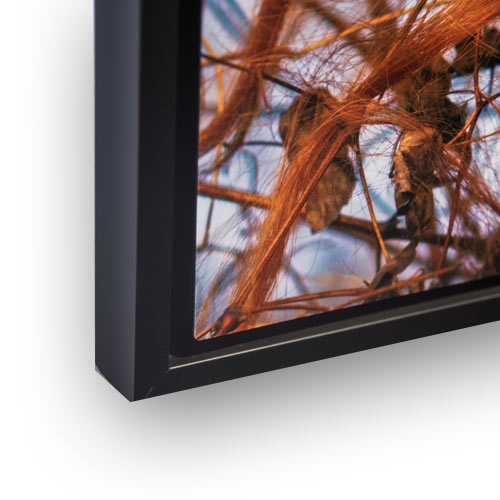
  Impression de Sublimation Hi-Gloss sur métal blanc avec cadre décoratif
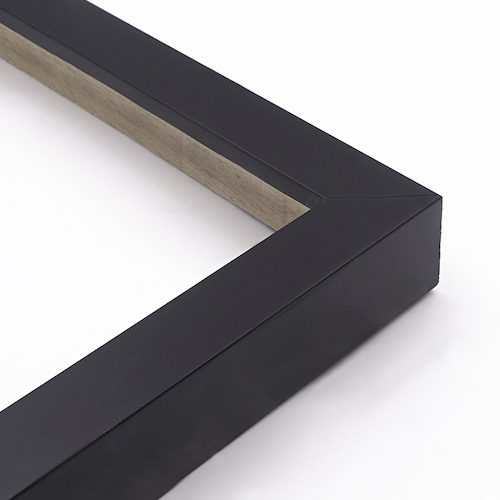
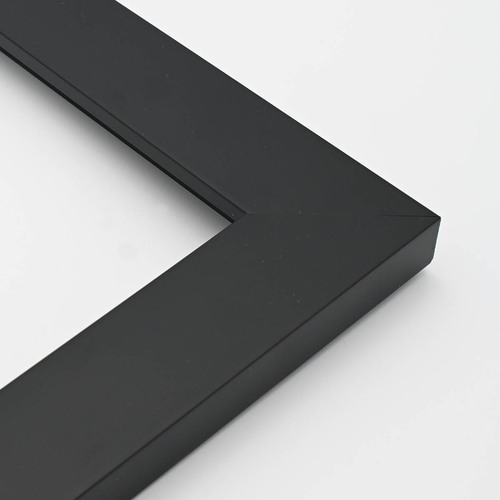
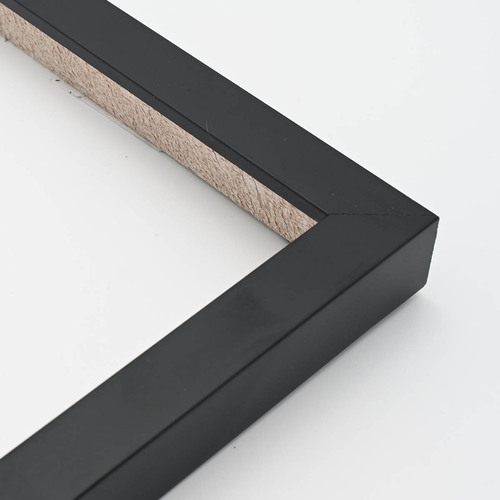
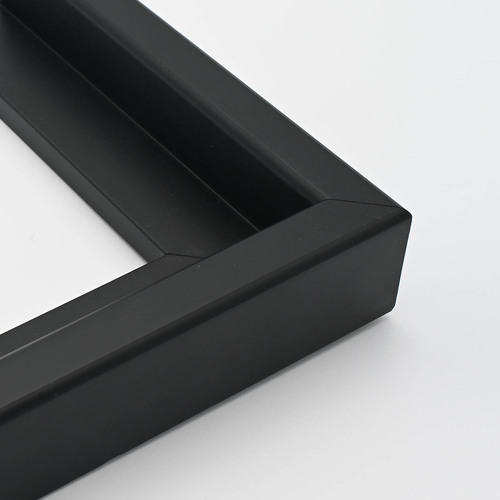
À l’intérieur d’un cadre de décoration (boîte)-cadre flottant noir
20 x 15 pouces
51 x 38 cm
Aperçu de l’image
$377
24 x 18 pouces
62 x 46 cm
Aperçu de l’image
$496
30 x 23 pouces
77 x 59 cm
Aperçu de l’image
$721
36 x 27 pouces
92 x 69 cm
Aperçu de l’image
$962
42 x 32 pouces
108 x 82 cm
Aperçu de l’image
$1273
48 x 36 pouces
123 x 92 cm
Aperçu de l’image
$1591

Impression sur bois

360 View
A.P.Polo - Jacques Derrida   Impression sur bois
🔄

Chargement de la visionneuse 3D...

Cliquez et faites glisser pour faire pivoter • Faites défiler pour zoomer

A.P.Polo - Jacques Derrida  Impression sur bois

Imprimé avec des encres UV qui procurent une qualité d’image incroyable et qui résistent aux égratignures. Les couleurs ne pâliront pas à travers le temps.
Les zones blanches et très claires ne sont pas imprimées sur le bois, révélant la beauté naturelle de la texture du bois
Imprimé sur un bois large de 3/8 de pouces ( 9mm). Ce bois préparé à partir de merisier russe, il est durable et robuste. [+]

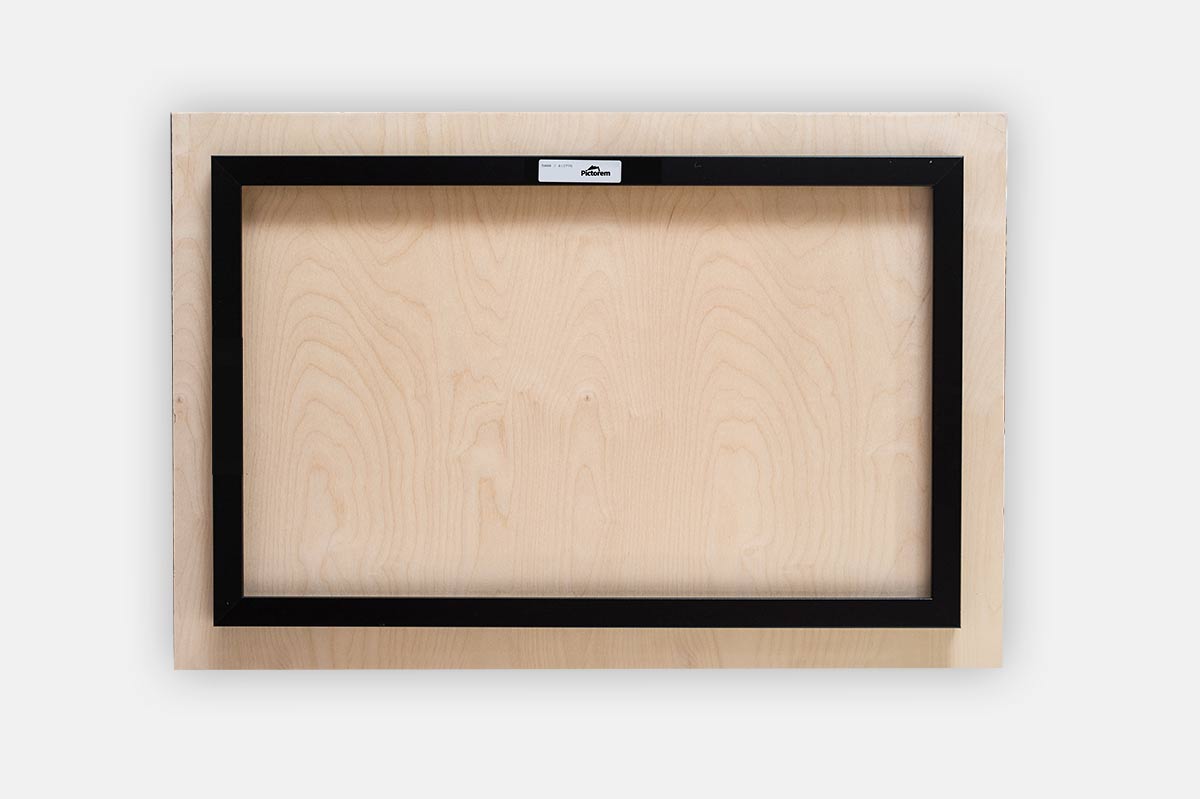
Impression sur bois avec cadre flottant arrière
Impression pleine et montage avec un cadre flottant à l’arrière  
Vidéo
[+]
20 x 15 pouces
51 x 38 cm
Aperçu de l’image
$232
24 x 18 pouces
62 x 46 cm
Aperçu de l’image
$295
30 x 23 pouces
77 x 59 cm
Aperçu de l’image
$419
36 x 27 pouces
92 x 69 cm
Aperçu de l’image
$554
42 x 32 pouces
108 x 82 cm
Aperçu de l’image
$732
48 x 36 pouces
123 x 92 cm
Aperçu de l’image
$916
55 x 41 pouces
141 x 105 cm
Aperçu de l’image
$1439
60 x 45 pouces
154 x 115 cm
Aperçu de l’image
$1652

Impression en Rouleau.

Nous expédions dans le monde entier!

Impression murale

Facile à installer. Vinyle auto-adhésif, lavable et repositionnable [+]
Vidéo
Pour obtenir le prix de votre murale, Entrez les mesures de votre mur :

POUCE PIED CM
Largeur: in.
Hauteur : in.
Width: ft in
Heigth: ft in
Width: cm
Heigth: cm


Notre technologie de 10 couleurs
Nos peintures murales sont produites sur des imprimantes avec une qualité d’impression photographique exceptionnelle. Une résolution d’image extrême : qualité d'image photographique
avec la gamme de couleurs plus grande de sa catégorie

Facile à installer
Notre impression murale peut être enlevée sans aucun dommage à vos murs. Facile à modifier ou à supprimer. Nous utilisons un média de 6 mil auto-adhésif en vinyle avec une texture subtile de lin-coton.
Changer l’apparence d’une pièce sans avoir à utiliser du papier peint traditionnel. Nos impressions murales deviennent la solution parfaite pour améliorer facilement n’importe quel espace résidentiel ou commercial !

Vinyle autocollant repositionnable livré par bande de 35 à 45 pouces de largeur qui se chevauchent légèrement pour faciliter l’installation.
[Plus d’infos sur nos impressions murales]
Impression encadrée Afficher en 3D

Pour obtenir "A.P.Polo - Jacques Derrida " dans une impression encadrée.
Entièrement personnalisable - à la taille exacte que vous désirez. Sélectionnez le type de papier, le verre, le mat et le cadre de décoration
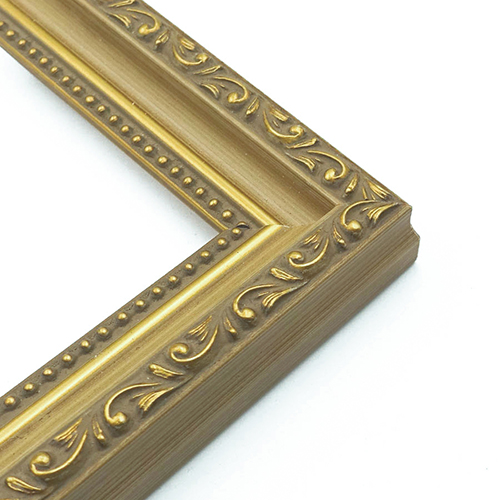
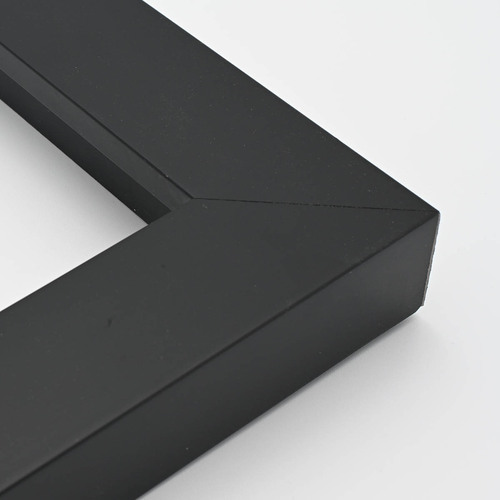
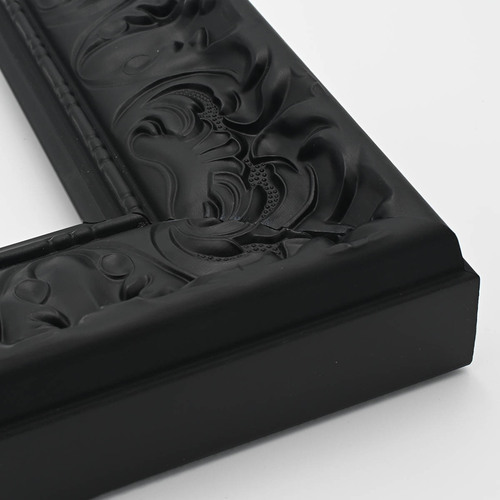
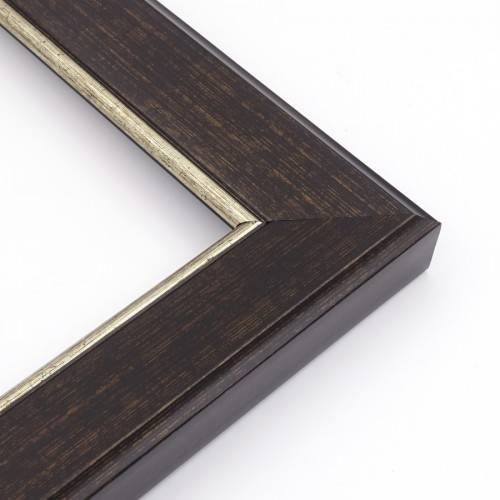
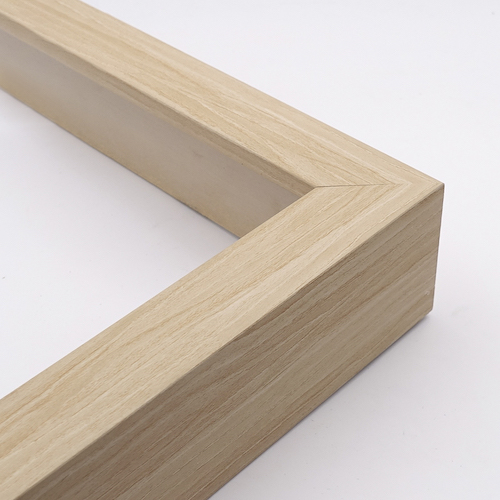
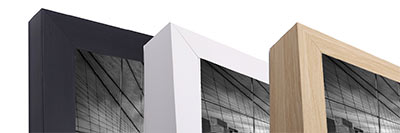
Commencez à construire votre impression encadrée personnalisée en sélectionnant l’une des moulures suivantes:
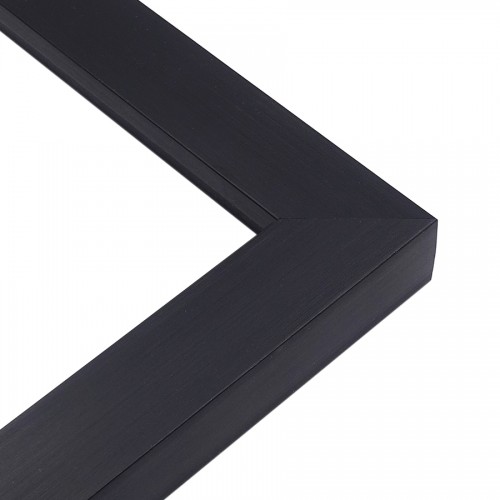
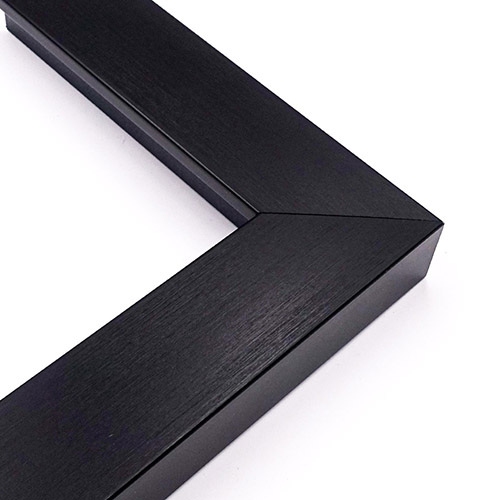
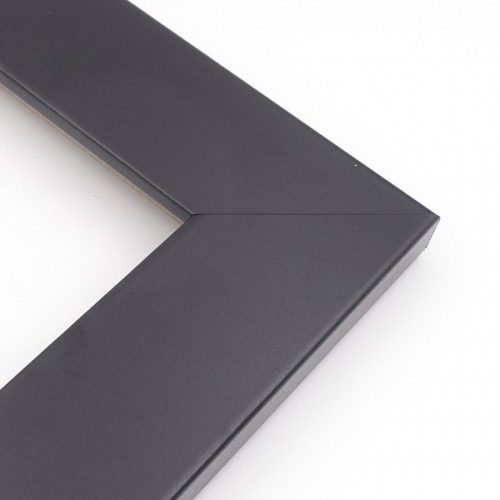
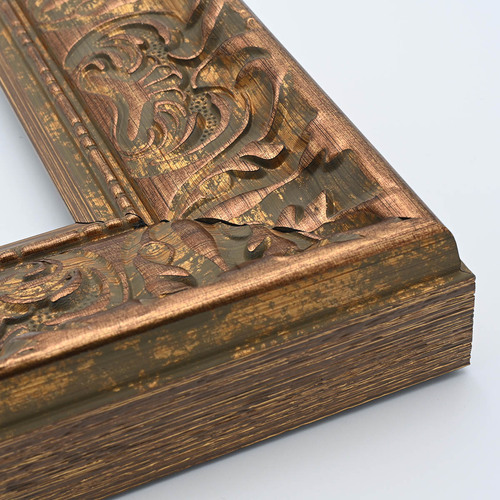
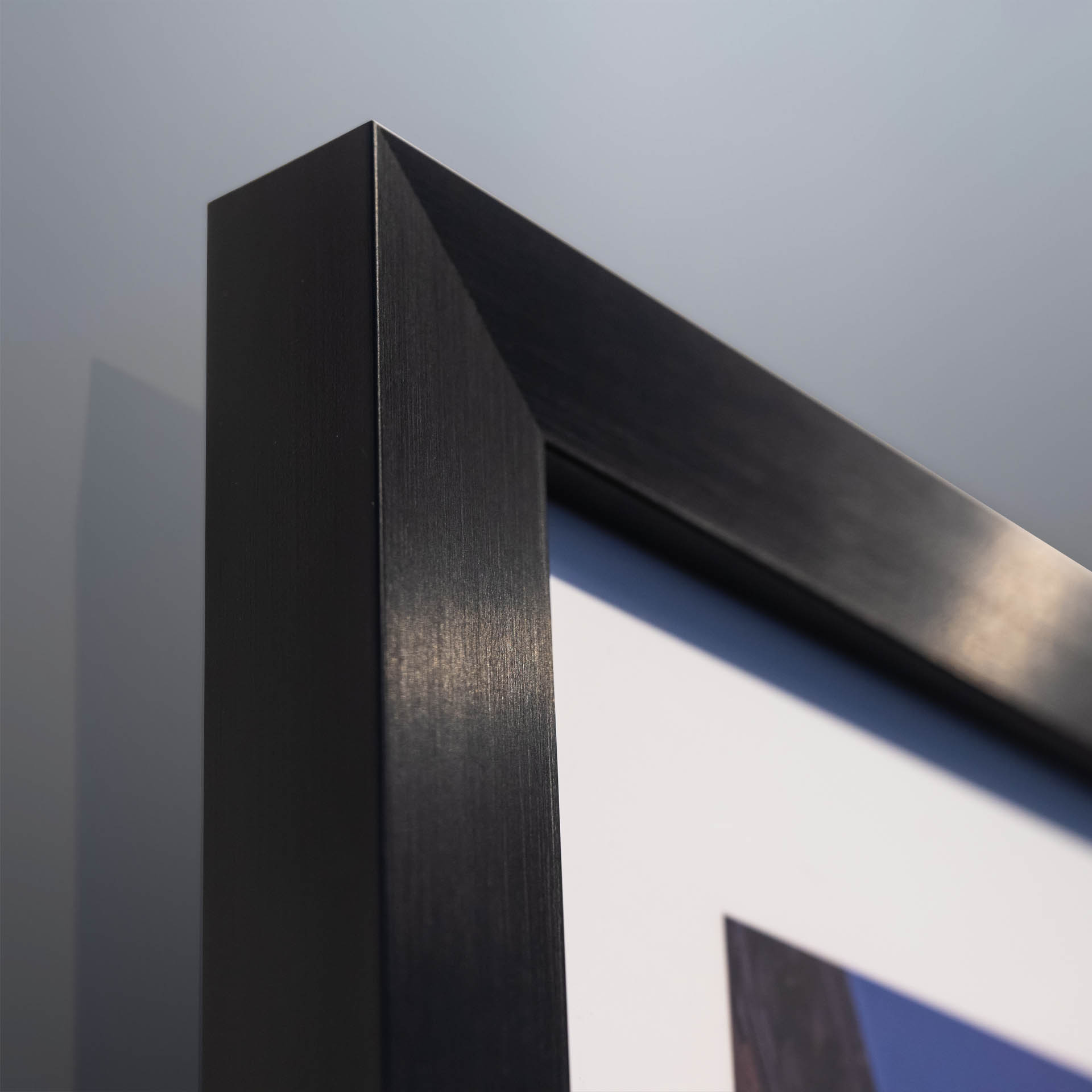
A.P.Polo - Jacques Derrida  Cadre photo
Modèle de cadre illustré : 832-745

MOULURE DÉCORATIVES
MOULURE DÉCORATIVES
MOULURE DÉCORATIVES
MOULURE DÉCORATIVES
MOULURE DÉCORATIVES
MOULURE DÉCORATIVES
MOULURE DÉCORATIVES
MOULURE DÉCORATIVES
MOULURE DÉCORATIVES
MOULURE DÉCORATIVES
MOULURE DÉCORATIVES
MOULURE DÉCORATIVES
MOULURE DÉCORATIVES
MOULURE DÉCORATIVES
MOULURE DÉCORATIVES

Impression encadrée de format standard

   [+]  
Vidéo

28 x 20"
$254
28 x 20" Framed Print Afficher en 3D

A.P.Polo - Jacques Derrida  Impression du cadre
Surface imprimée: 24 x 16"
Total Intérieur de la surface: 28.00 x 20.00"
Bordure blanche: 2" on each side
Largeur de l'image: 1.25" on each side
Dimension physique totale: 29.25 x 21.25"

Frame model: 832-745
Printing method: 1200dpi UV cured ink on fine art matte board
Ready to hang with wire at the back
34 x 24"
$339
34 x 24" Framed Print Afficher en 3D

A.P.Polo - Jacques Derrida  Impression du cadre
Surface imprimée: 30 x 20"
Total Intérieur de la surface: 34.00 x 24.00"
Bordure blanche: 2" on each side
Largeur de l'image: 1.25" on each side
Dimension physique totale: 35.25 x 25.25"

Frame model: 832-745
Printing method: 1200dpi UV cured ink on fine art matte board
Ready to hang with wire at the back
40 x 28"
$425
40 x 28" Framed Print Afficher en 3D

A.P.Polo - Jacques Derrida  Impression du cadre
Surface imprimée: 36 x 24"
Total Intérieur de la surface: 40.00 x 28.00"
Bordure blanche: 2" on each side
Largeur de l'image: 1.63" on each side
Dimension physique totale: 41.63 x 29.63"

Frame model: 800-967
Printing method: 1200dpi UV cured ink on fine art matte board
Ready to hang with wire at the back

Impression de Puzzle

A.P.Polo - Jacques Derrida  A P Polo Impression de puzzle
A.P.Polo - Jacques Derrida  A P Polo Puzzle

Produit avec précision par le procédé de sublimation HD et protégé par un vernis très brillant.
Contrairement à l’impression traditionnelle — Cette œuvre d’art est produite par impression par sublimation. Nous utilisons la chaleur et la pression pour transférer les images directement à la surface du puzzle, en liant votre image au substrat au niveau moléculaire.  
Vidéo
[+]


Puzzle High Gloss 120 pcs 11x8  
28 x 20 cm
$56
Puzzle High Gloss 315 pcs 17x12  
42 x 30 cm
$67
500 pcs 21 x 15 inches Puzzle High Gloss  
54 x 40 cm
$81
Puzzle High Gloss 1000 pcs 27x17.5  
69 x 45 cm
$94
Puzzle High Gloss 1500 pcs 27x17  
91 x 61 cm
$125

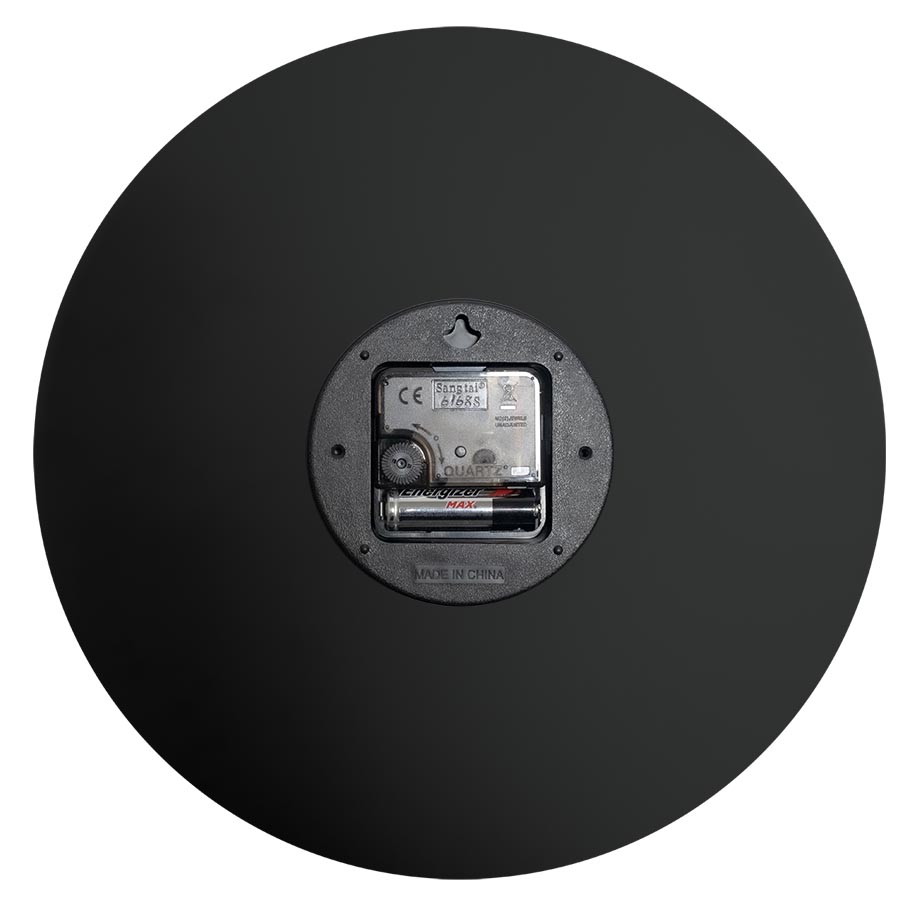
Horloge murale

Détails du produit

Cette œuvre d'art est réalisée en acrylique de haute qualité Prêt à être accroché.   
Vidéo

Mécanisme d'horloge avec un mouvement à quartz précis. Pile incluse
Disponible en format carré ou rond
Disponible en 12" 16" 24"

Créer le vôtre

Téléchargement Numérique

Résolution du fichier: 5440 x 4096 pixels


SUR CETTE OEUVRE: A.P.POLO - JACQUES DERRIDA
A.P.Polo - "Jacques Derrida" - Hamburg (Germany). Jacques Derrida, whose real name was Jackie Derrida, was a French philosopher who was born on 15 July 1930 in El Biar (French Algeria) and died on 9 October 2004 in Paris. A professor at the École normale supérieure between 1965 and 1984, then director of studies at the École des hautes études en sciences sociales, he created and developed the school of thought around deconstructionism. Following in Heidegger's footsteps, Derrida challenged phenomenology and traditional metaphysics and introduced a new way of thinking about the human sciences. The starting point for his work is a critique of linguistics and its dominant position in the human sciences. In his work De la grammatologie (1967), Derrida attempted to show that the dominant linguistic model at the time was based on a contradiction: language would consist of oral speech, of which writing would be the transcription. The true language (the original language) would therefore be the oral language. But linguistics relies on written language for the structure of language, so that the origin of written language is living speech, but the origin of living speech is written language. Here, Derrida transposes Edmund Husserl's questioning of origin in The Origin of Geometry (1954) to the field of linguistics, and introduces the notion of 'original supplement', or simply 'supplement'. This contradiction of origin, first posed - at the level of language - between speech and writing, was then to reverberate in all the fields in which Derrida carried out his investigations: towards the structure of a text and the supplement at the origin of this text, such as the language in which it was written, towards the founding principle and the death of an ideology, towards giving death and accepting responsibility for it (euthanasia), towards the opposition between welcome and hostility, towards the political question of the imposition of gender norms. During his career, Derrida published more than 40 books, together with hundreds of essays and public presentations. He had a significant influence on the humanities and social sciences, including philosophy, literature, law, anthropology,[ historiography, applied linguistics, sociolinguistics, psychoanalysis, music, architecture, and political theory. Into the 2000s, his work retained major academic influence throughout the United States, continental Europe, South America and all other countries where continental philosophy has been predominant, particularly in debates around ontology, epistemology (especially concerning social sciences), ethics, aesthetics, hermeneutics, and the philosophy of language. In most of the Anglosphere, where analytic philosophy is dominant, Derrida's influence is most presently felt in literary studies due to his longstanding interest in language and his association with prominent literary critics from his time at Yale. He also influenced architecture (in the form of deconstructivism), music (especially in the musical atmosphere of hauntology), art, and art criticism. Particularly in his later writings, Derrida addressed ethical and political themes in his work. Some critics consider Speech and Phenomena (1967) to be his most important work. Others cite: Of Grammatology (1967) Writing and Difference (1967), and Margins of Philosophy (1972). These writings influenced various activists and political movements. He became a well-known and influential public figure, while his approach to philosophy and the notorious abstruseness of his work made him controversial. Derrida referred to himself as a historian. He questioned assumptions of the Western philosophical tradition and also more broadly Western culture. By questioning the dominant discourses, and trying to modify them, he attempted to democratize the university scene and to politicize it. Derrida called his challenge to the assumptions of Western culture "deconstruction". On some occasions, Derrida referred to deconstruction as a radicalization of a certain spirit of Marxism. With his detailed readings of works from Plato to Rousseau, from Hegel to Heidegger, Derrida frequently argues that Western philosophy has uncritically allowed metaphorical depth models to govern its conception of language and consciousness. He sees these often unacknowledged assumptions as part of a "metaphysics of presence" to which philosophy has bound itself. This "logocentrism", Derrida argues, creates "marked" or hierarchized binary oppositions that have an effect on everything from the conception of speech's relation to writing to the understanding of racial difference. Deconstruction is an attempt to expose and undermine such "metaphysics". Derrida approaches texts as constructed around binary oppositions which all speech has to articulate if it intends to make any sense whatsoever. This approach to text is, in a broad sense, influenced by the semiology of Ferdinand de Saussure. Saussure, considered to be one of the fathers of structuralism, posited that terms get their meaning in reciprocal determination with other terms inside language. Perhaps Derrida's most quoted and famous assertion, which appears in an essay on Rousseau in his book Of Grammatology (1967), is the statement that "there is no out-of-context" (il n'y a pas de hors-texte). Critics of Derrida have been often accused of having mistranslated the phrase in French to suggest he had written "Il n'y a rien en dehors du texte" ("There is nothing outside the text") and of having widely disseminated this translation to make it appear that Derrida is suggesting that nothing exists but words. Derrida once explained that this assertion "which for some has become a sort of slogan, in general so badly understood, of deconstruction ... means nothing else: there is nothing outside context. In this form, which says exactly the same thing, the formula would doubtless have been less shocking." Historically, Derrida's concept of deconstruction is linked to Martin Heidegger's use of the terms "construction" and "destruction" and their methodological entanglement. Further influences can be found in structuralism and, among other things, the theories on the nature and use of signs (semiotics) that emerged from it. Derrida developed deconstruction in connection with his concept of "différance". Deconstruction is about analysing language or texts, or more precisely signs, meaning and significance. These terms themselves are called into question, as is the ontological status of the subject. Dialectical attempts at a system had assumed that opposites and antitheses could always be synthesised. Derrida's deconstruction is sceptical about this, for example insofar as it emphasises that in such a synthesis one of the two preceding opposites is always preferred. Furthermore, a text does not consist of thesis and antithesis, but of a multitude of other perspectives that exist simultaneously and are often in conflict with one another. However, this conflict is not directly recognisable, but can only be revealed by means of deconstructive analyses. Deconstruction fundamentally assumes that the thematisation of certain objects (be it in scientific theory formation, be it in other knowledge systems, forms of representation or genres) simultaneously excludes others. Instead of focusing only on explicitly communicated information, deconstructive analyses therefore also and especially concentrate on those factors that have been excluded. Systematically fundamental to this is a critical bracketing of the relationships of meaning and reference between the elements of a text, for example. This then makes it possible to ask questions such as: which mechanisms of marginalisation and establishment, which strategies of making credible, which hierarchical structures of a structure of signifiers allow the corresponding material structure to be understood as a meaningful carrier of meaning and to be reduced to a certain meaning or "statement intention"? To which conditions of constitution are the corresponding claims to meaning and validity bound? In particular, this can also reveal conflictuality, aggressiveness, hidden contents and intentions. Among other things, the binding to contingent extrinsic factors of meaning generation makes the delimitation of a text as a manageable object problematic. In particular, texts are to be recognised not only in their inner structure, but also in their relation to other texts. This links deconstruction with theories of intertextuality, such as those developed by Mikhail Bakhtin and Julia Kristeva. In addition, deconstruction relates concepts back to their history and modes of establishment. However, it differs from the method of conceptual history in that deconstruction considers an intrinsically stable conceptual meaning to be an uncovered assumption. Derrida himself has spoken out against establishing his philosophy as a literary method and, for example, developing it into a set of rules. He himself, as well as interpreters close to him, like to speak of an attitude of deconstruction instead. Nevertheless, his ideas were taken up within literary and cultural studies, initially primarily in the Anglo-Saxon context, especially within the so-called Yale School, to which Paul de Man belonged, among others. With her work "Gender Trouble" (1990), in which the distinction between sex and gender between biological sex and socio-culturally shaped gender roles is used to criticise the identity category of woman ("... gender as a compulsory, constant repetition of cultural conventions on the body that one has never chosen"), Judith Butler is considered the most important theorist of discourse-analytical deconstructionism. This serves as the theoretical basis for "Doing Gender" and "Gender Studies". Queer theory and Judith Butler's feminist theory are parts of social science theories that deal with identities or identifications and power relations. According to Butler, it is about uncovering existing relationships of domination and power that established "compulsory heterosexuality" and forms of the nuclear family based on women's ability to give birth. The deconceptualisation of the body, bisexuality and heterosexuality as natural facts does not coincide with negation, but serves to expose the consolidation and concealment of authority. In deconstructive cultural theories, the emergence of supposed entities and identities is analysed from a power-critical perspective and political alternatives are also proposed. For example, long before the corruption scandals, international sports organisations were characterised as commercial enterprises from which it was naïve to expect democratic structures. Deconstruction can be applied as a method to texts or philosophical theories, but also as an artistic practice in the visual arts, fashion, music, architecture or film. Architecture in particular has been influenced by the deconstruction approach, giving rise to the style of deconstructivism.


Livraison dans la zone continentale des États-Unis et au Canada (livraison gratuite)

Signaler cette œuvre d'art
Imprimez en Un Plantez en Un
Un arbre planté pour chaque impression.  Pictorem soutient Trees for the Future, une organisation à but non lucratif 501 (c) 3, qui gère un programme agroforestier pour restaurer les arbres sur les terres dégradées en travaillant avec les petits agriculteurs.

CRÉER UN COMPTE

COMPTE UTILISATEUR OUBLIÉ ?

HAUT