Chargement en cours…
ON GÉNÈRE L’IMAGE. VEUILLEZ PATIENTER …

J’aime ça
ÉDITION LIMITÉE de 50

# 413488

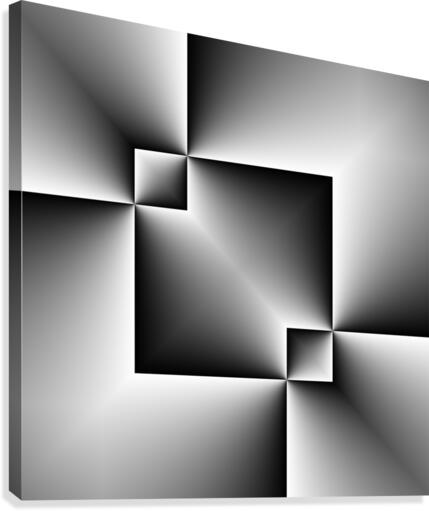
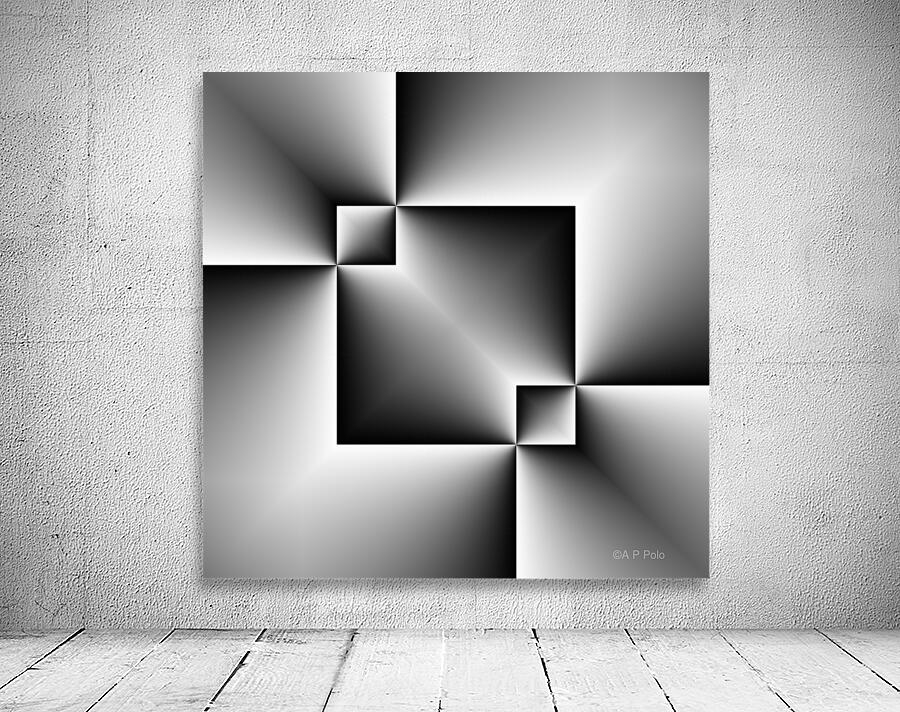
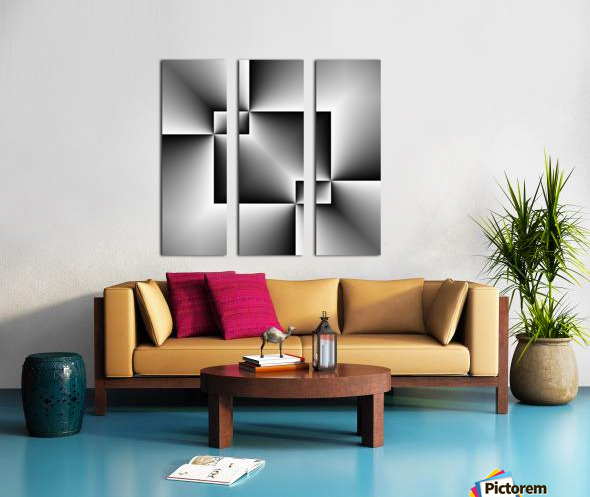
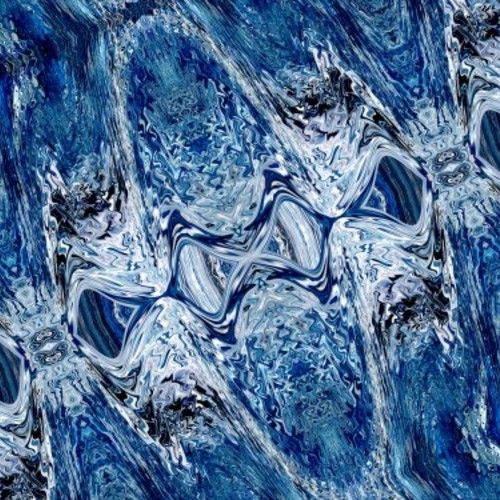
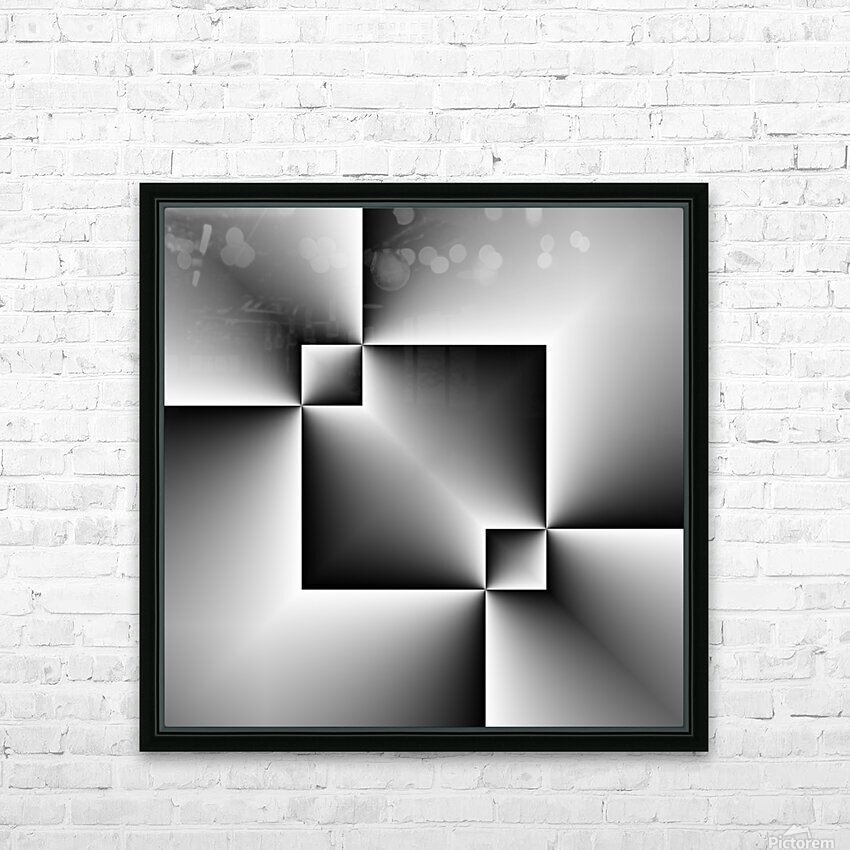
A.P.POLO - SHADOWS 2


Disponible sur:
ÉDITION LIMITÉE of 50
Pictorem Reviews 4.8 Average Rating by 126k clients

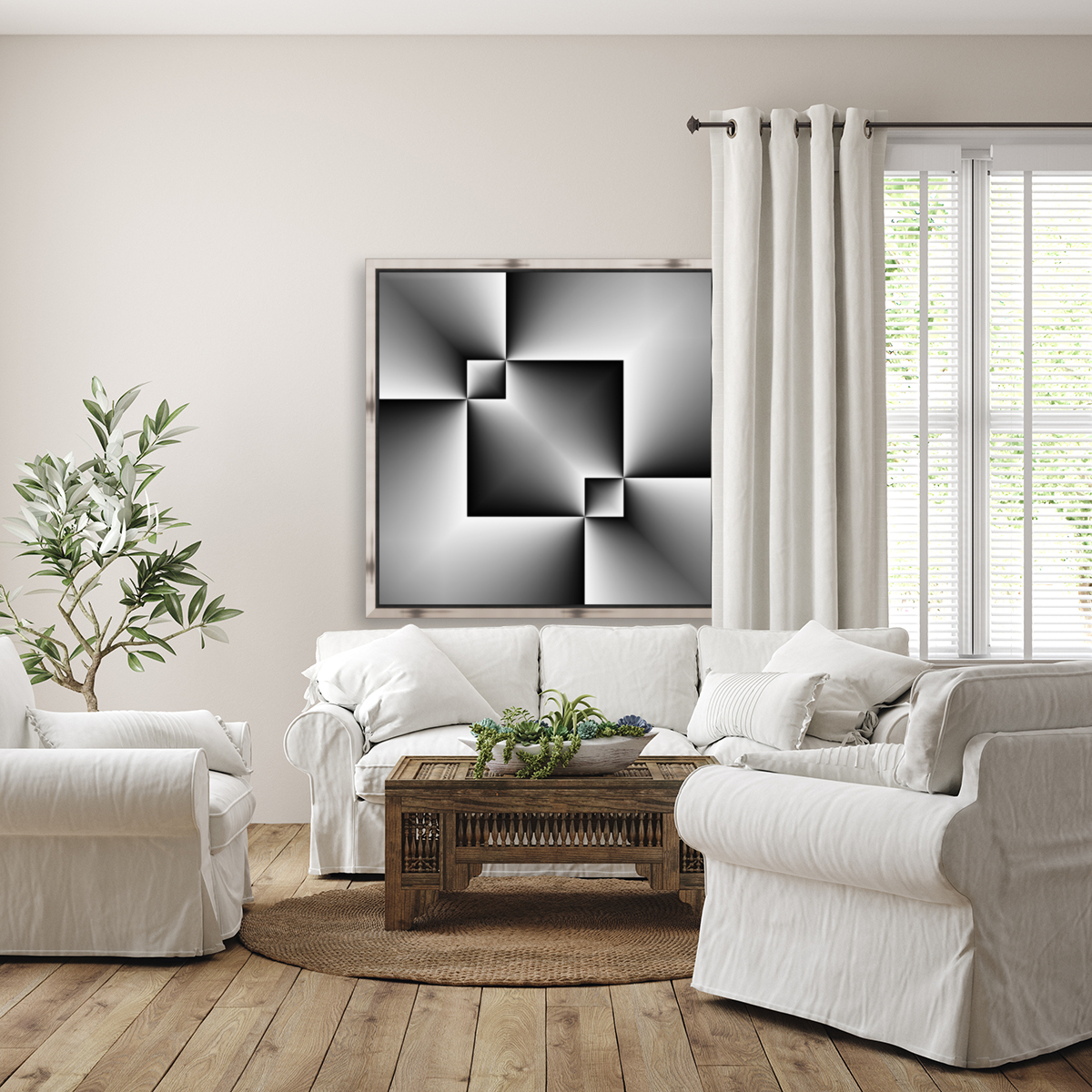
Voir cette oeuvre sur différents murs
Wall decor artwork generator Wall decor artwork generator Wall decor artwork generator


A.P.Polo - "Shadows 2" - Hamburg (Germany) - New Media Art. Abstract, contemporary work that creates the impression of space and depth in a monochrom...[+]


1582 vues


Facebook Pinterest Envoyez à un(e) ami(e)


Mots clés:
[+] expand
Chercher des images avec des couleurs dominantes similaires :

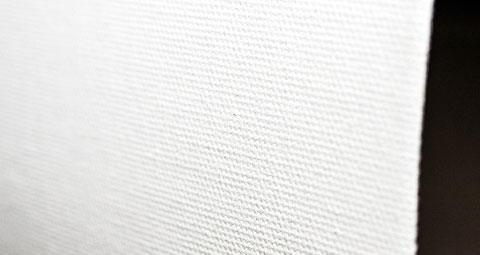
Impression Giclée sur toile

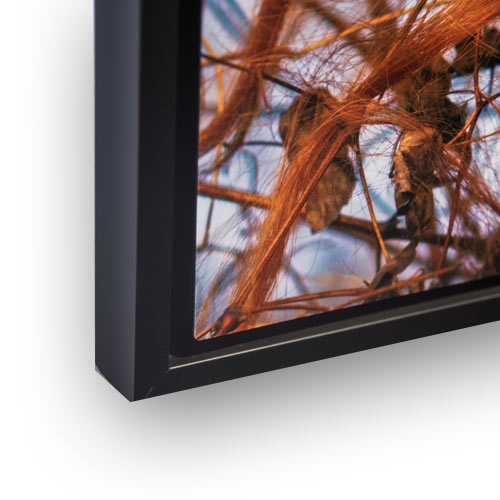
Toutes nos toiles étirées sont faites sur-mesure, à partir d’une toile d’exposition de 410g/m2 Bois large de 1.5 pouce de style “galerie”.     
Impression Giclée avec encre pigmentée conçue pour répondre aux exigences de longévité de musées et galeries et assurer l’uniformité des nuances de couleur pour plus de 200 ans. [+]

Impression sur toile étirée   Expédition aux USA & Canada
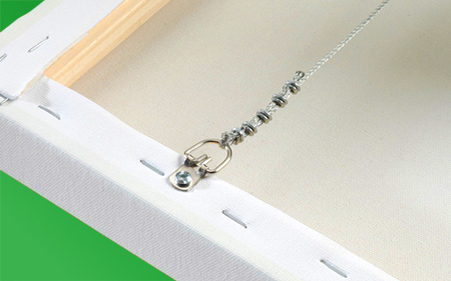
Prêt à être accroché - Tendu sur cadre en bois d’une épaisseur de 1,5 pouces.
20 x 20 pouces
51 x 51 cm
Aperçu de l’image
$282
24 x 24 pouces
62 x 62 cm
Aperçu de l’image
$303
30 x 30 pouces
77 x 77 cm
Aperçu de l’image
$420
36 x 36 pouces
92 x 92 cm
Aperçu de l’image
$564
42 x 42 pouces
108 x 108 cm
Aperçu de l’image
$1133
48 x 48 pouces
123 x 123 cm
Aperçu de l’image
$1286


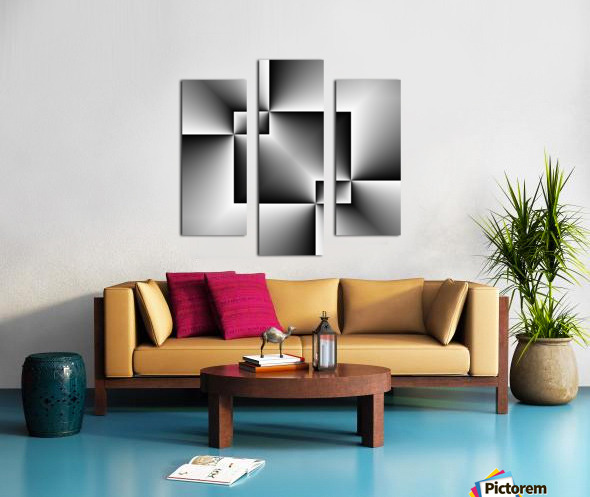
Toile étirée en plusieurs panneaux


A.P.Polo - Shadows 2 Impression sur toile
36 x 36 Triptique ( croix )
39 x 36 en comprenant l’espace.
1x12x36   2X [ 12X30
$697

Impression acrylique

360 View
🔄

Chargement de la visionneuse 3D...

Cliquez et faites glisser pour faire pivoter • Faites défiler pour zoomer
360 View
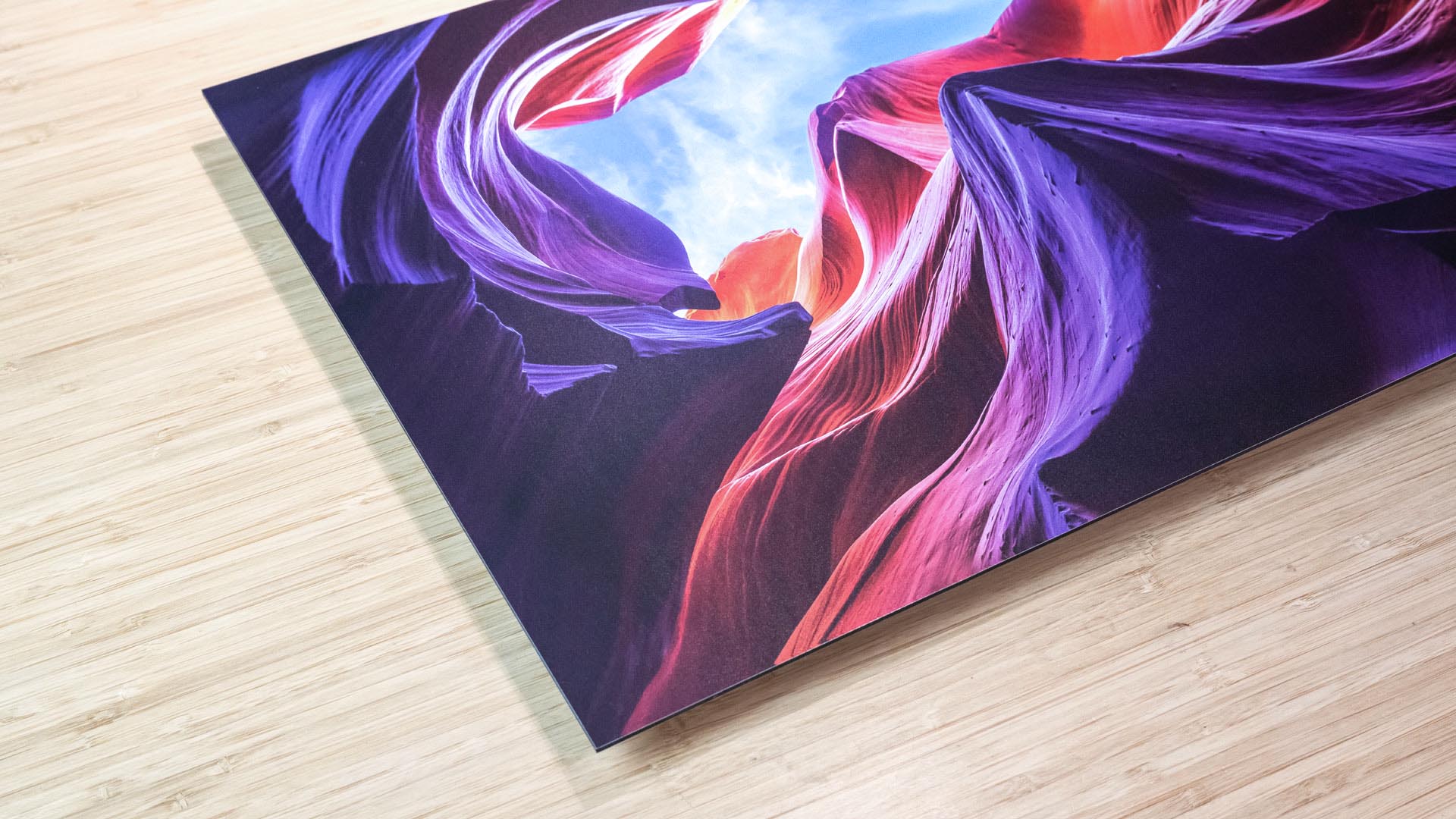
Obtenez une pièce d’art moderne avec cette impression acrylique.
Fine Art fabriqué à partir d’un acrylique poli haut de gamme, le meilleur de sa catégorie, 99,9% optiquement pur et le dernier savoir-faire d’impression à plat.  
Vidéo
[+]

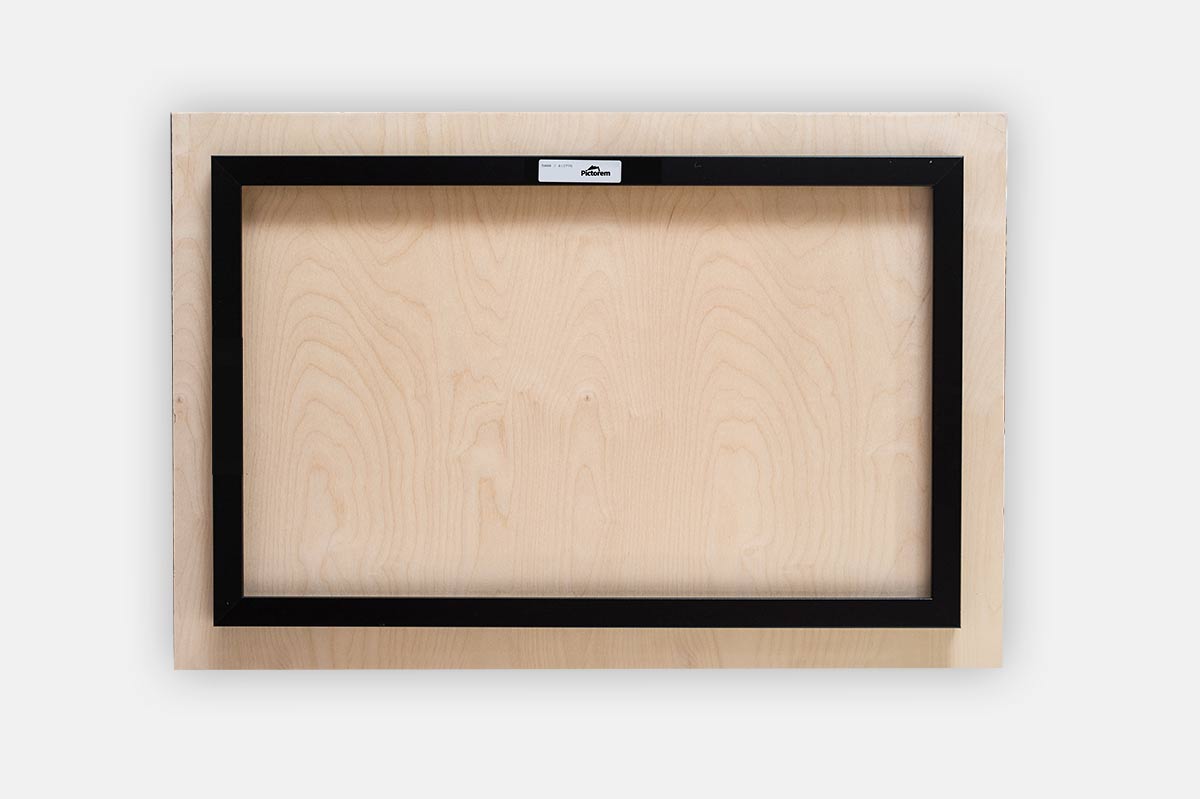
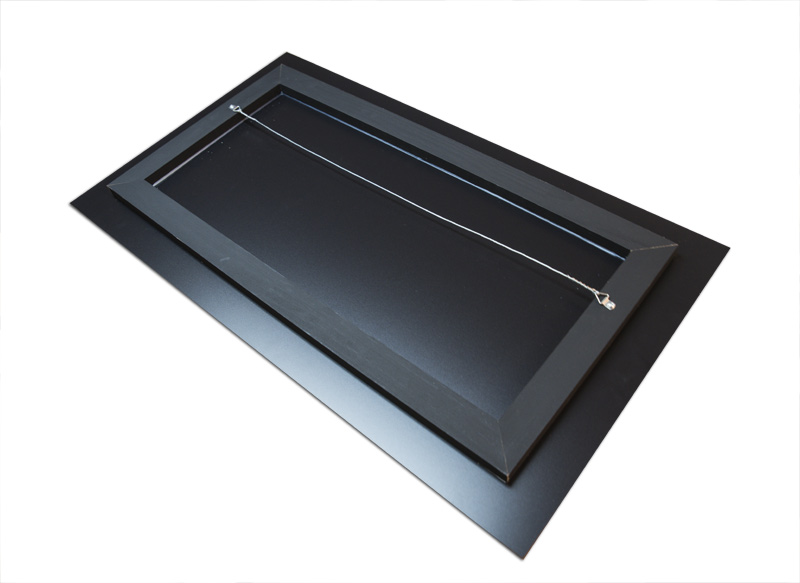
  Impression sur acrylique avec cadre flottant en arrière.
Imprimé jusqu’au bord et prêt à être accroché, avec un cadre flottant à l’arrière.     
1/8" Thickness:
20 x 20 pouces
51 x 51 cm
Aperçu de l’image
$422
24 x 24 pouces
62 x 62 cm
Aperçu de l’image
$550
30 x 30 pouces
77 x 77 cm
Aperçu de l’image
$786
36 x 36 pouces
92 x 92 cm
Aperçu de l’image
$1074
42 x 42 pouces
108 x 108 cm
Aperçu de l’image
$1773
48 x 48 pouces
123 x 123 cm
Aperçu de l’image
$2167
3/16" Thickness:
20 x 20 pouces
51 x 51 cm
Aperçu de l’image
$572
24 x 24 pouces
62 x 62 cm
Aperçu de l’image
$734
30 x 30 pouces
77 x 77 cm
Aperçu de l’image
$1033
36 x 36 pouces
92 x 92 cm
Aperçu de l’image
$1399
42 x 42 pouces
108 x 108 cm
Aperçu de l’image
$2189
48 x 48 pouces
123 x 123 cm
Aperçu de l’image
$2687

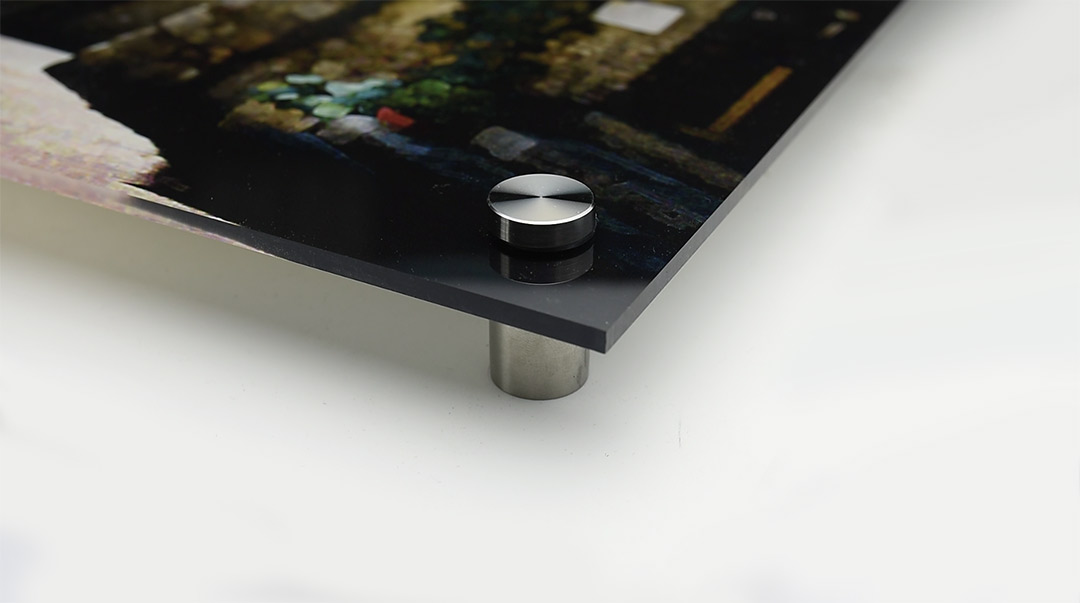
  Impression sur acrylique avec entretoises ( cylindres métalliques )
Imprimé jusqu’au bord et prêt à être accroché, avec 4 cylindres (entretoises) en aluminium ( les vis murales sont incluses )
Nous suggérons un plus acrylique épais (3/16 ") pour les taille plus de 42 pouces, pour garantir un acrylique droit, sans courbure
1/8" Thickness:
20 x 20 pouces
51 x 51 cm
Aperçu de l’image
$422
24 x 24 pouces
62 x 62 cm
Aperçu de l’image
$550
30 x 30 pouces
77 x 77 cm
Aperçu de l’image
$786
36 x 36 pouces
92 x 92 cm
Aperçu de l’image
$1074
42 x 42 pouces
108 x 108 cm
Aperçu de l’image
$1773
48 x 48 pouces
123 x 123 cm
Aperçu de l’image
$2167
3/16" Thickness:
20 x 20 pouces
51 x 51 cm
Aperçu de l’image
$572
24 x 24 pouces
62 x 62 cm
Aperçu de l’image
$734
30 x 30 pouces
77 x 77 cm
Aperçu de l’image
$1033
36 x 36 pouces
92 x 92 cm
Aperçu de l’image
$1399
42 x 42 pouces
108 x 108 cm
Aperçu de l’image
$2189
48 x 48 pouces
123 x 123 cm
Aperçu de l’image
$2687


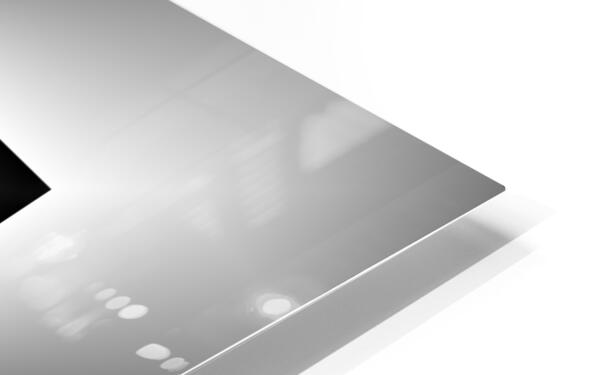
Impression sur metal brossé / Impression lisse en métal blanc

360 View
🔄

Chargement de la visionneuse 3D...

Cliquez et faites glisser pour faire pivoter • Faites défiler pour zoomer

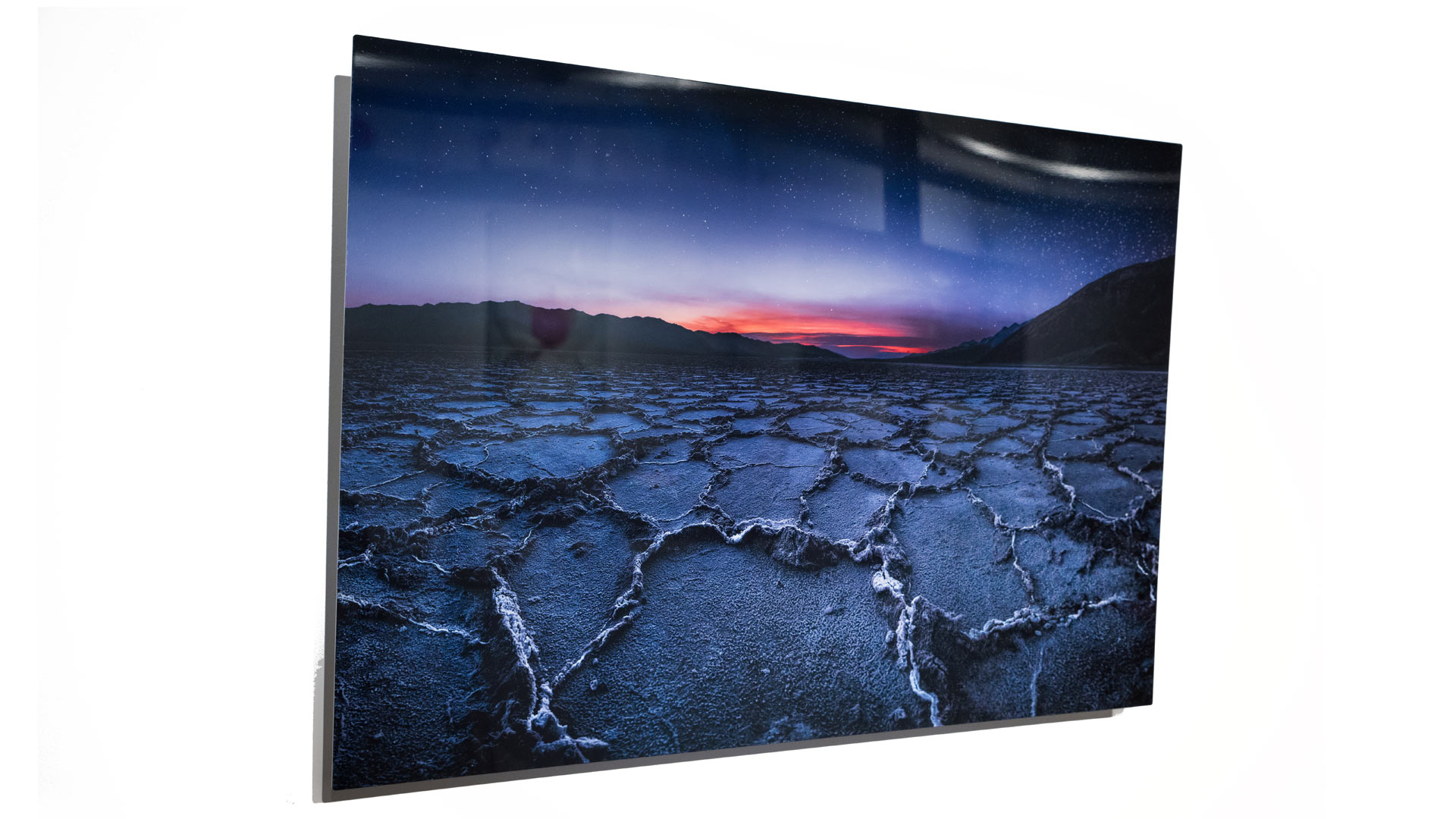
Les sections de la photographie qui sont blanches ou très claires ne sont pas imprimées. Les zones blanches apparaissent métalliques.
Robuste, léger et offre un effet de réflexion de lumière unique [+]

  Impression sur metal brossé et cadre flottant
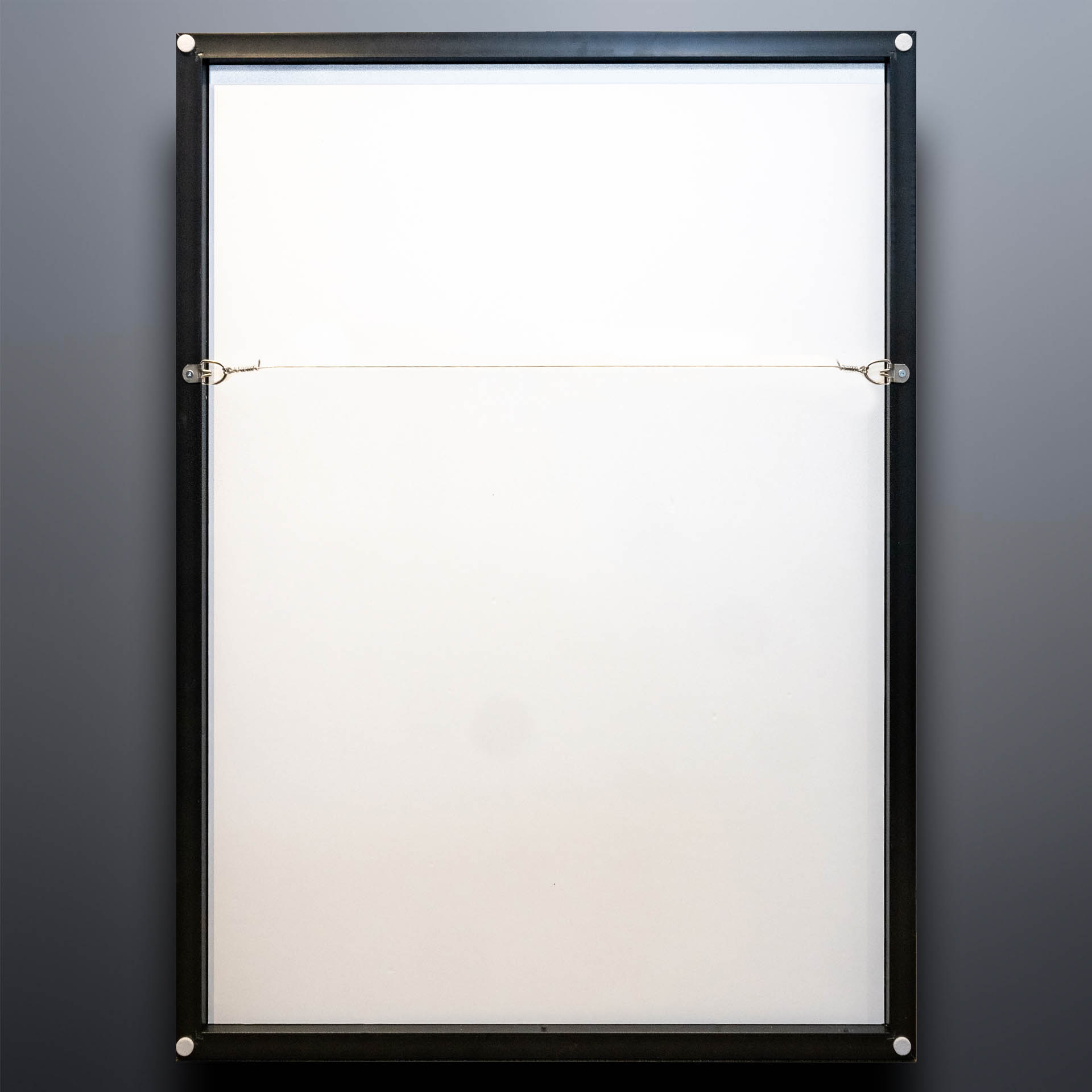
Impression pleine et montage avec un cadre flottant à l’arrière de 3/4 pouce d’épaisseur avec fil de suspension. 
20 x 20 pouces
51 x 51 cm
Aperçu de l’image
$398
24 x 24 pouces
62 x 62 cm
Aperçu de l’image
$520
30 x 30 pouces
77 x 77 cm
Aperçu de l’image
$744
36 x 36 pouces
92 x 92 cm
Aperçu de l’image
$1018
42 x 42 pouces
108 x 108 cm
Aperçu de l’image
$1701
48 x 48 pouces
123 x 123 cm
Aperçu de l’image
$2074

  Impression sur métal brossé avec entretoises
Imprimé jusqu’au bord et prêt à être accroché, avec 4 cylindres (entretoises) en aluminium ( les vis murales sont incluses )
20 x 20 pouces
51 x 51 cm
Aperçu de l’image
$398
24 x 24 pouces
62 x 62 cm
Aperçu de l’image
$520
30 x 30 pouces
77 x 77 cm
Aperçu de l’image
$744
36 x 36 pouces
92 x 92 cm
Aperçu de l’image
$1018
42 x 42 pouces
108 x 108 cm
Aperçu de l’image
$1701
48 x 48 pouces
123 x 123 cm
Aperçu de l’image
$2074

Impression directe sur métal pour fournir une finition satinée lisse et blanche avec réflexion contrôlée de la lumière
Robuste, très léger et offre un effet mat [+]  


  Impression métal blanc avec cadre flottant à l’arrière
Impression pleine et montage avec un cadre flottant à l’arrière de 3/4 pouce d’épaisseur avec fil de suspension. 
20 x 20 pouces
51 x 51 cm
Aperçu de l’image
$398
24 x 24 pouces
62 x 62 cm
Aperçu de l’image
$520
30 x 30 pouces
77 x 77 cm
Aperçu de l’image
$744
36 x 36 pouces
92 x 92 cm
Aperçu de l’image
$1018
42 x 42 pouces
108 x 108 cm
Aperçu de l’image
$1701
48 x 48 pouces
123 x 123 cm
Aperçu de l’image
$2074

  Impression sur métal brossé avec entretoises
Imprimé jusqu’au bord et prêt à être accroché, avec 4 cylindres (entretoises) en aluminium ( les vis murales sont incluses )
20 x 20 pouces
51 x 51 cm
Aperçu de l’image
$398
24 x 24 pouces
62 x 62 cm
Aperçu de l’image
$520
30 x 30 pouces
77 x 77 cm
Aperçu de l’image
$744
36 x 36 pouces
92 x 92 cm
Aperçu de l’image
$1018
42 x 42 pouces
108 x 108 cm
Aperçu de l’image
$1701
48 x 48 pouces
123 x 123 cm
Aperçu de l’image
$2074


HD ChromaLuxe Impression de Sublimation Métal haute brillance

360 View
A.P.Polo - Shadows 2  Impression métal HD avec cadre flottant sur le dos
🔄

Chargement de la visionneuse 3D...

Cliquez et faites glisser pour faire pivoter • Faites défiler pour zoomer

A.P.Polo - Shadows 2 Impression de sublimation métal HD
A.P.Polo - Shadows 2 Impression metal

Brillance des couleurs, durabilité supérieure et qualités archivistiques
Cette oeuvre est produite sur une sublimation de colorant Chromaluxe panneau en métal haute définition  
Vidéo
[+]

  Impression de Sublimation Hi-Gloss sur métal blanc avec cadre arrière
Impression pleine et montage avec un cadre flottant à l’arrière de 3/4 pouce d’épaisseur avec fil de suspension. 
20 x 20 pouces
51 x 51 cm
Aperçu de l’image
$515
24 x 24 pouces
62 x 62 cm
Aperçu de l’image
$690
30 x 30 pouces
77 x 77 cm
Aperçu de l’image
$1013
36 x 36 pouces
92 x 92 cm
Aperçu de l’image
$1407

  Impression de Sublimation Hi-Gloss sur métal blanc avec cadre décoratif
À l’intérieur d’un cadre de décoration (boîte)-cadre flottant noir
20 x 20 pouces
51 x 51 cm
Aperçu de l’image
$617
24 x 24 pouces
62 x 62 cm
Aperçu de l’image
$822
30 x 30 pouces
77 x 77 cm
Aperçu de l’image
$1190
36 x 36 pouces
92 x 92 cm
Aperçu de l’image
$1629


Impression sur bois

360 View
A.P.Polo - Shadows 2  Impression sur bois
🔄

Chargement de la visionneuse 3D...

Cliquez et faites glisser pour faire pivoter • Faites défiler pour zoomer

A.P.Polo - Shadows 2 Impression sur bois

Imprimé avec des encres UV qui procurent une qualité d’image incroyable et qui résistent aux égratignures. Les couleurs ne pâliront pas à travers le temps.
Les zones blanches et très claires ne sont pas imprimées sur le bois, révélant la beauté naturelle de la texture du bois
Imprimé sur un bois large de 3/8 de pouces ( 9mm). Ce bois préparé à partir de merisier russe, il est durable et robuste. [+]

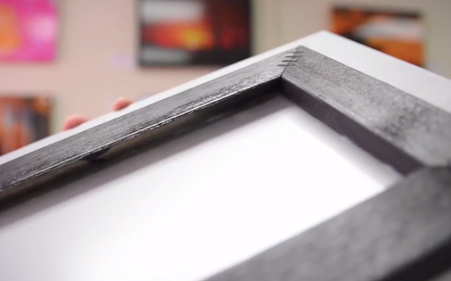
Impression sur bois avec cadre flottant arrière
Impression pleine et montage avec un cadre flottant à l’arrière  
Vidéo
[+]
20 x 20 pouces
51 x 51 cm
Aperçu de l’image
$370
24 x 24 pouces
62 x 62 cm
Aperçu de l’image
$482
30 x 30 pouces
77 x 77 cm
Aperçu de l’image
$687
36 x 36 pouces
92 x 92 cm
Aperçu de l’image
$938
42 x 42 pouces
108 x 108 cm
Aperçu de l’image
$1592
48 x 48 pouces
123 x 123 cm
Aperçu de l’image
$1934


Impression en Rouleau.

Nous expédions dans le monde entier!

Impression sur toile giclée Livrée en rouleau
 
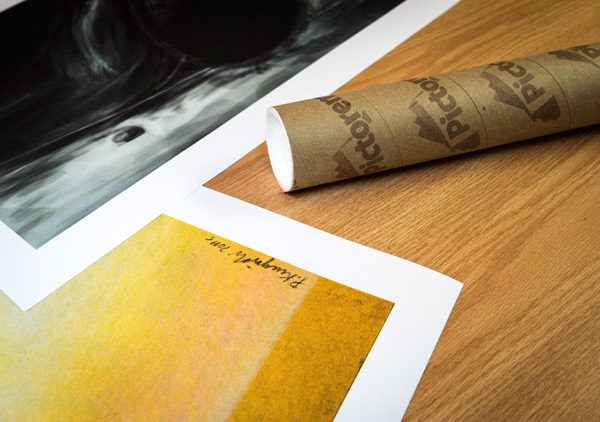
Imprimé sur du papier peint mat Fine Art - Fourni à l’intérieur d’un tube d’expédition solide [+]
20 x 20 pouces
51 x 51 cm
Aperçu de l’image
$133
24 x 24 pouces
62 x 62 cm
Aperçu de l’image
$166
30 x 30 pouces
77 x 77 cm
Aperçu de l’image
$226
36 x 36 pouces
92 x 92 cm
Aperçu de l’image
$299
42 x 42 pouces
108 x 108 cm
Aperçu de l’image
$386
48 x 48 pouces
123 x 123 cm
Aperçu de l’image
$486
55 x 55 pouces
141 x 141 cm
Aperçu de l’image
$620


Papier giclée sans acide de première qualité
 
Imprimé sur papier photo satiné - ( Affiche ) Fourni à l’intérieur d’un tube d’envoi Strong [+]
20 x 20 pouces
51 x 51 cm
Aperçu de l’image
$102
24 x 24 pouces
62 x 62 cm
Aperçu de l’image
$121
30 x 30 pouces
77 x 77 cm
Aperçu de l’image
$157
36 x 36 pouces
92 x 92 cm
Aperçu de l’image
$200
42 x 42 pouces
108 x 108 cm
Aperçu de l’image
$250
48 x 48 pouces
123 x 123 cm
Aperçu de l’image
$309
55 x 55 pouces
141 x 141 cm
Aperçu de l’image
$387


Giclée Art Matte Paper Print
 
Imprimé sur un papier mat d’archives de qualité supérieure avec une texture lisse et un blanc neutre - Fourni à l’intérieur d’un tube d’expédition Strong [+]
20 x 20 pouces
51 x 51 cm
Aperçu de l’image
$144
24 x 24 pouces
62 x 62 cm
Aperçu de l’image
$181
30 x 30 pouces
77 x 77 cm
Aperçu de l’image
$250
36 x 36 pouces
92 x 92 cm
Aperçu de l’image
$333
42 x 42 pouces
108 x 108 cm
Aperçu de l’image
$433


Impression murale

Facile à installer. Vinyle auto-adhésif, lavable et repositionnable [+]
Vidéo
Pour obtenir le prix de votre murale, Entrez les mesures de votre mur :

POUCE PIED CM
Largeur: in.
Hauteur : in.
Width: ft in
Heigth: ft in
Width: cm
Heigth: cm


Notre technologie de 10 couleurs
Nos peintures murales sont produites sur des imprimantes avec une qualité d’impression photographique exceptionnelle. Une résolution d’image extrême : qualité d'image photographique
avec la gamme de couleurs plus grande de sa catégorie

Facile à installer
Notre impression murale peut être enlevée sans aucun dommage à vos murs. Facile à modifier ou à supprimer. Nous utilisons un média de 6 mil auto-adhésif en vinyle avec une texture subtile de lin-coton.
Changer l’apparence d’une pièce sans avoir à utiliser du papier peint traditionnel. Nos impressions murales deviennent la solution parfaite pour améliorer facilement n’importe quel espace résidentiel ou commercial !

Vinyle autocollant repositionnable livré par bande de 35 à 45 pouces de largeur qui se chevauchent légèrement pour faciliter l’installation.
[Plus d’infos sur nos impressions murales]
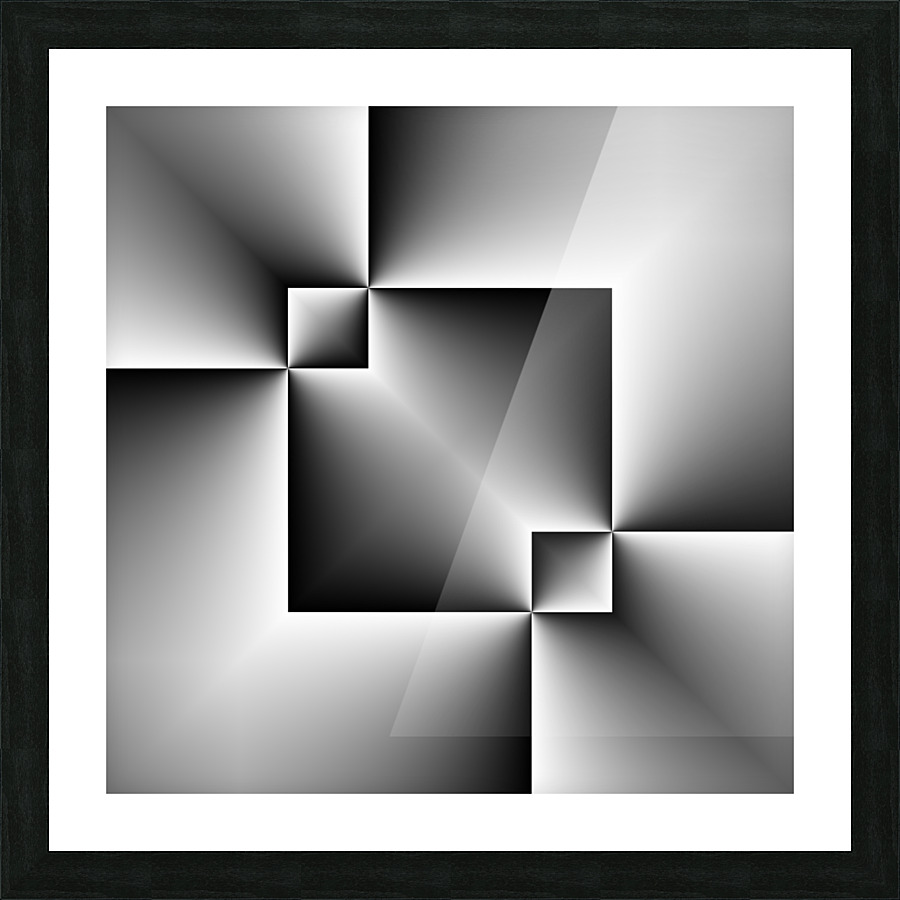
Impression encadrée Afficher en 3D

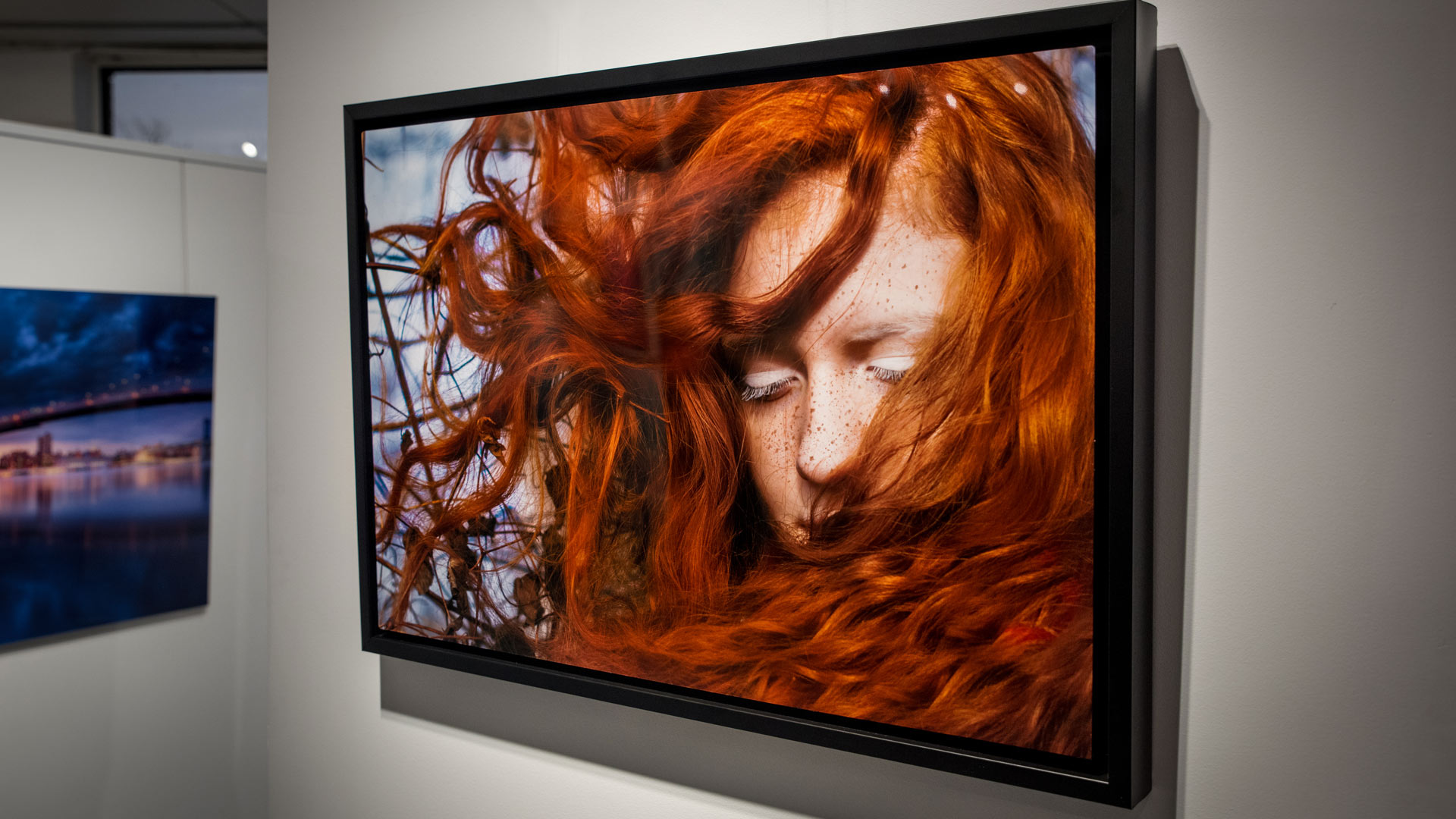
Pour obtenir "A.P.Polo - Shadows 2" dans une impression encadrée.
Entièrement personnalisable - à la taille exacte que vous désirez. Sélectionnez le type de papier, le verre, le mat et le cadre de décoration
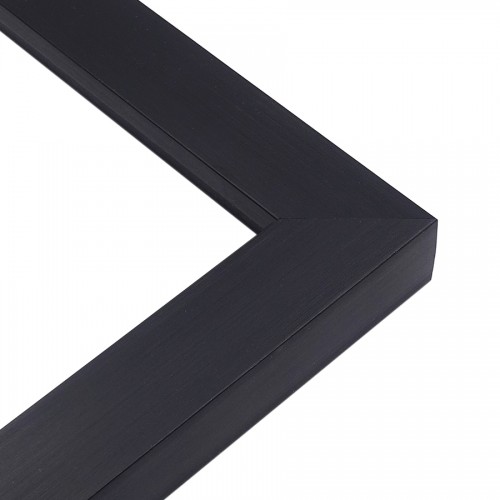
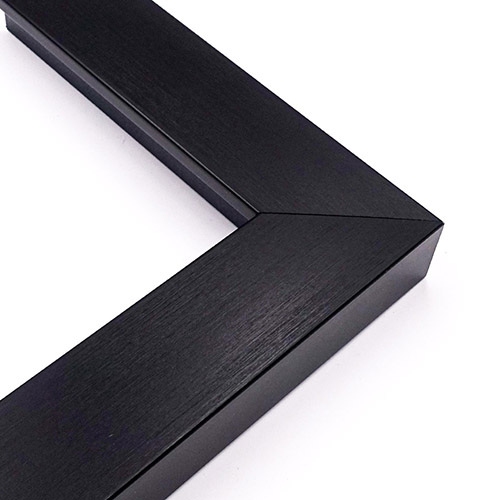
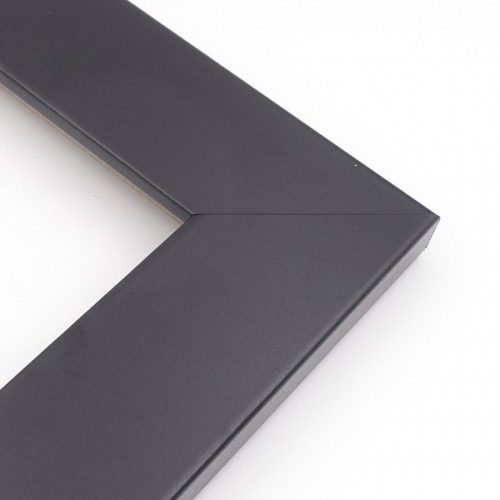
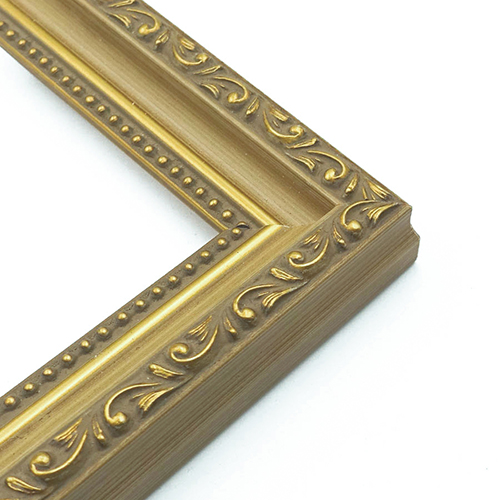
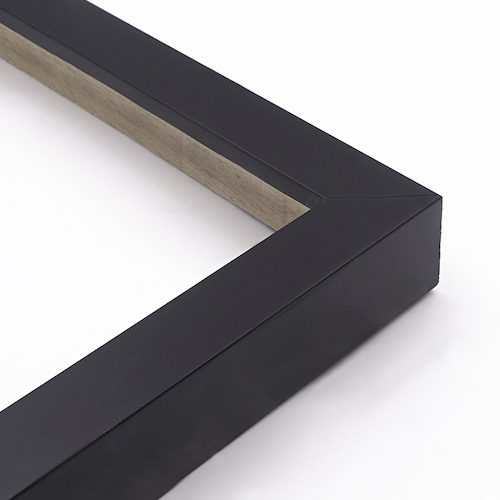
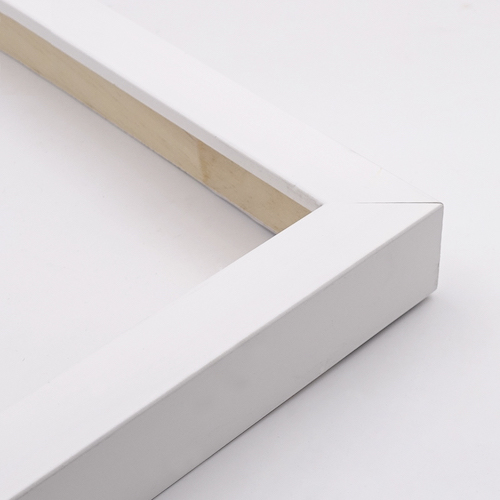
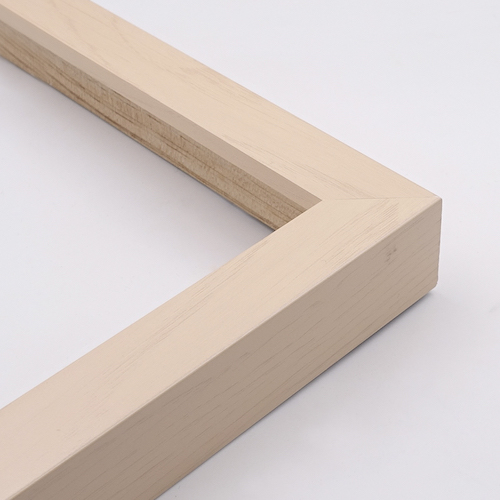
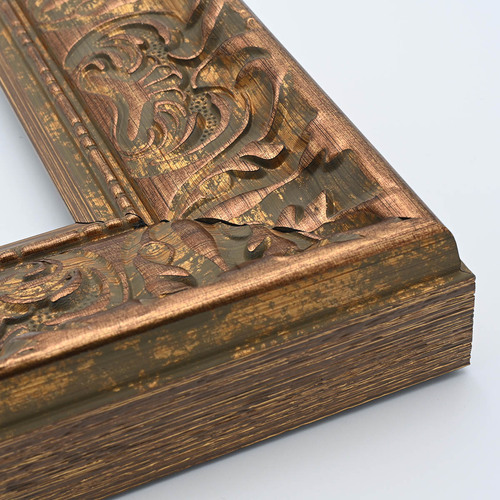
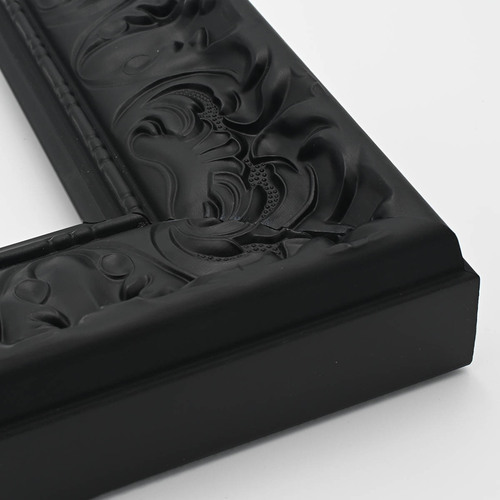
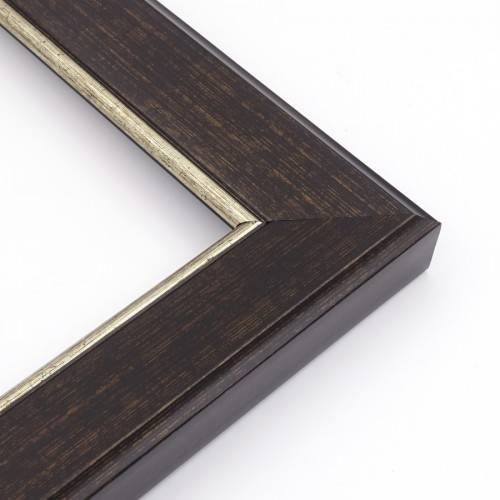
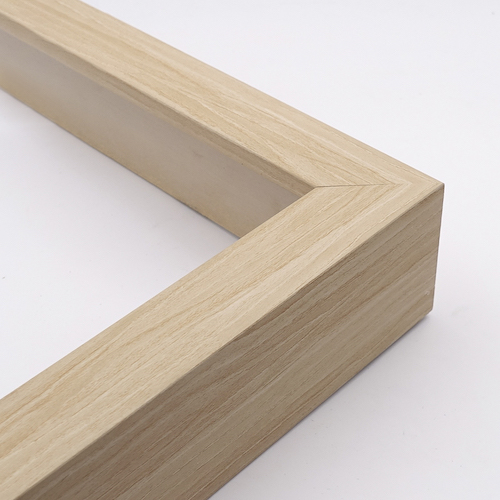
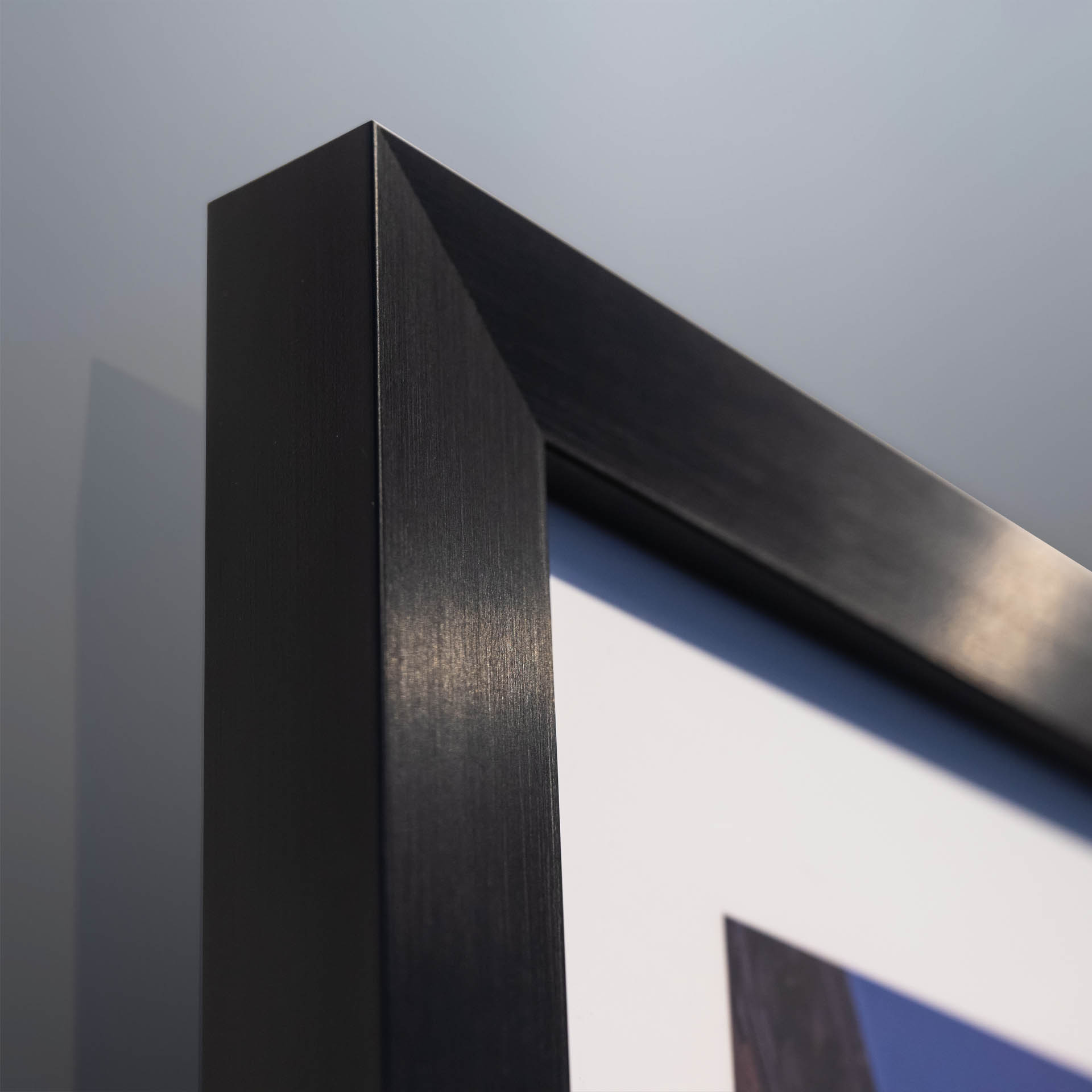
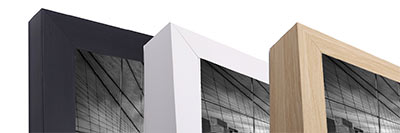
Commencez à construire votre impression encadrée personnalisée en sélectionnant l’une des moulures suivantes:
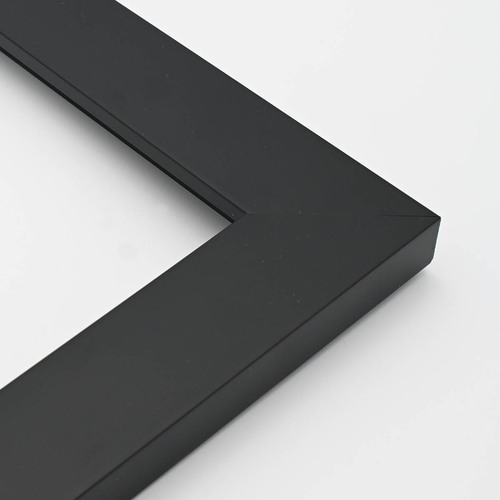
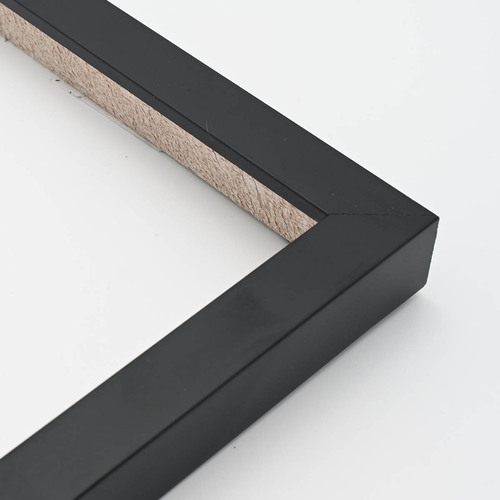
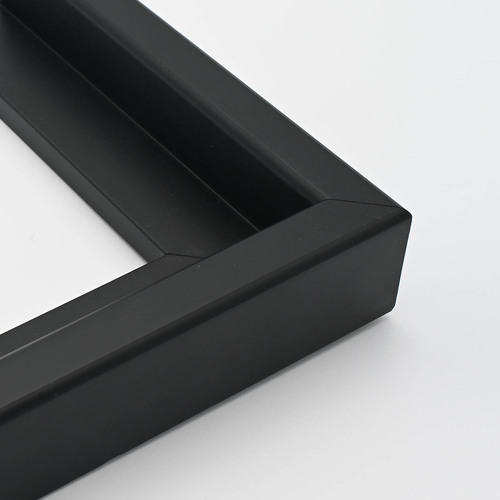
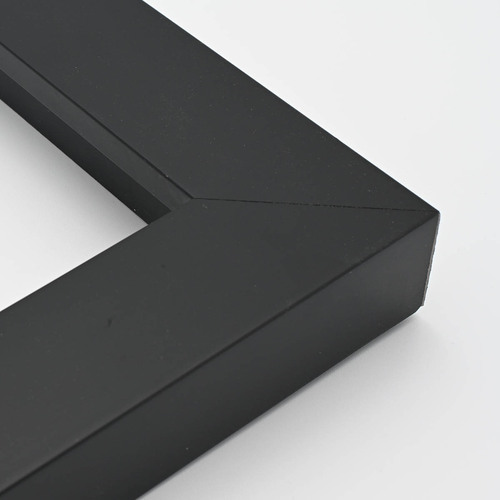
A.P.Polo - Shadows 2 Cadre photo
Modèle de cadre illustré : 832-745

MOULURE DÉCORATIVES
MOULURE DÉCORATIVES
MOULURE DÉCORATIVES
MOULURE DÉCORATIVES
MOULURE DÉCORATIVES
MOULURE DÉCORATIVES
MOULURE DÉCORATIVES
MOULURE DÉCORATIVES
MOULURE DÉCORATIVES
MOULURE DÉCORATIVES
MOULURE DÉCORATIVES
MOULURE DÉCORATIVES
MOULURE DÉCORATIVES
MOULURE DÉCORATIVES
MOULURE DÉCORATIVES

Impression encadrée de format standard

   [+]  
Vidéo

28 x 28"
$373
28 x 28" Framed Print Afficher en 3D

A.P.Polo - Shadows 2 Impression du cadre
Surface imprimée: 24 x 24"
Total Intérieur de la surface: 28.00 x 28.00"
Bordure blanche: 2" on each side
Largeur de l'image: 1.25" on each side
Dimension physique totale: 29.25 x 29.25"

Frame model: 832-745
Printing method: 1200dpi UV cured ink on fine art matte board
Ready to hang with wire at the back

Horloge murale

Détails du produit

Cette œuvre d'art est réalisée en acrylique de haute qualité Prêt à être accroché.   
Vidéo

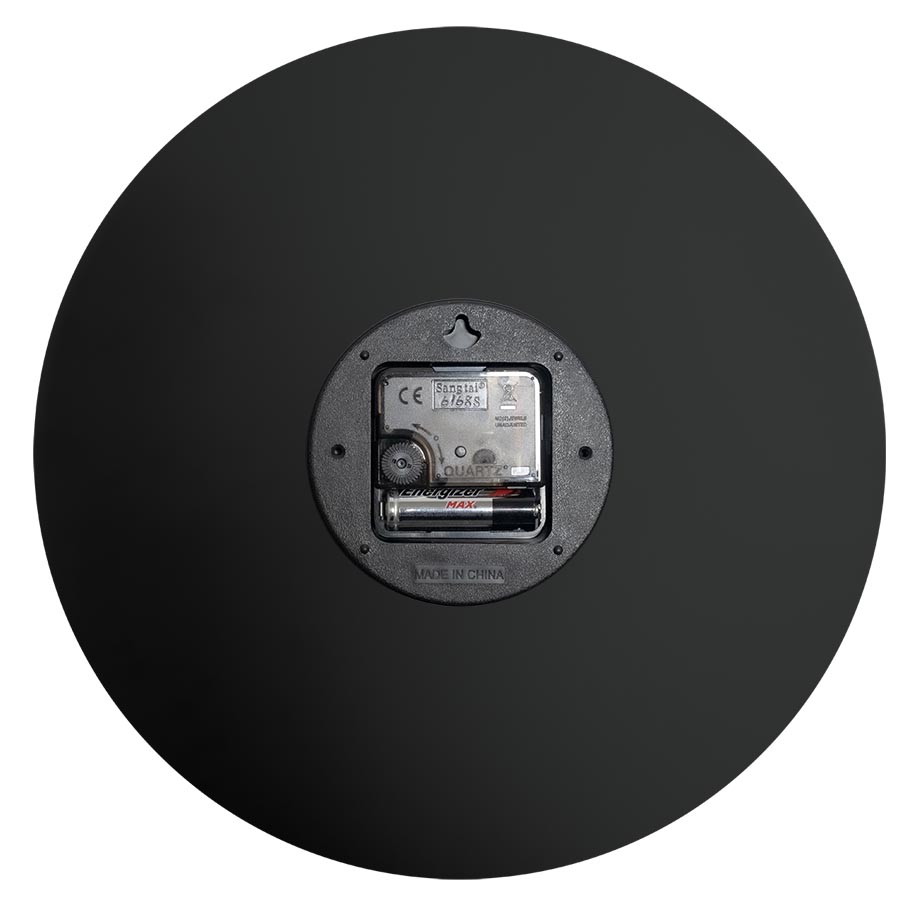
Mécanisme d'horloge avec un mouvement à quartz précis. Pile incluse
Disponible en format carré ou rond
Disponible en 12" 16" 24"

Créer le vôtre

Téléchargement Numérique

Résolution du fichier: 6226 x 6226 pixels


SUR CETTE OEUVRE: A.P.POLO - SHADOWS 2
A.P.Polo - "Shadows 2" - Hamburg (Germany) - New Media Art. Abstract, contemporary work that creates the impression of space and depth in a monochrome way with the use of light and shadow and can be classified as constructivism or concrete art, while also using elements of Op Art. Monochromatic painting has been an important component of avant-garde visual art throughout the 20th century and into the 21st century. Painters have created the exploration of one color, examining values changing across a surface, texture, and nuance, expressing a wide variety of emotions, intentions, and meanings in many different forms. From geometric precision to expressionism, the monochrome has proved to be a durable idiom in Contemporary art. Monochrome painting was initiated at the first Incoherent arts' exhibition in 1882 in Paris, with a black painting by poet Paul Bilhaud entitled Combat de Nègres dans un tunnel (Negroes fight in a tunnel). (Although Bilhaud was not the first to create an all-black artwork: for example, Robert Fludd published an image of Darkness in his 1617 book on the origin and structure of the cosmos; and Bertall published his black Vue de La Hogue (effet de nuit) in 1843.) In the subsequent exhibitions of the Incoherent arts (also in the 1880s) the writer Alphonse Allais proposed other monochrome paintings, such as "Première communion de jeunes filles chlorotiques par un temps de neige" ("First communion of anaemic young girls in the snow", white), or "Récolte de la tomate par des cardinaux apoplectiques au bord de la Mer Rouge" ("Tomato harvesting by apoplectic cardinals on the shore of the Red Sea", red). Allais published his Album primo-avrilesque in 1897, a monograph with seven monochrome artworks. However, this kind of activity bears more similarity to 20th century Dada, or Neo-Dada, and particularly the works of the Fluxus group of the 1960s, than to 20th century monochrome painting since Malevich. Jean Metzinger, following the Succès de scandale created from the Cubist showing at the 1911 Salon des Indépendants, in an interview with Cyril Berger published in Paris-Journal 29 May 1911, stated: "We cubists have only done our duty by creating a new rhythm for the benefit of humanity. Others will come after us who will do the same. What will they find? That is the tremendous secret of the future. Who knows if someday, a great painter, looking with scorn on the often brutal game of supposed colorists and taking the seven colors back to the primordial white unity that encompasses them all, will not exhibit completely white canvases, with nothing, absolutely nothing on them. (Jean Metzinger, 29 May 1911)" Metzinger's (then) audacious prediction that artists would take abstraction to its logical conclusion by vacating representational subject matter entirely and returning to what Metzinger calls the "primordial white unity", a "completely white canvas" would be realized two years later. The writer of a satirical manifesto entitled Manifeste de l'école amorphiste, published in Les Hommes du Jour (3 May 1913), may have had Metzinger's vision in mind when the author justified amorphism's blank canvases by claiming 'light is enough for us'.With perspective, writes art historian Jeffery S. Weiss, "Vers Amorphisme may be gibberish, but it was also enough of a foundational language to anticipate the extreme reductivist implications of non-objectivity". In a broad and general sense, one finds European roots of minimalism in the geometric abstractions of painters associated with the Bauhaus, in the works of Kazimir Malevich, Piet Mondrian and other artists associated with the De Stijl movement, and the Russian Constructivist movement, and in the work of the Romanian sculptor Constantin Brâncu?i. Minimal art is also inspired in part by the paintings of Barnett Newman, Ad Reinhardt, Josef Albers, and the works of artists as diverse as Pablo Picasso, Marcel Duchamp, Giorgio Morandi, and others. Minimalism was also a reaction against the painterly subjectivity of Abstract Expressionism that had been dominant in the New York School during the 1940s and 1950s. The wide range of possibilities (including impossibility) of interpretation of monochrome paintings is arguably why the monochrome is so engaging to so many artists, critics, and writers. Although the monochrome has never become dominant and few artists have committed themselves exclusively to it, it has never gone away. It reappears as though a spectre haunting high modernism, or as a symbol of it, appearing during times of aesthetic and sociopolitical upheavals. Monochrome painting as it is usually understood today began in Moscow, with Suprematist Composition: White on White of 1918 by Suprematist artist Kazimir Malevich. This was a variation on or sequel to his 1915 work Black Square on a White Field, a very important work in its own right to 20th century geometric abstraction. In 1921, Constructivist artist Alexander Rodchenko exhibited three paintings together, each a monochrome of one of the three primary colours. He intended this work to represent The Death of Painting. While Rodchenko intended his monochrome to be a dismantling of the typical assumptions of painting, Malevich saw his work as a concentration on them, a kind of meditation on art's essence (“pure feeling”). These two approaches articulated very early on in its history this kind of work's almost paradoxical dynamic: that one can read a monochrome either as a flat surface (material entity or “painting as object”) which represents nothing but itself, and therefore representing an ending in the evolution of illusionism in painting (i.e. Rodchenko); or as a depiction of multidimensional (infinite) space, a fulfillment of illusionistic painting, representing a new evolution—a new beginning—in Western painting's history (Malevich). Additionally, many have pointed out that it may be difficult to deduce the artist's intentions from the painting itself, without referring to the artist's comment. Constructivism was an artistic and architectural philosophy that originated in Russia beginning in 1915 by Vladimir Tatlin and Alexander Rodchenko. Abstract and austere, constructivist art aimed to reflect modern industrial society and urban space. The movement rejected decorative stylization in favor of the industrial assemblage of materials. Constructivists were in favour of art for propaganda and social purposes, and were associated with Soviet socialism, the Bolsheviks and the Russian avant-garde. Constructivist architecture and art had a great effect on modern art movements of the 20th century, influencing major trends such as the Bauhaus and De Stijl movements. Its influence was widespread, with major effects upon architecture, sculpture, graphic design, industrial design, theatre, film, dance, fashion and, to some extent, music. Concrete art was an art movement with a strong emphasis on geometrical abstraction. The term was first formulated by Theo van Doesburg and was then used by him in 1930 to define the difference between his vision of art and that of other abstract artists of the time. After his death in 1931, the term was further defined and popularized by Max Bill, who organized the first international exhibition in 1944 and went on to help promote the style in Latin America. The term was taken up widely after World War 2 and promoted through a number of international exhibitions and art movements. Op art, short for optical art, is a style of visual art that uses optical illusions. Op art works are abstract, with many better known pieces created in black and white. Typically, they give the viewer the impression of movement, hidden images, flashing and vibrating patterns, or of swelling or warping. The antecedents of op art, in terms of graphic and color effects, can be traced back to Neo-impressionism, Cubism, Futurism, Constructivism and Dada. László Moholy-Nagy produced photographic op art and taught the subject in the Bauhaus. One of his lessons consisted of making his students produce holes in cards and then photographing them. Time magazine coined the term op art in 1964, in response to Julian Stanczak's show Optical Paintings at the Martha Jackson Gallery, to mean a form of abstract art (specifically non-objective art) that uses optical illusions. Works now described as "op art" had been produced for several years before Time's 1964 article. For instance, Victor Vasarely's painting Zebras (1938) is made up entirely of curvilinear black and white stripes not contained by contour lines. Consequently, the stripes appear to both meld into and burst forth from the surrounding background. Also, the early black and white "dazzle" panels that John McHale installed at the This Is Tomorrow exhibit in 1956 and his Pandora series at the Institute of Contemporary Arts in 1962 demonstrate proto-op art tendencies. Martin Gardner featured op Art and its relation to mathematics in his July 1965 Mathematical Games column in Scientific American. In Italy, Franco Grignani, who originally trained as an architect, became a leading force of graphic design where op art or kinetic art was central. His Woolmark logo (launched in Britain in 1964) is probably the most famous of all his designs. Op art perhaps more closely derives from the constructivist practices of the Bauhaus. This German school, founded by Walter Gropius, stressed the relationship of form and function within a framework of analysis and rationality. Students learned to focus on the overall design or entire composition to present unified works. Op art also stems from trompe-l'œil and anamorphosis. Links with psychological research have also been made, particularly with Gestalt theory and psychophysiology. When the Bauhaus was forced to close in 1933, many of its instructors fled to the United States. There, the movement took root in Chicago and eventually at the Black Mountain College in Asheville, North Carolina, where Anni and Josef Albers eventually taught.

Cette oeuvre peut être expédiée partout dans le monde lorsqu’elle est commandée en rouleau ( affiche ou toile )
Tout autre format, y compris la toile tendue, l'acrylique, etc., n'est expédié qu'aux États-Unis continentaux et au Canada (frais de port gratuits)

Signaler cette œuvre d'art
Imprimez en Un Plantez en Un
Un arbre planté pour chaque impression.  Pictorem soutient Trees for the Future, une organisation à but non lucratif 501 (c) 3, qui gère un programme agroforestier pour restaurer les arbres sur les terres dégradées en travaillant avec les petits agriculteurs.

CRÉER UN COMPTE

COMPTE UTILISATEUR OUBLIÉ ?

HAUT