Chargement en cours…
ON GÉNÈRE L’IMAGE. VEUILLEZ PATIENTER …

J’aime ça
# 328026

A.P.POLO - RECYCLING


Disponible sur:
Pictorem Reviews 4.8 Average Rating by 126.2k clients

Voir cette oeuvre sur différents murs
Wall decor artwork generator Wall decor artwork generator Wall decor artwork generator


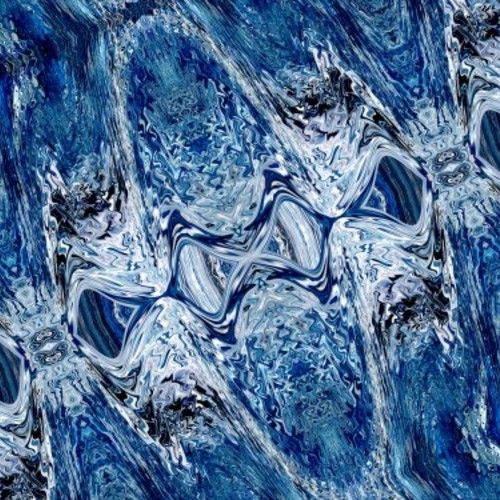
A.P.Polo - "Recycling" - Hamburg (Germany) - New Media Art. Abstract, contemporary work of art that attempts to represent the concept of recycling in ...[+]


1173 vues


Facebook Pinterest Envoyez à un(e) ami(e)


Mots clés:
[+] expand
Chercher des images avec des couleurs dominantes similaires :

Impression Giclée sur toile

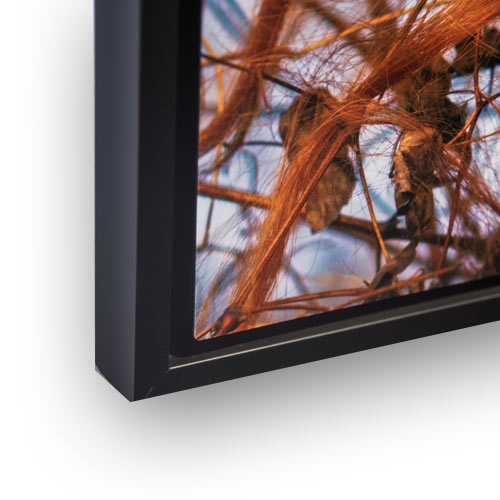
Toutes nos toiles étirées sont faites sur-mesure, à partir d’une toile d’exposition de 410g/m2 Bois large de 1.5 pouce de style “galerie”.     
Impression Giclée avec encre pigmentée conçue pour répondre aux exigences de longévité de musées et galeries et assurer l’uniformité des nuances de couleur pour plus de 200 ans. [+]

Impression sur toile étirée   Expédition aux USA & Canada
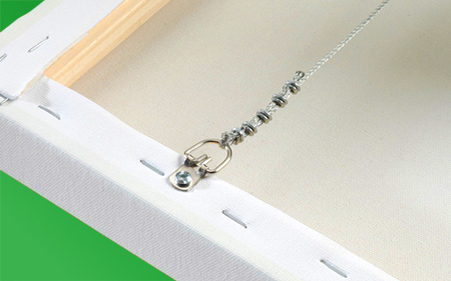
Prêt à être accroché - Tendu sur cadre en bois d’une épaisseur de 1,5 pouces.
20 x 20 pouces
51 x 51 cm
Aperçu de l’image
$139
24 x 24 pouces
62 x 62 cm
Aperçu de l’image
$150
30 x 30 pouces
77 x 77 cm
Aperçu de l’image
$207
36 x 36 pouces
92 x 92 cm
Aperçu de l’image
$278
42 x 42 pouces
108 x 108 cm
Aperçu de l’image
$559
48 x 48 pouces
123 x 123 cm
Aperçu de l’image
$635


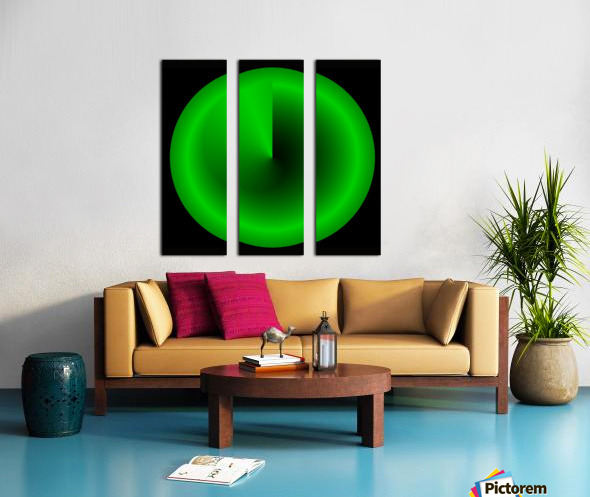
Toile étirée en plusieurs panneaux


A.P.Polo - Recycling Impression sur toile
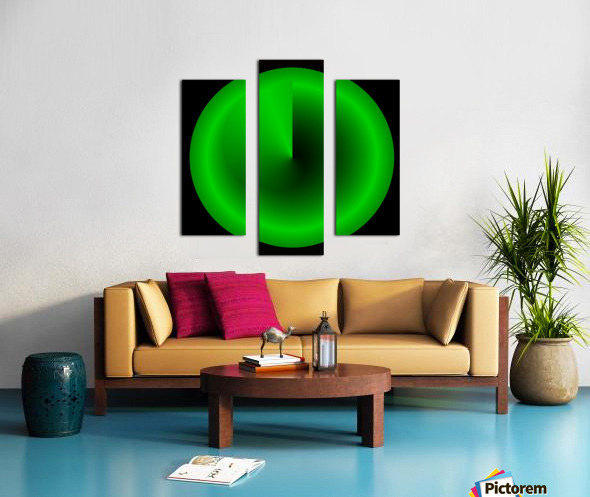
36 x 36 Triptique ( croix )
39 x 36 en comprenant l’espace.
1x12x36   2X [ 12X30
$344

Impression acrylique

360 View
🔄

Chargement de la visionneuse 3D...

Cliquez et faites glisser pour faire pivoter • Faites défiler pour zoomer
360 View
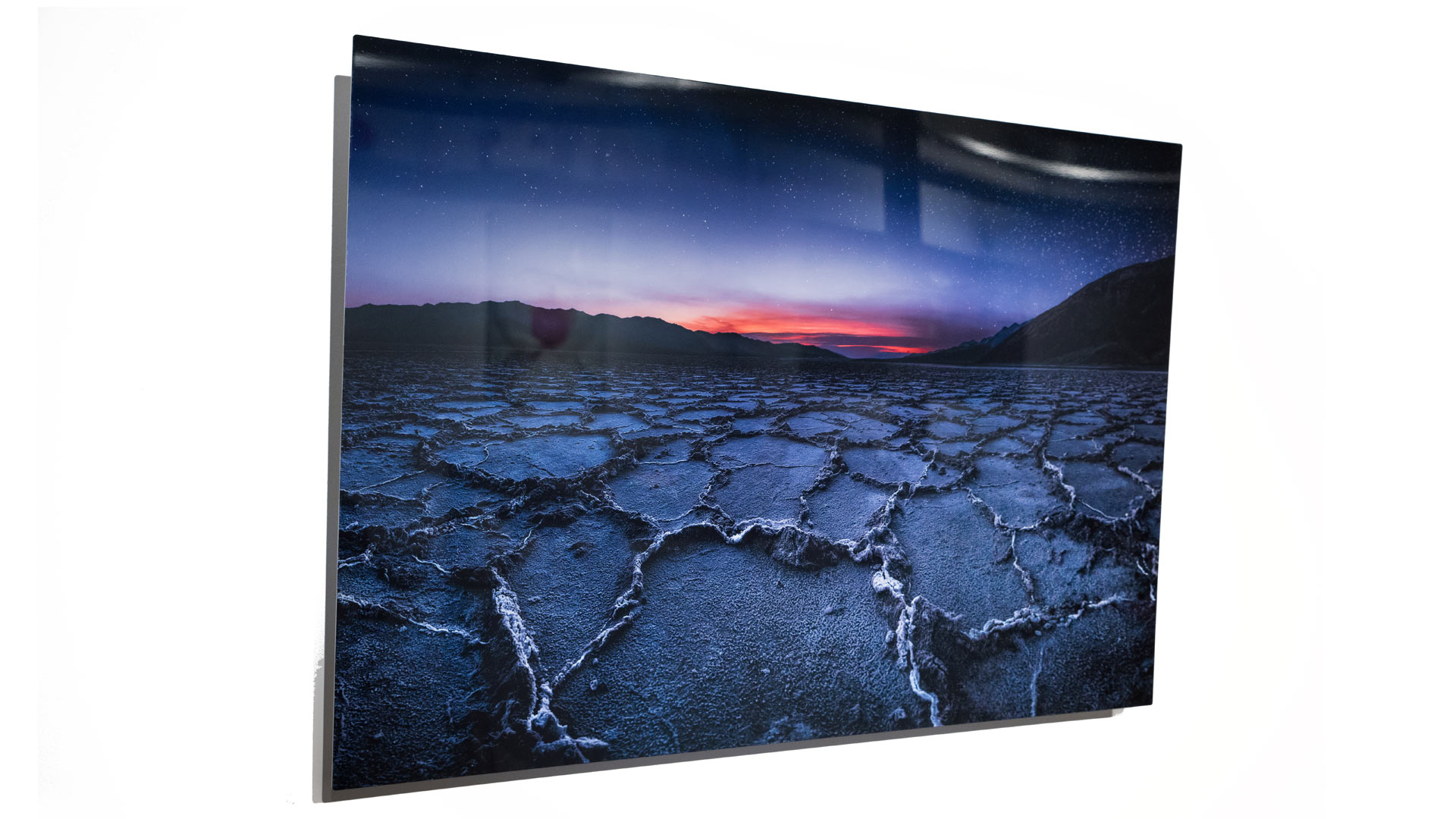
Obtenez une pièce d’art moderne avec cette impression acrylique.
Fine Art fabriqué à partir d’un acrylique poli haut de gamme, le meilleur de sa catégorie, 99,9% optiquement pur et le dernier savoir-faire d’impression à plat.  
Vidéo
[+]

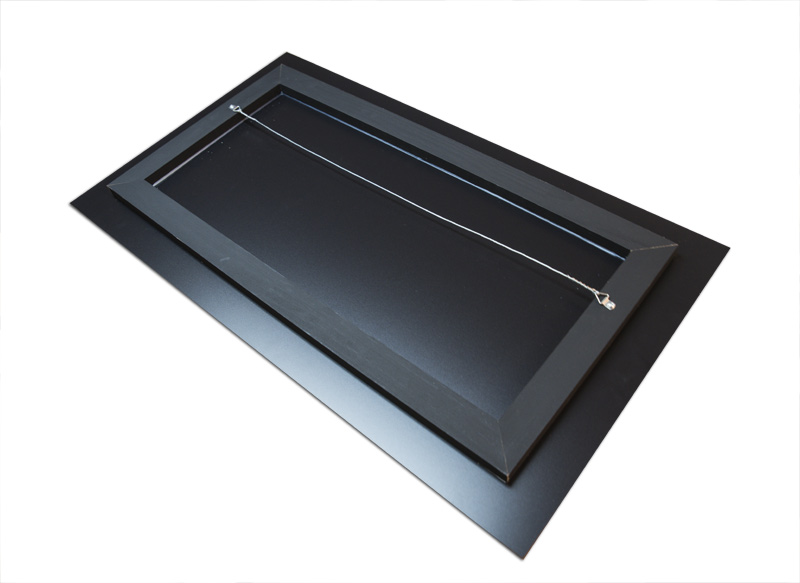
  Impression sur acrylique avec cadre flottant en arrière.
Imprimé jusqu’au bord et prêt à être accroché, avec un cadre flottant à l’arrière.     
1/8" Thickness:
20 x 20 pouces
51 x 51 cm
Aperçu de l’image
$208
24 x 24 pouces
62 x 62 cm
Aperçu de l’image
$271
30 x 30 pouces
77 x 77 cm
Aperçu de l’image
$388
36 x 36 pouces
92 x 92 cm
Aperçu de l’image
$530
42 x 42 pouces
108 x 108 cm
Aperçu de l’image
$875
48 x 48 pouces
123 x 123 cm
Aperçu de l’image
$1069
3/16" Thickness:
20 x 20 pouces
51 x 51 cm
Aperçu de l’image
$282
24 x 24 pouces
62 x 62 cm
Aperçu de l’image
$362
30 x 30 pouces
77 x 77 cm
Aperçu de l’image
$510
36 x 36 pouces
92 x 92 cm
Aperçu de l’image
$690
42 x 42 pouces
108 x 108 cm
Aperçu de l’image
$1080
48 x 48 pouces
123 x 123 cm
Aperçu de l’image
$1326

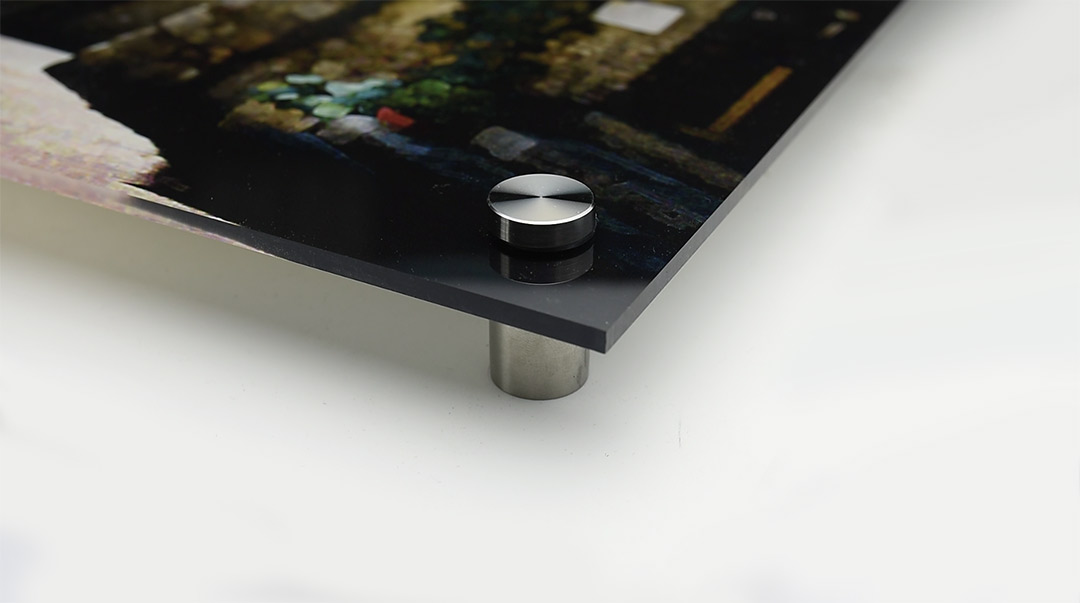
  Impression sur acrylique avec entretoises ( cylindres métalliques )
Imprimé jusqu’au bord et prêt à être accroché, avec 4 cylindres (entretoises) en aluminium ( les vis murales sont incluses )
Nous suggérons un plus acrylique épais (3/16 ") pour les taille plus de 42 pouces, pour garantir un acrylique droit, sans courbure
1/8" Thickness:
20 x 20 pouces
51 x 51 cm
Aperçu de l’image
$208
24 x 24 pouces
62 x 62 cm
Aperçu de l’image
$271
30 x 30 pouces
77 x 77 cm
Aperçu de l’image
$388
36 x 36 pouces
92 x 92 cm
Aperçu de l’image
$530
42 x 42 pouces
108 x 108 cm
Aperçu de l’image
$875
48 x 48 pouces
123 x 123 cm
Aperçu de l’image
$1069
3/16" Thickness:
20 x 20 pouces
51 x 51 cm
Aperçu de l’image
$282
24 x 24 pouces
62 x 62 cm
Aperçu de l’image
$362
30 x 30 pouces
77 x 77 cm
Aperçu de l’image
$510
36 x 36 pouces
92 x 92 cm
Aperçu de l’image
$690
42 x 42 pouces
108 x 108 cm
Aperçu de l’image
$1080
48 x 48 pouces
123 x 123 cm
Aperçu de l’image
$1326


Impression sur metal brossé / Impression lisse en métal blanc

360 View
🔄

Chargement de la visionneuse 3D...

Cliquez et faites glisser pour faire pivoter • Faites défiler pour zoomer

Les sections de la photographie qui sont blanches ou très claires ne sont pas imprimées. Les zones blanches apparaissent métalliques.
Robuste, léger et offre un effet de réflexion de lumière unique [+]

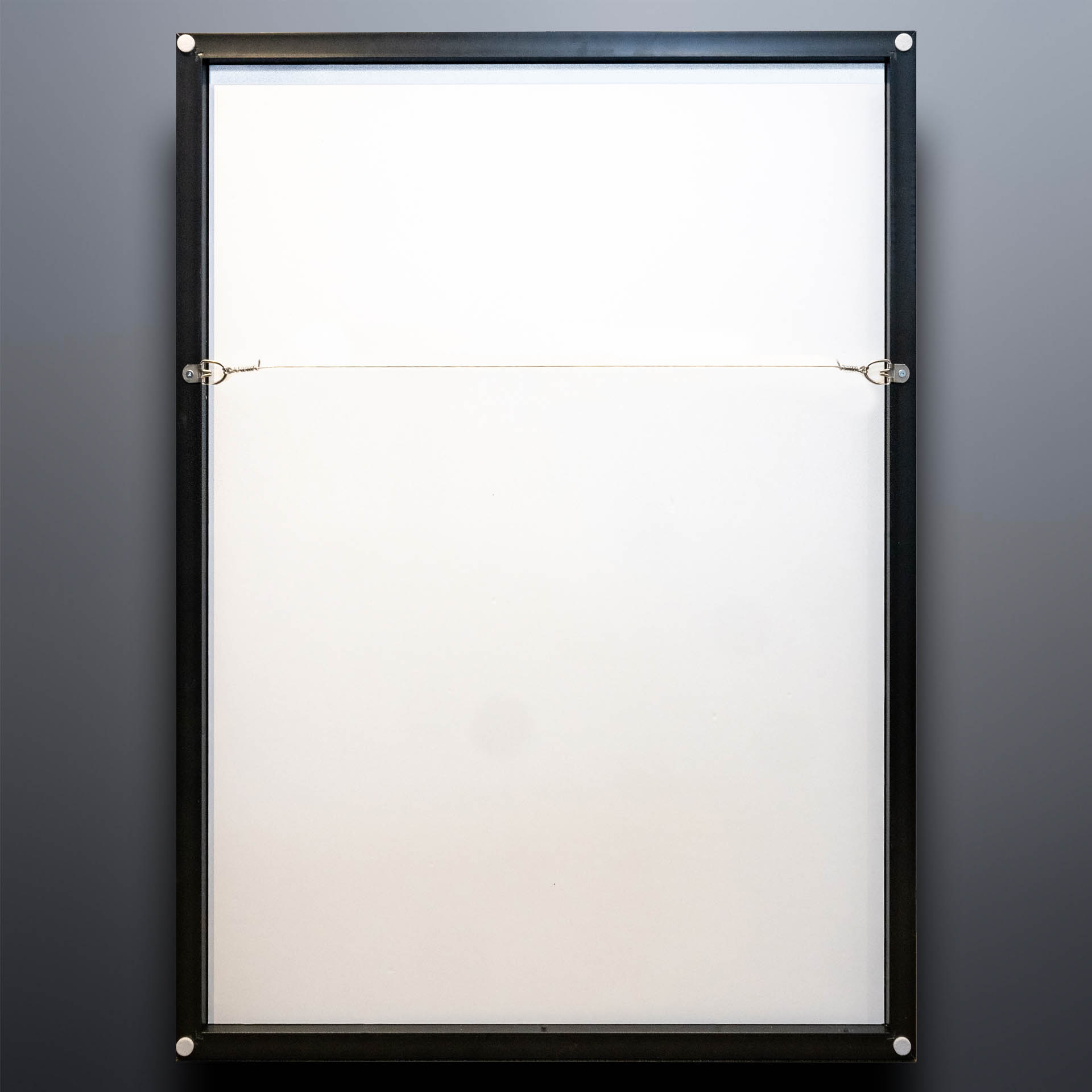
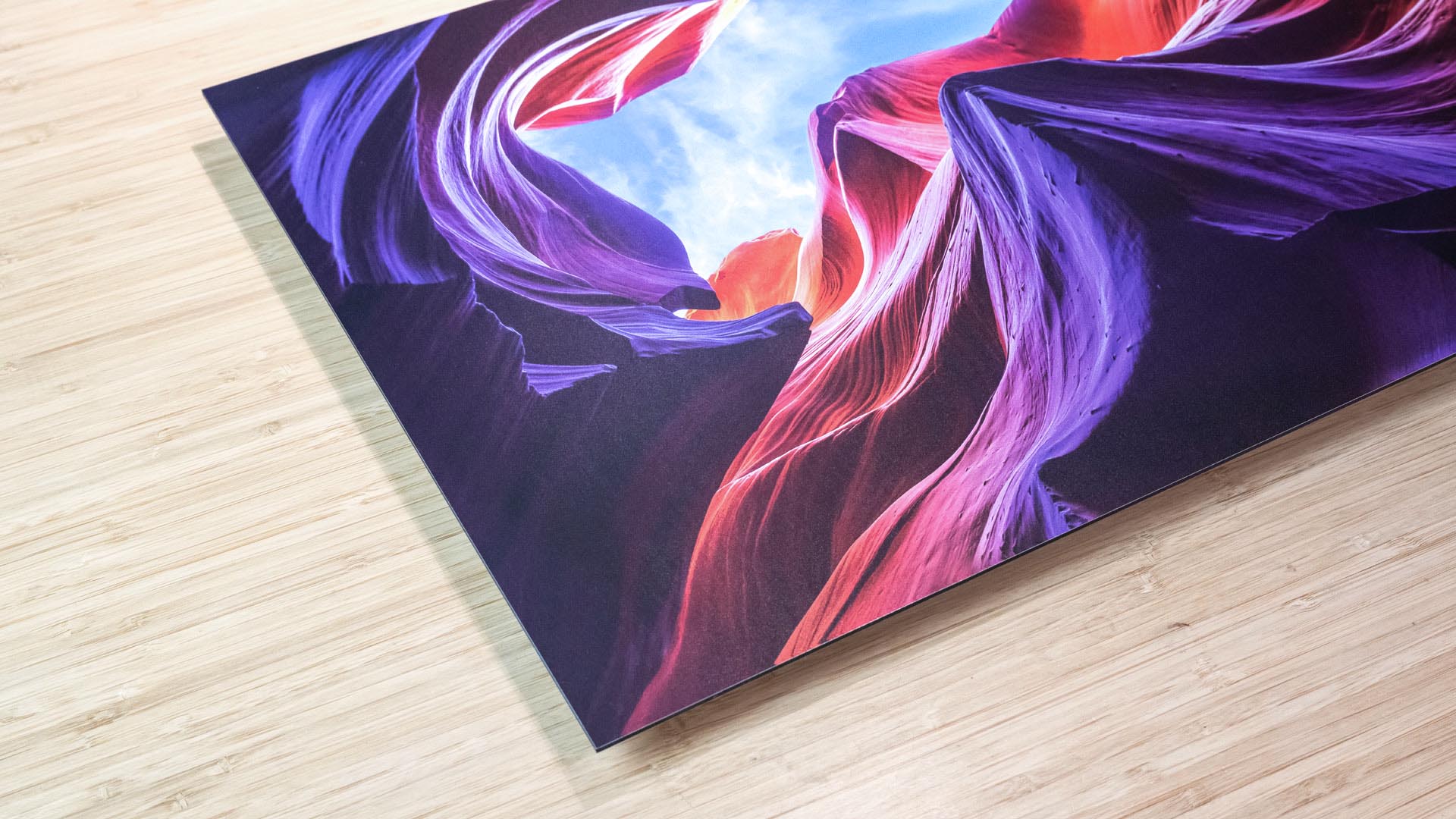
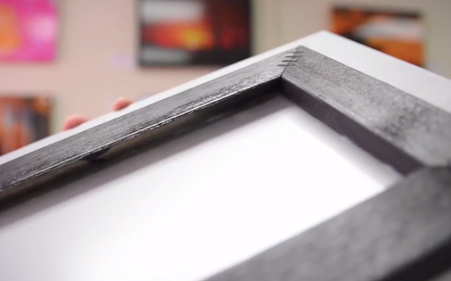
  Impression sur metal brossé et cadre flottant
Impression pleine et montage avec un cadre flottant à l’arrière de 3/4 pouce d’épaisseur avec fil de suspension. 
20 x 20 pouces
51 x 51 cm
Aperçu de l’image
$196
24 x 24 pouces
62 x 62 cm
Aperçu de l’image
$257
30 x 30 pouces
77 x 77 cm
Aperçu de l’image
$367
36 x 36 pouces
92 x 92 cm
Aperçu de l’image
$502
42 x 42 pouces
108 x 108 cm
Aperçu de l’image
$839
48 x 48 pouces
123 x 123 cm
Aperçu de l’image
$1023

  Impression sur métal brossé avec entretoises
Imprimé jusqu’au bord et prêt à être accroché, avec 4 cylindres (entretoises) en aluminium ( les vis murales sont incluses )
20 x 20 pouces
51 x 51 cm
Aperçu de l’image
$196
24 x 24 pouces
62 x 62 cm
Aperçu de l’image
$257
30 x 30 pouces
77 x 77 cm
Aperçu de l’image
$367
36 x 36 pouces
92 x 92 cm
Aperçu de l’image
$502
42 x 42 pouces
108 x 108 cm
Aperçu de l’image
$839
48 x 48 pouces
123 x 123 cm
Aperçu de l’image
$1023

Impression directe sur métal pour fournir une finition satinée lisse et blanche avec réflexion contrôlée de la lumière
Robuste, très léger et offre un effet mat [+]  


  Impression métal blanc avec cadre flottant à l’arrière
Impression pleine et montage avec un cadre flottant à l’arrière de 3/4 pouce d’épaisseur avec fil de suspension. 
20 x 20 pouces
51 x 51 cm
Aperçu de l’image
$196
24 x 24 pouces
62 x 62 cm
Aperçu de l’image
$257
30 x 30 pouces
77 x 77 cm
Aperçu de l’image
$367
36 x 36 pouces
92 x 92 cm
Aperçu de l’image
$502
42 x 42 pouces
108 x 108 cm
Aperçu de l’image
$839
48 x 48 pouces
123 x 123 cm
Aperçu de l’image
$1023

  Impression sur métal brossé avec entretoises
Imprimé jusqu’au bord et prêt à être accroché, avec 4 cylindres (entretoises) en aluminium ( les vis murales sont incluses )
20 x 20 pouces
51 x 51 cm
Aperçu de l’image
$196
24 x 24 pouces
62 x 62 cm
Aperçu de l’image
$257
30 x 30 pouces
77 x 77 cm
Aperçu de l’image
$367
36 x 36 pouces
92 x 92 cm
Aperçu de l’image
$502
42 x 42 pouces
108 x 108 cm
Aperçu de l’image
$839
48 x 48 pouces
123 x 123 cm
Aperçu de l’image
$1023


HD ChromaLuxe Impression de Sublimation Métal haute brillance

360 View
A.P.Polo - Recycling  Impression métal HD avec cadre flottant sur le dos
🔄

Chargement de la visionneuse 3D...

Cliquez et faites glisser pour faire pivoter • Faites défiler pour zoomer

A.P.Polo - Recycling Impression de sublimation métal HD
A.P.Polo - Recycling Impression metal

Brillance des couleurs, durabilité supérieure et qualités archivistiques
Cette oeuvre est produite sur une sublimation de colorant Chromaluxe panneau en métal haute définition  
Vidéo
[+]

  Impression de Sublimation Hi-Gloss sur métal blanc avec cadre arrière
Impression pleine et montage avec un cadre flottant à l’arrière de 3/4 pouce d’épaisseur avec fil de suspension. 
18 x 18 pouces
46 x 46 cm
Aperçu de l’image
$217
20 x 20 pouces
51 x 51 cm
Aperçu de l’image
$254
24 x 24 pouces
62 x 62 cm
Aperçu de l’image
$340
30 x 30 pouces
77 x 77 cm
Aperçu de l’image
$500
36 x 36 pouces
92 x 92 cm
Aperçu de l’image
$694

  Impression de Sublimation Hi-Gloss sur métal blanc avec cadre décoratif
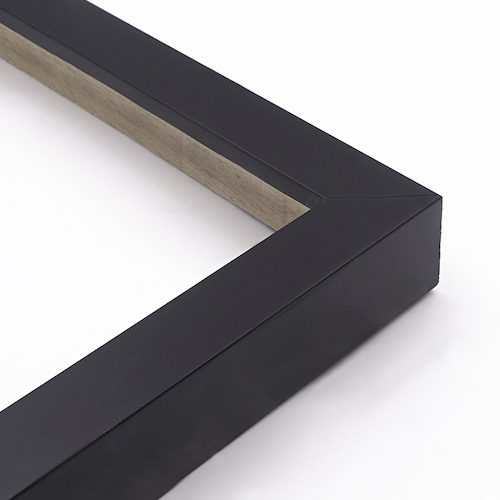
À l’intérieur d’un cadre de décoration (boîte)-cadre flottant noir
18 x 18 pouces
46 x 46 cm
Aperçu de l’image
$260
20 x 20 pouces
51 x 51 cm
Aperçu de l’image
$304
24 x 24 pouces
62 x 62 cm
Aperçu de l’image
$406
30 x 30 pouces
77 x 77 cm
Aperçu de l’image
$587
36 x 36 pouces
92 x 92 cm
Aperçu de l’image
$804


Impression sur bois

360 View
A.P.Polo - Recycling  Impression sur bois
🔄

Chargement de la visionneuse 3D...

Cliquez et faites glisser pour faire pivoter • Faites défiler pour zoomer

A.P.Polo - Recycling Impression sur bois

Imprimé avec des encres UV qui procurent une qualité d’image incroyable et qui résistent aux égratignures. Les couleurs ne pâliront pas à travers le temps.
Les zones blanches et très claires ne sont pas imprimées sur le bois, révélant la beauté naturelle de la texture du bois
Imprimé sur un bois large de 3/8 de pouces ( 9mm). Ce bois préparé à partir de merisier russe, il est durable et robuste. [+]

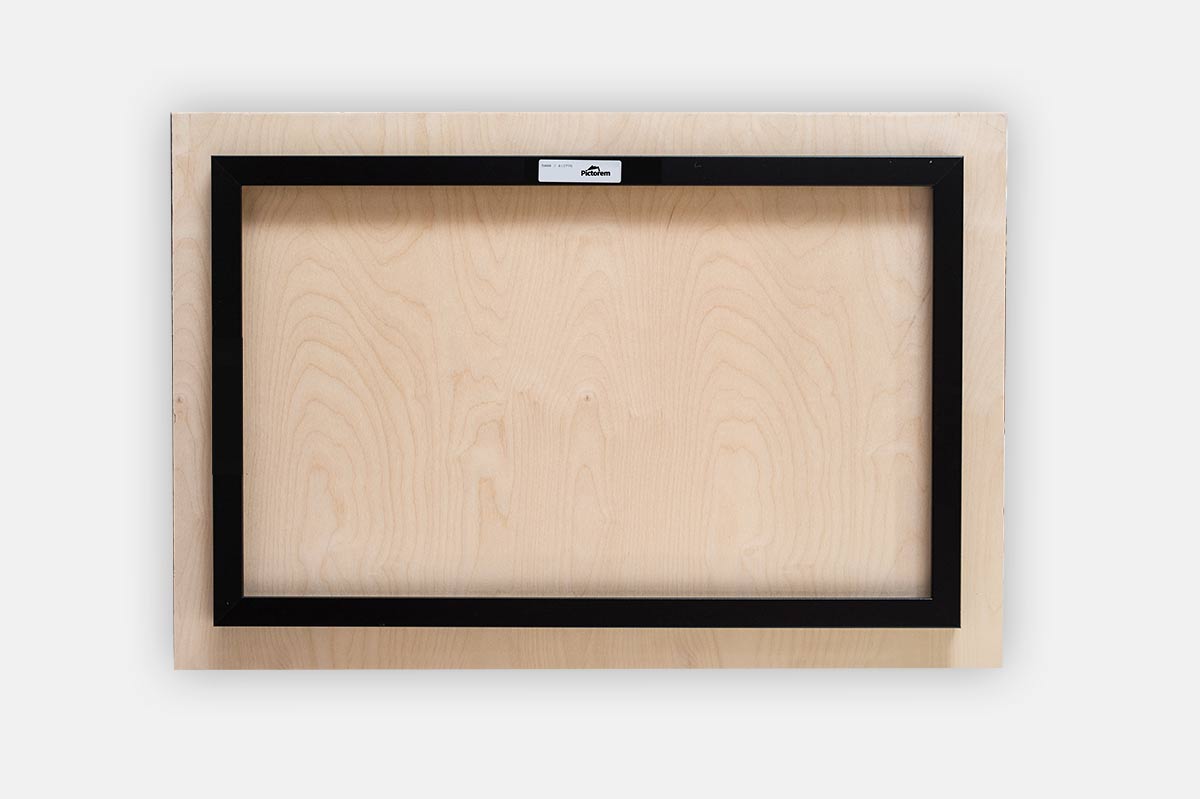
Impression sur bois avec cadre flottant arrière
Impression pleine et montage avec un cadre flottant à l’arrière  
Vidéo
[+]
20 x 20 pouces
51 x 51 cm
Aperçu de l’image
$183
24 x 24 pouces
62 x 62 cm
Aperçu de l’image
$238
30 x 30 pouces
77 x 77 cm
Aperçu de l’image
$339
36 x 36 pouces
92 x 92 cm
Aperçu de l’image
$463
42 x 42 pouces
108 x 108 cm
Aperçu de l’image
$786
48 x 48 pouces
123 x 123 cm
Aperçu de l’image
$954


Impression en Rouleau.

Nous expédions dans le monde entier!

Impression sur toile giclée Livrée en rouleau
 
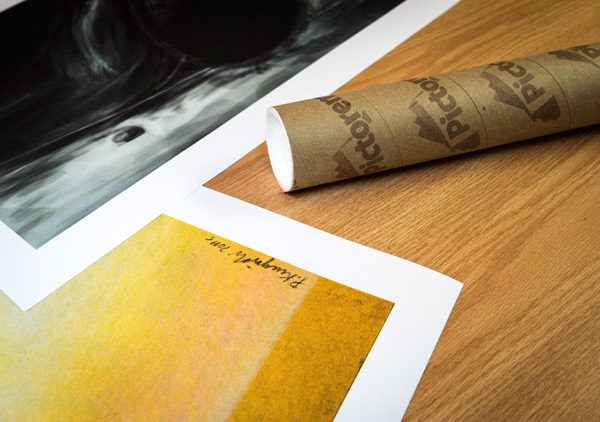
Imprimé sur du papier peint mat Fine Art - Fourni à l’intérieur d’un tube d’expédition solide [+]
20 x 20 pouces
51 x 51 cm
Aperçu de l’image
$66
24 x 24 pouces
62 x 62 cm
Aperçu de l’image
$82
30 x 30 pouces
77 x 77 cm
Aperçu de l’image
$111
36 x 36 pouces
92 x 92 cm
Aperçu de l’image
$148
42 x 42 pouces
108 x 108 cm
Aperçu de l’image
$190
48 x 48 pouces
123 x 123 cm
Aperçu de l’image
$240
55 x 55 pouces
141 x 141 cm
Aperçu de l’image
$306


Papier giclée sans acide de première qualité
 
Imprimé sur papier photo satiné - ( Affiche ) Fourni à l’intérieur d’un tube d’envoi Strong [+]
20 x 20 pouces
51 x 51 cm
Aperçu de l’image
$50
24 x 24 pouces
62 x 62 cm
Aperçu de l’image
$60
30 x 30 pouces
77 x 77 cm
Aperçu de l’image
$77
36 x 36 pouces
92 x 92 cm
Aperçu de l’image
$98
42 x 42 pouces
108 x 108 cm
Aperçu de l’image
$124
48 x 48 pouces
123 x 123 cm
Aperçu de l’image
$152
55 x 55 pouces
141 x 141 cm
Aperçu de l’image
$191


Giclée Art Matte Paper Print
 
Imprimé sur un papier mat d’archives de qualité supérieure avec une texture lisse et un blanc neutre - Fourni à l’intérieur d’un tube d’expédition Strong [+]
20 x 20 pouces
51 x 51 cm
Aperçu de l’image
$71
24 x 24 pouces
62 x 62 cm
Aperçu de l’image
$89
30 x 30 pouces
77 x 77 cm
Aperçu de l’image
$123
36 x 36 pouces
92 x 92 cm
Aperçu de l’image
$164
42 x 42 pouces
108 x 108 cm
Aperçu de l’image
$213


Impression murale

Facile à installer. Vinyle auto-adhésif, lavable et repositionnable [+]
Vidéo
Pour obtenir le prix de votre murale, Entrez les mesures de votre mur :

POUCE PIED CM
Largeur: in.
Hauteur : in.
Width: ft in
Heigth: ft in
Width: cm
Heigth: cm


Notre technologie de 10 couleurs
Nos peintures murales sont produites sur des imprimantes avec une qualité d’impression photographique exceptionnelle. Une résolution d’image extrême : qualité d'image photographique
avec la gamme de couleurs plus grande de sa catégorie

Facile à installer
Notre impression murale peut être enlevée sans aucun dommage à vos murs. Facile à modifier ou à supprimer. Nous utilisons un média de 6 mil auto-adhésif en vinyle avec une texture subtile de lin-coton.
Changer l’apparence d’une pièce sans avoir à utiliser du papier peint traditionnel. Nos impressions murales deviennent la solution parfaite pour améliorer facilement n’importe quel espace résidentiel ou commercial !

Vinyle autocollant repositionnable livré par bande de 35 à 45 pouces de largeur qui se chevauchent légèrement pour faciliter l’installation.
[Plus d’infos sur nos impressions murales]
Impression encadrée Afficher en 3D

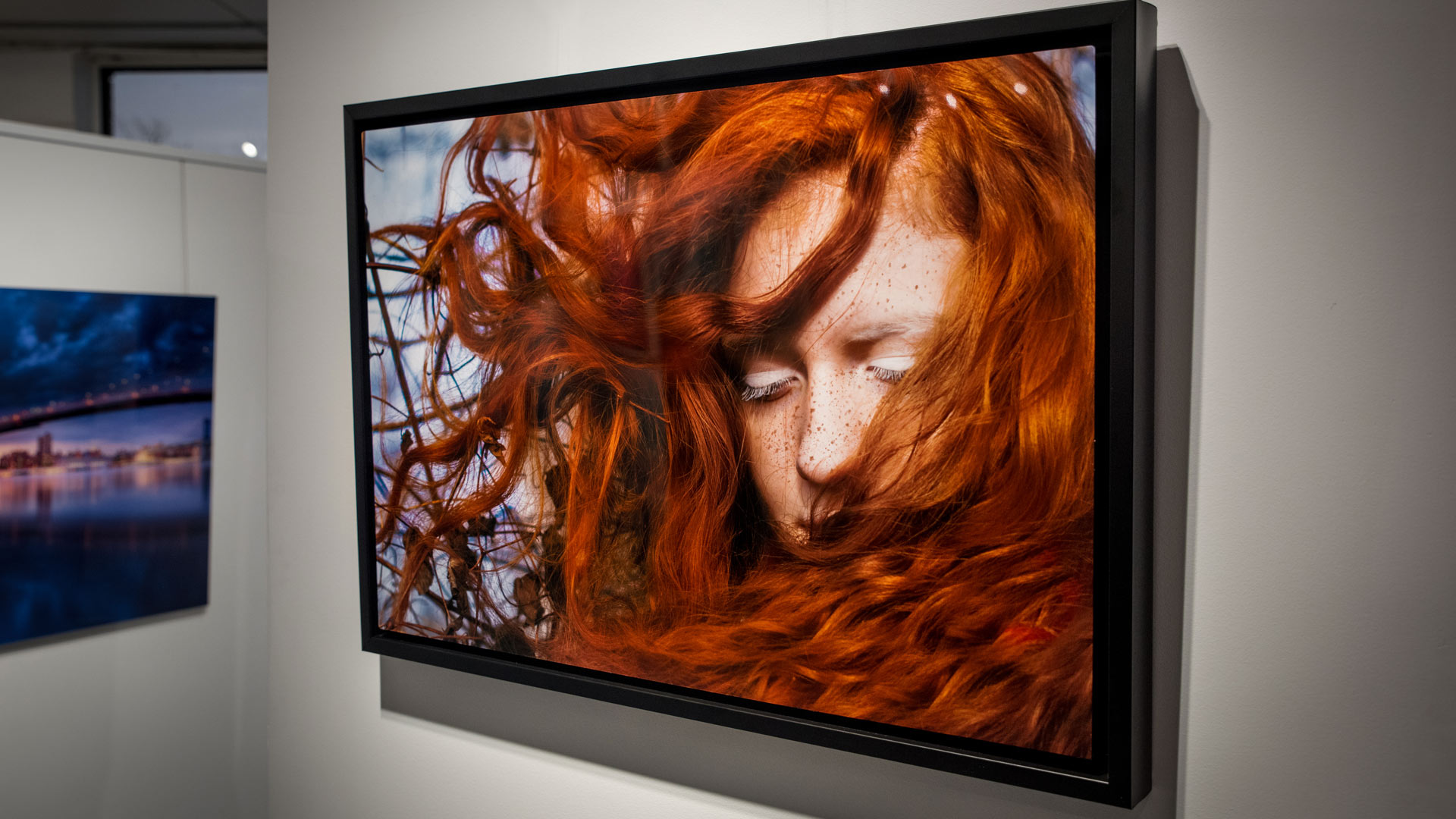
Pour obtenir "A.P.Polo - Recycling" dans une impression encadrée.
Entièrement personnalisable - à la taille exacte que vous désirez. Sélectionnez le type de papier, le verre, le mat et le cadre de décoration
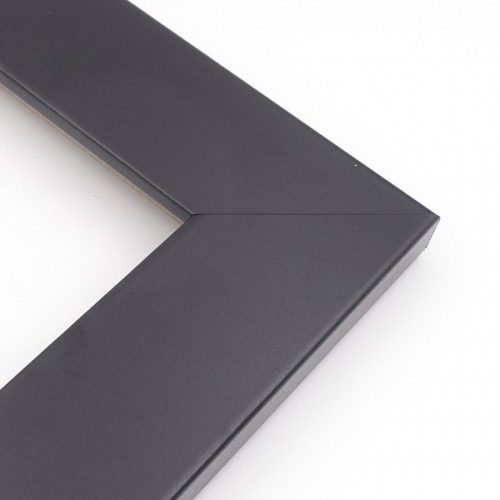
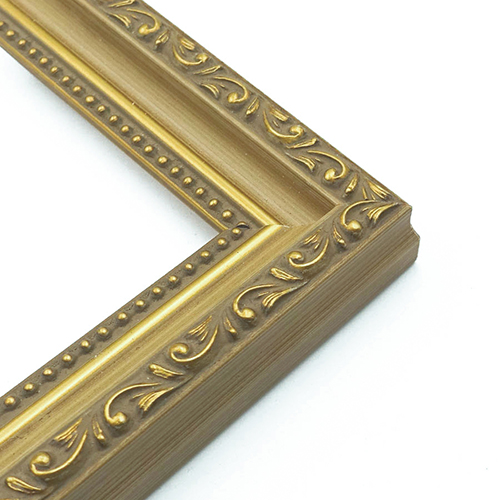
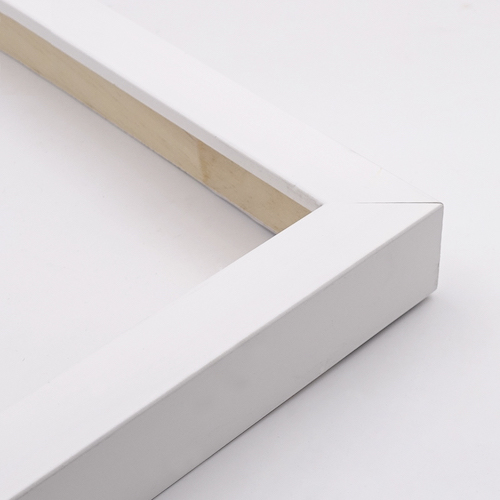
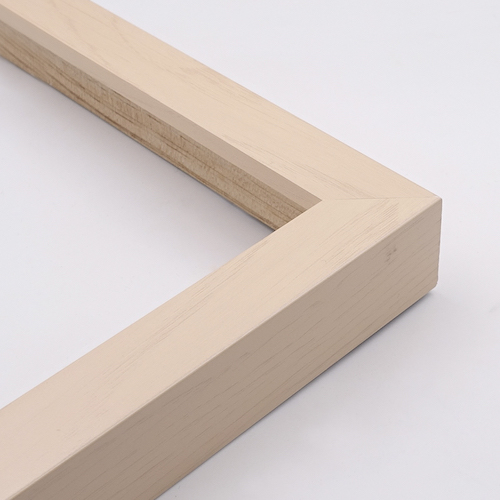
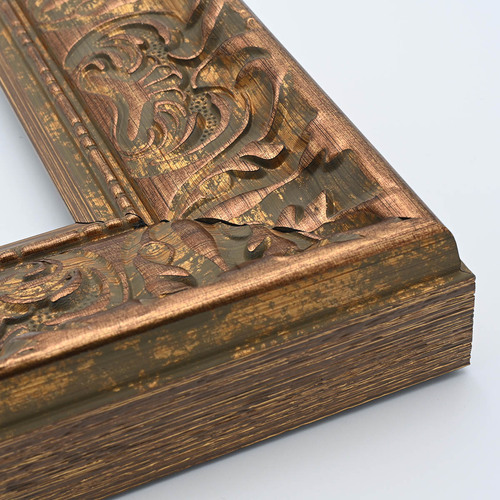
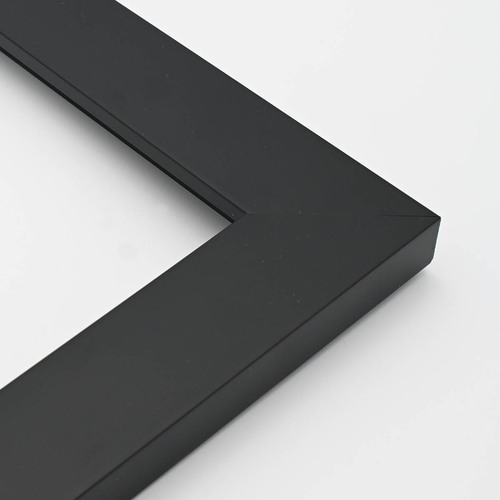
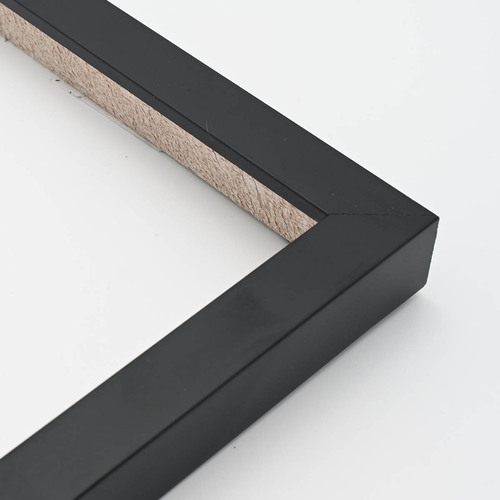
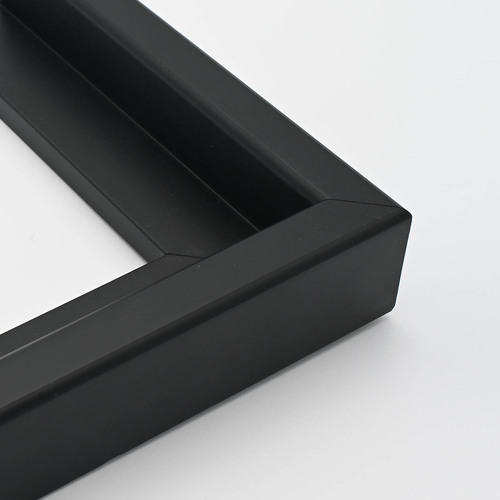
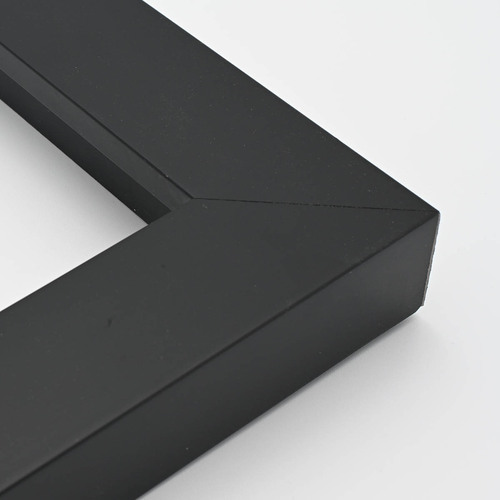
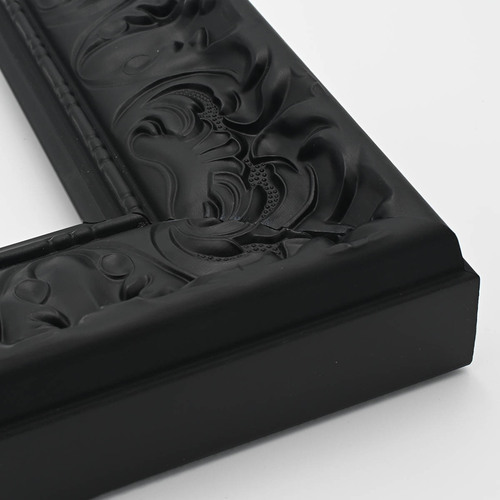
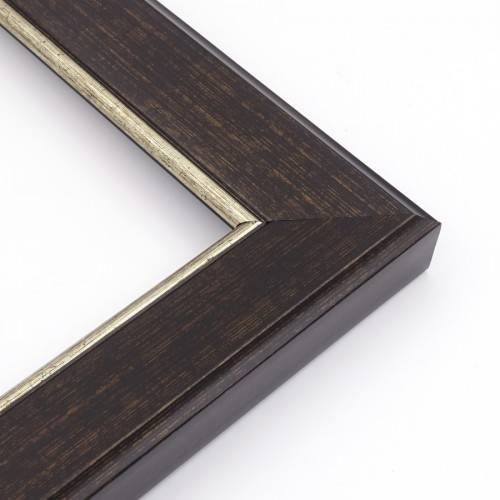
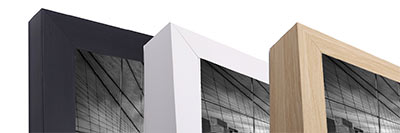
Commencez à construire votre impression encadrée personnalisée en sélectionnant l’une des moulures suivantes:
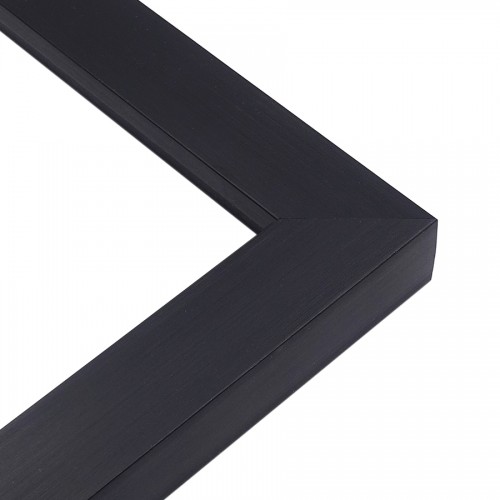
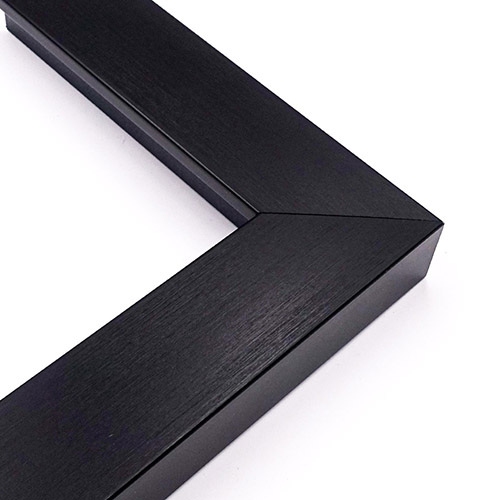
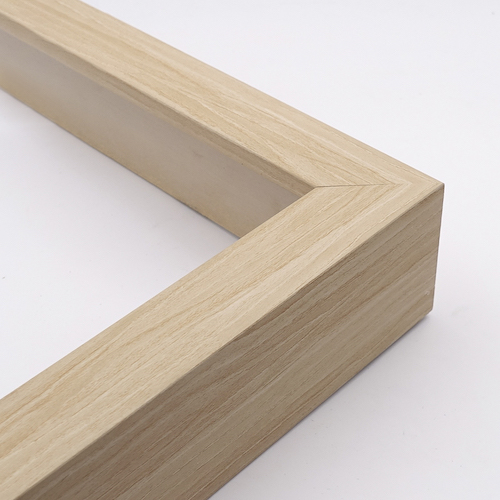
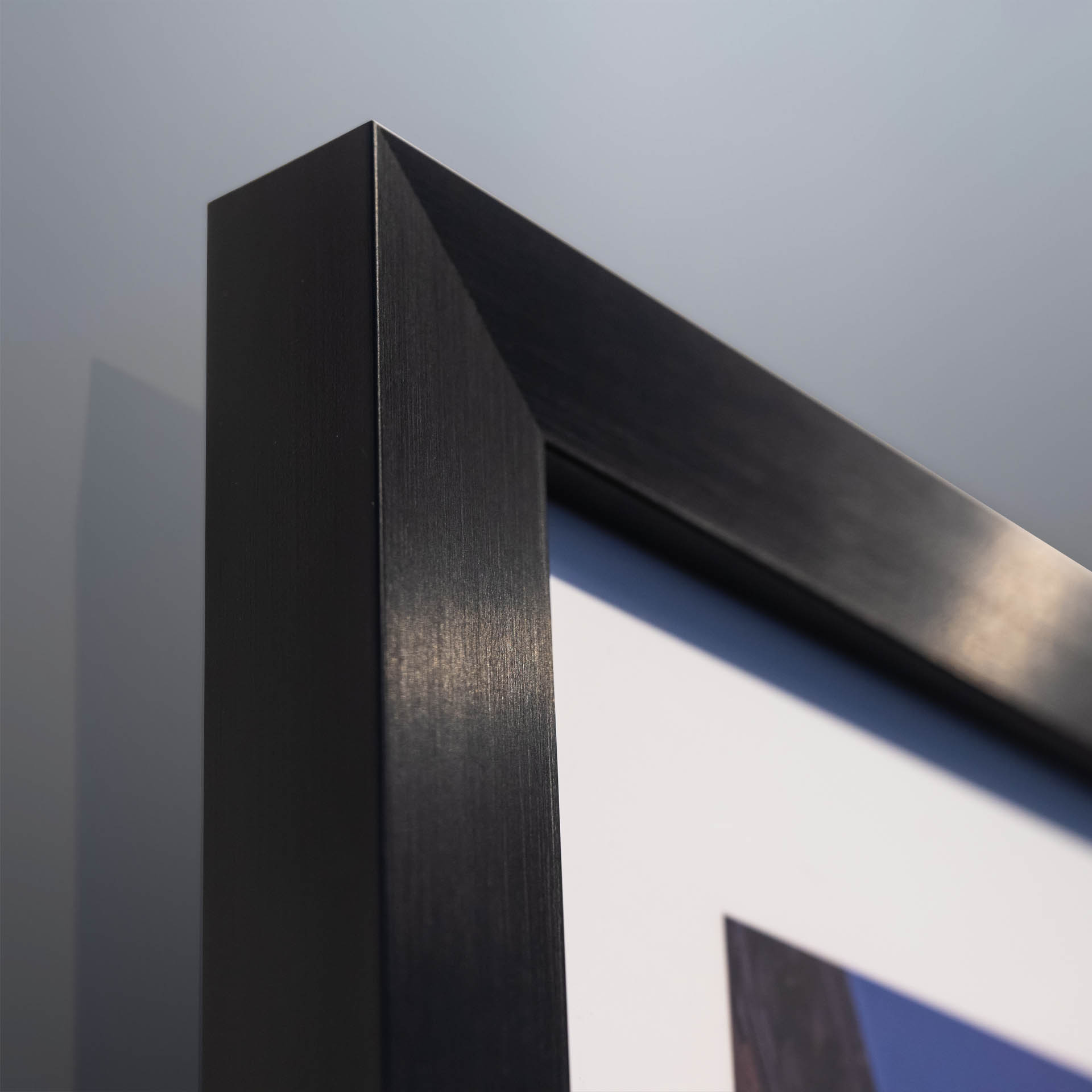
A.P.Polo - Recycling Cadre photo
Modèle de cadre illustré : 832-745

MOULURE DÉCORATIVES
MOULURE DÉCORATIVES
MOULURE DÉCORATIVES
MOULURE DÉCORATIVES
MOULURE DÉCORATIVES
MOULURE DÉCORATIVES
MOULURE DÉCORATIVES
MOULURE DÉCORATIVES
MOULURE DÉCORATIVES
MOULURE DÉCORATIVES
MOULURE DÉCORATIVES
MOULURE DÉCORATIVES
MOULURE DÉCORATIVES
MOULURE DÉCORATIVES
MOULURE DÉCORATIVES

Impression encadrée de format standard

   [+]  
Vidéo

28 x 28"
$184
28 x 28" Framed Print Afficher en 3D

A.P.Polo - Recycling Impression du cadre
Surface imprimée: 24 x 24"
Total Intérieur de la surface: 28.00 x 28.00"
Bordure blanche: 2" on each side
Largeur de l'image: 1.25" on each side
Dimension physique totale: 29.25 x 29.25"

Frame model: 832-745
Printing method: 1200dpi UV cured ink on fine art matte board
Ready to hang with wire at the back

Horloge murale

Détails du produit

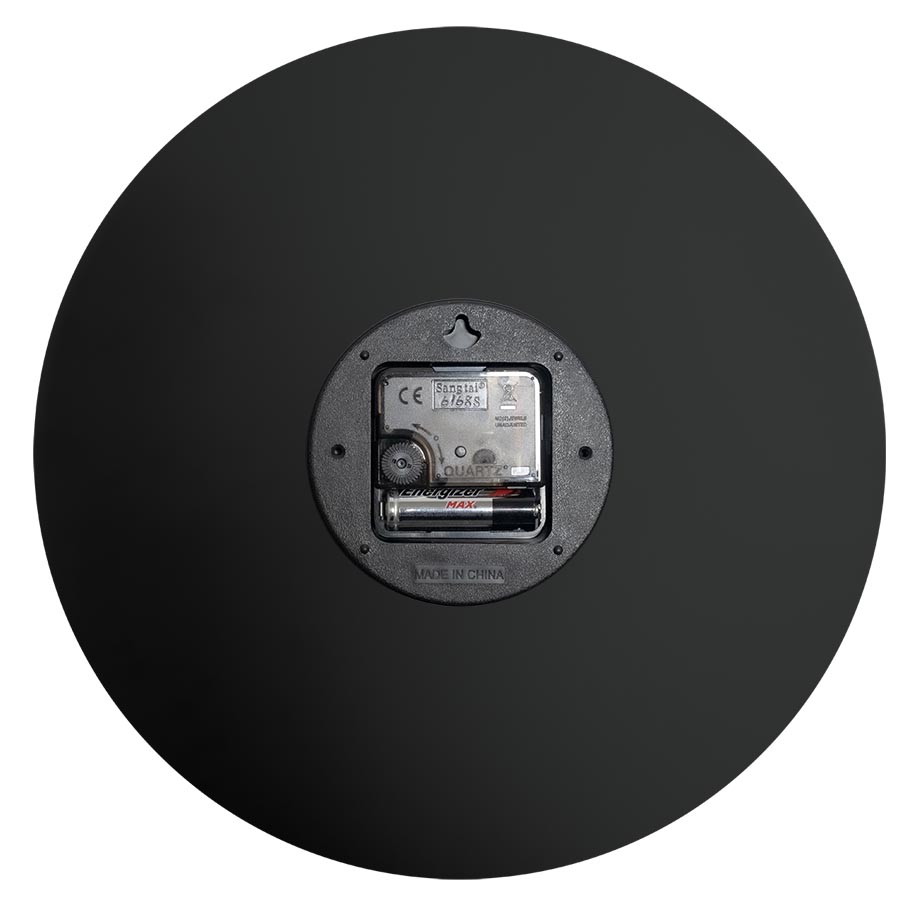
Cette œuvre d'art est réalisée en acrylique de haute qualité Prêt à être accroché.   
Vidéo

Mécanisme d'horloge avec un mouvement à quartz précis. Pile incluse
Disponible en format carré ou rond
Disponible en 12" 16" 24"

Créer le vôtre

Téléchargement Numérique

Résolution du fichier: 7050 x 7050 pixels


SUR CETTE OEUVRE: A.P.POLO - RECYCLING
A.P.Polo - "Recycling" - Hamburg (Germany) - New Media Art. Abstract, contemporary work of art that attempts to represent the concept of recycling in a monochrome way and which, despite the digital medium, gives the viewer the impression of plastic. Recycling is the process of converting waste materials into new materials and objects. The recyclability of a material depends on its ability to reacquire the properties it had in its virgin or original state. It is an alternative to "conventional" waste disposal that can save material and help lower greenhouse gas emissions. Recycling can prevent the waste of potentially useful materials and reduce the consumption of fresh raw materials, thereby reducing: energy usage, air pollution (from incineration), and water pollution (from landfilling). Recycling is a key component of modern waste reduction and is the third component of the "Reduce, Reuse, and Recycle" waste hierarchy. Thus, recycling aims at environmental sustainability by substituting raw material inputs into and redirecting waste outputs out of the economic system. Recyclable materials include many kinds of glass, paper, cardboard, metal, plastic, tires, textiles, batteries, and electronics. The composting or other reuse of biodegradable waste—such as food or garden waste—is also a form of recycling. Materials to be recycled are either delivered to a household recycling center or picked up from curbside bins, then sorted, cleaned, and reprocessed into new materials destined for manufacturing new products. In the strictest sense, recycling of a material would produce a fresh supply of the same material—for example, used office paper would be converted into new office paper or used polystyrene foam into new polystyrene. This is accomplished when recycling certain types of materials, such as metal cans, which can become a can again and again, indefinitely, without losing purity in the product. However, this is often difficult or too expensive (compared with producing the same product from raw materials or other sources), so "recycling" of many products or materials involves their reuse in producing different materials (for example, paperboard) instead. Another form of recycling is the salvage of certain materials from complex products, either due to their intrinsic value (such as lead from car batteries, or gold from printed circuit boards), or due to their hazardous nature (e.g., removal and reuse of mercury from thermometers and thermostats). Before industrialization, garbage consisted mainly of human and animal excrement, food waste, broken clay or glass, and probably ashes from fireplaces. Probably the oldest form of recycling is the traditional fertilization of plant and animal waste, especially crop residues, manure and slurry, in agriculture, which is probably as old as this itself. This complete recycling is the basis of subsistence farming. In ancient Rome, excrement was collected and sold to farmers in the surrounding countryside. In the Middle Ages, this organization fell into disrepair for the most part - excrement and waste were sometimes simply dumped on the street and at best "recycled" by pets. Later, scrap and rag collectors were responsible for collecting, sorting and forwarding recyclable material. The "throw-away mentality" of the industrial era did not exist due to the lack of goods such as empty bottles, used wooden or metal objects and the like. It was a matter of course to recycle these objects further. Food waste became pet food, bones and hair became useful things, and rags were turned into paper. Wood and paper waste was burned and metal parts were melted down or forged anyway. With industrialization, the quantity and composition of waste changed, so that the first waste incinerators were built in London, and later the first landfills. During the First World War, the collection of recyclable waste was advertised with great propaganda success. As people became increasingly wealthy after the world wars and were able to afford luxury goods, including more elaborate packaging (bottles, aluminum foil, plastic bags, tin cans, plastic bottles), the industrialized countries faced an acute waste emergency. A normal household, which 150 years ago got along with about 150 things, now used more than 20,000 items, from toothpicks to hairpins, from closets to tacks, and in the Federal Republic in the 1970s, for example, produced an average household waste quantity of 4.7 kg per inhabitant and week, or 244 kg per inhabitant and year. For the most part, this waste was no longer reused, but was largely landfilled. Reuse was only an issue in times of need, especially during and after wars. It was not until the emergence of the green movement in the 1970s and 1980s that a change in thinking took place and the insight spread that waste disposal was one of the main factors in environmental pollution. At the same time, there was an awareness of the overall limitations of natural resources (for example, after the oil shock of the early 1980s), and landfilling became increasingly unfeasible in urban agglomerations such as megacities. The first steps back to a new recycling approach were the initially voluntary waste separation, which became the symbol of an entire generation in the western world. Starting from waste paper reuse, technologies were increasingly developed that made the recycling of all types of waste material economically viable, making waste a significant economic good: The term secondary raw material was coined for this. Recycling is also becoming increasingly important for elements whose occurrence is limited or whose extraction is costly. This is particularly true of rare earths, which are frequently used in the electrical and electronics industry and used to end up in the garbage with discarded equipment. Monochromatic painting has been an important component of avant-garde visual art throughout the 20th century and into the 21st century. Painters have created the exploration of one color, examining values changing across a surface, texture, and nuance, expressing a wide variety of emotions, intentions, and meanings in many different forms. From geometric precision to expressionism, the monochrome has proved to be a durable idiom in Contemporary art. Monochrome painting was initiated at the first Incoherent arts' exhibition in 1882 in Paris, with a black painting by poet Paul Bilhaud entitled Combat de Nègres dans un tunnel (Negroes fight in a tunnel). (Although Bilhaud was not the first to create an all-black artwork: for example, Robert Fludd published an image of Darkness in his 1617 book on the origin and structure of the cosmos; and Bertall published his black Vue de La Hogue (effet de nuit) in 1843.) In the subsequent exhibitions of the Incoherent arts (also in the 1880s) the writer Alphonse Allais proposed other monochrome paintings, such as "Première communion de jeunes filles chlorotiques par un temps de neige" ("First communion of anaemic young girls in the snow", white), or "Récolte de la tomate par des cardinaux apoplectiques au bord de la Mer Rouge" ("Tomato harvesting by apoplectic cardinals on the shore of the Red Sea", red). Allais published his Album primo-avrilesque in 1897, a monograph with seven monochrome artworks. However, this kind of activity bears more similarity to 20th century Dada, or Neo-Dada, and particularly the works of the Fluxus group of the 1960s, than to 20th century monochrome painting since Malevich. Jean Metzinger, following the Succès de scandale created from the Cubist showing at the 1911 Salon des Indépendants, in an interview with Cyril Berger published in Paris-Journal 29 May 1911, stated: "We cubists have only done our duty by creating a new rhythm for the benefit of humanity. Others will come after us who will do the same. What will they find? That is the tremendous secret of the future. Who knows if someday, a great painter, looking with scorn on the often brutal game of supposed colorists and taking the seven colors back to the primordial white unity that encompasses them all, will not exhibit completely white canvases, with nothing, absolutely nothing on them. (Jean Metzinger, 29 May 1911)" Metzinger's (then) audacious prediction that artists would take abstraction to its logical conclusion by vacating representational subject matter entirely and returning to what Metzinger calls the "primordial white unity", a "completely white canvas" would be realized two years later. The writer of a satirical manifesto entitled Manifeste de l'école amorphiste, published in Les Hommes du Jour (3 May 1913), may have had Metzinger's vision in mind when the author justified amorphism's blank canvases by claiming 'light is enough for us'.With perspective, writes art historian Jeffery S. Weiss, "Vers Amorphisme may be gibberish, but it was also enough of a foundational language to anticipate the extreme reductivist implications of non-objectivity". In a broad and general sense, one finds European roots of minimalism in the geometric abstractions of painters associated with the Bauhaus, in the works of Kazimir Malevich, Piet Mondrian and other artists associated with the De Stijl movement, and the Russian Constructivist movement, and in the work of the Romanian sculptor Constantin Brâncu?i. Minimal art is also inspired in part by the paintings of Barnett Newman, Ad Reinhardt, Josef Albers, and the works of artists as diverse as Pablo Picasso, Marcel Duchamp, Giorgio Morandi, and others. Minimalism was also a reaction against the painterly subjectivity of Abstract Expressionism that had been dominant in the New York School during the 1940s and 1950s. The wide range of possibilities (including impossibility) of interpretation of monochrome paintings is arguably why the monochrome is so engaging to so many artists, critics, and writers. Although the monochrome has never become dominant and few artists have committed themselves exclusively to it, it has never gone away. It reappears as though a spectre haunting high modernism, or as a symbol of it, appearing during times of aesthetic and sociopolitical upheavals. Monochrome painting as it is usually understood today began in Moscow, with Suprematist Composition: White on White of 1918 by Suprematist artist Kazimir Malevich. This was a variation on or sequel to his 1915 work Black Square on a White Field, a very important work in its own right to 20th century geometric abstraction. In 1921, Constructivist artist Alexander Rodchenko exhibited three paintings together, each a monochrome of one of the three primary colours. He intended this work to represent The Death of Painting. While Rodchenko intended his monochrome to be a dismantling of the typical assumptions of painting, Malevich saw his work as a concentration on them, a kind of meditation on art's essence (“pure feeling”). These two approaches articulated very early on in its history this kind of work's almost paradoxical dynamic: that one can read a monochrome either as a flat surface (material entity or “painting as object”) which represents nothing but itself, and therefore representing an ending in the evolution of illusionism in painting (i.e. Rodchenko); or as a depiction of multidimensional (infinite) space, a fulfillment of illusionistic painting, representing a new evolution—a new beginning—in Western painting's history (Malevich). Additionally, many have pointed out that it may be difficult to deduce the artist's intentions from the painting itself, without referring to the artist's comment.

Cette oeuvre peut être expédiée partout dans le monde lorsqu’elle est commandée en rouleau ( affiche ou toile )
Tout autre format, y compris la toile tendue, l'acrylique, etc., n'est expédié qu'aux États-Unis continentaux et au Canada (frais de port gratuits)

Signaler cette œuvre d'art
Imprimez en Un Plantez en Un
Un arbre planté pour chaque impression.  Pictorem soutient Trees for the Future, une organisation à but non lucratif 501 (c) 3, qui gère un programme agroforestier pour restaurer les arbres sur les terres dégradées en travaillant avec les petits agriculteurs.

CRÉER UN COMPTE

COMPTE UTILISATEUR OUBLIÉ ?

HAUT